How Hard a Munchkin Kitten Plays on the Floor
Bringing a Munchkin kitten home, you might find yourself wondering if those adorable short legs mean a quieter, less active companion. Perhaps you've seen your tiny furball zipping across the floor with surprising speed, or endlessly pouncing on toys at ground level, and you're questioning if this level of intense floor play is normal. This guide is here to reassure you and dive deep into the energetic, unique, and often misunderstood world of Munchkin kitten play, helping you understand their boundless enthusiasm.
The Unstoppable Energy of a Munchkin Kitten at Floor Level
When you welcome a Munchkin kitten into your home, prepare for a whirlwind of activity, primarily concentrated on the ground. Despite their distinctive short stature, these little dynamos possess an incredible amount of energy and a relentless desire to play. Many first-time Munchkin owners are surprised by just how much gusto their kitten brings to playtime, often expecting a more sedate pet due to their unique physique. The truth is, Munchkin kittens are just as playful, curious, and mischievous as any other kitten, they simply express it in a way that's perfectly adapted to their short legs.
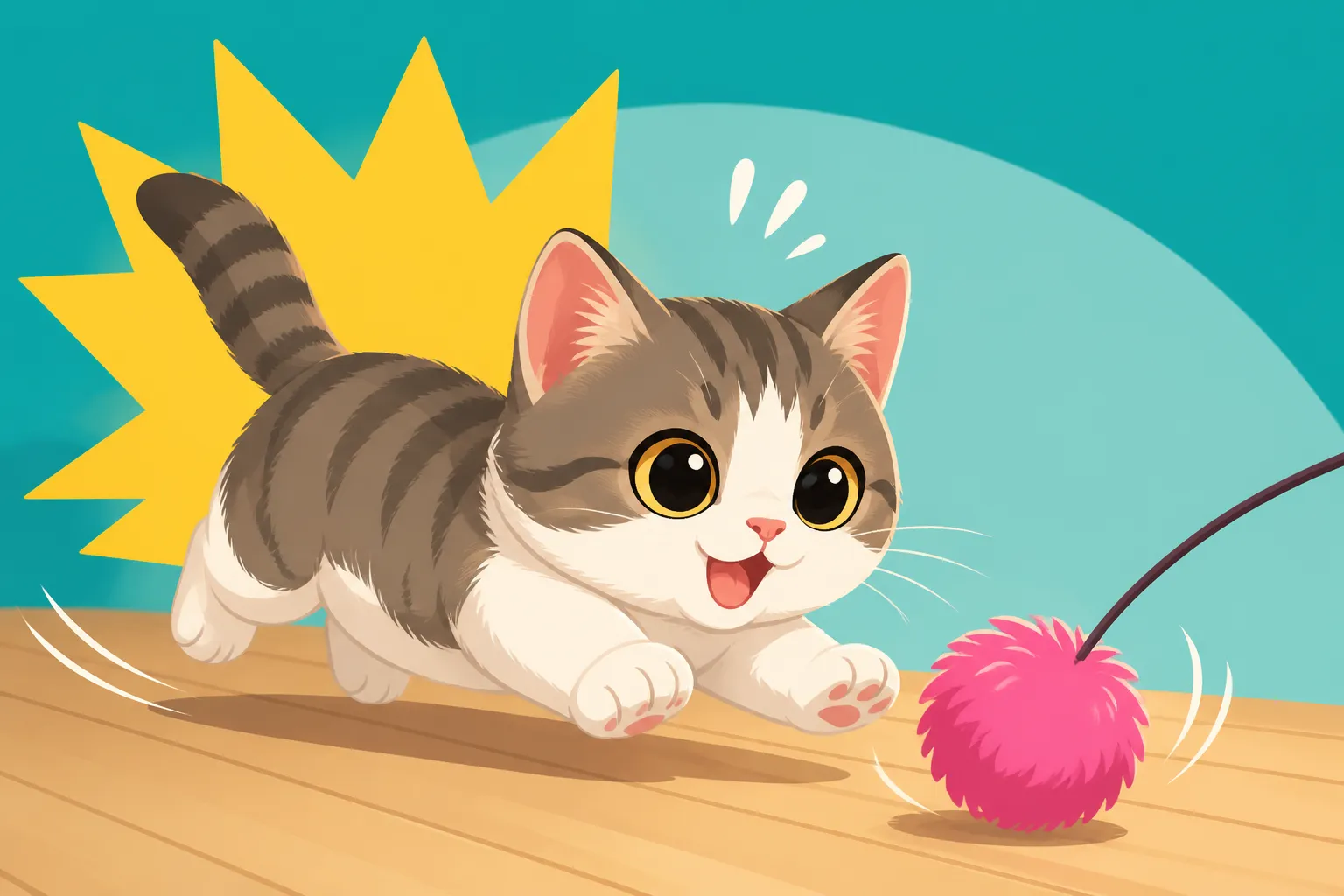
This isn't just casual batting at a toy; we're talking full-throttle engagement. They’ll chase, pounce, stalk, and wrestle with an intensity that can sometimes make you wonder where they store all that power. Their short legs certainly don't equate to short stamina; in fact, it often means they can keep going for longer bursts of play on the flat ground, covering surprising distances with a unique, low-slung gait. This constant motion is crucial for their development, helping them build muscle, explore their environment, and satisfy their innate hunting instincts. It's truly a joy to behold their dedication to play, and understanding this natural exuberance is the first step in providing them with the best possible enrichment.
Natural Instincts at Ground Level
Munchkin kittens, just like their long-legged counterparts, are wired with strong predatory instincts. The only difference is how they execute them. Instead of leaping onto high perches to survey their domain, they become masters of the ground game. Think of them as tiny, highly efficient ground predators. They stalk toys with incredible focus, crouching low, wiggling their little rear ends, and then exploding forward in a burst of speed. This low center of gravity actually gives them an advantage in certain types of play; they can hug corners with surprising agility and change direction on a dime, making them incredibly effective at chasing laser pointers or toy mice across the living room floor. You might even notice them using furniture legs or the underside of chairs as cover, darting out for a surprise attack on an unsuspecting toy.
This preference for ground-level interaction means that their world is experienced from a unique perspective. They are constantly exploring textures, scents, and small objects at floor height, which might be completely overlooked by a taller cat. Their natural curiosity is amplified by their ability to navigate tight spaces and hidden nooks that are inaccessible to others. Providing an environment rich in floor-level stimulation directly taps into these instincts, ensuring they feel secure and engaged. It's about recognizing that their play isn't limited, it's just specialized, making them uniquely charming companions.
The "Ferret-Like" Movement
If you've ever watched a Munchkin kitten really get going, you might describe their movement as something akin to a ferret or even a badger – low, slinky, and incredibly fast. This distinctive gait is often referred to as "ferret-like" because of how their compact bodies seem to glide just above the floor, with their short legs churning beneath them. They don't have the long, elegant strides of a typical cat; instead, they move with an almost undulating motion, a quick, scuttling run that allows them to cover ground rapidly and with great stability. Why a Munchkin's Walk Is Described as a Ferret's explains this phenomenon beautifully.
This unique locomotion isn't a hindrance to their play; it's a defining characteristic that enables their particular brand of intense ground-based fun. Their ability to accelerate quickly, stop abruptly, and pivot sharply makes them formidable playmates, especially when chasing things that roll or slide. They might not be scaling your bookshelves in a single bound, but they can certainly zip around and under obstacles with impressive agility. Observing this distinctive movement is a key part of understanding How Fast a Munchkin Can Run and appreciating their individual capabilities. It’s a testament to their adaptable nature and how they’ve learned to make the most of their unique physiology.
Energy Levels and Stamina
Make no mistake: Munchkin kittens are energy factories. Their play sessions are often intense and sustained, driven by youthful vigor and an insatiable desire to explore and interact. While they might not expend as much vertical energy as a long-legged cat, they more than make up for it with horizontal bursts. They can go from a dead stop to full speed in a blink, chasing, pouncing, and wrestling with incredible stamina. It's not uncommon for a Munchkin kitten to engage in multiple energetic play sessions throughout the day, punctuated by sudden "kitten naps" where they recharge their batteries before the next round of shenanigans.
Owners often worry that their Munchkin kitten's intense play might be too much for their short legs or developing spine. However, healthy Munchkin kittens are typically very good at self-regulating. They'll play hard until they're tired, then curl up for a nap. The key is to provide opportunities for safe, engaging play that respects their physical limitations while allowing them to burn off that impressive energy. How Much Floor Level Play a Munchkin Needs is something to really consider as you plan their day. Their stamina for ground-level activity is truly remarkable, and they thrive on regular opportunities to stretch those short limbs and engage their keen minds.
Decoding the Unique Munchkin Play Style
A Munchkin kitten's play isn't just about raw energy; it's a nuanced dance of adaptation and cleverness. Their short legs necessitate a different approach to movement and interaction, leading to a unique repertoire of playful behaviors that are utterly charming. You'll observe them inventing new ways to conquer challenges and engage with their environment, all while demonstrating incredible determination. It’s a fascinating glimpse into how a cat’s natural instincts can be expressed through a unique physical form.
Understanding these specific behaviors can help you better appreciate your Munchkin's ingenuity and tailor playtime to their strengths. Their world is often defined by what's reachable on the horizontal plane, rather than what's scalable vertically. This distinction means that common feline behaviors, like stalking or pouncing, are performed with a slight twist, making them even more endearing to watch.
The Signature Prairie Dog Sit
One of the most iconic and beloved Munchkin behaviors is the "prairie dog sit." You'll see your kitten suddenly stop in the middle of play or exploration, sit upright on their hind legs, with their front paws dangling or held close to their chest, and peer around like a meerkat. This posture allows them to get a better vantage point, scanning their surroundings or observing a distant object with greater clarity than they could from their usual low-slung stance. It's a truly adorable sight and a clear adaptation to their short stature. Why a Munchkin Sits Up Like a Meerkat delves into the reasons behind this charming pose.
While it's a common and natural behavior for Munchkins, it's also a moment to observe them. They typically hold this pose for short periods, often to get a better look at something interesting or simply to survey their domain before resuming their floor-level adventures. This unique sit is a visual cue of their curiosity and their creative way of interacting with a world designed for taller felines.
Adapting Jumps and Climbs
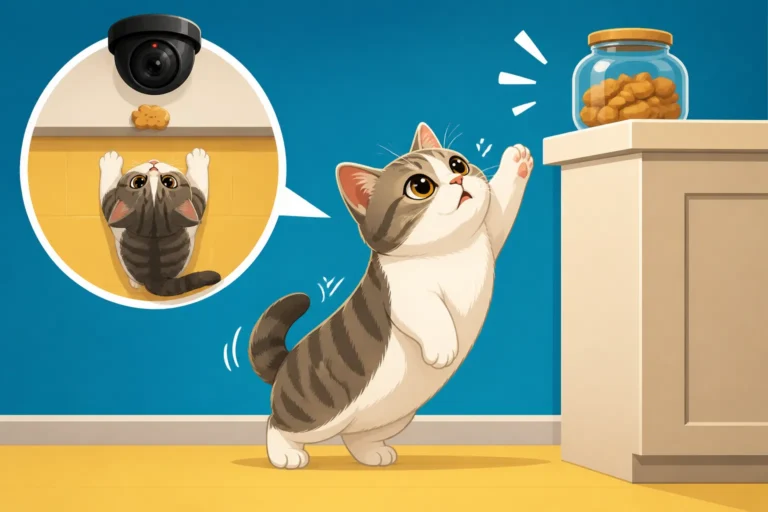
While Munchkin kittens aren't known for their vertical prowess, they are remarkably adept at adapting to challenges that require elevation. They might not be able to leap onto your kitchen counter in a single bound, but they are masters of sequential climbing. They'll use intermediate steps, such as a low stool, then a chair, then perhaps a small table, to reach higher surfaces. They often view furniture as a series of mini-mountains to conquer, methodically working their way up. How Many Inches a Munchkin Can Jump will give you a good idea of their maximum leap.
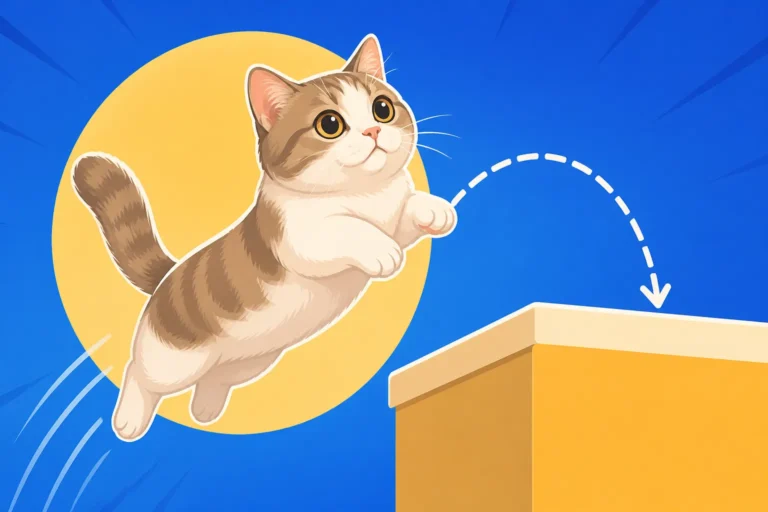
When it comes to jumping, their efforts are typically horizontal or involve short, explosive vertical bursts onto low furniture or cat trees with closely spaced platforms. You'll see them gauge distances carefully, and sometimes, they might try a jump repeatedly before succeeding, or they might surprise you with a burst of athletic effort. The key is to understand that their limitations in height are met with incredible ingenuity and persistence on the horizontal plane. They're not "bad" at jumping; they've simply learned to optimize their movements for their unique body shape.
Interactive Play and Socialization
Munchkin kittens thrive on interactive play with their human companions. Since they spend so much time at floor level, getting down on their level for playtime is crucial for building a strong bond and providing them with adequate stimulation. Wand toys are absolute gold for a Munchkin, allowing you to engage them in chasing, pouncing, and batting without requiring them to jump excessively. Which Wand Toys Suit a Munchkin's Reach are often those that bring the action directly to the ground where they excel. They love games that simulate hunting, like dragging a toy mouse across the floor or wiggling a feather wand under a blanket.
Socialization through play is also incredibly important. If you have other cats, observe how they interact. Munchkins often hold their own in play, especially when the games are floor-based. With children or other pets, proper supervision is key, as a Munchkin’s inability to quickly climb to safety means they can be more vulnerable in boisterous situations. Why a Munchkin Cannot Get Away From a Dog is a real concern if you have larger animals. Ensuring safe and structured play sessions will not only keep them physically healthy but also foster their social development and confidence.
Creating the Ultimate Floor Play Paradise for Your Munchkin
To truly embrace and encourage your Munchkin kitten's vibrant playfulness, you'll want to tailor their environment to their unique needs. It's not about creating a compromise; it's about optimizing their world for maximum joy and healthy activity. When you step into their paws, you realize that their "limitations" are actually just different design parameters that lead to creative solutions.
A well-designed play space acknowledges their low stature and leverages their natural ground-dwelling instincts. This means thinking horizontally, ensuring accessibility, and providing a variety of stimuli that engage both their bodies and their minds. It’s an act of love to curate a space where your little furball can zoom, pounce, and explore with absolute abandon, knowing they are safe and fully enabled.
Choosing the Right Floor Toys
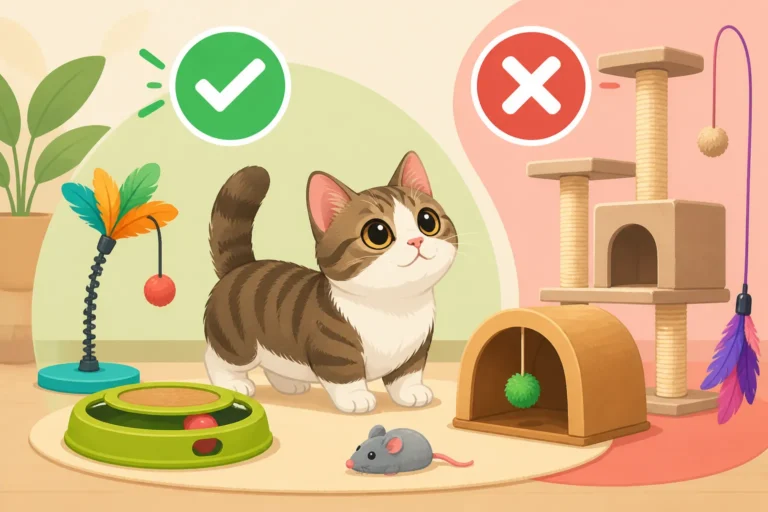
The world is their oyster when it comes to floor toys! Munchkin kittens adore anything that rolls, slides, or can be pounced upon at ground level. Think about toys that mimic prey movement along the floor. Small, lightweight balls, crinkle toys, felt mice, and anything on a string or wand are usually huge hits. Puzzle feeders that require batting or nudging to release treats are also excellent for mental stimulation and slow down eating. Avoid toys that primarily encourage high jumping, as repeated strenuous vertical leaps can put undue stress on their developing joints and spine.
The beauty of a Munchkin’s play is its simplicity; often, the most basic toys provide the most fun. A scrunched-up piece of paper or a rogue bottle cap can become the subject of an epic hunt. The key is variety and rotation to keep them engaged. Don't be afraid to experiment with different textures and sounds. What one Munchkin loves, another might ignore, so a diverse toy box ensures perpetual excitement. Remember, the best toy is often the one you are interacting with them with!
Creating a Play Zone
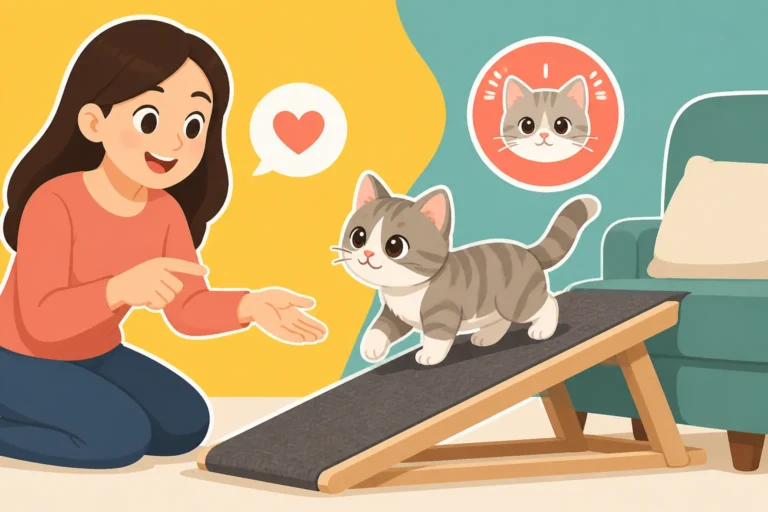
Dedicate specific areas of your home as "Munchkin play zones." These areas should be clear of hazards and filled with enrichment. Consider low-level cat trees or sturdy pet steps leading up to low windowsills or sofa cushions, giving them accessible vantage points. Tunnels and crinkly tubes are fantastic for mimicking dens and allowing them to stalk and ambush, playing right into their ground-dwelling nature. You can also create "cat highways" using low furniture, ottomans, or even strategically placed rugs, allowing them to traverse a room without touching the floor if they choose.
Think about how a park might be designed for children – with different stations for different types of play. Similarly, your Munchkin's play zone can have a "hunting ground" with rolling toys, a "hideout" with tunnels, and a "lookout point" with a low perch. Ensuring these zones are strategically placed, perhaps near a window or where family activity happens, will encourage more frequent use and integrate them into the household flow. How to Set Up Floor Level Enrichment for a Munchkin will give you even more ideas.
Interactive Play Techniques
Since Munchkins are such avid floor players, engaging with them interactively is incredibly rewarding. Get down on their level! Kneel or sit on the floor and use wand toys to entice them. Drag the toy slowly, then quickly, simulating prey behavior. Hide it briefly behind furniture before making it "reappear." This type of interactive play not only burns off energy but also strengthens your bond and builds their confidence. Laser pointers can be fun, but always end with a tangible toy they can "catch" to prevent frustration.
Vary your play sessions to keep them fresh and exciting. Sometimes focus on high-energy chases, other times on slower, more strategic stalking games. Introduce new toys regularly or rotate old favorites to maintain interest. If you notice your kitten panting or looking overly tired, it's time for a break. Munchkins are enthusiastic, but like any athlete, they need recovery time. Consistent, thoughtful interaction will make their playtime the highlight of their day.
Ensuring Safe and Healthy Play for Your Short-Legged Friend
While Munchkin kittens are robust and playful, their unique physical structure does mean that certain considerations for safe play are paramount. It’s about creating an environment where they can indulge their natural instincts without inadvertently putting themselves at risk. A responsible owner understands these distinctions and proactively designs a home that supports their Munchkin's health and happiness.
The goal isn't to restrict their play, but to guide it into safe and beneficial channels. This proactive approach helps prevent injuries, reduces strain on their joints, and contributes to a long, joyful life. By being mindful of their physical needs, you can ensure their intense floor play remains a source of delight, not a cause for concern.
Hazard Proofing the Floor Space
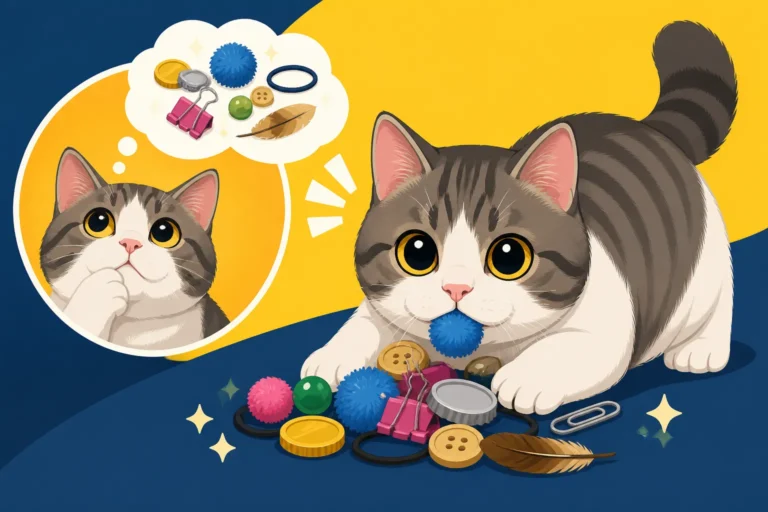
Given their low profile and inquisitiveness, Munchkin kittens are particularly susceptible to floor-level hazards. Anything small enough to be swallowed, or stringy items that can cause blockages, should be meticulously put away. Think about things like rubber bands, hair ties, small children's toys, and even loose threads from rugs. Their intense focus on ground exploration means they'll investigate every nook and cranny. Keep cleaning supplies, medications, and toxic plants well out of reach, as their low height might put them closer to dangers that a taller cat wouldn't encounter.
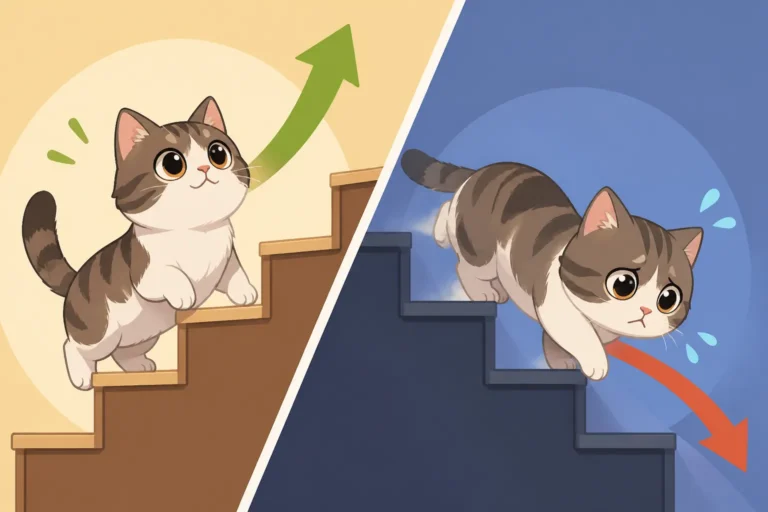
Stairs can also be a significant challenge for a Munchkin. While some can manage them, frequent ascents and descents can strain their spine and joints. Consider blocking off stair access with baby gates, or providing ramps or pet steps if they absolutely must navigate them. Smooth, slippery floors like laminate or tile can also be tricky, as their short legs can struggle for purchase, leading to slips and falls. Lay down rugs or carpet runners in high-traffic play areas to provide traction. This attention to detail in hazard proofing your home is a non-negotiable part of Munchkin care. What a Munchkin Gets Into When It Cannot Climb is a crucial consideration.
Supervising Playtime
Even in a well-proofed home, supervision during intense play is important, especially for young kittens. This doesn't mean hovering over them constantly, but being present and aware of their activities. Watch for signs of over-exertion, such as excessive panting, sudden lameness, or a reluctance to move. While Munchkins are generally good at self-regulating, kittens can sometimes push their limits in the heat of the moment. If they attempt a jump that seems too high or risky, gently redirect their attention to a safer, floor-level game.
Supervision also extends to interactions with other household members. Children should be taught how to interact gently and appropriately with a Munchkin, understanding that they cannot jump to escape quickly. Similarly, other pets, especially larger dogs, need to be introduced carefully and interactions closely monitored. Why a Munchkin Cannot Climb Out of a Child's Reach and Why a Large Dog Is a Risk to a Munchkin are stark realities that require your vigilant oversight. Your presence helps ensure that playtime remains a joyful, safe experience for your short-legged friend.
Recognizing Healthy vs. Excessive Play
It's natural to worry if your Munchkin kitten's intense play is actually too much for their unique physique. Healthy play involves bursts of energy, followed by rest. Your kitten should be able to move freely, without any obvious signs of pain or discomfort during or after play. A healthy Munchkin will be agile on the ground, able to chase, pounce, and maneuver without limping, stiffness, or hesitation. Their enthusiasm should be infectious, not concerning.
However, if you notice any changes in their play behavior – perhaps they're suddenly reluctant to play, or they seem stiff, favoring a limb, or crying out during movement – it’s time to consult your veterinarian. These could be subtle signs of discomfort or injury. Keep an eye out for changes in their gait or posture. While the "ferret-like" walk is normal, any pronounced stiffness or awkwardness warrants a check-up. Whether a Munchkin Is in Pain From Its Legs is a question that only your vet can truly answer. Early detection of any potential issues is always best, ensuring your playful Munchkin can continue to enjoy their ground-level adventures for years to come.
Age-Appropriate Play and Development
A Munchkin kitten's play evolves as they grow, and understanding these developmental stages allows you to provide the most beneficial enrichment. Just like human children, their physical capabilities and cognitive interests change over time, requiring adjustments to their play environment and toys. What excites a tiny 8-week-old might not capture the imagination of a rambunctious 6-month-old, or a senior cat.
Tailoring play to their age not only keeps them engaged but also supports their physical development safely. It's about nurturing their natural instincts at every stage of life, ensuring that their unique needs are met from kittenhood through their golden years.
Kittenhood: Building Blocks of Play
In their early weeks and months, Munchkin kittens are veritable sponges, soaking up information about their world through play. This is when they learn coordination, social cues (if they have littermates), and develop their hunting skills. Play sessions will be frequent, short, and intensely focused. Encourage exploration of different textures and small, easy-to-bat toys. Interactive play with wand toys is crucial for developing their pouncing and stalking techniques. This early stage is also when they learn their physical limits, testing how high they can jump or how fast they can run across the floor.
During this time, pay close attention to their environment. Ensure all toys are safe and appropriate for their size to prevent choking hazards. Keep the floor clear of clutter that could trip them or hide dangerous items. Early positive play experiences build confidence and foster a strong bond between you and your kitten. It's truly amazing to watch their little personalities blossom through their playful antics.
Adolescence: Peak Energy and Refined Skills
As Munchkins move into adolescence (roughly 6 months to a year), their energy levels often peak. They'll have better coordination, more strength, and a greater understanding of their physical capabilities. Play sessions might become longer and more intricate. This is a great time to introduce more challenging puzzle toys, encourage "hide and seek" games with treats, and continue with vigorous interactive wand play. They’ll start to refine their unique floor-based maneuvers, becoming incredibly adept at navigating their environment at speed. How a Munchkin Changes Direction at Speed will truly impress you during this phase.
Continue to provide accessible climbing options like low steps or ramps to window perches, allowing them to survey their domain from a slightly elevated position without strenuous leaps. Keep a watchful eye to ensure they aren't attempting jumps that are too ambitious, even with their increased confidence. Adolescence is a period of boundless energy, and channeling it into safe, enriching activities is key to a happy, healthy Munchkin.
Adulthood: Maintaining Activity and Joint Health
Into adulthood, while the frantic kitten energy might mellow slightly, Munchkins retain a playful spirit. The focus shifts to maintaining healthy activity levels to keep their joints supple and prevent weight gain, which can be particularly detrimental for a short-legged cat. Regular, moderate play sessions remain important. Continue with interactive wand toys, rolling toys, and puzzle feeders. Some adult Munchkins might still enjoy short, controlled vertical leaps onto very low furniture, but observe their comfort levels carefully.
This is also the time to be particularly vigilant about their joint health. Consider incorporating joint-supporting supplements into their diet, as recommended by your vet. Whether a Munchkin Gets Arthritis Earlier is a common concern. Maintaining an ideal body weight is perhaps the most critical factor for their long-term well-being. A lean Munchkin will move more freely and put less strain on its unique skeletal structure.
Here's a quick comparison of Munchkin kitten play across stages:
| Age Stage | Typical Play Behavior | Recommended Play Focus | Key Considerations |
|---|---|---|---|
| Kitten (0-6 mo) | Frequent, short bursts of chasing, pouncing, exploring at ground level; learning coordination. | Soft, small rolling toys; wand toys close to the floor; tunnels; gentle wrestling. | Hazard proofing floor; careful supervision; building confidence; ensuring accessibility. |
| Adolescent (6-12 mo) | High energy, more refined movements, increased stamina, problem-solving through play. | More complex puzzle toys; extended wand play; strategic chase games; accessible low perches. | Monitor for over-exertion; reinforce safe jumping habits; maintain ideal weight. |
| Adult (1+ yr) | Sustained moderate play; retains playful spirit; enjoys interactive and mentally stimulating games. | Regular, varied play to maintain fitness; joint-friendly toys; puzzle feeders; gentle elevation. | Weight management is critical; observe for signs of stiffness or joint discomfort. |
Ultimately, whether your Munchkin is a tiny kitten or a wise adult, their zest for life and play will shine through. By understanding their unique needs and providing a tailored environment, you ensure they can express their natural joy and curiosity to the fullest, living a life rich in floor-level adventures.
Disclaimer
This article is for general informational purposes only and does not constitute professional advice. Laws, prices and regulations vary by location and change over time. Consult a qualified professional for guidance on your specific situation.