Whether a Munchkin Can Manage a Flight of Stairs
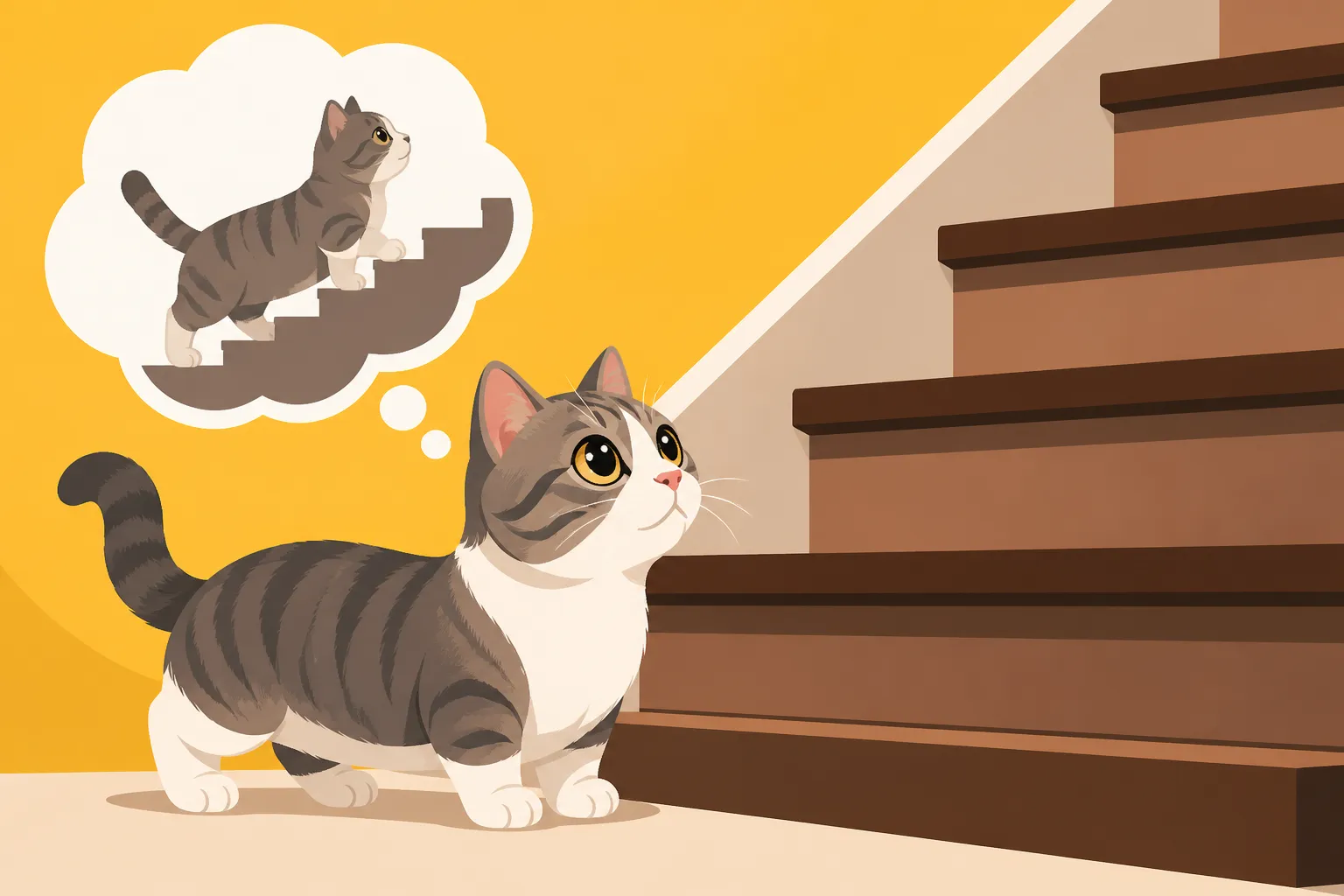
One of the biggest questions I hear from fellow Munchkin cat parents, especially those of us living in multi-story homes, is whether our adorable short-legged companions can actually handle a flight of stairs. It's a legitimate concern, and honestly, the answer isn't always a simple yes or no. You're not alone in worrying about their little legs and whether those stairs pose a daily challenge or a genuine hazard. This guide is here to walk you through the realities of Munchkins and stairs, offering insights and practical solutions to ensure your feline friend navigates your home safely and comfortably.
The Unique Challenges of Stairs for Munchkins
Let's be real: a cat with standard-length legs zipping up and down stairs is a common sight, a blur of feline athleticism. But for a Munchkin, whose defining characteristic is their significantly shorter limbs, stairs present a whole different set of physics problems. It's not just about aesthetics; it's about biomechanics and the very real strain placed on their unique anatomy.
Why Their Short Legs Are a Hurdle
Imagine trying to climb a ladder with much shorter arms and legs than usual. That's a bit like what a Munchkin experiences on a full flight of stairs. Their compact legs mean they have less leverage and reach to propel themselves upwards from one step to the next. A normal cat can take a step or two in one fluid motion, often bounding. A Munchkin, however, has to exert significantly more effort for each individual step. They might need to stretch their body out, almost dragging themselves up, or take multiple smaller, more strenuous hops. This isn't just inefficient; it can be quite physically demanding. They can't rely on the powerful spring of longer hind legs or the easy reach of long forelegs to scale heights, which means stair climbing becomes less of a graceful ascent and more of a laborious scramble.
The Downhill Dilemma: Coming Down is Harder
While going up can be a struggle, many owners find that coming down stairs poses an even greater challenge and risk for Munchkins. Think about it: gravity is working against them, and they don't have the long legs to absorb the impact gracefully. Instead of a controlled descent, you might see them doing a series of hurried, uncontrolled plops, or even sliding down on their haunches, using their short front legs almost as brakes. Each "landing" can send a jolt through their front joints and, more critically, their spine. The sheer force of repeated impact, especially if they lose their footing or misjudge a step, can be quite jarring. This is where the risk of injury truly increases, as those front legs and shoulders take the brunt of the descent. It’s a bit like trying to run down a steep hill on short stilts – stability and impact absorption become major issues. The general consensus among many who care for these cats is that Coming Down Is Harder Than Going Up for a Munchkin.
Risk of Injury and Strain
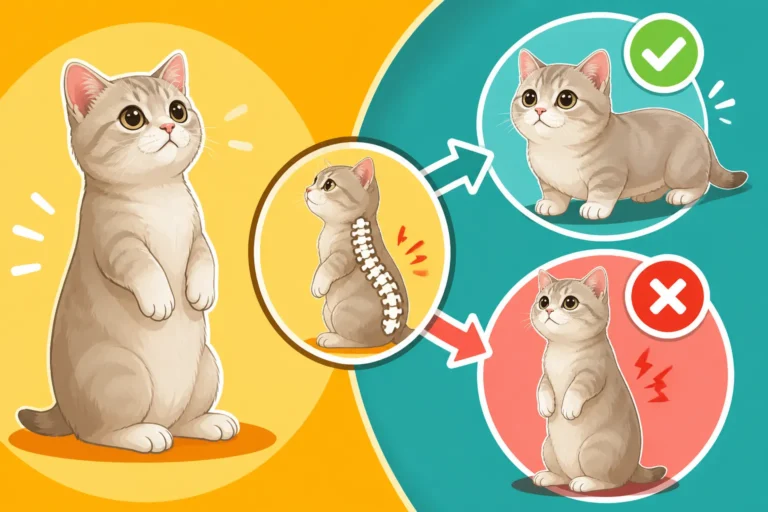
The repetitive stress of navigating stairs, particularly if they are not designed with a Munchkin's limitations in mind, can contribute to long-term health issues. Their unique spinal structure means that their spine carries a different load than a cat with standard leg length. Repeated impacts and twisting motions from climbing or descending stairs can put undue pressure on intervertebral discs and the small joints of the spine. While Munchkins are generally active and surprisingly agile on the flat, their skeletal system isn't built for frequent high-impact activities like jumping down from heights or scrambling up and down stairs. This constant strain can exacerbate or accelerate conditions like osteoarthritis in their shoulders, elbows, and hips, which naturally bear more weight in a short-legged cat. Over time, you might start to see subtle signs of discomfort or a reluctance to engage in activities they once enjoyed, all stemming from that persistent, low-level stress on their bodies. It's crucial to understand Why a Munchkin's Spine Carries a Load a Normal Cat's Does Not.
Assessing Your Munchkin's Stair-Climbing Ability
Just like people, every Munchkin is an individual with their own level of agility, leg length variation, and overall athleticism. What one Munchkin manages with relative ease, another might find incredibly difficult or even impossible. It’s essential to observe your own cat closely and not assume that all Munchkins are alike when it comes to tackling vertical challenges.
Individual Variation Matters
You might have a Munchkin that's a "rug hugger" with incredibly short legs, almost crawling on its belly, or one with legs on the longer side of the acceptable breed standard. Naturally, the latter will have an easier time with stairs than the former. Age also plays a huge role. A young, energetic Munchkin kitten might fearless try to conquer Mount Staircase, using sheer will and youthful flexibility. However, as they age, flexibility decreases, and any pre-existing joint issues might make stair climbing a painful ordeal. Their weight can also be a factor; an overweight Munchkin will undoubtedly find it much harder and more damaging to climb stairs than a lean, fit one. You can't just generalize; you need to look at your cat.
Observing Their Attempts
When your Munchkin encounters stairs, pay close attention to their technique and body language. Do they approach with confidence, making quick, albeit small, hops up each step? Or do they hesitate, perhaps sitting at the bottom and looking up with a look that says "Do I have to?" Watch how they move their body. Do they use a lot of shoulder power, almost pulling themselves up? Or do they twist their spine significantly to get purchase on each step? When coming down, are they able to control their descent, placing each paw deliberately, or do they slide and tumble, relying on instinct rather than coordination? If you see signs of excessive effort, uncoordinated movements, or a general lack of grace, it’s a strong indicator that the stairs are more of a struggle than a healthy form of exercise. A good video recording of their attempts, especially from different angles, can be very insightful to show your vet later if you have concerns.
Signs of Strain or Discomfort
Your Munchkin might not verbalize their pain, but they'll show it through changes in behavior. If you notice they're becoming more reluctant to use the stairs, or if they start vocalizing (meowing, hissing) during or after using them, these are huge red flags. Other signs of discomfort or strain could include limping, stiffness in their gait, or an unusual posture when resting. They might start favoring certain limbs, or you might see a change in their personality, becoming less playful or more withdrawn if they're in constant pain. Keep an eye out for changes in their grooming habits, too; if they're struggling to reach certain parts of their body due to stiffness, it could be a sign of joint discomfort. If you suspect any of these, a vet visit is absolutely in order to check for issues like early arthritis or spinal problems. Keep in mind that At What Age a Munchkin Starts to Stiffen can vary, so vigilance is key.
Strategies for a Stair-Safe Home Environment
Given the challenges, creating a home environment that either mitigates the need for stair climbing or makes it safer is paramount for a Munchkin's long-term health and happiness. You wouldn't expect a toddler to navigate a steep staircase without assistance, and in many ways, we need to think similarly about our short-legged feline friends.
Ramps and Steps: The Ultimate Solution
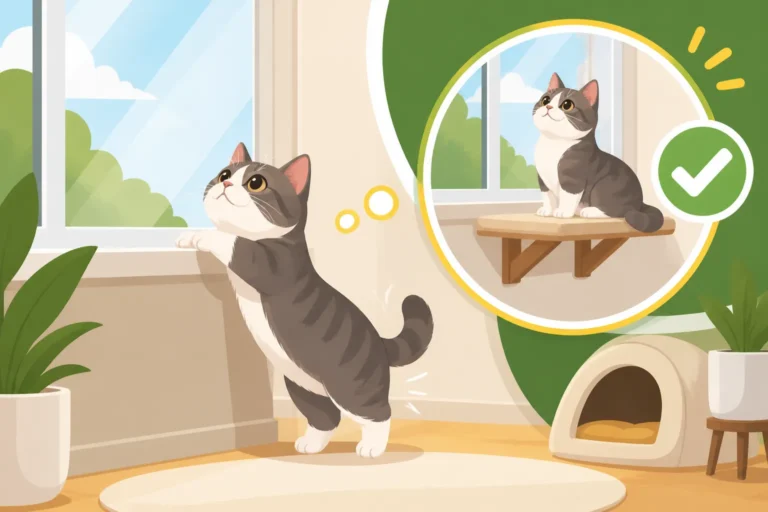
The most effective and humane way to help your Munchkin navigate vertical levels is to install ramps or specialized pet steps. These are game-changers! Ramps provide a gentle incline that eliminates the need for jumping or strenuous climbing, distributing their weight more evenly and reducing impact on their joints and spine. When choosing a ramp, look for one with a gentle slope and a non-slip surface. Carpeted ramps or those with a good grip are ideal. For steps, make sure they are wide enough for comfortable paw placement and have a very low rise between each step, essentially creating a gradual staircase. You can find excellent options on Amazon or specialized pet stores, offering various styles and materials to match your home decor. Ramps and Steps Are Munchkin Equipment, Not Luxuries, and they can truly transform your Munchkin's accessibility and quality of life. Teaching them to use these can take a little patience, often involving positive reinforcement and tasty treats, but it's well worth the effort. Consider reading How to Teach a Munchkin to Use Steps for detailed guidance.
| Solution Type | Pros | Cons | Ideal Use Case |
|---|---|---|---|
| Full Ramps | Gentle incline, low impact, suitable for all ages. | Can be bulky, may take up significant space. | Main staircases, access to high furniture. |
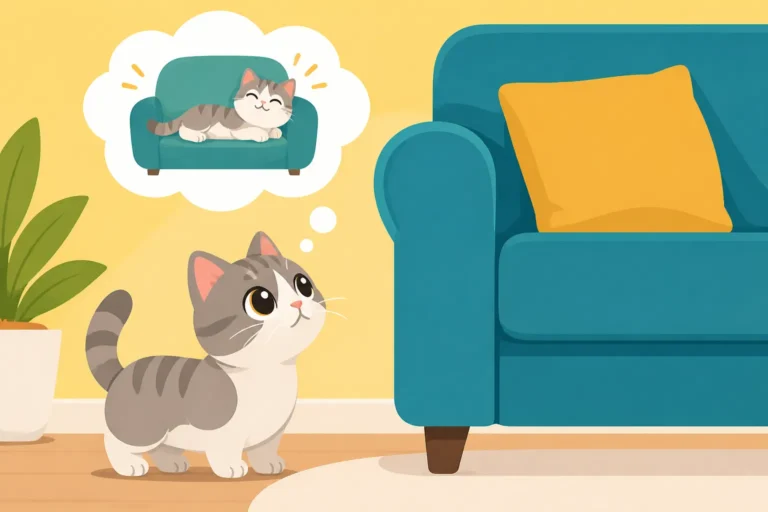
| Pet Steps/Stairs | Less bulky than ramps, easier to incorporate into decor. | Still requires some lifting/jumping, step height is critical. | Sofas, beds, smaller elevation changes. |
| Baby Gates | Prevents access entirely, relatively inexpensive. | Blocks human access, can feel restrictive for the cat. | Preventing access to unsafe areas (e.g., steep basement stairs). |
| Strategic Furniture | Creates "staircases" from existing items. | Can look cluttered, not always stable, might still involve jumps. | Temporary solutions, specific access points like a window perch. |
Limiting Access When Necessary
Sometimes, installing ramps or steps on every single staircase in your home just isn't feasible, whether due to space constraints, aesthetic preferences, or the sheer number of stairs. In these situations, limiting your Munchkin's access to certain areas becomes a crucial strategy. Pet gates, similar to baby gates, can be incredibly effective. Install them at the top and bottom of staircases that pose too much of a challenge. This isn't about punishment; it's about protecting them from potential injury. If you have a multi-story home, you might need to carry your Munchkin up and down certain flights of stairs, or ensure they have all their necessities (food, water, litter box, sleeping area) on the level where they spend most of their time. It's a trade-off between convenience and safety, and safety should always come first.
Creating a Single-Level "Munchkin Zone"
For homes with multiple floors, a highly effective strategy is to designate a "Munchkin Zone" on a single, accessible level. This means ensuring that everything your cat needs for a comfortable and fulfilling life is readily available on that one floor. This includes their food and water bowls (ideally raised slightly to ease strain on their neck and shoulders), a cozy bed, litter boxes with low entry points, and plenty of floor-level toys and enrichment opportunities. By concentrating their daily life on one floor, you drastically reduce their need to navigate stairs. This can be especially beneficial if you work long hours or travel, as it ensures they can access all their resources without potentially risking a stair-related mishap. This approach means that Making One Room Reachable for a Munchkin All Day is less about confinement and more about creating an optimally safe and comfortable habitat. You can still supervise their adventures on other levels when you're home, but their core needs are always met safely.
Long-Term Health Considerations and Prevention
The choices we make regarding our Munchkin's environment directly impact their health as they age. While they might seem indestructible in their youth, the cumulative effect of stress on their unique bodies can manifest in significant ways later in life. Thinking proactively about their mobility is one of the kindest things we can do as their guardians.
The Impact of Repeated Stress
Repeated stress from things like jumping up and down furniture or struggling with stairs inevitably takes a toll on a Munchkin's joints and spine. Unlike long-legged cats who can distribute impact more effectively, a Munchkin's shorter limbs mean that forces are concentrated over a smaller area and often directly impact their spine and shoulders. Over years, this can lead to or accelerate conditions such as osteoarthritis, which causes pain, stiffness, and reduced mobility. You might notice your once-playful cat becoming less active, hesitating before jumping even small distances, or showing signs of pain when handled. Preventing this chronic stress from an early age by providing ramps and minimizing high-impact activities is crucial for preserving their joint health and ensuring they remain comfortable and mobile well into their senior years. Remember, Why a Munchkin's Shoulders Wear First is directly related to how they move and land.
Maintaining a Healthy Weight
Weight control is not just about aesthetics for a Munchkin; it's a critical component of their overall health plan, especially concerning their joints and spine. Every extra gram of weight places additional strain on their already uniquely loaded skeletal system. Imagine carrying a backpack filled with bricks all day, every day – that's what even a few extra pounds can feel like to a Munchkin. An overweight Munchkin will find navigating stairs, jumping, and even just walking far more difficult and painful. The added weight exaggerates any biomechanical disadvantages they already have, increasing the risk of joint degeneration, spinal issues, and other health problems. A lean, healthy weight helps to minimize the stress on their short legs and spine, making movement easier and reducing the likelihood of pain. This is why understanding Why Weight Is More Dangerous on a Munchkin is so important for their daily care and longevity.
Regular Vet Checks and Proactive Care
Regular veterinary check-ups are always important for any pet, but they take on an added significance for Munchkins. Your vet can monitor their gait, check for signs of joint stiffness or pain, and recommend appropriate preventative measures or interventions. Don't wait until your Munchkin is visibly struggling before seeking professional advice. Discuss their mobility, any changes you've observed, and your home environment during routine visits. Your vet can also guide you on suitable joint supplements (like glucosamine and chondroitin, often available from Amazon and pet suppliers) or dietary changes that might support their joint health. As they age, asking your vet about diagnostic imaging like X-rays can help identify any underlying spinal or joint issues early, allowing for timely management and pain relief. Proactive care, combined with an adapted home, is the best gift you can give your Munchkin for a long, comfortable, and active life. Regular check-ups are part of How Often a Healthy Adult Munchkin Needs Checking and become even more vital as they approach the age where What an Old Munchkin Stops Being Able to Do becomes a concern.
Disclaimer
This article is for general informational purposes only and does not constitute professional advice. Laws, prices and regulations vary by location and change over time. Consult a qualified professional for guidance on your specific situation.