How Long a Munchkin Copes With Everything at Floor Level
Many Munchkin cat owners find themselves wondering just how long their adorable, short-legged companions can truly thrive in a world designed for their longer-limbed feline cousins. It’s a valid concern, because while a Munchkin might appear to adapt with remarkable agility, their unique physique presents ongoing challenges that require thoughtful consideration and proactive care. This comprehensive guide will explore the realities of a Munchkin's floor-level existence, from their inherent physical limitations to the practical modifications and enrichment strategies needed to ensure a fulfilling, happy life right there on the ground.
Understanding the Munchkin's Floor-Level World
Bringing a Munchkin into your home means embracing a unique perspective on cat ownership. These aren't just regular cats with short legs; they're cats whose entire physical interaction with their environment is fundamentally different. It's easy to be charmed by their playful scampers and endearing "prairie dog" sits, but underneath that cuteness lies a cat navigating a world of constant physical challenges.
The Inherent Limitations of Short Legs
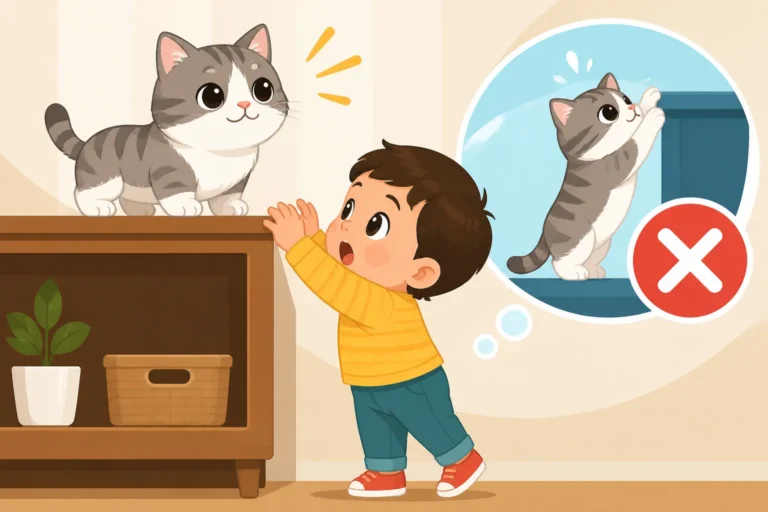
Let's be real, the most striking feature of a Munchkin is, of course, their short legs. This isn't just a cosmetic trait; it's a skeletal variation that impacts almost every aspect of their mobility. While they are incredibly agile on flat surfaces and can dart around corners with surprising speed due to their low center of gravity, vertical movement is a whole different ball game. They can't launch themselves onto high shelves or scale tall cat trees with the same ease as a regular cat.
Think about the sheer amount of energy a Munchkin expends just trying to get onto a sofa or a low bed. What might be a single, effortless leap for a domestic shorthair becomes a carefully calculated, often repeated, attempt for a Munchkin. Many people are surprised to learn How High a Munchkin Can Actually Jump, and it's often far less than they expect. This isn't a sign of weakness; it's simply a physical reality. This constant effort, over years, puts different kinds of strain on their joints and spine, which is something every Munchkin owner needs to be acutely aware of. It's not about them being lazy or unwilling; it's about physics and physiology.
The Natural Instincts of a Ground Dweller
Despite their physical differences, Munchkins are, at heart, still cats. They retain all those classic feline instincts: hunting, exploring, perching, and observing their territory. The challenge is how they express these instincts when vertical access is limited. Instead of scaling curtains or leaping onto tall refrigerators, a Munchkin’s exploration is much more horizontally focused. They become master navigators of under-furniture spaces, finding hidden nooks and crannies that a taller cat might overlook.
Their play often involves chasing toys along the floor, weaving through chair legs, and engaging in energetic wrestling matches with their siblings or human companions at ground level. This ground-level focus can make them incredibly engaging companions, as they are often right there at your feet, involved in the action. However, it also means that their environment needs to cater to these ground-dwelling instincts. A tall, multi-level cat tree might look impressive, but without accessible ramps or steps, it becomes an inaccessible monument rather than a functional piece of enrichment for your little low-rider.
Psychological Impact of Height Restrictions
It’s easy to humanize our pets and wonder if a Munchkin feels "left out" because they can't reach the top of the bookshelf. While we can’t know exactly what they feel, it's safe to say that a cat's sense of security and control is often tied to its ability to observe its surroundings from a vantage point. Being able to escape to a high spot provides safety from perceived threats (like a boisterous dog or an overenthusiastic child) and allows them to survey their domain.
When these escape routes are limited, a Munchkin might experience a different kind of psychological pressure. They might feel more vulnerable, or less in control of their environment, especially if they live in a multi-pet household or with young children. This isn't to say they are constantly stressed, but it underscores the importance of creating safe, accessible high spots that they can reach. Even a low, carpeted ramp leading to a sunny windowsill can make a world of difference to their sense of well-being, providing that much-needed elevation and a feeling of security. They thrive when they have choices, even if those choices are within a more limited vertical range.
The Practicalities of a Floor-Bound Life
Living with a Munchkin isn't about changing who they are; it's about changing how you view and arrange your home. You're not asking them to adapt to your high-rise lifestyle; you're bringing your lifestyle down to their level, quite literally. This takes a conscious effort, but it's essential for their comfort, safety, and long-term health.
Navigating the Home Environment
A Munchkin’s daily life is a continuous exercise in navigation. Every piece of furniture, every doorway, every type of flooring presents a unique challenge or opportunity. They're constantly assessing gaps, heights, and surfaces. Hard, slippery floors like laminate or tile can be tricky for them, as they don't offer the necessary grip for their short legs to push off or land safely. This can lead to slips and falls, which aren't just uncomfortable but can put undue stress on their joints and spine. Rugs and carpet runners become their highways, providing traction and confidence as they zip through the house.
Consider also the obstacles that a normal cat would simply step over. A pile of laundry, a discarded toy, or even a thicker rug edge can become a minor mountain range for a Munchkin. Owners often realize they need to be more diligent about keeping pathways clear. And stairs? Oh, stairs are a significant consideration. While some Munchkins can manage stairs, especially going up, coming down can be harder and riskier, putting a jarring impact on their front legs and shoulders. For these reasons, many owners living in multi-story homes invest heavily in creating accessible pathways. You'll soon discover that With a Munchkin the House Changes, Not the Cat.
Essential Floor-Level Accommodations
Adapting your home starts with the basics: where they eat, sleep, and do their business. For a Munchkin, standard cat equipment often just doesn't cut it. For example, food and water bowls that are elevated slightly are a huge benefit. A regular bowl on the floor forces them to crouch low, straining their neck and shoulders, especially as they get older. A slightly raised bowl means they can eat and drink more comfortably, reducing the strain over time. You might find great options for these on sites like Amazon.
Litter boxes are another critical area. Many standard litter boxes have high sides, which can be a real struggle for a Munchkin to get in and out of comfortably, particularly Why a Munchkin's Belly Nearly Touches the Floor. Imagine having to climb over a wall every time you need to use the restroom! This can lead to accidents outside the box or, worse, them holding it in, which can cause health issues. Investing in Which Litter Box a Munchkin Can Actually Enter – typically a senior cat litter box with a low entry point – is a non-negotiable part of Munchkin ownership. And of course, their beds and resting spots should be easily accessible, either directly on the floor or with ramps/steps to low furniture. Ramps and Steps Are Munchkin Equipment, Not Luxuries for these little ones.
Grooming Challenges for a Low-Rider
Grooming might not seem like a floor-level issue, but for a Munchkin, it absolutely is. Cats are fastidious creatures, meticulously cleaning every inch of themselves. But with their shortened legs and stocky build, Munchkins often struggle to reach certain areas, particularly their hindquarters and underneath their belly. This isn't just about aesthetics; neglected fur can quickly lead to mats, skin irritation, and even infections.
Long-haired Munchkins are particularly susceptible to matting around their rear end, where their fur can pick up litter or fecal matter. This means you, as their dedicated human, become an integral part of their grooming routine. Regular brushing, especially of their underside and hindquarters, is essential. Sometimes, a "sanitary clip" by a professional groomer is necessary to prevent persistent issues. It’s a bit of a commitment, but it’s a necessary one to keep them healthy and comfortable. You’ll quickly learn the importance of Grooming the Half of a Munchkin It Cannot Reach.
Mental & Physical Enrichment at Ground Level
Just because a Munchkin can't scale Mount Everest doesn't mean they don't deserve a rich, stimulating environment. Their intelligence and curiosity are no different from any other cat, and providing appropriate enrichment is key to their happiness and preventing boredom or destructive behaviors.
Tailoring Play for Short Legs
Playtime for a Munchkin needs to be thought about differently. While they might bat at a dangly toy for a moment, the true joy for them comes from games that engage them at their level. Think wand toys that sweep across the floor, laser pointers they can chase, and small, lightweight balls or crinkle toys they can bat around. They love to pounce and stalk, using their low profile to their advantage. Interactive puzzle feeders, especially those designed for ground-level engagement, are fantastic for mental stimulation, making them "work" for their treats or kibble. You can find a wide variety of engaging toys on Amazon that cater to their play style.
Encourage games that involve short bursts of speed and quick changes in direction, which play to their strengths. Setting up a "cat circuit" of low tunnels, crumpled paper, and small toys can provide hours of entertainment. Remember, the goal isn't to force them into activities that strain their bodies, but to lean into what they naturally enjoy and can do safely. How Much Floor Level Play a Munchkin Needs is often more than you'd expect, as it's their primary mode of exercise.
Creating Accessible Exploration Zones
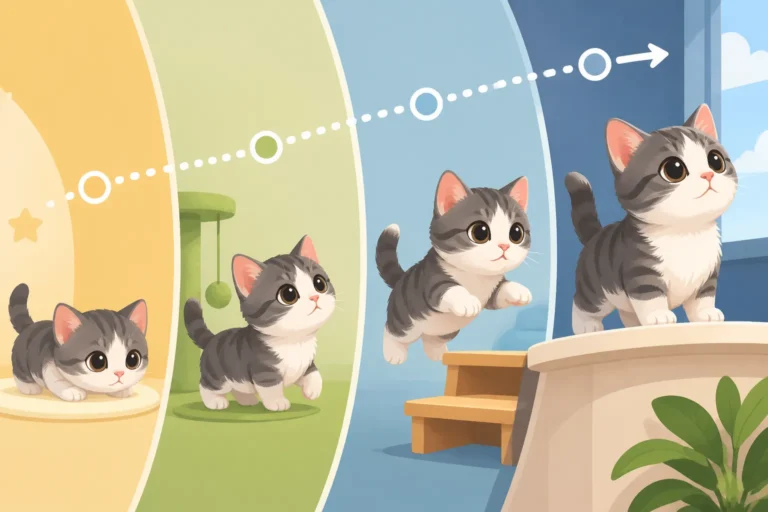
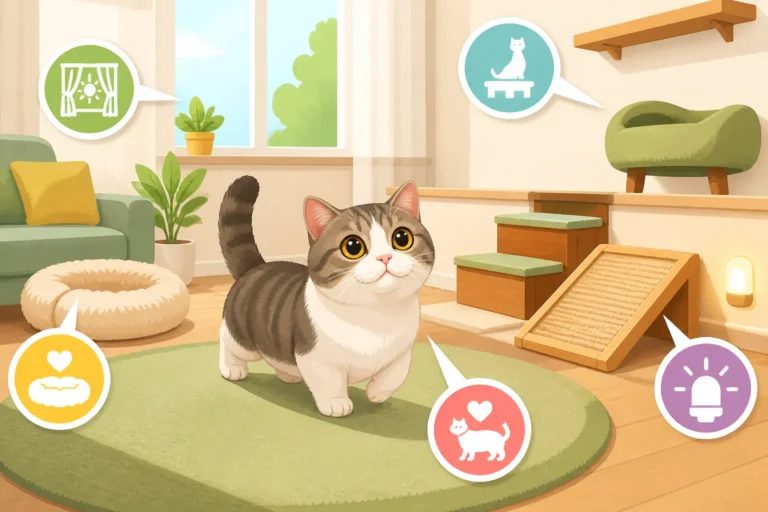
A Munchkin's world might be horizontal, but it shouldn't be boring. Creating accessible exploration zones allows them to satisfy their natural curiosity safely. This means thoughtful placement of low cat trees with ramps, sturdy pet steps leading to favored windowsills or sofa perches, and cozy hideaways under low tables or in accessible cubbies. A carefully placed ottoman can become a stepping stone to a window perch, allowing them to enjoy bird-watching without a risky leap.
Consider investing in or building a "catio" that is specifically designed for a Munchkin. Instead of vertical climbing structures, focus on horizontal platforms, tunnels, and secure ground-level areas where they can safely enjoy the outdoors. Even indoors, How to Rearrange a Room So a Munchkin Can Climb involves thinking about what furniture can double as a step or a low platform. Every effort to make their environment navigable and interesting from their unique perspective contributes massively to their overall well-being.
Social Interaction and Companionship
Munchkins are generally very social cats and thrive on interaction with their human families and, often, other pets. Because they can't always jump up for attention, they develop different ways of communicating their desires. They might rub against your legs more often, chirp or trill, or even stand on their hind legs in their famous "prairie dog" pose to get a better look at what you're doing. These are endearing traits, but they also highlight their reliance on you for interaction and access to higher places.
Introducing another cat or a well-behaved, cat-friendly dog to a Munchkin household requires careful supervision, especially initially. A Munchkin cannot easily escape a persistent playmate by jumping to a high perch. This means ensuring they have plenty of safe, low-level retreats where they can feel secure and get away if needed. Gentle, supervised play and plenty of individual attention will ensure your Munchkin feels loved and integrated into the family, even if their interactions are mostly at knee height.
When Floor-Level Isn't Enough: Seeking Assistance
While Munchkins are incredibly resilient and adaptable, there are times when their floor-level existence presents challenges that require more than just home modifications. Recognizing these signs early is crucial for their long-term health and happiness.
Recognizing Signs of Frustration or Stress
A Munchkin who is struggling with their environment might start to exhibit behavioral changes. This could manifest as increased vocalization, inappropriate urination or defecation (especially if their litter box isn't easily accessible), withdrawal, or even aggression if they feel cornered or unable to escape a situation. They might stop using ramps or steps they once mastered, or become noticeably less active and playful. If you notice your Munchkin repeatedly attempting a jump they can't make and then giving up with a frustrated meow, it's a clear sign their environment isn't fully supporting them.
Sometimes, it’s not just about reaching. Cats communicate discomfort in subtle ways. Excessive licking, changes in appetite, or becoming more withdrawn could all be indicators of underlying stress or pain related to their physical limitations. It's important to differentiate between typical Munchkin behavior and signs that something might be genuinely wrong or causing them undue distress.
Health Concerns Aggravated by Limited Mobility
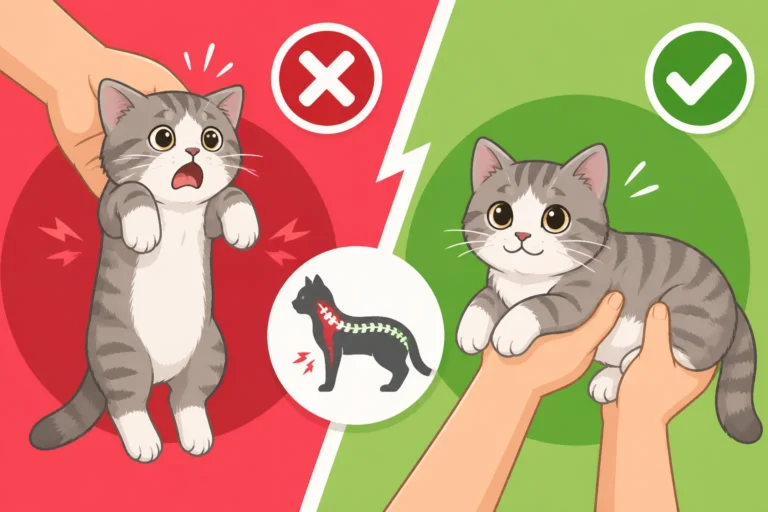
The primary health concerns for Munchkins are often related to their spine and joints, particularly in their legs and shoulders. Their unique conformation means their spine can carry a different load than a long-legged cat's, and the constant repetitive motions of jumping up and down (even short distances) can lead to premature wear and tear. Conditions like osteoarthritis can manifest earlier and be more pronounced. Whether a Munchkin Gets Arthritis Earlier is a common concern among owners and veterinarians alike.
Another significant issue is weight management. Why Weight Is More Dangerous on a Munchkin cannot be overstated. Every extra pound places exponentially more strain on their already challenged joints and spine. An overweight Munchkin is at a much higher risk for pain, reduced mobility, and associated health issues. This makes Why Weight Control Is the Whole Munchkin Care Plan a foundational pillar of their care. Regular vet check-ups are essential to monitor their joint health and ensure they maintain an ideal body condition.
Professional Help and Support Systems
Don't hesitate to seek professional help if you suspect your Munchkin is struggling. A veterinarian experienced with Munchkins can offer invaluable advice on pain management, joint supplements (such as Which Joint Supplements Suit a Munchkin), and mobility aids. They can assess your cat's gait and posture to identify any early signs of discomfort. In some cases, physiotherapy or hydrotherapy might be recommended to strengthen muscles and improve flexibility, particularly for older cats.
A professional groomer can also be a lifesaver, especially for long-haired Munchkins who struggle with self-grooming. They can perform sanitary clips and dematting safely and efficiently, preventing painful skin issues. Think of your vet and groomer as crucial members of your Munchkin's support team, helping you ensure they live their best, most comfortable life.
Long-Term Considerations for a Floor-Centric Life
A Munchkin's lifespan can be comparable to other domestic cats, often The Twelve to Fifteen Years a Munchkin Usually Gets. This means thinking about their needs not just for today, but for a lifetime. Their physical capabilities will naturally change as they age, and your care plan will need to evolve with them.
Adapting to Aging and Reduced Mobility
As a Munchkin approaches its senior years, typically around eight to ten years old, you might notice subtle shifts in their behavior and mobility. How a Munchkin's Behavior Changes After Eight often includes less jumping, slower movements, and an increased preference for resting in easily accessible, comfortable spots. Arthritis, which might have been silently developing for years, can become more apparent. They might hesitate before using their ramps or steps, or find climbing onto a low sofa more challenging.
At this stage, their need for easily accessible resources becomes even more critical. Lowering food and water bowls further, ensuring extra-soft bedding in multiple locations, and even providing more ramps to previously manageable heights can make a huge difference. Their comfort should become your paramount concern, anticipating their needs before they become overtly distressed. This might also be the time to discuss pain management options with your vet to ensure their golden years are as comfortable as possible.
Ongoing Home Modifications
The "floor-level everything" philosophy isn't a one-time setup; it's an ongoing process. As your Munchkin ages, ramps that once seemed perfectly fine might become too steep, or a two-step ascent might become a one-step maximum. You might need to add more non-slip rugs, introduce pet stairs with shallower risers, or even rearrange furniture to create a continuous, gentle pathway to their favorite window perch.
Consider how their world will look if they develop vision or hearing loss, which can happen in senior cats. Maintaining consistent pathways and familiar layouts becomes even more important. You might find yourself on Amazon again, looking for new types of orthopedic beds or even heated pads for their aching joints. It’s an investment in their comfort and well-being, acknowledging that their needs will shift over their long life.
Maintaining Quality of Life
Ultimately, the goal is to provide your Munchkin with the highest possible quality of life, allowing them to express their natural behaviors and enjoy their days free from undue pain or frustration. This means being vigilant about their weight, ensuring they get appropriate exercise, providing mental stimulation, and being proactive about veterinary care.
It also means fostering their unique personality. Munchkins are often described as intelligent, playful, and affectionate. Embrace these traits and encourage them through tailored enrichment and plenty of loving interaction. Their inability to reach the highest shelf doesn't diminish their capacity for joy or their deep bond with their human companions. By thoughtfully adapting your home and understanding their unique needs, you can ensure your Munchkin thrives at floor level, enjoying a full and happy life for many years.
Disclaimer
This article is for general informational purposes only and does not constitute professional advice. Laws, prices and regulations vary by location and change over time. Consult a qualified professional for guidance on your specific situation.