What Height a Munchkin’s Ramp Should Reach
It's a common challenge for Munchkin cat owners: you want your little companion to enjoy all the comforts of home, but their unique short stature makes accessing beloved spots like the sofa or bed a real struggle. Repeated jumping can put undue stress on their precious spines and joints, leading to worries about their long-term health. This guide will help you understand how to choose and implement ramps, ensuring your Munchkin can safely and comfortably reach their favorite elevated places without unnecessary strain.
Understanding Your Munchkin's Mobility Limits
Living with a Munchkin cat means learning to see the world from a different perspective – about four inches off the ground, to be precise. While their spirit is as boundless as any cat, their physical capabilities are distinct, particularly when it comes to vertical movement. Ignoring these differences can inadvertently lead to discomfort or even injury over time.
Why Standard Furniture is a Challenge
Imagine wanting to curl up on your favorite armchair, but it feels like a mountain. That's often the reality for a Munchkin. Their signature short legs, a result of a genetic mutation known as pseudoachondroplasia, mean that the leverage and explosive power needed for high jumps simply aren't there. A normal-legged cat might effortlessly spring onto a kitchen counter or a tall bookshelf, but for a Munchkin, even a standard sofa or bed can present a significant hurdle. They might attempt it, launching themselves with surprising determination, but the effort is considerable, and the landing can be jarring. This isn't laziness; it's a physical limitation that calls for thoughtful accommodation. Why a Munchkin's Legs Are Short but Its Body Is Not explores this in more detail.
When a Munchkin does jump, they often rely more on their body momentum and front leg strength, rather than the powerful hind leg spring of a typical cat. This means their front shoulders and elbows take a greater impact upon landing, especially when they misjudge a jump or decide to leap from a height. Over years, this repetitive stress can contribute to wear and tear, potentially leading to discomfort or mobility issues that might have been mitigated with proper assistance. It’s not just about getting up, but also about the cumulative effect of constant exertion and landings.
The Importance of Safe Ascent and Descent
The real issue isn't just getting up to a spot, but also getting down safely. A Munchkin might be able to scramble onto a low chair, but jumping off repeatedly from even a modest height can put a lot of strain on their spine and developing joints. Think of it like a human repeatedly jumping off a table onto hard ground; eventually, something's going to ache. For a Munchkin, whose spine already carries a unique load due to their conformation, every hard landing is a micro-trauma.
Providing ramps or steps offers a gradual incline or a series of manageable platforms, distributing their weight evenly and significantly reducing the impact on their delicate structure. This preventative approach is crucial for their long-term well-being. By making ascent and descent effortless, you're not just making their life more convenient, but actively preserving their joint health and helping them Caring for an Old Munchkin That Has Stopped Climbing more gracefully when they become seniors. Without these aids, they might try to jump anyway, potentially leading to falls, twists, or even exacerbating conditions like lordosis if present.
Determining the Ideal Ramp Height and Angle
Finding the perfect ramp isn't just about grabbing the first one you see. It requires a bit of measurement and observation, thinking about your specific furniture and, most importantly, your individual cat's capabilities and preferences. Every home and every Munchkin is a little different, so a one-size-fits-all approach rarely works best.
Matching Ramp Height to Furniture and Cat Ability
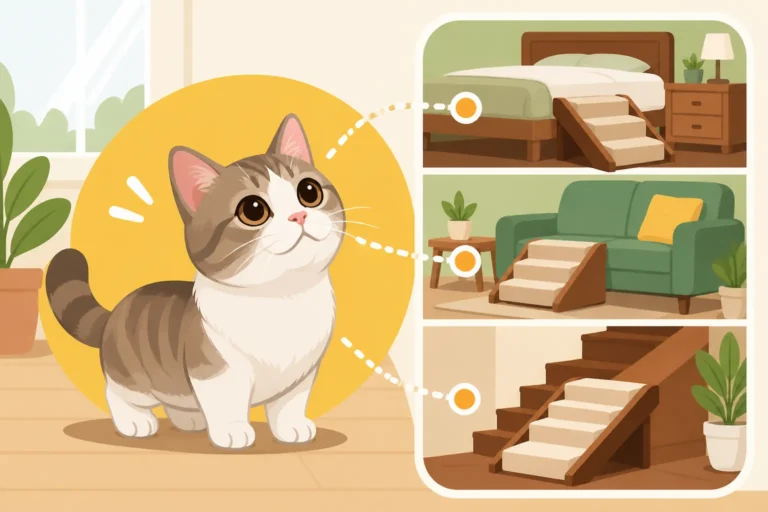
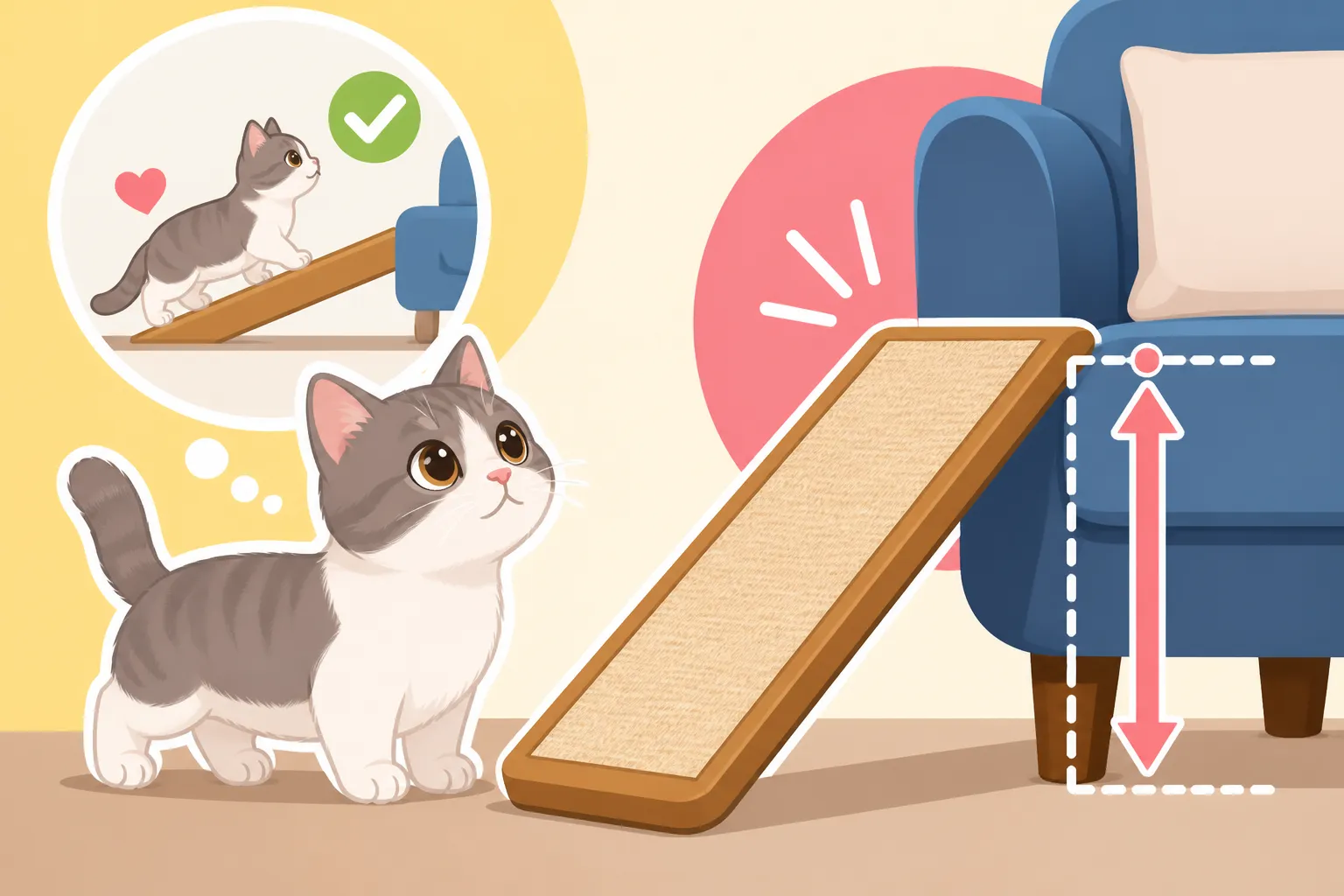
The primary goal of a ramp is to provide a seamless transition from the floor to your cat's desired elevated spot. This means the ramp's height, at its highest point, must match the height of the furniture it's intended to reach, whether that's your bed, sofa, or a favorite windowsill perch. You'll need a measuring tape for this! Measure from the floor directly up to the top surface of the furniture. This gives you the maximum height the ramp needs to achieve.
However, it's not just about the end height. You also need to consider your cat's comfort. Some Munchkins, particularly those with very short legs or any underlying joint sensitivity, might struggle with even slightly steeper inclines. Observe your cat's current climbing habits. Do they hesitate before trying to jump onto the sofa? Do they manage only with a big effort? If so, you might want to consider a ramp that extends further out, making the incline gentler, even if it means it takes up more floor space. How Many Steps a Munchkin Needs to Reach a Bed is another consideration, as steps can sometimes be more appealing than a long ramp.
The Crucial Role of Ramp Angle
While the height of the ramp ensures it reaches the desired spot, the angle is perhaps even more critical for your Munchkin's comfort and safety. A ramp that is too steep will be difficult, if not impossible, for them to use, and they'll likely revert to jumping or avoid the area altogether. Think about walking up a very steep hill versus a gentle slope; the latter is far less taxing on your body. The same applies to your Munchkin.
Generally, for a Munchkin, a gentle incline is always preferred. Experts often recommend an angle of no more than 20-25 degrees. Any steeper than this can put excessive strain on their short legs and spine, making them feel unsteady or forcing them to contort their body in uncomfortable ways to gain purchase. A longer ramp will naturally result in a shallower angle for the same vertical height. For example, to reach a 24-inch high sofa, a 48-inch long ramp would give you a much gentler slope than a 24-inch long ramp. When considering different ramps, don't just look at their overall length, but specifically at their angle when in place. Why a Munchkin Refuses a Steep Ramp often comes down to this very point.
Here's a simple comparison of ramp angles and their usability for Munchkins:
| Target Height | Desired Angle (Max) | Minimum Ramp Length | Usability for Munchkin |
|---|---|---|---|
| 12 inches | 20 degrees | 35 inches | Very good, easy ascent |
| 18 inches | 20 degrees | 52 inches | Good, gentle slope |
| 24 inches | 20 degrees | 70 inches | Acceptable, but long |
| 12 inches | 30 degrees | 24 inches | Challenging, steep |
| 18 inches | 30 degrees | 36 inches | Likely avoided |
| 24 inches | 30 degrees | 48 inches | Unsafe, very steep |
(Note: These are approximations for demonstration. Actual angles can vary slightly based on ramp design.)
Practical Tips for Choosing and Implementing Ramps
Once you've got a handle on the ideal height and angle, it's time to choose and set up the actual ramps. There are many options available, from ready-made pet ramps to DIY solutions, and each comes with its own set of considerations. Getting it right ensures your Munchkin actually uses and benefits from the ramp.
Assessing Commercial vs. DIY Ramps
When it comes to providing ramps, you essentially have two main routes: purchasing ready-made options or building your own. Each has its advantages. Commercial pet ramps, available at retailers like Chewy or Amazon, come in various sizes, materials, and designs. They are often foldable, adjustable in height, and designed with pet safety in mind, featuring non-slip surfaces and sturdy construction. The convenience factor is huge – you can often set them up right out of the box. However, they might not always perfectly fit every piece of furniture in your home, and sometimes the standard angles might still be a tad steep for a particularly cautious or less agile Munchkin.
On the other hand, a DIY ramp gives you complete control over the dimensions, angle, and materials. You can custom-build a ramp to perfectly match the height of your bed, extend it to create the gentlest possible slope, and even integrate it into your existing decor. This can be a great option if you have specific aesthetic preferences or unusual furniture heights. However, it requires some carpentry skills, tools, and time, and you need to ensure the materials are safe, durable, and that the finished product is stable and non-slip. Whether you buy or build, the goal is always a safe, accessible, and inviting pathway for your furry friend. How to Set Up Ramps Around a Munchkin's House can guide your overall layout.
Placement and Training for Success
Having a ramp is one thing; getting your Munchkin to actually use it is another. Placement is key. A ramp needs to be positioned directly against the furniture it serves, creating a clear, unobstructed path. It should be stable and not wobble, as any instability will deter your cat. If it slides on a polished floor, consider placing a non-slip mat underneath it. Position ramps in areas where your cat already shows an interest in getting onto furniture, like near their favorite napping spot on the sofa or the foot of your bed.
Introducing the ramp might take a little patience and positive reinforcement. Start by placing treats directly on the ramp, gradually moving them further up the incline. You can use their favorite toys to entice them up and down. Gentle praise and petting are also great motivators. Avoid forcing them onto the ramp, as this can create a negative association. Some cats take to ramps instantly, while others need a few days or even weeks to feel completely comfortable. Remember that consistency is key, and soon, navigating their home will become second nature to them. How to Teach a Munchkin to Use a Ramp offers more detailed steps for this process.
Beyond Ramps: A Holistic Approach to Vertical Access
While ramps are fantastic for specific pieces of furniture, a truly Munchkin-friendly home often requires a broader perspective on vertical access. It's about creating an environment where your short-legged friend feels secure, confident, and can explore without limitations or risks.
Integrating Steps and Other Aids
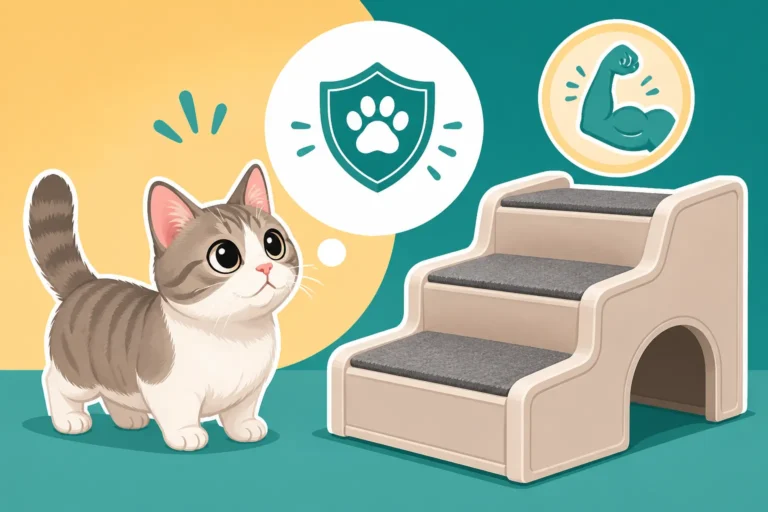
Ramps are excellent, but they aren't the only solution. For some heights or spaces, pet stairs or steps might actually work better, especially if floor space is at a premium. Pet steps often come with multiple tiers, allowing your Munchkin to climb a series of smaller, more manageable 'jumps' rather than one long incline. Ensure the steps are wide enough for comfortable footing and have a non-slip surface. Just like ramps, their height needs to align perfectly with the target furniture. Consider them for areas like a window perch or specific sections of a cat tree.
Beyond ramps and steps, think about strategically placed low furniture. A sturdy ottoman next to a sofa can act as an intermediate step. Staggered shelving units can create a 'staircase' up to a favored high spot, such as a catio window. Every effort to create accessible routes means less strain on their joints. You might even consider feeding your Munchkin a diet formulated for joint health to further support their mobility in conjunction with these physical aids.
Rethinking Your Home Layout for Your Munchkin
Ultimately, creating a truly Munchkin-friendly home is about rethinking your environment from their perspective. It's not just adding a ramp here or there, but integrating accessibility into the overall design. This might mean arranging furniture so that lower pieces lead to higher ones, creating a natural progression of climbable surfaces. For instance, a low bookcase might sit next to a taller one, allowing a Munchkin to ascend in stages to reach a sunny perch.
Consider the floor surfaces too; Which Surface a Munchkin's Ramp Should Have is vital, but so is the surrounding flooring. Non-slip rugs or runners on hard floors can provide better traction, making it easier for them to get a running start for a ramp or simply move around the house more confidently without slipping. Think about every elevated spot your cat loves or tries to reach: your bed, the sofa, a specific armchair, a sunny windowsill, even a cat tree. For each, map out the safest, easiest route. By making these thoughtful adaptations, you're not just preventing injuries, but enriching your Munchkin's life, allowing them to participate fully in household activities and enjoy every corner of their home with dignity and ease. What a Munchkin's Sofa Needs Access and Where a Munchkin Most Needs a Step are good starting points for planning.
Disclaimer
This article is for general informational purposes only and does not constitute professional advice. Laws, prices and regulations vary by location and change over time. Consult a qualified professional for guidance on your specific situation.