How Many Months a Munchkin’s Diet Should Run
One of the biggest worries for any Munchkin cat owner is ensuring their beloved, short-legged companion lives a long, comfortable life. This often brings up questions about their diet – not just what they eat, but for how long specific dietary needs apply. It’s a completely valid concern because, let’s face it, a Munchkin's unique physique means they have different vulnerabilities than a standard-legged cat. You want to know if there's a specific "dietary timeline" you should follow, or if it's more about evolving needs. This guide will walk you through the journey of a Munchkin's dietary requirements, from energetic kittenhood to dignified senior years, ensuring you understand how to best support their health every step of the way.
Understanding the Munchkin's Unique Dietary Needs from Kittenhood
Caring for a Munchkin begins with understanding that their short legs aren't just a charming quirk; they're a genetic trait that impacts their entire physiology. This means their dietary needs, particularly during development, are crucial. The goal isn't just to feed them, but to nourish them in a way that minimizes stress on their unique skeletal structure and helps prevent future problems.
The Critical Growth Period: First 12 Months
Just like any kitten, a Munchkin kitten needs a diet rich in protein, essential fatty acids, and balanced vitamins and minerals to support rapid growth. However, with Munchkins, there's a crucial caveat: we need to encourage healthy, steady growth without overfeeding. Why a Munchkin Kitten Must Not Be Overfed is a vital consideration. Rapid weight gain or excessive growth can put undue stress on their developing joints and spine, which are already carrying a different load than those of a long-legged cat. Think of it this way: their little legs are doing extra work to support their body, and adding extra weight too quickly just amplifies that strain.
During these first 12 months, your Munchkin kitten needs a high-quality kitten-specific formula. These diets are typically denser in calories and nutrients to support their developmental needs. However, unlike some breeds where you might encourage free-feeding to ensure maximum growth, with a Munchkin, portion control is often recommended from the start. Your breeder should provide a feeding schedule, but generally, small, frequent meals are best for kittens. As they grow, you'll gradually reduce the frequency and adjust the portion size to match their energy expenditure, which can be surprisingly high on the flat! It’s not about restricting food to stunt growth, but about managing it wisely to prevent harmful excess. Monitoring their body condition score closely with your vet will be your best friend during this period.
Transitioning to Adult Food
The transition from kitten food to adult food typically happens around 10-12 months of age. This isn't a hard and fast rule set in stone, as individual growth rates can vary, but it's a general guideline. Why is this timing so crucial for a Munchkin? By this age, most of their skeletal growth is complete. Continuing to feed a high-calorie kitten diet past this point dramatically increases the risk of them carrying excess weight into adulthood. And as we know, Why Every Extra Gram Lands on a Munchkin's Spine, making weight management a lifelong priority.
When you transition, do it slowly over 7-10 days, gradually mixing increasing amounts of the new adult food with decreasing amounts of the old kitten food. This helps prevent digestive upset. Choose an adult formula that's high in animal protein, moderate in fat, and relatively low in carbohydrates, mimicking a cat's natural diet. Many owners find success with specialized indoor cat formulas, which tend to have slightly fewer calories. Look for brands that offer specific formulas for joint health, even for younger adults, as prevention is key. You might explore various options available on platforms like Chewy or Amazon, making sure to read reviews and ingredient lists carefully.
Maintaining a Munchkin's Ideal Weight Through Adulthood
Once your Munchkin reaches adulthood, their dietary journey shifts from supporting rapid growth to maintaining optimal health and preventing conditions associated with their unique conformation. This phase, which can span many years, requires vigilance and adaptability.
The Lifelong Battle Against Excess Weight
For a Munchkin, maintaining an ideal body weight isn't just about aesthetics; it's a critical component of their overall health and longevity. Their short legs and often normal-length spine mean that any extra weight disproportionately stresses their joints and spinal column. Why a Munchkin's Spine Carries a Load a Normal Cat's Does Not is a concept worth understanding thoroughly, and extra weight only exacerbates this inherent difference. An overweight Munchkin is at a much higher risk for developing or worsening conditions like lordosis (a spinal curvature), arthritis, and difficulty with grooming. Imagine having to carry a heavy backpack all day, every day, when your legs are already shorter than average – it's exhausting and damaging.
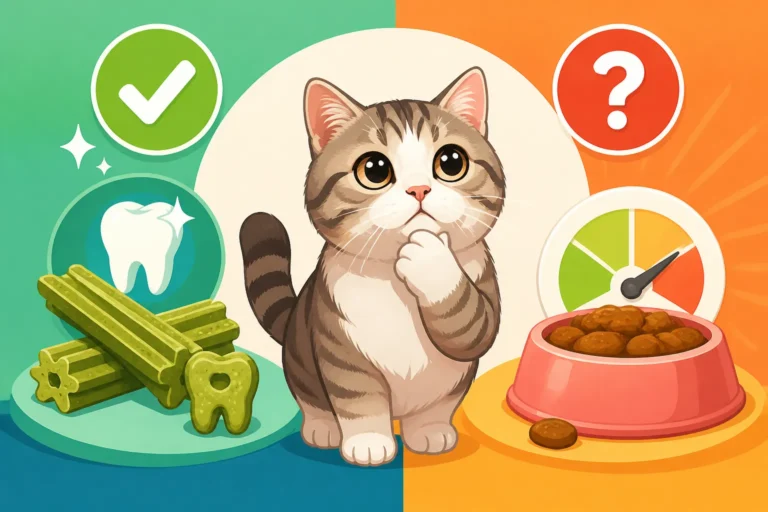
This means that for the majority of their adult life, a Munchkin's diet should be carefully managed to prevent weight gain. Calorie restriction is often a necessity, as many Munchkins don't burn as many calories as their long-legged counterparts simply because they can't jump as high or move as freely in vertical spaces. You'll need to develop a habit of How to Weigh a Munchkin Weekly and become proficient at How to Score a Munchkin's Body Condition. Portion control, measured meals (rather than free-feeding), and limiting treats are all essential strategies. Even healthy treats should fit within their daily caloric allowance, which can be surprisingly low.
Adapting Diet to Activity Levels and Age
A Munchkin's adult diet isn't a static plan. It needs to evolve as their activity levels and metabolic rate change with age. A young, spry adult Munchkin might be quite active, dashing around the house like a ferret and engaging in enthusiastic floor-level play. Their caloric needs will reflect this energy. However, as they mature, their activity might naturally decrease. You might notice they aren't quite as playful, or they spend more time napping.
As these changes occur, typically starting around 6-8 years of age, their dietary needs will likely decrease further. This is when adjustments become even more important. If you continue to feed the same amount of food to a less active cat, weight gain is inevitable. This is also the time when introducing joint-supporting supplements can be highly beneficial, whether through their food or as a separate supplement. Many reputable cat food brands, including those found on Chewy, offer formulations geared towards mature cats with added joint support. Always check with your vet for guidance on dietary changes.
Senior Munchkins: Adjusting Diet for Graceful Aging
The golden years for a Munchkin, typically starting around 8-10 years old, bring a new set of dietary considerations. This is a time to focus on comfort, maintaining muscle mass, and supporting organ health, all while being extra mindful of their unique physical challenges. When a Munchkin Counts as Senior is a good time to start these dietary conversations with your vet.
Signs Your Munchkin is Becoming a Senior
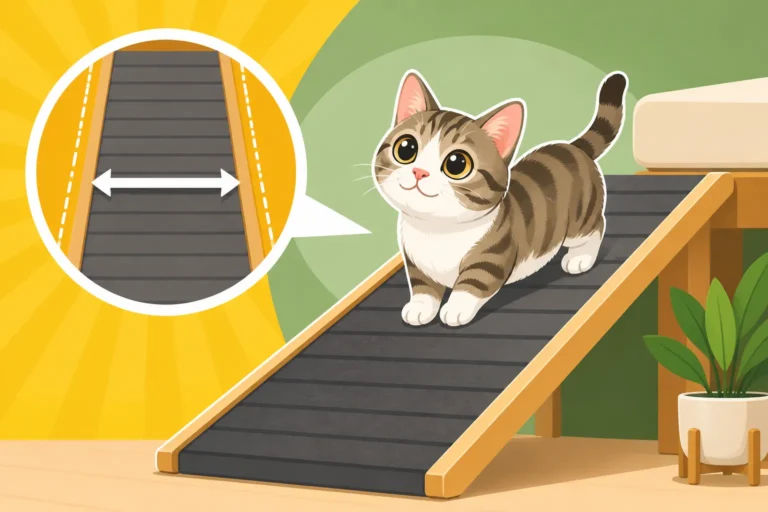
Recognizing when your Munchkin is truly entering their senior years is key to adjusting their diet effectively. You might notice subtle changes: a slight stiffness after naps, a decreased interest in chasing toys, or perhaps they're not quite as quick to greet you at the door. They might stop attempting jumps they used to manage easily, or even struggle with ramps that once felt simple. What an Old Munchkin Stops Being Able to Do often directly relates to joint discomfort and decreased mobility. You may also observe changes in coat quality, dental health, or even their thirst levels. These are all cues that their body is aging and their nutritional needs are shifting.
At this stage, their metabolism often slows down even further, meaning caloric intake may need to be reduced again to prevent unwanted weight gain, especially since mobility might be decreasing. However, it's also crucial to ensure they're getting enough high-quality protein to maintain muscle mass, as muscle wasting can occur in older cats and further destabilize their joints.
Nutritional Support for Aging Joints and Organs
For senior Munchkins, diet becomes an even more targeted tool for managing age-related conditions. The primary focus shifts to supporting joint health, kidney function, and cognitive vitality. How Arthritis Shows in a Munchkin's Front Legs is a common concern, and dietary support can help manage discomfort.
- Joint Support: Look for senior cat foods that are specifically formulated with glucosamine, chondroitin, and omega-3 fatty acids (like EPA and DHA). These ingredients can help reduce inflammation and support cartilage health. If their food doesn't contain enough, your vet might recommend additional supplements.
- Kidney Health: Kidney disease is unfortunately common in older cats of all breeds. Senior diets are often formulated with controlled phosphorus levels and high-quality, easily digestible protein to support kidney function. Regular Which Blood Values Matter Most in a Munchkin checks will help monitor this.
- Digestive Health: Many senior diets include prebiotics and probiotics to support a healthy gut microbiome, which can improve nutrient absorption and overall well-being.
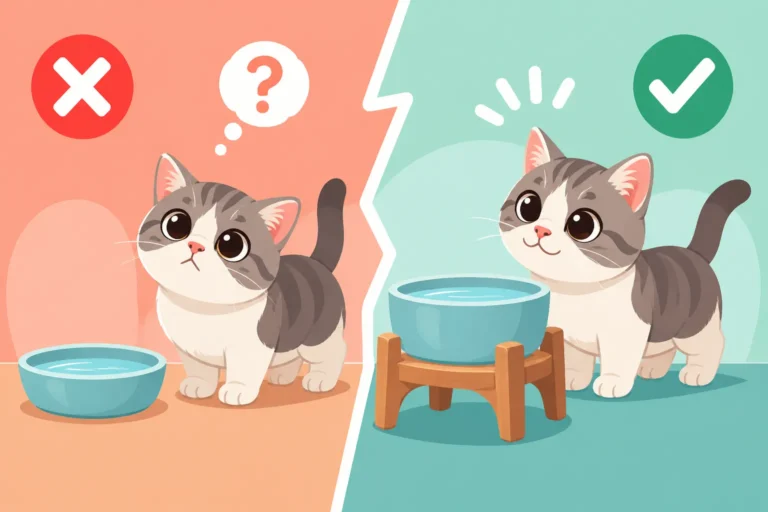
- Hydration: Ensuring adequate hydration is paramount for kidney health. Consider adding wet food to their diet, offering multiple water bowls, or investing in a cat fountain.
The goal is to provide a diet that slows the progression of age-related issues and keeps your Munchkin comfortable and active for as long as possible. This isn't just about extending life, but about extending quality of life.
Practical Tips for Sustained Dietary Management
Managing a Munchkin's diet throughout their life is an ongoing process, not a one-time decision. It requires consistency, observation, and a good relationship with your veterinarian.
The Importance of Consistent Monitoring
You are your Munchkin's first line of defense against dietary problems. Consistent monitoring is absolutely essential.
- Regular Weigh-ins: Weigh your Munchkin regularly, ideally weekly or bi-weekly. Even a small increase in weight can have a significant impact on their joints. You don't need fancy equipment; a simple kitchen scale for kittens or a bathroom scale (weigh yourself, then weigh yourself holding your cat, and subtract the difference) will do the trick. Keep a log to track any trends.
- Body Condition Scoring (BCS): Learn to assess your Munchkin's body condition. How to Score a Munchkin's Body Condition involves feeling their ribs, spine, and waist. You should be able to easily feel their ribs with minimal fat covering, but they shouldn't be visibly prominent. Munchkins can sometimes look a bit rounder due to their low-slung bellies, so knowing how to properly assess their frame is critical.
- Veterinary Check-ups: Regular vet visits are non-negotiable. Your vet can provide objective assessments, recommend specific diets or supplements, and help you adjust feeding plans as your cat ages or if health issues arise. They can also perform necessary blood work and check for conditions like lordosis or pectus excavatum. What a Munchkin Kitten's First Exam Should Cover is a conversation you should have early on.
If you notice any significant weight changes, a sudden decrease in appetite, or signs of discomfort, don't hesitate to consult your vet. Early intervention can make a huge difference.
Choosing the Right Food and Supplements
Navigating the world of cat food can be overwhelming, but for a Munchkin, it boils down to quality and suitability for their unique needs.
- High-Quality Protein: Cats are obligate carnivores, so their diet must be rich in animal-based protein. This supports muscle mass, which is vital for stabilizing their joints.
- Controlled Calories: Given their reduced activity compared to a high-jumping cat, calorie density is important. Avoid "all life stages" foods if possible, as they are often too calorie-dense for an adult Munchkin.
- Omega-3 Fatty Acids: These anti-inflammatory powerhouses are excellent for joint health. Many premium foods include them, or they can be added as a supplement (e.g., fish oil).
- Joint Supplements: Glucosamine and chondroitin, often found in formulations designed for joint health, can be very beneficial, especially as your Munchkin approaches middle age and beyond. Brands like Chewy and Amazon offer a wide array of options, and your vet might recommend specific veterinary lines. If you're feeding fresh food, ensure it addresses these specific needs, or plan to supplement separately.
- Wet Food for Hydration: Incorporating wet food is an excellent way to boost your Munchkin's hydration, which is crucial for kidney and urinary tract health, particularly as they age.
Remember, the "best" food is ultimately the one that keeps your Munchkin at a healthy weight, with good energy levels, a shiny coat, and minimal health issues. It's a continuous journey of learning and adjusting, much like any aspect of pet care.
Here’s a quick overview of dietary stages for your Munchkin:
| Life Stage | Typical Age Range | Key Dietary Focus | Important Considerations for Munchkins |
|---|---|---|---|
| Kitten | 0-12 Months | High protein, calorie-dense for growth | Critical to avoid overfeeding to prevent rapid weight gain stressing developing joints/spine. Portion control from an early age. |
| Adult | 1-8 Years | Maintenance, moderate calories, high protein | Lifelong weight management is paramount. Monitor body condition weekly. Adjust portions for activity levels. Consider proactive joint support supplements. This is the longest phase, requiring consistent vigilance. |
| Senior | 8+ Years | Joint support, kidney health, muscle maintenance | Diet tailored to manage age-related conditions (arthritis, kidney issues). Higher quality protein, controlled phosphorus. Increased focus on hydration (wet food). Continual monitoring of weight and mobility. Veterinary guidance is essential for precise adjustments. Caring for a Munchkin Past Ten will mean further dietary shifts. |
Disclaimer
This article is for general informational purposes only and does not constitute professional advice. Laws, prices and regulations vary by location and change over time. Consult a qualified professional for guidance on your specific situation.