Which Vaccines an Indoor Munchkin Actually Needs
Bringing a new Munchkin cat into your home is an exciting time, but it often comes with a heap of questions about their health, especially when it comes to vaccinations. It's completely normal to feel a bit overwhelmed by the vaccine schedule, wondering which shots your precious indoor furball truly needs, and which might be overkill. This guide is here to cut through the confusion, explaining exactly which vaccines are essential for your indoor Munchkin and why, so you can confidently keep them healthy and safe.
Understanding the Difference: Core vs. Non-Core Vaccines
When we talk about cat vaccines, vets typically divide them into two categories: "core" and "non-core." This distinction is really important, especially for indoor cats like our beloved Munchkins, because it helps us tailor their healthcare plan to their specific lifestyle and risk factors. It's not a one-size-fits-all situation, and understanding these categories is the first step in advocating for your cat's best health.
What Are Core Vaccines?
Core vaccines are those that are recommended for all cats, regardless of their lifestyle or whether they spend their lives indoors or out. These vaccines protect against diseases that are either widespread, highly contagious, severe, or potentially zoonotic (meaning they can be transmitted to humans). Even for a strictly indoor Munchkin, the risks of these diseases can be present through indirect exposure, such as through contaminated clothing or shoes, or even through screened windows. Think of these as the foundational protection for your cat's immune system, a basic shield against the most dangerous common threats. Missing these can leave your cat vulnerable to serious illnesses that could be prevented.
What Are Non-Core Vaccines?
Non-core vaccines, on the other hand, are recommended based on an individual cat's exposure risk. If your Munchkin lives exclusively indoors, never encounters other animals outside your immediate household, and has no direct contact with the outdoors, many non-core vaccines might not be necessary. However, if your Munchkin has occasional supervised outdoor access, lives in a multi-pet household where other animals go outside, or is frequently boarded or taken to grooming appointments, their risk profile changes, and some of these non-core vaccines might become highly advisable. It's all about assessing their unique environment and potential interactions. This is where a candid conversation with your vet really shines, allowing them to make recommendations specific to your home life.
Essential Core Vaccines for Your Indoor Munchkin
Even though your Munchkin may spend all their time frolicking around the living room or performing their adorable "prairie dog sit" by the window, there are certain diseases that are so prevalent and dangerous that vaccination is considered non-negotiable. These are the core vaccines, and understanding why they're crucial for an indoor cat can bring you peace of mind.
Feline Viral Rhinotracheitis, Calicivirus, and Panleukopenia (FVRCP)
This combination vaccine, often referred to as the "distemper shot," is the cornerstone of your Munchkin's immunization plan. It protects against three highly contagious and potentially severe viral diseases:
- Feline Viral Rhinotracheitis (FVR): This is essentially the feline herpesvirus type 1. It causes upper respiratory infections, leading to sneezing, nasal discharge, conjunctivitis (red, watery eyes), and fever. While typically not fatal in adult cats, it can cause severe discomfort and recurrent flare-ups throughout a cat's life. Kittens are particularly vulnerable.
- Feline Calicivirus (FCV): Another common cause of upper respiratory infections, FCV also causes oral ulcers, limping, and sometimes pneumonia. It's highly contagious and can persist in the environment, making even indoor cats susceptible if the virus is brought in on surfaces or clothing.
- Feline Panleukopenia (FPV): This is arguably the most serious of the three. FPV, also known as feline distemper, is a highly contagious and often fatal disease that attacks rapidly dividing cells, particularly in the bone marrow and intestines. It leads to severe vomiting, diarrhea, dehydration, and a drastically suppressed immune system. The virus is incredibly hardy and can survive in the environment for over a year, meaning even indirect exposure can be devastating.
For a young Munchkin kitten, a series of FVRCP shots is given, usually starting at 6-8 weeks of age, with boosters every 3-4 weeks until they are 16 weeks old. After that, an adult booster is given at one year, and then typically every three years, depending on your vet's recommendation and the vaccine manufacturer's guidelines. Given how pervasive and tough these viruses are, especially FPV, vaccinating your indoor Munchkin provides a vital layer of protection. This preventative care is often a focus for pet insurance providers like Healthy Paws, which can help cover unexpected illnesses, but preventing them through vaccination is always the best route.
Rabies Virus Vaccine
Rabies is a devastating, invariably fatal neurological disease that can affect all mammals, including humans. It's transmitted through the saliva of an infected animal, usually via a bite. While your indoor Munchkin might not be out exploring the world, the rabies vaccine is considered core for several critical reasons:
- Legal Requirement: In many regions, the rabies vaccine is legally mandated for all cats, regardless of their indoor or outdoor status. This isn't just about protecting pets; it's a public health measure to prevent the spread of this deadly disease to humans.
- Accidental Exposure: Accidents happen. A door might be left ajar, a screen could tear, or your cat might escape during a move or an emergency. If your unvaccinated indoor Munchkin bites someone or is bitten by a wild animal (like a bat that accidentally gets into your house), the legal repercussions can be severe, potentially leading to quarantine or even euthanasia, even if your cat shows no symptoms.
- Wildlife Contact: Bats, raccoons, and other wildlife can sometimes find their way indoors, especially in older homes or homes with minor structural breaches. An encounter with an unvaccinated Munchkin could be tragic for both your pet and your family.
The rabies vaccine is usually given as a single dose to kittens around 12-16 weeks of age, followed by boosters either annually or every three years, depending on the type of vaccine used and local regulations. It's a small injection that offers monumental protection for your beloved companion and ensures you're complying with local laws. When considering the long-term health plan for your Munchkin, it's wise to discuss all these details during their annual vet check, as laid out in topics like How Often a Healthy Adult Munchkin Needs Checking.
Non-Core Vaccines: When Are They Necessary for an Indoor Munchkin?
While core vaccines are a must, the decision to administer non-core vaccines for an indoor Munchkin requires a thoughtful discussion with your veterinarian. It's about weighing the specific risks of your cat's environment against the benefits and potential, albeit rare, side effects of vaccination.
Feline Leukemia Virus (FeLV) Vaccine
FeLV is a serious and often fatal retrovirus that attacks a cat's immune system, leading to various diseases, including anemia, lymphoma, and immunosuppression. It's primarily spread through prolonged close contact, such as mutual grooming, sharing food and water bowls, or bite wounds.
- For Strictly Indoor Munchkins: If your Munchkin lives alone or with other FeLV-negative, strictly indoor cats and has no contact with potentially infected cats, the FeLV vaccine is generally NOT recommended. The risk of exposure is extremely low.
- When It Might Be Considered: However, if your Munchkin occasionally interacts with outdoor cats, shares a home with cats that go outdoors, or if you plan to introduce a new cat of unknown FeLV status, then vaccination becomes a strong consideration. Any cat at risk of exposure should be tested for FeLV before vaccination. Knowing Which Blood Panel a Munchkin Should Have Yearly can help ensure you're monitoring for this and other diseases.
The FeLV vaccine is typically given in a series to kittens (starting around 8-12 weeks) and then boosted annually for at-risk adult cats. For indoor-only cats with no exposure, it’s usually best to avoid this vaccine to minimize any unnecessary medical interventions.
Chlamydophila Felis Vaccine
Chlamydophila felis is a bacterial infection that primarily causes conjunctivitis (inflammation of the membranes lining the eyelids and eyeball), often accompanied by mild respiratory signs. It’s highly contagious among cats, especially in multi-cat environments or catteries.
- For Strictly Indoor Munchkins: For a single indoor Munchkin or one living in a stable, closed household where all cats are healthy, this vaccine is usually NOT necessary. The risk of exposure is minimal.
- When It Might Be Considered: If your Munchkin is frequently exposed to other cats (e.g., at shows, breeding facilities, or if you regularly foster new cats), or if there's a history of Chlamydophila infection in the household, your vet might recommend this vaccine.
Like FeLV, this is a very lifestyle-dependent decision. Your vet will take into account your specific living situation and your Munchkin's potential interactions.
Bordetella Bronchiseptica Vaccine
Bordetella bronchiseptica is a bacterium that can cause upper respiratory infections in cats, similar to "kennel cough" in dogs. It's highly contagious and often seen in environments with many cats, such as shelters, catteries, or boarding facilities.
- For Strictly Indoor Munchkins: An indoor Munchkin with no exposure to communal cat environments typically does NOT need the Bordetella vaccine.
- When It Might Be Considered: If your Munchkin will be boarded, attending cat shows, or spending time in any situation where they will be in close contact with many other cats, this vaccine might be a good idea.
Many pet insurance policies, such as those from Healthy Paws, may offer wellness add-ons that cover some of these non-core vaccines if your vet deems them necessary based on your cat’s lifestyle. It's always a good idea to check your policy details.
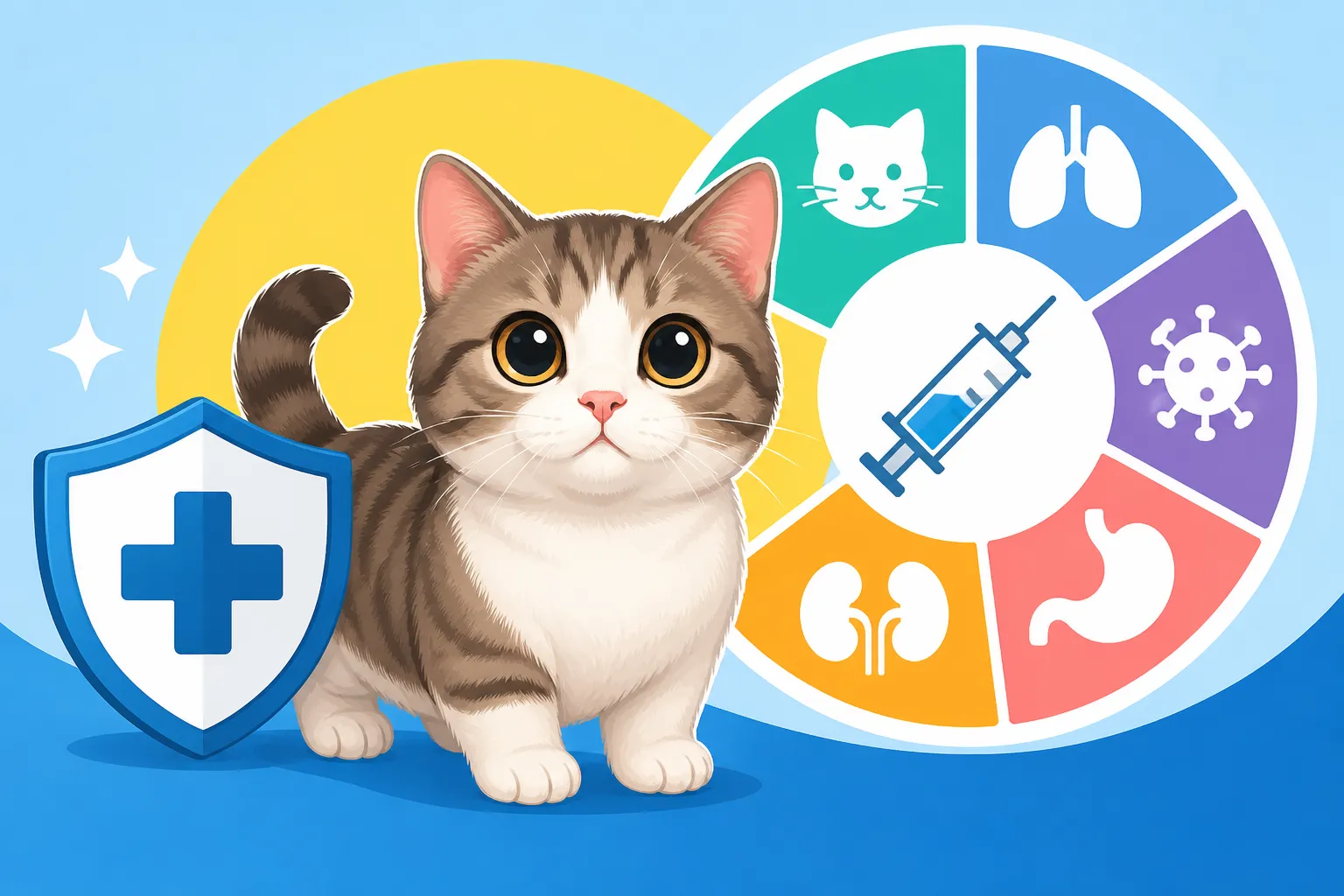
Here's a quick overview to help you visualize the vaccine types:
| Vaccine Type | Disease Protected Against | Indoor Munchkin Recommendation | Rationale for Indoor Cats |
|---|---|---|---|
| Core Vaccines | |||
| FVRCP | Feline Viral Rhinotracheitis, Calicivirus, Panleukopenia | Strongly Recommended | Protects against highly contagious and severe/fatal diseases (especially Panleukopenia) that can be brought into the home indirectly. Kittens particularly vulnerable. |
| Rabies | Rabies Virus | Strongly Recommended | Often legally mandated for all cats. Protects against a fatal zoonotic disease; prevents severe legal repercussions in case of accidental exposure or bite. |
| Non-Core Vaccines | |||
| FeLV | Feline Leukemia Virus | Generally NOT Recommended | Spread primarily through prolonged close contact. Very low risk for strictly indoor Munchkins with no exposure to other cats or only FeLV-negative housemates. |
| Chlamydophila Felis | Chlamydophila Felis (bacterial conjunctivitis) | Generally NOT Recommended | Primarily affects multi-cat environments. Low risk for single indoor cats or stable, healthy households. |
| Bordetella | Bordetella Bronchiseptica (respiratory infection) | Generally NOT Recommended | Primarily affects cats in communal environments (boarding, shows). Low risk for strictly indoor Munchkins with no such exposure. |
The Importance of Regular Vet Visits and a Personalized Plan
Choosing the right vaccine schedule for your Munchkin isn't a one-time decision; it's an ongoing conversation with your veterinarian that evolves as your cat ages and their lifestyle changes. From their playful kittenhood to their senior years, their needs will shift.
Establishing a Veterinary Relationship
Finding a vet you trust and who understands the unique needs of a Munchkin cat is paramount. While Munchkins are generally robust, they do have specific considerations due to their unique body structure, such as monitoring their spine and joints. A good vet will not only discuss vaccines but also provide advice on nutrition, weight management (crucial for a Munchkin, as discussed in Why Weight Is More Dangerous on a Munchkin), dental care, and behavior. Your Munchkin kitten's first vet check is a vital step, allowing your vet to assess their overall health and begin their vaccination series. This early visit, detailed in Why a Munchkin Kitten Needs an Early Vet Check, sets the foundation for a lifetime of good health.
Tailoring the Vaccine Schedule
During your Munchkin's annual check-ups, your vet will perform a thorough physical exam and discuss any changes in your cat's lifestyle or health. This is the perfect opportunity to review their vaccine needs. Perhaps you're considering taking your Munchkin on a leash in a catio, or a new cat is joining the family. These changes could warrant a reevaluation of their non-core vaccine status. Remember that even though a Munchkin is a normal cat that cannot reach, their low-to-the-ground lifestyle means they might encounter different environmental factors than a long-legged cat.
For instance, if you live in an area with a high bat population, your vet might emphasize the rabies vaccine even more strongly. If you frequently travel with your Munchkin, or if they have interactions with other animals (even through a screen door), these factors can influence vaccine recommendations. Always be open and honest with your vet about your cat's exact living situation. Many pet owners find that having comprehensive pet insurance from a reputable provider like Healthy Paws can alleviate some of the financial stress associated with these essential preventative care visits and any unexpected health issues that might arise over their The Twelve to Fifteen Years a Munchkin Usually Gets.
Beyond Vaccinations: Comprehensive Health Care
Vaccinations are just one piece of the puzzle. Regular check-ups are also crucial for early detection of common feline ailments that can affect any cat, including your Munchkin. Conditions like kidney disease, hyperthyroidism, and dental issues become more prevalent as cats age. For an older Munchkin, especially one past the age of ten, specialized care and vigilant monitoring become even more important, as discussed in Caring for a Munchkin Past Ten and What an Old Munchkin Stops Being Able to Do.
Your vet can also offer advice on joint supplements if they notice any stiffness, or recommend specific diets to maintain a healthy weight. Since Munchkins can be prone to certain skeletal issues like lordosis or pectus excavatum, regular physical exams help monitor these conditions, ensuring your Munchkin maintains the best possible quality of life. While Whether a Munchkin Is a Normal Anesthetic Risk is a valid concern for any breed, pre-anesthetic bloodwork and a thorough physical exam mitigate these risks when procedures like dental cleanings become necessary.
Ultimately, maintaining a strong partnership with your veterinarian, asking questions, and providing accurate information about your Munchkin's environment will ensure they receive the most appropriate and effective vaccine schedule, along with holistic care for a long, happy, and healthy life.
Disclaimer
This article is intended for informational purposes only and does not constitute veterinary advice. Always consult with a qualified veterinarian for any health concerns or before making any decisions about your pet's medical care, including vaccination protocols.