Which Munchkin Kitten Was Given to a Friend
It’s easy to get lost in the modern world of cat breeds and forget the grassroots beginnings of many beloved companions. When it comes to the Munchkin cat, understanding its origins is key to appreciating its journey, and a crucial part of that story involves a generous act of friendship that helped spread the unique short-legged trait. This guide will take you back to those early days, clarifying exactly which pivotal kitten was entrusted to a friend and why that moment was so significant for the breed's future.
The First Discovery and Its Immediate Impact
The story of the Munchkin breed is deeply rooted in a chance discovery in the early 1980s, a moment that sparked curiosity and laid the groundwork for an entirely new feline type. Without this initial serendipitous event and the subsequent sharing, the breed as we know it today might never have flourished.
Blackberry's Arrival and First Litter
Our tale begins in Rayville, Louisiana, in 1983, when a schoolteacher named Sandra Hochenedel found two stray cats hiding under her truck. One of these cats, a pregnant black short-legged feline, she named Blackberry. Blackberry was unique, with unusually short legs, a trait Hochenedel hadn't seen before. Intrigued, she took Blackberry in, unaware that this kind act would set in motion the creation of a new breed. Sandra Hochenedel and the First Munchkin is a fascinating read if you want to know more about the individual who started it all.
When Blackberry gave birth, her litter included both short-legged and normal-legged kittens. This instantly raised questions. Was this a deformity? A new mutation? It quickly became clear that the short legs were not a sign of illness, but rather a distinct, inherited characteristic. The kittens were playful and healthy, moving about with a charming, ferret-like gait that was both surprising and endearing. This initial observation, seeing a mix of leg lengths in one litter, was critical in understanding that the trait was likely dominant and not immediately lethal, unlike some other genetic mutations. You can learn more about this by exploring How Many of the First Munchkin Litter Are Short Legged.
The Sharing of a Special Kitten
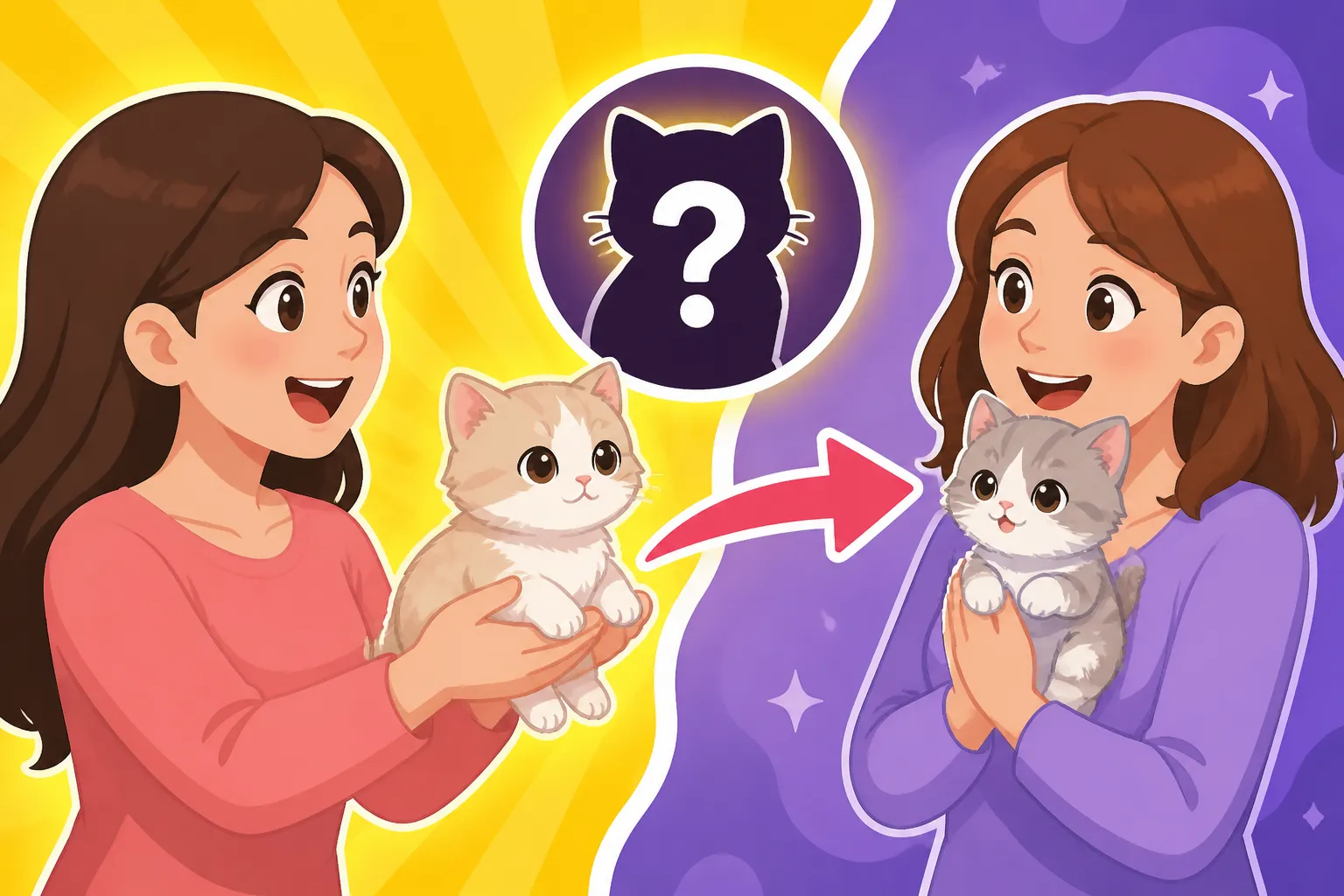
As Blackberry's kittens grew, Sandra Hochenedel found herself with several charming, short-legged felines. Recognizing the unique nature of these cats, but perhaps not yet grasping the full potential of a new breed, she did something incredibly generous and pivotal: she gave one of the short-legged male kittens from Blackberry's first litter to her friend, Kay LaFrance. This specific kitten, who would later become a cornerstone of the Munchkin breed, was named Toulouse.
This act of giving away Toulouse was more than just rehoming a pet; it was a crucial step in diversifying the nascent gene pool and ensuring the trait continued beyond a single household. Without this sharing, the breeding efforts might have been far more limited, or even stalled, missing the critical genetic contribution that Toulouse would later make. Imagine if Hochenedel had kept all the kittens to herself; the breed's development would have taken a very different path.
Toulouse: The Second Foundation Cat
With Toulouse now in Kay LaFrance's care, the foundation for the Munchkin breed truly began to solidify. This transfer of a single kitten from one friend to another proved to be an indispensable move, securing a broader genetic base from the very beginning.
Meeting Kay LaFrance and Toulouse's Role
Kay LaFrance, Hochenedel's friend, took in the short-legged male kitten, naming him Toulouse. Just like his mother, Blackberry, Toulouse possessed the characteristic short legs. LaFrance quickly became just as captivated by his unique appearance and lively personality. The fact that Toulouse, too, was a healthy, active cat further cemented the idea that these short legs were a benign mutation, not a debilitating one.
Toulouse's role cannot be overstated. As a short-legged male, he was instrumental in proving the heritability of the trait. He was bred to domestic long-legged cats, and, true to the genetic pattern, produced litters containing both short-legged and normal-legged kittens. This demonstrated that the trait was indeed passed down through generations and that one short-legged parent was sufficient to produce short-legged offspring. What Toulouse Contributed to the Munchkin delves deeper into his specific impact on the breed's genetics. His existence meant that the genetic lineage wasn't solely dependent on Blackberry's offspring remaining within one closed group, but could be expanded. This period also saw breeders start thinking about what essentials these unique cats would need, perhaps even starting to browse pet supply sites like Chewy for appropriate food bowls and toys that suited their low-to-the-ground stature.
Expanding the Gene Pool and Early Breeding Efforts
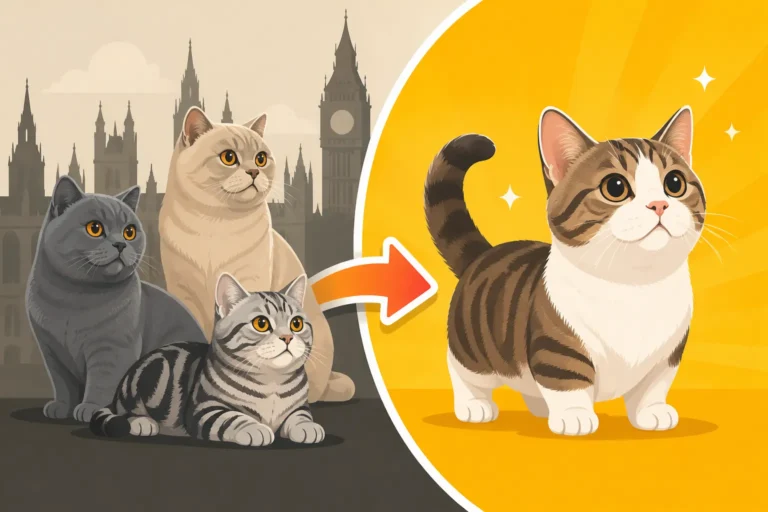
The early breeding efforts, primarily involving Blackberry and Toulouse's descendants, focused heavily on outcrossing. This meant breeding the short-legged Munchkins to unrelated, normal-legged domestic cats. This strategy was not accidental; it was a deliberate and vital step to ensure the breed had a broad and healthy genetic base, preventing inbreeding and introducing new desirable traits like various coat colors and patterns. Why Munchkin Outcrossing Was Necessary From the Start explains the critical importance of this practice.
These outcrosses were crucial because they allowed breeders to select for robust health and temperament, rather than just focusing on the short legs. It also meant that if any underlying health issues were linked to the mutation, they could be diluted or bred out through careful selection. The process of developing the Munchkin breed was, from its very inception, a collaborative effort between friends and early enthusiasts, proving that a shared passion could lay the foundation for a recognized cat breed. They needed to find suitable mates, keep meticulous records, and provide excellent care for these new lines, likely stocking up on high-quality kitten food and other supplies from trusted retailers.
The Legacy of Blackberry and Toulouse
The decision to share Toulouse, and the subsequent breeding efforts, quickly established the genetic basis of the Munchkin breed, proving its unique characteristic was stable and heritable. This early work was foundational, paving the way for the breed's eventual recognition and widespread popularity.
Proving the Dominant Gene
Through the careful breeding of Blackberry and Toulouse's descendants with domestic shorthairs and longhairs, it became unequivocally clear that the gene responsible for the short legs was autosomal dominant. This means only one copy of the gene is needed for a cat to display the short-legged trait, and it's not linked to sex. This understanding was vital for responsible breeding practices. Breeders learned that breeding two short-legged Munchkins together could lead to embryonic lethality in kittens that inherited two copies of the gene. Therefore, the standard practice became to always breed a short-legged Munchkin with a normal-legged domestic cat, which ensures healthy litters with approximately half short-legged and half normal-legged kittens. This practice is detailed further in Why Two Short Legged Munchkins Are Never Bred Together.
This genetic understanding solidified the Munchkin's status as a distinct breed and provided a clear roadmap for ethical breeding. It highlighted the foresight of those early breeders, like Hochenedel and LaFrance, who, even without full genetic mapping, intuitively understood the need for careful pairings and outcrossing. The success of these early efforts meant that the breed avoided many of the genetic bottlenecks that can plague developing breeds, maintaining a relatively diverse gene pool.
From Friendship to Formal Recognition
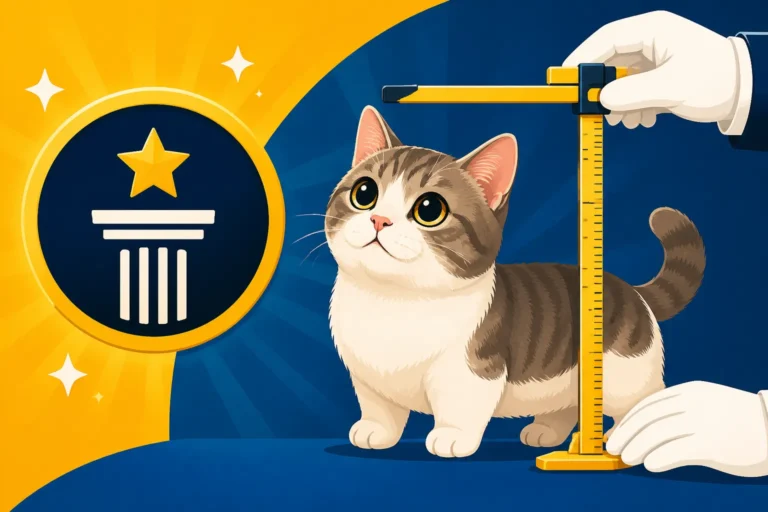
The journey from a chance discovery under a truck to a formally recognized breed was a significant one. The collaborative efforts initiated by Sandra Hochenedel and Kay LaFrance eventually led to the Munchkin being presented to the wider cat fancy. In the early 1990s, the breed gained provisional recognition with The International Cat Association (TICA), an important step towards full championship status.
The first public showing of the Munchkin generated considerable debate and controversy, primarily due to concerns about the welfare implications of its short legs. Despite the initial skepticism and strong opinions, the breed continued to gain traction among enthusiasts who admired its sweet temperament and unique appearance. The path to acceptance wasn't smooth, but the foundational work laid by the initial partnership ensured there was enough genetic material and dedicated breeders to keep the movement alive. If you're curious about this controversial debut, When the Munchkin Was First Shown to the Public offers more details. Even in those early days, owners would have been looking for supplies that adapted to their Munchkin's needs, from low-entry litter boxes to toys available at their height, often seeking out diverse options from places like Chewy.
The Impact of Early Choices on the Breed's Future
The early decisions made by Sandra Hochenedel and Kay LaFrance, particularly the sharing of Toulouse and the emphasis on outcrossing, had a profound and lasting impact on the Munchkin breed's development and current standing.
Genetic Diversity and Ethical Considerations
The initial strategy of extensively outcrossing Munchkins to domestic long-legged cats was a stroke of genius for the breed's genetic health. By introducing a wide array of genetic material from the general cat population, early breeders effectively sidestepped many of the issues related to limited gene pools that can afflict other purebred cats. This continuous outcrossing means that, genetically speaking, the Munchkin is often as diverse as a domestic cat, reducing the risk of accumulating breed-specific health problems. This commitment to a broad gene pool remains a cornerstone of responsible Munchkin breeding today.
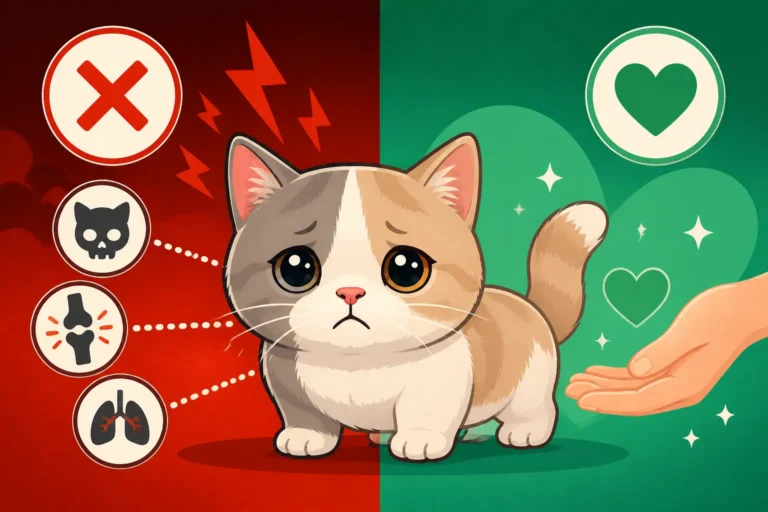
However, the ethical debate surrounding the Munchkin breed continues. Critics argue that breeding for such a significant anatomical deviation, which is a form of dwarfism, is inherently unethical due to potential health concerns, particularly relating to the spine and joints. Organizations such as the GCCF in the UK and CFA in the US still refuse to recognize the breed based on welfare grounds. Conversely, proponents argue that well-bred Munchkins, free from conditions like lordosis or pectus excavatum, lead full, active, and pain-free lives, no different from any other domestic cat. This complex discussion is thoroughly explored in What Welfare Bodies Say About the Munchkin. The ongoing nature of this debate underscores the importance of the foundational choices and the responsibility breeders bear in ensuring the health and well-being of their cats.
The Role of Community in Breed Development
The story of Blackberry and Toulouse is a powerful testament to the role of community and friendship in the development of animal breeds. What started as one woman's discovery and her decision to share a unique kitten with a friend blossomed into a worldwide phenomenon. Without Kay LaFrance's willingness to take in Toulouse and participate in the early breeding efforts, the Munchkin's journey would have been far more challenging, if not impossible.
Today, the Munchkin community, despite the external controversies, remains passionate and dedicated. Breeders work to adhere to TICA's standards, prioritizing health and temperament alongside the distinctive short legs. Owners, in turn, often become staunch advocates, sharing their experiences of their beloved, playful, and affectionate Munchkins. They understand the unique needs of their cats, from ensuring their homes are adapted with ramps and low-entry points, to sourcing specialized grooming tools for their lower bodies. When setting up a home for a Munchkin, it's wise to consider their specific mobility needs, and places like Chewy offer a wide range of products, from senior-friendly litter boxes to pet steps, that can make a Munchkin's life much easier and more comfortable. This collective effort, stemming from that initial act of friendship and sharing, continues to shape the Munchkin's presence in the cat world.
| Founding Cat | Owner | Gender | Key Contribution | Genetic Role |
|---|---|---|---|---|
| Blackberry | Sandra Hochenedel | Female | First recognized short-legged cat, first litter | Progenitor of the short-leg gene |
| Toulouse | Kay LaFrance | Male | Second foundation cat, spread the gene beyond original household | Proven inheritor and transmitter of the short-leg gene |
This table illustrates how both Blackberry and Toulouse, through the actions of their respective owners, were crucial in establishing the Munchkin breed.
Disclaimer
This article is for general informational purposes only and does not constitute professional advice. Laws, prices and regulations vary by location and change over time. Consult a qualified professional for guidance on your specific situation.