At What Age Munchkin Lordosis Appears
Many prospective Munchkin owners find themselves wrestling with a swirl of questions and concerns, especially when it comes to potential health issues associated with their unique build. The idea of a spinal condition like lordosis can be particularly unsettling, casting a shadow over the joy of welcoming one of these charming, short-legged cats into your home. It’s absolutely natural to worry about what your beloved kitten might face and, crucially, at what age any problems might become apparent. This comprehensive guide aims to shed light on lordosis in Munchkin cats, detailing precisely when this condition typically begins to show itself and what watchful owners can look for to ensure their feline friend gets the best possible start in life.
What Exactly Is Lordosis in Munchkin Cats?
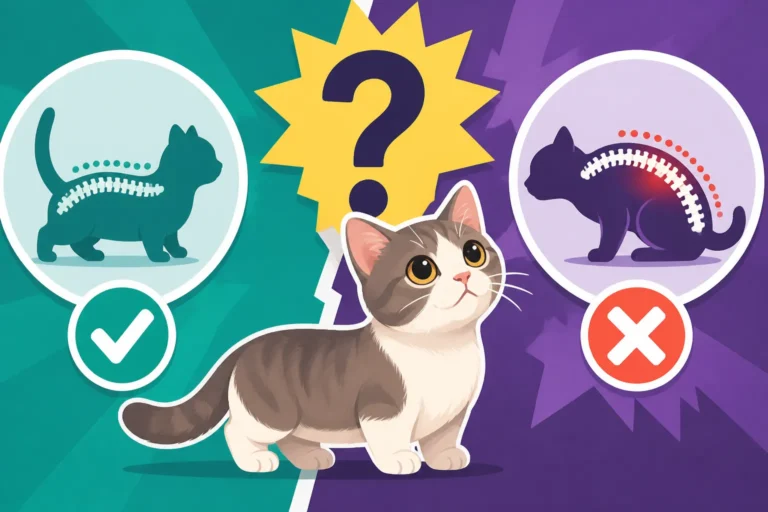
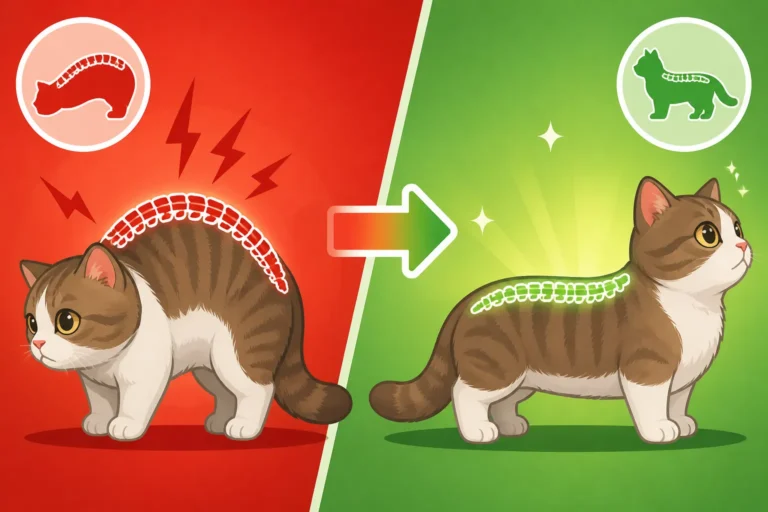
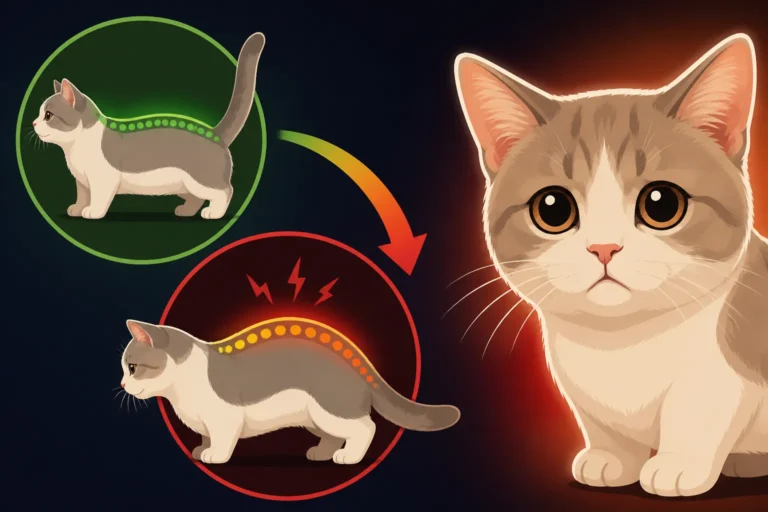
When we talk about lordosis in Munchkin cats, we’re referring to a condition where there's an excessive inward curve of the spine, particularly in the lumbar (lower back) region. Imagine a cat's spine, which should ideally have a gentle, flexible arch. With lordosis, this curve becomes much more pronounced, dipping down towards the belly. It’s not just a superficial appearance; this exaggerated curvature can lead to a host of internal and external issues, from discomfort in movement to, in severe cases, the compression of vital internal organs.
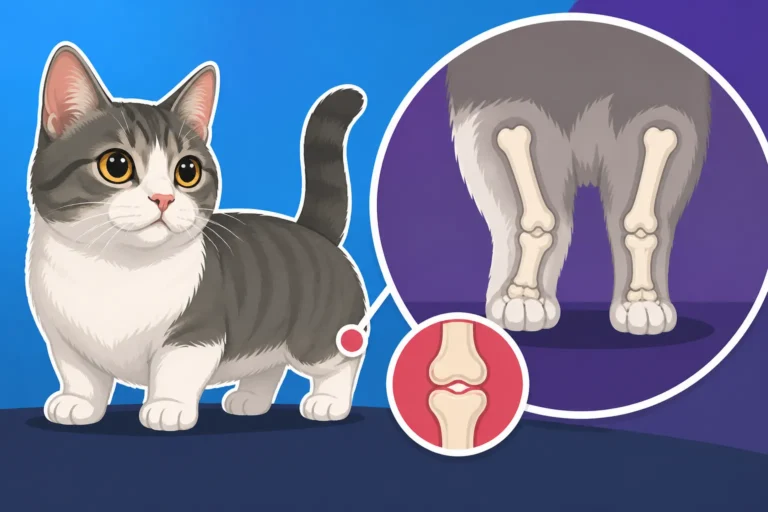
This condition is directly linked to the genetic mutation responsible for the Munchkin's short legs, known as pseudoachondroplasia. While not all Munchkins develop lordosis, their specific skeletal structure makes them inherently more susceptible to it. The spine itself is usually of normal length, but the shorter legs mean the body is carried closer to the ground, and the musculature supporting the spine may be under different stress. This is part of the ongoing discussion about why a Munchkin's spine carries a load a normal cat's does not, a crucial point for understanding their unique physical challenges.
It's vital for any Munchkin owner, or prospective owner, to understand that lordosis isn't merely a cosmetic quirk. It can genuinely impact a cat's quality of life and longevity. The spectrum of severity ranges widely, from mild cases that might go unnoticed or cause only minimal discomfort, to severe instances where the cat's belly almost touches the ground, making movement difficult and putting immense strain on internal systems. Knowing what Lordosis Does to a Munchkin is the first step in being a responsible owner.
The Genetic Connection and Physical Manifestations
The genetic basis for lordosis in Munchkin cats is not fully understood as a direct, separate gene, but it is widely accepted to be a potential consequence or associated condition with the pseudoachondroplasia gene that gives them their distinctive short legs. This means it's not simply an injury or poor posture; it's a developmental issue rooted in their very genetics. The problem arises when the spinal muscles and ligaments don't adequately support the vertebral column, leading to the characteristic concave curve.
Physically, a cat with lordosis will often present with a noticeable dip in its back, particularly when standing or walking. From the side, instead of a relatively straight or slightly arched back, you'll see the spine curving inward, pushing the chest out and the abdomen down. This can make them appear lower to the ground than even a typical Munchkin, with their chest almost dragging. The way they carry their body can be a huge indicator, and sometimes you might even observe a slight rigidity or stiffness in their movement because of the spinal strain.
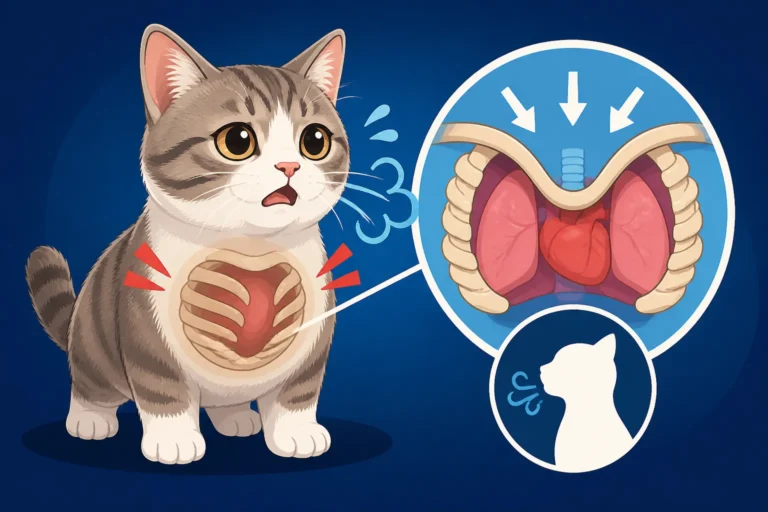
In severe cases, the internal impact can be profound. The compression of the abdominal cavity due to the inward spinal curve can put pressure on organs like the lungs, heart, and digestive system. This can lead to issues with breathing, circulation, and digestion, significantly impacting the cat's overall health and well-being. It’s a stark reminder that while the short legs are endearing, the underlying genetics carry potential risks that demand careful consideration and proactive care.
The Critical Window: When Lordosis Typically Becomes Noticeable in Munchkin Kittens
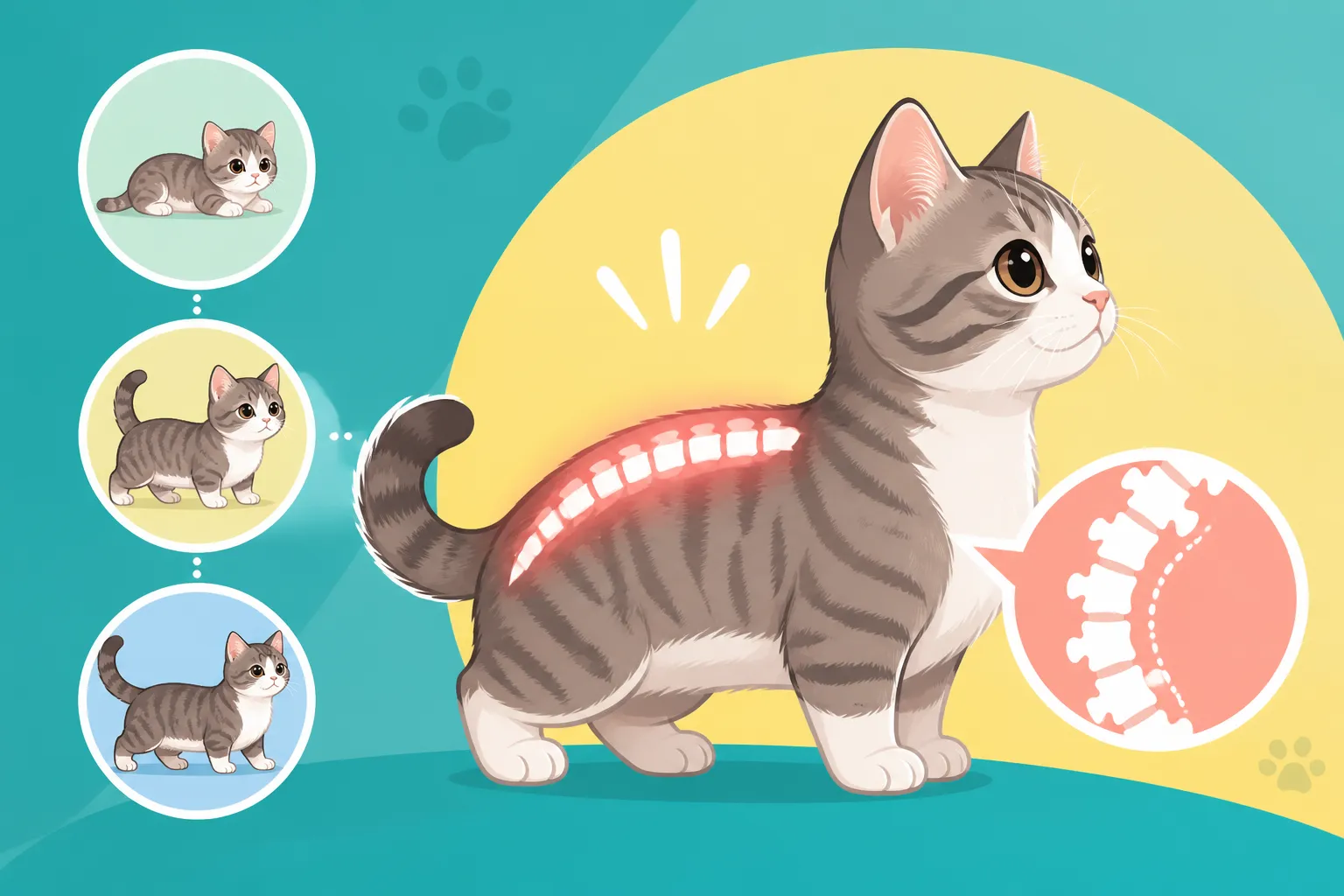
The question of "at what age Munchkin lordosis appears" is one of the most pressing for prospective owners, and rightly so. The unfortunate reality is that lordosis can manifest surprisingly early in a Munchkin kitten's life, often becoming discernible during their rapid growth phase. While some mild cases might only be spotted later, severe forms often show themselves within the first few months. This makes early observation and regular veterinary checks absolutely paramount.
The period from birth up to about 12 weeks of age is a critical window for detection. This is when a kitten's skeletal structure is developing rapidly, and any abnormalities in spinal curvature are likely to become evident. Breeders, if they are responsible and vigilant, will be closely monitoring their litters for any signs of the condition, as early intervention or even careful rehoming decisions depend on this. It's also why a thorough vet check before taking a kitten home is non-negotiable.
For a deeper dive into these initial stages, understanding How Early Lordosis Shows in a Munchkin Kitten offers more specific insights. Often, the earliest signs are not dramatic but subtle, requiring a keen eye and familiarity with normal kitten development. This is not a condition that typically appears suddenly in adulthood; rather, it’s a developmental issue that progresses as the kitten grows.
Early Detection: From Birth to Eight Weeks
During the first few weeks of a Munchkin kitten's life, signs of lordosis might be subtle, but they are often present if you know what to look for. Newborn kittens are mostly concerned with nursing and sleeping, but even then, a severe inward curve might make nursing uncomfortable or awkward. A kitten with significant lordosis might struggle to position itself or appear stiffer than its littermates.
As kittens become more mobile, usually around four to eight weeks, the signs become clearer. You might notice a distinctive "scooting" motion rather than a smooth, coordinated walk. They might struggle more than their siblings to stand up straight, or they may exhibit an unusual posture even when resting, with a perpetual dip in their mid-back. Playtime might reveal a reluctance to engage in typical kitten rough-and-tumble or an inability to jump even tiny heights, preferring to crawl or slide off surfaces.
A responsible breeder should be able to show you how their kittens move and interact, demonstrating their agility and lack of spinal issues. They might also share information about what a Munchkin Breeder Should Be Able to Show You, including vet checks and observations. This early period is crucial for identification, as severe lordosis can impact a kitten's ability to thrive, sometimes even affecting their weight gain if nursing is compromised. Any concerns during this time warrant immediate veterinary attention.
Growing Pains: Three to Six Months and Beyond
As Munchkin kittens transition into their juvenile and adolescent phases, typically from three to six months old, any existing lordosis often becomes more pronounced. This is a period of rapid growth, and if the spinal support structures are inadequate, the curvature can worsen under the increasing weight of the growing body. What might have been a subtle dip at eight weeks could become a very obvious, almost concave, arch by six months.
During this stage, owners might notice a unique gait, often described as a "ferret-like" waddle, which can be exaggerated by the lordosis. The cat might avoid jumping onto low furniture that other cats would easily manage, or appear to struggle and show discomfort after short bursts of activity. When they sit up, you might see their chest sinking lower than their front paws, and their belly may nearly touch the ground. This visible compression of the spine is a significant red flag.
Regular vet visits are essential during this growth period. Your veterinarian will be able to perform a thorough physical examination, palpating the spine to check for abnormal curves and tenderness. They can help you understand How Severe Munchkin Lordosis Can Get and advise on potential management strategies. While mild cases might remain stable, moderate to severe lordosis often requires ongoing care and vigilance to prevent complications. Pet insurance, such as a plan from Healthy Paws, can be invaluable for covering the diagnostic imaging and potential long-term care associated with conditions like lordosis, offering peace of mind during these critical early months.
Beyond the Obvious: Recognizing Subtle Early Signs of Lordosis
While severe lordosis can be quite apparent, many cases start subtly, making early detection a challenge for the untrained eye. It’s not always about a dramatic, visible dip in the back. Sometimes, the first indicators are behavioral or relate to how your Munchkin kitten moves, jumps, or even rests. Being attuned to these nuances is key to identifying the condition before it progresses significantly.
A kitten's natural curiosity and boundless energy often mask discomfort, so observing them during quiet moments or after intense play can offer more insight. Look for consistency in posture, not just fleeting moments. Pay attention to how they interact with their environment and whether their mobility seems limited compared to what you’d expect from a lively kitten. Early detection allows for earlier intervention, potentially mitigating the long-term impact on their health.
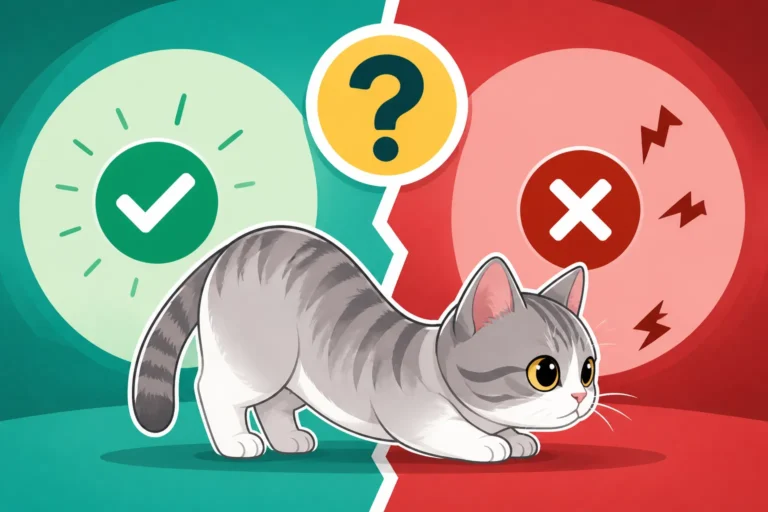
For instance, you might notice your Munchkin kitten engaging in the adorable "prairie dog" sit, where they sit up on their hind legs to get a better view. While charming, if this posture is frequently adopted or held for unusually long periods, it could be a compensatory mechanism to alleviate spinal pressure or stretch tight muscles, a subtle sign worth noting.
Observing Posture and Movement Clues
One of the first things to pay close attention to is your Munchkin kitten's overall posture. Do they consistently hold their back in a way that looks sunken or overly arched, even when relaxed? When they walk, observe their gait. Is it fluid and coordinated, or do they seem to waddle excessively, with their back legs splaying out slightly? You might notice a stiffness in their hindquarters or an inability to fully extend their back.
Another key area is their interaction with their environment. Normal kittens are little daredevils, attempting jumps onto low sofas or chairs. A Munchkin kitten with developing lordosis might show a marked reluctance to jump, or they might struggle to complete even small leaps, opting instead to climb very carefully or seek alternative, ramp-like routes. They might also appear hesitant to use a scratching post if it requires stretching their back upwards. These seemingly minor behavioral differences can be significant indicators that something is not quite right with their spinal comfort or mobility.
Consider the way they get up from a lying position. Do they push up easily, or do they seem to struggle, using their front paws to pull themselves forward first, rather than rising with a smooth motion from their core? Any repeated actions that seem to put less strain on their back, or compensatory movements, should be noted. These observations, when shared with your vet, can provide crucial pieces of the puzzle when assessing a Munchkin's health.
Gentle Palpation and Vet Consultations
Beyond visual cues, gently feeling along your kitten's spine can sometimes reveal early signs of lordosis. With a soft touch, run your fingers down their back from neck to tail. You should feel the individual vertebrae. If there’s an unnatural dip or an area that feels unusually rigid or sensitive, this warrants concern. Watch for any flinching, vocalization, or attempts to pull away, which could indicate pain or discomfort along the spine. This is why a Munchkin Kitten's Spine Should Be Palpated carefully and regularly, ideally by a vet.
If you observe any of these subtle or more overt signs, it’s imperative to schedule a veterinary appointment promptly. Don't wait for the condition to become severe or for your kitten to show clear signs of pain. Early diagnosis can lead to more effective management strategies. Your vet will perform a thorough physical exam, which may include assessing your kitten’s gait, range of motion, and palpating the spine. They may recommend imaging, such as X-rays, to confirm the diagnosis and assess the severity of the spinal curvature.
When speaking with your vet, be prepared to describe all your observations, no matter how minor they seem. Mention specific instances where your kitten struggled or behaved unusually. Early and open communication with your veterinary team, supported by comprehensive pet insurance like that offered by Healthy Paws, can make a significant difference in your Munchkin's prognosis and quality of life. Understanding What the Published Munchkin Health Data Actually Shows can also help you have an informed discussion with your vet.
Living with Lordosis: Proactive Care and Long-Term Support
Discovering your Munchkin has lordosis can be distressing, but it’s important to remember that many cats with the condition, especially mild to moderate cases, can still lead full and happy lives with the right care. Proactive management and a commitment to adapting their environment are crucial. This isn't a "set it and forget it" situation; it requires ongoing vigilance and a close partnership with your veterinarian.
The goal of managing lordosis is primarily to minimize discomfort, prevent progression where possible, and support your cat’s mobility and overall well-being. This often involves a multi-faceted approach, encompassing environmental modifications, strict weight management, and potentially dietary supplements or therapeutic interventions. It's about recognizing their limitations and providing them with every opportunity to thrive within those boundaries.
Furthermore, a significant part of long-term care involves regular veterinary check-ups to monitor the spine and overall health, especially since the condition may progress as the cat ages. For some, the question of Whether a Munchkin With Lordosis Can Live Normally is a major concern, and the answer often lies in the quality of care they receive.
Environmental Adaptations and Safe Movement
One of the most impactful ways to support a Munchkin with lordosis is to adapt their living environment. Their short legs already limit their jumping ability, but lordosis can exacerbate this, making even small jumps painful or risky. Providing ramps and steps to all elevated surfaces – sofas, beds, window perches – is absolutely essential. These allow your cat to access their favorite spots without straining their compromised spine or risking injury from awkward landings. Consider the angles; steep ramps can still put pressure on the back, so opt for gradual slopes where possible.
Furthermore, ensure that food and water bowls are raised to a comfortable height to prevent them from stooping too low, which can put additional strain on their neck and back. Low-entry litter boxes are also vital, making it easy for them to step in and out without having to lift their hindquarters or contort their spine. Ensuring that everything they need is accessible without significant physical exertion helps to minimize daily wear and tear on their spine.
Regular, gentle play is still important for muscle tone and mental stimulation, but it should be modified to avoid high-impact activities. Encourage floor-level games with wand toys or laser pointers, rather than games that require significant jumping or twisting. Providing carpeted areas or rugs on slippery floors can also improve traction and reduce the risk of slips and falls, which could further injure a delicate spine.
Weight Management and Veterinary Oversight
Maintaining a healthy weight is arguably the single most critical factor in managing lordosis in Munchkin cats. Every extra pound places additional strain on the spine and joints, exacerbating the curvature and increasing discomfort. Why an Overweight Munchkin Is in Real Trouble cannot be overstated. Work closely with your vet to establish an appropriate feeding plan and portion control. Regular weigh-ins at home will help you monitor their progress and adjust their diet as needed. A lean body condition will significantly reduce the load on their spine and improve their overall mobility and comfort.
Ongoing veterinary oversight is non-negotiable. Regular check-ups, perhaps twice a year for an adult Munchkin, are crucial to monitor the progression of lordosis, assess for any signs of pain or discomfort, and evaluate overall health. Your vet might recommend supplements like glucosamine and chondroitin, or omega-3 fatty acids, which can support joint health and reduce inflammation, even if they don't directly "cure" the lordosis. For more severe cases, pain management medication might be necessary to ensure your cat's comfort.
| Age Range | Normal Kitten Behavior/Appearance | Potential Lordosis Signs to Watch For |
|---|---|---|
| Birth – 4 weeks | Active nursing, gentle wiggling, developing basic motor skills. | Kitten struggles to nurse comfortably, appears stiff or unusually rigid, exhibits a noticeable arch or dip in the back even when relaxed or lying down. |
| 4 – 8 weeks | Exploring surroundings, clumsy walking, attempting small, uncoordinated jumps. | "Scooting" on the floor rather than lifting legs to walk, difficulty standing upright, a visible concave dip in the spine, reluctance to play or move much. |
| 8 – 12 weeks | Increased agility, running, jumping onto low surfaces, vigorous play. | Exaggerated "ferret-like" or waddling gait, significant reluctance to jump or climb, clear spinal compression when sitting or standing, showing pain when touched along the back. |
| 3 – 6 months | Full kitten energy, rapid growth, improved coordination and jumping ability. | Persistent "sinking" of the chest and spine, increased difficulty with all forms of movement, signs of discomfort (e.g., lethargy, appetite loss) after activity, noticeable impact on posture. |
In some instances, particularly if discomfort or mobility issues escalate, your vet might suggest alternative therapies such as hydrotherapy or acupuncture, which can provide relief and improve muscle strength without putting undue stress on the spine. Remember, understanding Whether Munchkin Lordosis Is Treatable means focusing on managing symptoms and improving quality of life, as there is currently no cure for the condition itself. Keeping an open dialogue with your veterinarian and having a good pet insurance policy from a provider like Healthy Paws can truly help navigate the journey of caring for a Munchkin with lordosis, ensuring you can afford the best possible care for your beloved companion.
Disclaimer
As a dedicated resource for Munchkin cat owners and enthusiasts, this article aims to provide comprehensive and informative content. However, it is essential to remember that the information shared here is for educational purposes only and should not be considered a substitute for professional veterinary advice. Always consult with a qualified veterinarian regarding any health concerns, diagnoses, or treatment options for your pet.