Brushing a Munchkin’s Teeth Without Lifting Its Head High
One of the most common frustrations for Munchkin cat owners, aside from navigating a world built for taller feline friends, is the simple act of trying to brush their teeth. If you've ever tried to gently lift your short-legged companion's head to get a good angle on their pearly whites, you know the struggle is real – it can feel awkward for you and definitely uncomfortable for them, potentially straining their unique physique. This guide is here to walk you through stress-free, effective tooth brushing techniques designed specifically for your Munchkin, ensuring their oral health without forcing them into uncomfortable positions.
Why Brushing Your Munchkin's Teeth Is So Important (and Often Overlooked)
Let's be honest, cat dental care isn't often at the top of a new pet parent's mind. We're busy with cuddles, playtime, and making sure they're eating right. But ignoring those tiny teeth can lead to a world of problems down the line, and for a Munchkin, whose physical characteristics already require some thoughtful care, it's even more crucial to be proactive.
The Silent Threat of Feline Dental Disease
Dental disease in cats is a rampant problem, affecting a staggering percentage of felines over the age of three. It’s often referred to as a "silent killer" because cats are masters at hiding pain, and by the time you notice something is wrong, the issue can be quite advanced. It starts innocently enough with plaque, a sticky film of bacteria, food particles, and saliva, forming on the tooth surfaces. If not removed, plaque hardens into tartar, which is a rougher, more porous surface that encourages even more plaque to adhere.
This accumulation irritates the gums, leading to gingivitis – red, swollen, and sometimes bleeding gums. Beyond gingivitis, the inflammation can spread to the structures supporting the teeth, leading to periodontal disease. This is where things get really serious. Pockets form between the teeth and gums, filling with bacteria and pus, destroying the bone and ligaments that hold the teeth in place. Eventually, teeth can loosen, become infected, and fall out, or require painful extractions. But it's not just about the mouth; the bacteria from severe dental disease can enter the bloodstream and spread to vital organs like the heart, kidneys, and liver, causing systemic illness and significantly impacting your Munchkin's overall health and lifespan.
Why Munchkins Might Be More Susceptible to Certain Dental Issues
While Munchkins don't have a specific genetic predisposition to unique dental diseases directly linked to their short legs, their unique anatomy can subtly influence their oral health and how easily you can provide care. Their generally compact build, combined with a normal-sized head and jaw, means their teeth are proportioned like any other domestic cat. However, their lower stance and the way they carry their body might make them less likely to naturally wear down tartar on certain teeth if they're not engaging in activities that provide appropriate dental friction, like chewing on specific dental toys or rougher kibble.
More importantly, the act of routine examination and brushing can be physically more challenging for both the owner and the cat. The slight discomfort of having their head lifted can be amplified if it puts any strain on their spine or neck, which, while generally robust in a well-bred Munchkin, is still a consideration given their unique conformation. Imagine trying to brush your teeth while someone is pulling your head back at an awkward angle – it's not pleasant. For a Munchkin, finding a comfortable position that allows you to reach all areas of their mouth without causing stress is paramount. This is why a low-stress, low-head-lift approach is not just a preference, but a real necessity for consistent care.
Understanding the Challenges of Traditional Toothbrushing for Munchkins
You love your Munchkin, and you want to do what's best for them, including keeping their teeth clean. But let's face it, trying to manage a wiggly cat and get a toothbrush into all the nooks and crannies of their mouth can feel like a wrestling match. When you add a Munchkin's unique physical characteristics into the mix, those challenges can become even more pronounced.
The Difficulty of Head Elevation and Spinal Strain
Most standard advice for brushing a cat's teeth involves gently tilting their head back to get a better view and access to the upper and lower molars. While this might be manageable for a long-legged cat, it can pose a particular challenge for a Munchkin. Their short legs mean their body is naturally closer to the ground, and their spine is designed to handle this lower center of gravity. Forcibly lifting their head high can create an unnatural arch in their neck and upper spine. This isn't just uncomfortable; it could potentially put undue strain on their musculoskeletal system.
Consider this: a Munchkin's spine, while proportioned normally in length, carries a different kind of load due to their short limbs. Why a Munchkin's Spine Carries a Load a Normal Cat's Does Not When you try to elevate their head, you're essentially asking their neck and back muscles to work in a way that might feel jarring or even painful. We want dental care to be a positive experience, not one that associates discomfort with your touch. Avoiding excessive head elevation minimizes stress, reduces the risk of spinal discomfort, and makes your Munchkin much more cooperative in the long run. It's about respecting their body and working with their natural posture, rather than against it.
Finding the Right Angle and Reach
Beyond the discomfort of head elevation, simply reaching all the teeth at a low angle presents its own set of hurdles. A cat's mouth isn't designed for easy access, and those back molars, where tartar often loves to accumulate, can be particularly tricky. For a Munchkin, whose entire body is closer to the ground, getting yourself into a comfortable position to reach those areas can be awkward. You might find yourself crouching or bending at odd angles, which isn't sustainable for a consistent routine.
Moreover, the angle of a standard human toothbrush, or even some cat toothbrushes, might not be optimal for reaching teeth when the cat's head isn't tilted back. You need a brush that can get into the side of their mouth, glide along the gumline, and reach the very back without requiring a significant change in their natural head carriage. It's about precision and ergonomic design, both for the brush and for your own body positioning. The goal is to clean effectively without making it feel like a contortionist act for either of you.
Essential Tools for Low-Stress Munchkin Dental Care
Having the right equipment is half the battle when it comes to any pet care task, and brushing your Munchkin's teeth is no exception. With their unique stature, picking tools that facilitate a comfortable, low-stress experience is even more important. Forget trying to adapt human tools; invest in cat-specific items designed to make this essential chore easier for everyone involved.
Choosing the Right Toothbrush for Small Mouths and Low Angles
This is arguably the most critical tool in your dental care arsenal. A standard human toothbrush is far too large and stiff for a cat's delicate gums and small mouth. For your Munchkin, you'll want something that allows you to navigate their mouth easily without requiring extreme angles or head elevation.
Here are your best bets:
- Finger Brushes: These soft, silicone brushes slip over your finger, offering a gentle introduction to brushing. They allow you to feel exactly where you're brushing, which can be great for getting used to the motion and for cats new to dental care. However, they might not offer the deep cleaning power or reach of a bristled brush, especially for back teeth. You can find these easily on Amazon or Chewy.
- Small-Headed Bristle Brushes: Look for brushes specifically designed for cats, often with dual heads or a very small, soft-bristled head on a longer, angled handle. The small head is crucial for fitting into their mouth without gagging them, and soft bristles are non-abrasive to their gums. An angled neck can be beneficial, as it allows you to reach further back without having to twist your wrist uncomfortably or lift your Munchkin's head.
- Enzymatic Brushes (often dual-ended): Some cat toothbrushes come with different sized heads on each end, perfect for navigating different areas of the mouth. The bristles are usually extra soft. When considering Which Brush Head Fits a Munchkin's Mouth, think 'tiny' and 'gentle'.
The key is a brush that fits comfortably into their mouth, reaches the gumline and all tooth surfaces, and can be maneuvered effectively at a relatively low angle.
Selecting Safe and Palatable Feline Toothpaste
This is a non-negotiable: NEVER use human toothpaste on your cat. Human toothpaste contains fluoride and other ingredients that are toxic if swallowed, and cats, unlike us, don't rinse and spit. They swallow everything.
You need a toothpaste specifically formulated for felines. These are enzymatic toothpastes, meaning they contain enzymes that help break down plaque and bacteria, even if the brushing isn't perfect. More importantly, they come in flavors that cats typically adore, like poultry, beef, malt, or fish. These palatable flavors are your secret weapon in making brushing a more enjoyable experience for your Munchkin.
Imagine trying to convince a cat to let you brush their teeth with minty toothpaste! It's not going to happen. The tasty flavor encourages them to tolerate the brush and even associate the activity with a positive taste sensation. Look for brands that are widely available and come highly recommended by veterinarians. Your local pet store or online retailers like Chewy and Amazon will have a good selection.
Creating a Comfortable Brushing Environment
The environment where you brush your Munchkin's teeth can make a huge difference in their cooperation levels. It's not just about the tools; it's about the entire experience.
- Choose a Low, Stable Surface: Since you're avoiding head elevation, a low surface is ideal. This could be your lap while sitting on the floor, a low ottoman, or even just the floor itself, with your Munchkin nestled between your legs. The key is stability. A wobbly surface will make your cat feel insecure and less cooperative.
- Ensure Good Lighting: You need to be able to clearly see what you're doing. Good lighting helps you identify plaque buildup, gum inflammation, and ensure you're reaching all surfaces.
- Create a Quiet, Calm Space: Choose a time and place where there are no distractions or loud noises. A quiet room away from other pets or boisterous children will help keep your Munchkin relaxed.
- Incorporate Familiarity: Use a favorite blanket or bed during brushing sessions. The scent of home and comfort can help soothe your cat.
- Position Yourself Comfortably: Remember, if you're uncomfortable, your cat will pick up on that tension. Sit in a way that allows you to easily reach your Munchkin's mouth without straining your back or arms. This might mean sitting on the floor with them, or having them on a low, stable platform that's at a good height for you.
By thoughtfully selecting your tools and preparing your environment, you're setting yourself and your Munchkin up for successful, low-stress dental care.
Step-by-Step Guide: Brushing Your Munchkin's Teeth Without Lifting Their Head
Alright, now that we've got our gear and our mindset in order, let's get down to the actual brushing. Remember, patience and positive reinforcement are your best friends here. This isn't a race; it's about building a trusting routine.
The Gentle Introduction and Acclimation Phase
Rome wasn't built in a day, and your Munchkin won't go from zero to tooth-brushing pro overnight. The key to success is a slow, gradual introduction that builds positive associations. This phase is all about getting your cat comfortable with the idea of you touching their mouth and introducing the taste of the toothpaste.
- Start with Touch: Begin by simply touching your Munchkin's face and lips. Gently rub your finger along their gums. Do this for just a few seconds, once or twice a day, especially when they're relaxed and purring. Follow it immediately with a high-value treat or praise. The goal is for them to associate your touch around their mouth with something pleasant.
- Introduce the Toothpaste: Once they're okay with finger touches, put a tiny dab of feline-specific, flavored toothpaste on your finger and let them lick it off. Most cats find these irresistible! Do this daily for a few days, gradually letting them lick it off your finger inside their mouth, getting them used to the taste and the idea of you putting something in there. This is a crucial step for Introducing a Toothbrush to a Munchkin at Twelve Weeks or any age.
- Introduce the Brush: After they happily accept the toothpaste from your finger, put a tiny bit on the toothbrush. Let them lick it off the brush. Don't even try to brush yet. Just let them interact with the brush in a positive way. Repeat this for several days.
Each step should be short – literally 5-10 seconds – and always end on a positive note with a treat and praise. Never force it. If your Munchkin resists, back off and try again later or the next day, going back a step if necessary.
Mastering the Low-Angle Brushing Technique
This is where your chosen toothbrush and comfortable setup come into play. The goal is to clean effectively without forcing their head into an unnatural position.
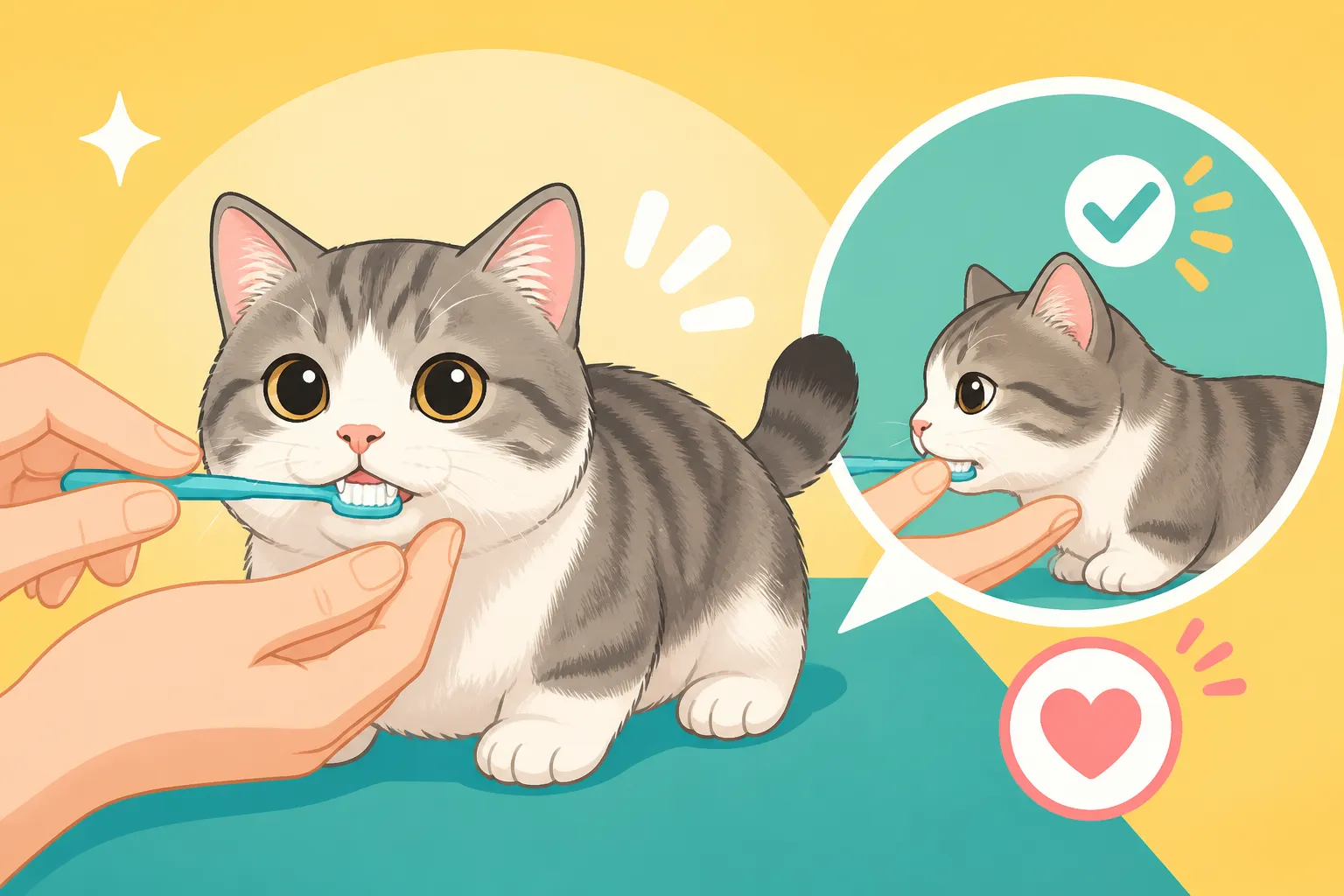
- Positioning Your Munchkin (and Yourself): Find your low, stable spot. Sit on the floor with your Munchkin nestled in your lap, facing away from you, or with their side against your body. Alternatively, have them on a low, sturdy table where you can comfortably stand or sit beside them. The idea is that their head remains at a natural level, not tilted upwards. You want to be able to comfortably reach their mouth from the side or slightly from above, without bending their neck.
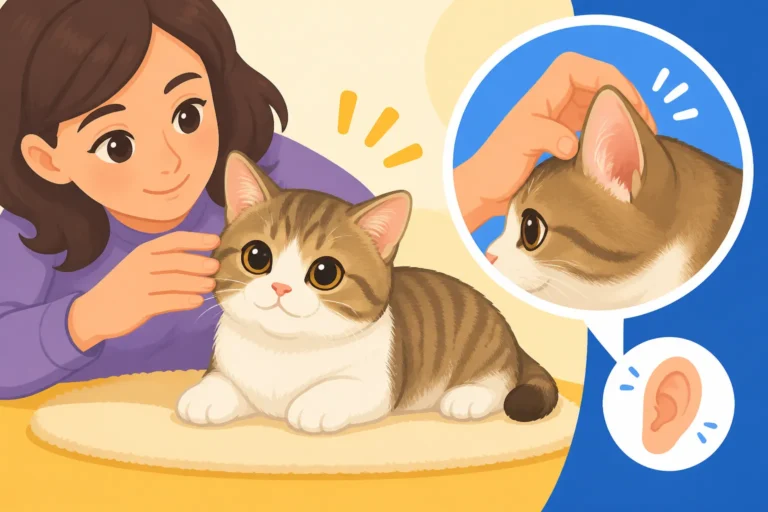
- Accessing the Mouth: Gently lift your Munchkin's upper lip with one hand. Don't try to open their mouth wide; you're only trying to expose the outer surfaces of their teeth and the gumline. You'll be brushing the outside surfaces primarily, as this is where most plaque accumulates and is also the easiest to reach.
- The Brushing Motion:
- Angle the Brush: Hold the toothbrush at about a 45-degree angle to the tooth surface, with the bristles pointing towards the gumline. This angle helps clean both the tooth surface and just under the gumline, where plaque often hides.
- Short, Gentle Strokes: Use short, circular, or back-and-forth strokes, focusing on a few teeth at a time. The pressure should be very light – you're massaging, not scrubbing.
- Focus on the Gumline: The most important area to clean is the gumline, where the tooth meets the gum. This is where bacteria and plaque accumulate the most.
- Work Systematically: Start with the canine teeth (the fangs), as they're easy to access, then move to the premolars and molars at the back. Try to get a few strokes on each tooth.
- Don't Forget the Other Side: Once you've done one side, gently reposition your Munchkin (or yourself) to reach the other side.
- Inside Surfaces (Optional but Recommended): If your Munchkin is very cooperative, you can very gently try to get a few strokes on the inner surfaces of their teeth, particularly the lower canines, but this is much harder and less critical than the outer surfaces. Don't push it if they resist.
- Keep it Brief: Aim for 30-60 seconds total for a full brushing session. It’s better to have a short, positive session than a long, stressful one.
Post-Brushing Rewards and Routine Reinforcement
Immediately after your short brushing session, heap on the praise, offer that high-value treat, or engage in a favorite play session. This reinforces the positive association and makes your Munchkin more likely to cooperate next time. Consistency is key here. Try to brush at the same time each day, so it becomes a predictable part of their routine. How to Fit Toothbrushing Into a Munchkin's Routine might sound like a big ask, but over time, it becomes second nature.
Remember, every step is about building trust and positive reinforcement. If your Munchkin is distressed, stop and try again later. It's a marathon, not a sprint, to good dental health.
Complementary Dental Care Strategies for Munchkins
While daily tooth brushing is the gold standard for maintaining your Munchkin's oral health, it's not the only tool in your arsenal. A multi-modal approach, combining brushing with other supportive strategies, can provide the most comprehensive protection against dental disease. These methods are particularly helpful for those hard-to-reach spots or for days when your Munchkin just isn't in the mood for brushing.
Dental Treats and Chews: What to Look For
Not all dental treats are created equal! Many treats marketed for "dental health" do little more than provide extra calories. For actual efficacy, look for products that carry the VOHC (Veterinary Oral Health Council) seal of acceptance. This seal indicates that the product has met specific scientific standards for reducing plaque and/or tartar.
When choosing dental treats for your Munchkin:
- Size Matters: Ensure the treat is appropriately sized for a cat, not a dog. A large, hard chew meant for a bigger animal could pose a choking hazard or even fracture a tooth.
- Texture is Key: VOHC-approved treats typically have a specific texture that mechanically scrapes plaque off the tooth surface as your cat chews. Some are designed to be slightly abrasive, while others use specific shapes to maximize contact.
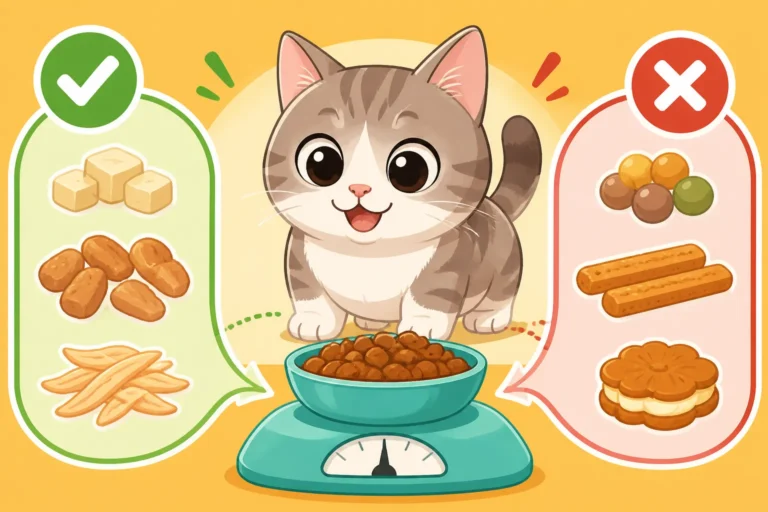
- Calorie Content: Remember that treats add calories! Whether Dental Treats Fit a Munchkin's Calorie Ration is a very important consideration, especially for Munchkins who are already prone to weight gain due to their lower activity levels. Choose treats with lower calorie counts or adjust their main meal portions accordingly to prevent unwanted weight gain, which can exacerbate other health issues. You can find a wide range of VOHC-approved options on Chewy or at your local pet supply store.
While beneficial, dental treats are generally considered adjunctive to brushing, not a replacement. They primarily clean the chewing surfaces of the teeth and sometimes the outer surfaces, but rarely reach the gumline as effectively as a toothbrush.
Water Additives and Oral Rinses
Water additives and oral rinses can be another layer of defense against plaque and bad breath. These products typically contain ingredients designed to inhibit bacterial growth, break down plaque, or freshen breath.
- Water Additives: These are liquids you add to your cat's drinking water daily. They're usually flavorless and odorless, so most cats accept them without issue. The active ingredients typically work to reduce bacteria in the mouth, which in turn reduces plaque formation and odor.
- Oral Rinses/Gels: Applied directly to the gums or teeth, these can provide a more concentrated dose of active ingredients. Gels can be particularly useful as they adhere to the teeth and gums for longer contact time.
Important Considerations:
- Consistency: Like brushing, these products only work if used consistently as directed.
- Not a Standalone Solution: Water additives and rinses are best viewed as complementary tools. They are generally less effective than direct mechanical brushing at removing existing plaque and tartar, especially along the gumline. They don't replace the need for regular brushing or professional veterinary care.
- Palatability: While most water additives are designed to be undetectable, some cats might notice a subtle change in their water and refuse to drink. Always monitor your Munchkin's water intake if you start using an additive.
Regular Veterinary Dental Check-ups and Professional Cleanings
Even with the most diligent home care, professional veterinary dental care is indispensable. Cats, just like people, need regular professional attention to their teeth.
- Annual Dental Checks: During your Munchkin's annual veterinary visit, your vet will perform an oral examination. They'll look for signs of gingivitis, periodontal disease, broken teeth, resorptive lesions (painful erosions that occur on the tooth surface), and other issues. How Often a Munchkin Needs a Dental is a question best answered by your vet, but generally, annual checks are the minimum.
- Professional Dental Cleanings (Under Anesthesia): If your vet detects significant plaque, tartar, or signs of disease, they will likely recommend a professional dental cleaning. This is performed under general anesthesia for several crucial reasons:
- Thorough Examination: Anesthesia allows the vet to perform a comprehensive examination of every tooth surface, including probing under the gumline and taking dental X-rays. Dental X-rays are vital because much of feline dental disease occurs below the gumline, invisible to the naked eye.
- Scaling and Polishing: Specialized ultrasonic scalers are used to remove plaque and tartar from above and below the gumline. Each tooth is then polished to create a smooth surface that is less receptive to new plaque buildup.
- Extractions and Treatment: If diseased or damaged teeth are found, they can be safely extracted or treated while your cat is comfortably anesthetized.
- Pre-Anesthetic Bloodwork: Before any anesthetic procedure, pre-anesthetic bloodwork is typically recommended. This assesses your Munchkin's organ function to ensure they are healthy enough for anesthesia and to help tailor the anesthetic protocol to their individual needs. This is part of Which Blood Panel a Munchkin Should Have Yearly for general health, but it's especially critical before dental procedures.
While professional dental cleanings carry some risk due to anesthesia, modern veterinary anesthesia is very safe, especially with appropriate pre-anesthetic screening and monitoring. The benefits of preventing and treating painful dental disease far outweigh these risks. It's an investment in your Munchkin's comfort, health, and longevity.
Troubleshooting Common Challenges and Maintaining Motivation
Even with the best tools and techniques, you're bound to encounter bumps in the road when it comes to brushing your Munchkin's teeth. Cats are individuals, and some will be more amenable to dental care than others. The key is to stay patient, flexible, and persistent.
Dealing with Resistance and Fear
It's completely normal for a cat to resist tooth brushing, especially at first. They might bat at the brush, try to run away, or even give a warning hiss. Don't take it personally! Their mouth is a sensitive area, and they're not used to you poking around in there.
Here’s how to handle resistance:
- Go Back a Step: If your Munchkin suddenly becomes resistant, don't force it. Go back to a previous step in the acclimation process where they were comfortable. Maybe it's just letting them lick toothpaste off your finger again, or simply gently touching their lips.
- Shorten Sessions Drastically: Even 10-15 seconds of successful brushing is better than a forced 60-second struggle. Keep it incredibly brief and end on a positive note.
- Choose the Right Time: Cats are often more receptive when they are relaxed, perhaps after a nap or a calm cuddle session. Avoid trying to brush when they are wound up, playful, or hungry.
- Use High-Value Rewards: That one treat they absolutely go crazy for? Reserve it only for dental brushing sessions. This creates a strong positive association.
- Towel Wrapping (Gently!): For some particularly squirmy cats, a "burrito wrap" in a soft towel can provide gentle restraint and make them feel more secure. Ensure they can still breathe comfortably and aren't overheating. This isn't about pinning them down, but about minimizing their ability to wiggle away and making them feel snug.
- Consider a Different Toothpaste Flavor: Even if they liked it initially, cats can be finicky. Try a different flavor if they suddenly turn their nose up.
- Patience, Patience, Patience: It can take weeks or even months to get your Munchkin fully on board. Don't get discouraged by setbacks. Every little step forward is a victory.
If resistance turns into aggression or extreme fear, stop and consult your vet. They might have additional tips or be able to check for underlying dental pain that's making the process unbearable. Whether a Munchkin Is in Pain From Its Legs is often considered, but dental pain is also a serious, silent issue.
Recognizing Signs of Dental Pain or Advanced Disease
Sometimes, resistance to brushing isn't just about being a typical cat; it can be a sign of underlying pain or advanced dental disease. It’s crucial to be vigilant for these indicators:
- Bad Breath (Halitosis): While "cat breath" isn't usually minty fresh, unusually foul or persistent bad breath is a strong indicator of bacterial overgrowth and dental disease.
- Red, Swollen, or Bleeding Gums: These are classic signs of gingivitis or more advanced periodontal disease.
- Pawing at the Mouth or Face: Your Munchkin might try to relieve discomfort by rubbing their face or pawing at their mouth.
- Drooling: Excessive drooling, sometimes tinged with blood, can indicate oral pain or infection.
- Difficulty Eating or Dropping Food: If your cat suddenly becomes pickier with their food, chews on one side of their mouth, drops kibble, or shows a preference for wet food over dry, it could be due to painful teeth.
- Weight Loss: Chronic pain or difficulty eating can lead to a decrease in appetite and subsequent weight loss.
- Behavioral Changes: A cat in pain might become withdrawn, irritable, or less playful. They might hide more often.
- Visible Tartar Buildup: Yellowish-brown crusts on the teeth, especially near the gumline, are clear signs that brushing isn't enough or isn't happening consistently.
If you observe any of these signs, don't delay – schedule a veterinary appointment immediately. Early intervention can prevent further suffering and preserve your Munchkin's oral health.
Long-Term Commitment to Oral Health
Caring for your Munchkin's teeth isn't a one-time fix; it's a lifelong commitment. Just like their diet, exercise, and regular vet check-ups, dental care is an integral part of their overall well-being.
- Consistency is Paramount: Regularity is far more important than intensity. A quick, gentle brush every day is infinitely better than an infrequent, vigorous scrub.
- Adapt as They Age: As your Munchkin gets older, their needs might change. They might become more prone to arthritis, which could make some brushing positions uncomfortable. Be prepared to adjust your technique or frequency. Caring for an Old Munchkin That Has Stopped Climbing might also mean their general mobility is declining, making them more sensitive to handling.
- Stay Informed: Keep up-to-date with new dental care products and recommendations from your veterinarian.
- Celebrate Small Wins: Every successful brushing session is a win for your Munchkin's health. Acknowledge your efforts and their cooperation!
By integrating these strategies into your Munchkin's routine, you're not just preventing bad breath; you're safeguarding their systemic health, ensuring they can eat comfortably, and ultimately contributing to a longer, happier life together.
| Dental Care Method | Primary Benefit | Ease of Use | Munchkin Suitability | Notes |
|---|---|---|---|---|
| Manual Brushing | Gold standard for plaque removal | Medium to Hard | Excellent (with adaptation) | Requires patience & specific technique; most effective. |
| Enzymatic Toothpaste | Breaks down plaque, palatable | Easy | Excellent | Essential companion to brushing; never use human toothpaste. |
| VOHC Dental Treats | Aids in mechanical plaque scraping | Easy | Good (monitor calories) | Look for VOHC seal; not a substitute for brushing. |
| Water Additives/Rinses | Reduces oral bacteria, freshens breath | Easy | Good (monitor water intake) | Complementary, not a standalone solution. |
| Professional Cleaning | Comprehensive removal of tartar & exam | N/A (Vet performed) | Essential | Requires anesthesia; critical for existing disease. |
Disclaimer
This article is for general informational purposes only and does not constitute professional advice. Laws, prices and regulations vary by location and change over time. Consult a qualified professional for guidance on your specific situation.