Whether a Munchkin Without Papers Is Still a Munchkin
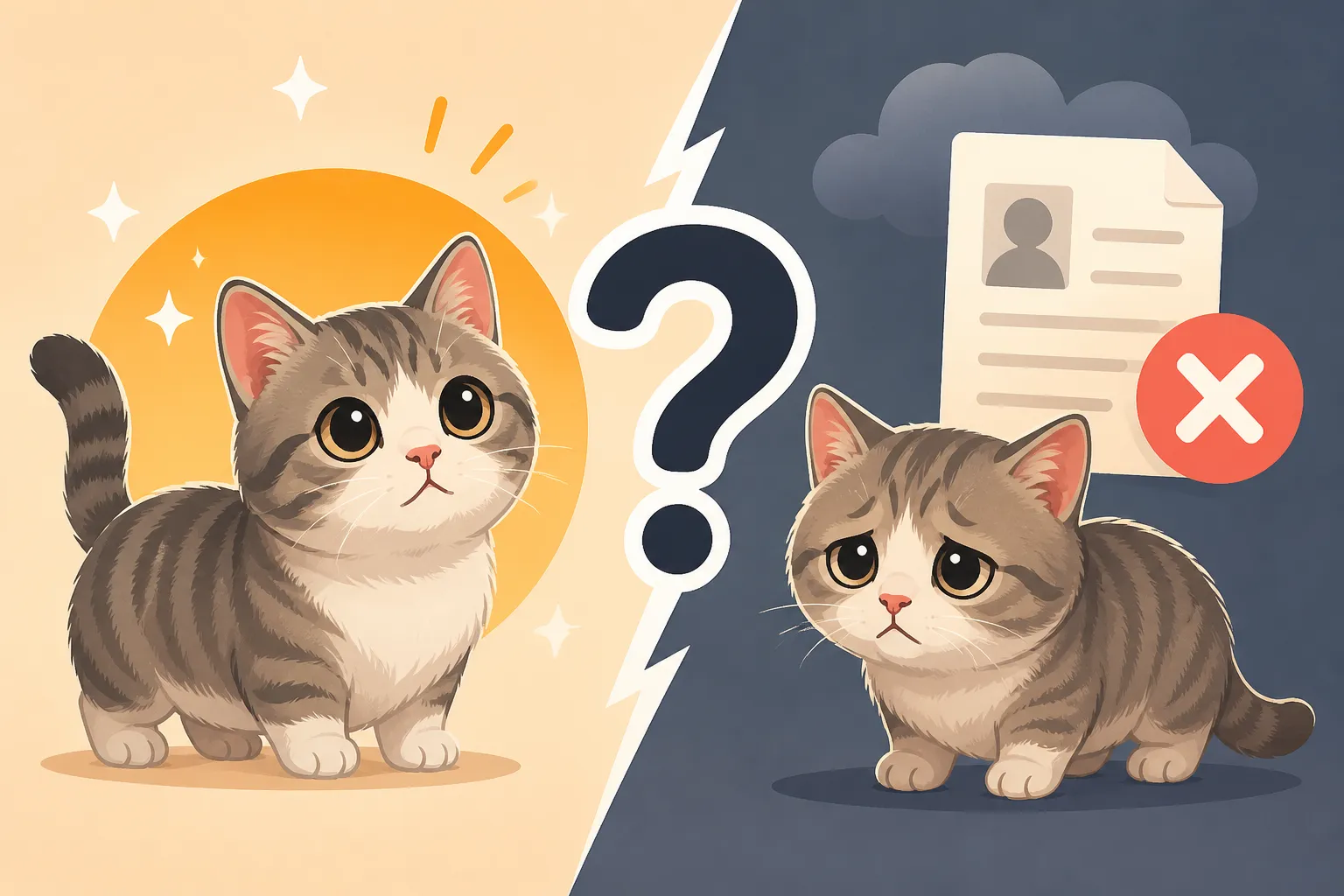
It's a common dilemma, isn't it? You've fallen head over heels for an adorable short-legged cat, and everyone calls them a Munchkin, but then you hear whispers about "papers" and suddenly you're left wondering: is my beloved furball really a Munchkin if they don't have that official paperwork? This guide is here to untangle that very confusion, helping you understand what papers mean in the cat world, why some Munchkins have them and others don't, and what truly defines this unique breed.
Understanding What "Papers" Actually Mean for a Munchkin
When people talk about "papers" for a purebred cat, they're generally referring to registration documents issued by a recognized cat fancy association. These papers confirm a cat's lineage, proving that its parents and ancestors were indeed of the specified breed and registered within that association. For Munchkins, this topic can be a bit more complex than for some other breeds, largely due to ongoing debates in the cat community.
The Role of Registries Like TICA
For the Munchkin breed, the primary international registry that grants full recognition and championship status is The International Cat Association (TICA). TICA was instrumental in developing the Munchkin breed standard and allowing these charming cats to be shown and formally recognized. This recognition is a big deal because it means TICA maintains a verifiable pedigree database. If your Munchkin has TICA papers, it means its breeder followed specific rules, registered the parent cats, and reported the litter, proving a traceable lineage back to the breed's foundational cats. This isn't just a fancy certificate; it's a record of genetics and responsible breeding practices.
On the other hand, many other prominent cat registries, such as the Cat Fanciers' Association (CFA) or the Governing Council of the Cat Fancy (GCCF) in the UK, have chosen not to recognize the Munchkin breed. Their reasons often stem from welfare concerns regarding the genetic mutation responsible for the short legs. So, if someone asks why your Munchkin doesn't have CFA papers, it's because CFA doesn't register them at all! This distinction is crucial. Why Only TICA Papers Exist for a Munchkin can help shed more light on this. If you are ever unsure about the legitimacy of papers you're presented with, knowing How to Verify a Munchkin Is Registered at All can give you peace of mind.
Pedigree vs. Physical Appearance
It's easy to look at a cat with short legs and immediately assume it's a Munchkin. After all, that's their most distinctive physical trait! However, "papers" go beyond just looks. A pedigree is essentially a family tree that meticulously traces a cat's ancestry, ensuring that every cat in its lineage meets the breed standard and has been registered. This is especially important for breeds like the Munchkin, where a specific genetic mutation is responsible for their defining characteristic. A papered Munchkin has a documented history confirming that its short legs come from the Munchkin gene, rather than, say, an injury or a random, unrelated mutation.
The Munchkin's short legs are caused by an autosomal dominant gene, which means only one copy of the gene is needed for a cat to express the short-legged trait. This genetic characteristic is passed down from parent to offspring in a predictable way. For a cat to be considered a registered Munchkin, its lineage must demonstrate this genetic continuity through documented breeding. Breeders carefully plan matings between a short-legged Munchkin and a normal-legged cat (an "outcross") to maintain genetic diversity and avoid health complications associated with breeding two short-legged cats together. This is where the paper trail becomes vital – it shows you the responsible breeding choices made throughout the cat's family tree. For more on this, you can read How Munchkin Dwarfism Is Inherited. A detailed pedigree should even show Why a Munchkin's Pedigree Should Show Its Outcrosses, outlining the specific breeds used for outcrossing to maintain a healthy gene pool.
Why a Munchkin Might Not Have Papers
It's definitely not uncommon to encounter short-legged cats being called Munchkins that don't come with formal registration papers. There are several reasons why this might be the case, and understanding them can help you assess the situation without jumping to conclusions.
Unregistered Breeders and Pet-Only Sales
One of the most frequent reasons a Munchkin might not have papers is simply that it came from an unregistered breeder. These breeders might not be affiliated with TICA, or they might not follow the strict registration protocols required. They might be smaller operations, or perhaps accidental breeders. While these cats can still be perfectly healthy and loving companions, the lack of papers means there's no official record of their lineage. This can make it harder to verify their background or rule out potential genetic issues, as there's no transparent history to check.
Another very common scenario, even with reputable TICA-registered breeders, is "pet-only" sales. Many responsible breeders will sell kittens with a strict spay/neuter contract and will not provide full breeding papers or allow registration for breeding purposes. This is done to protect their lines, ensure responsible pet ownership, and prevent backyard breeding that might not prioritize health and genetic diversity. In such cases, your kitten might be eligible for a "limited" registration, meaning you can register them as a pet but not use them for breeding. However, some pet-only sales might not come with any papers at all, especially if the breeder is trying to ensure the cat is solely a companion and not used to proliferate the breed without proper understanding or ethical considerations. This is a significant reason Why an Unregistered Munchkin Is Common, as many wonderful companion cats are sold without the intent of being bred or shown.
Ethical Considerations and Breed Status
The Munchkin breed has been, and continues to be, a subject of considerable debate within the cat fancy and veterinary communities. Critics often raise concerns about the welfare implications of breeding cats with chondrodystrophy, the genetic condition that causes their short legs. They argue that the short legs can predispose Munchkins to spinal issues, arthritis, and mobility challenges. Because of these ongoing ethical debates, some individuals choose to breed Munchkins outside of formal registry systems, or simply as pets, avoiding the scrutiny that comes with official recognition.
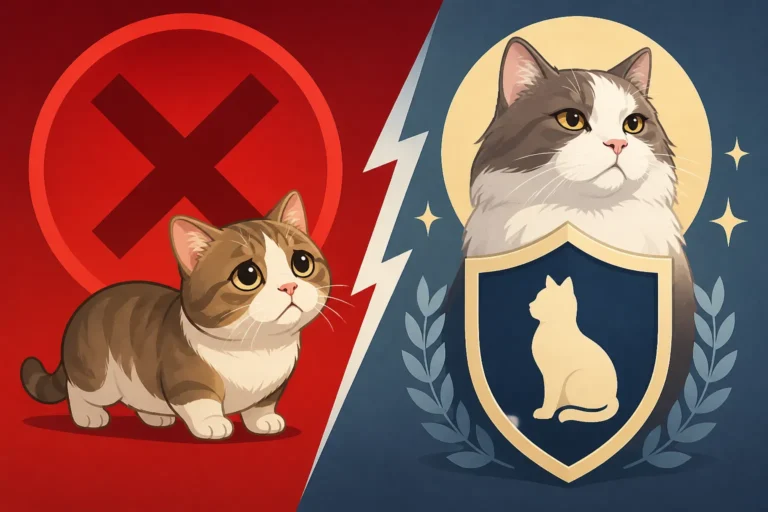
The status of the Munchkin breed is truly unique in this regard. While TICA recognizes them, many other organizations do not, leading to a fragmented view on their legitimacy. This divergence in opinion means that even if a cat looks like a Munchkin and is genetically a Munchkin, whether it's considered a "real" breed by everyone depends heavily on which authority they recognize. It creates a situation where a cat's status isn't just about its genes or its appearance, but also about the political and ethical stances of various feline organizations. It's a complex topic, and reading What Welfare Bodies Say About the Munchkin and Why Vets Disagree About the Munchkin can give you a broader perspective on the arguments involved.
Is Your Unpapered Cat "Truly" a Munchkin?
This is the burning question for many owners. If your cat doesn't have official papers, can you still confidently say it's a Munchkin? The answer largely depends on whether you're talking about genetic identity or formal breed recognition.
The Genetic Reality
From a purely genetic standpoint, if a cat possesses the dominant gene responsible for chondrodysplasia (the genetic mutation that causes short legs) and expresses that trait, then yes, it is genetically a Munchkin. Papers don't create the genetics; they document them. The short legs themselves are the primary physical manifestation of this gene. This means that a cat born with short legs, even if its parents were not registered or if its lineage is unknown, is still carrying and expressing the Munchkin gene. It's the biological reality of its make-up.
Think of it like eye color. If you have blue eyes, you have the genes for blue eyes, regardless of whether your parents' eye colors were formally recorded on a family tree. The Munchkin gene works in a similar, albeit more complex, way. Why Munchkin Dwarfism Is Called Autosomal Dominant explains that just one copy of the gene is enough to produce the short-legged trait. So, while papers are essential for breed registration and for verifying responsible breeding, they aren't necessary for a cat to be a Munchkin in the biological sense. The core of it comes down to How Munchkin Dwarfism Is Inherited – if the genetics are there, the short legs will be there.
Identifying a Munchkin Without Papers
So, how can you tell if your unpapered, short-legged cat is indeed a Munchkin? You'll need to rely on their distinctive physical characteristics and behaviors. Munchkins typically have:
- Disproportionately Short Legs: This is the hallmark feature. Their legs, particularly the front ones, are significantly shorter than those of a typical cat.
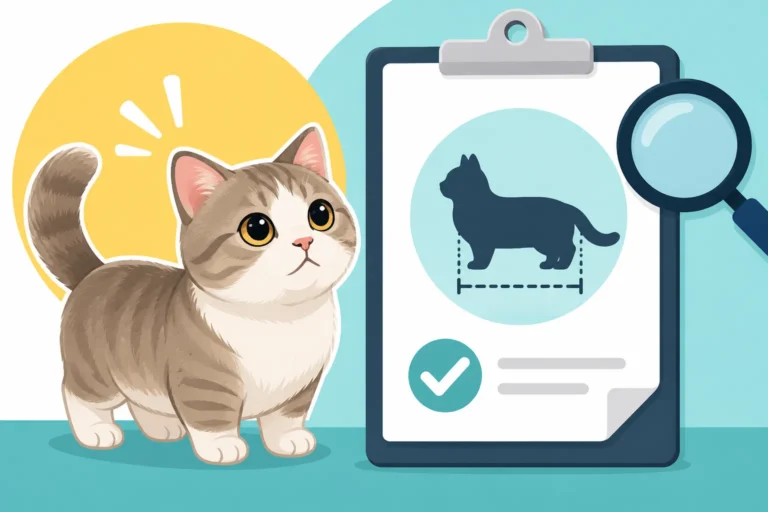
- Normal Body Length: Crucially, their bodies are not dwarfed. They have a normal feline torso and tail length, it's just the limbs that are affected. This gives them a distinct look, often described as a ferret-like gait because their long bodies are close to the ground. You can get a better sense of How Short a Munchkin's Legs Actually Are by observing different individuals.
- "Prairie Dog" Sit: Many Munchkins have a unique habit of sitting upright on their hind legs, balancing on their haunches, to get a better view. This posture is often likened to a prairie dog.
- Active and Playful Demeanor: Despite their short legs, Munchkins are generally very agile, playful, and curious. They run, chase, and explore with gusto, often surprising people with their speed on flat surfaces.
Beyond these visible traits, it's also important to consider potential health indicators that can sometimes be associated with the breed. For instance, Munchkins can be predisposed to conditions like lordosis (an inward curvature of the spine) or pectus excavatum (a sunken chest). While these are not universal to all Munchkins and can occur in any cat breed, their presence in a short-legged cat could further indicate the Munchkin genetic background. It's worth learning What Lordosis Actually Is in a Munchkin and understanding What a Sunken Chest Feels Like on a Munchkin Kitten to be aware.
If you know the parents of your unpapered cat, observing them can also offer clues. If one parent is a registered Munchkin and the other is a normal-legged domestic cat, then their short-legged offspring are almost certainly Munchkins, genetically speaking.
Here's a quick comparison to help visualize the distinction:
| Feature | Officially Papered Munchkin | Unpapered but Genetically True Munchkin |
|---|---|---|
| Genetic Trait | Possesses the dominant short-leg gene (chondrodysplasia) | Possesses the dominant short-leg gene (chondrodysplasia) |
| Physical Appearance | Displays classic short legs, normal body length, etc. | Displays classic short legs, normal body length, etc. |
| Pedigree Documentation | Verified by TICA, traceable lineage to foundation cats | No formal pedigree or registry papers |
| Breeding & Showing | Eligible for TICA championship shows and regulated breeding | Not eligible for TICA shows or formal breeding programs |
| Health Guarantee | Often comes with health guarantees and documented screenings | Relies on breeder's word; may have less documented health history |
| Value (Monetary) | Generally commands a higher price due to verified lineage | Typically less expensive; value is purely as a companion |
What It Means for You, the Owner
Ultimately, whether your Munchkin has papers or not primarily affects two things: its eligibility for formal breeding and showing, and the extent of documented health history you receive. For most pet owners, the lack of papers doesn't diminish the love, joy, or unique personality that these cats bring into their lives.
Implications for Breeding and Showing
If your short-legged cat lacks registration papers, it means they cannot be officially shown in TICA-sanctioned events as a Munchkin. It also means they are not recognized for formal breeding programs within the established cat fancy. This isn't a bad thing for most owners, as the vast majority of Munchkins are cherished family pets. In fact, many reputable breeders prefer to sell kittens on pet-only contracts specifically to discourage backyard breeding and ensure the health and welfare of the breed.
If you were considering breeding your Munchkin, an unpapered cat would not allow you to register any offspring as purebred Munchkins, nor would it contribute to the official gene pool. Moreover, breeding requires a deep understanding of genetics, health screenings, and ethical practices. The Munchkin gene itself carries complexities, such as the lethal homozygous combination, meaning breeding two short-legged Munchkins together results in non-viable embryos. This is why a strong code of ethics, often enforced by breeding contracts and registry rules, is so vital. It's a key reason Why a Munchkin Contract Forbids Breeding Two Short Legs, for example.
Health and Care Considerations
The most important takeaway for any Munchkin owner, papered or not, is that the cat's unique physical conformation requires thoughtful care and attention throughout its life. Their short legs mean they experience the world differently than long-legged cats. They might not be able to jump onto high surfaces as easily, and their spine and joints carry a load that a normal cat's does not. This is why Why Weight Control Is the Whole Munchkin Care Plan is so critical; even a little extra weight can put significant strain on their short limbs and spine.
You'll want to ensure your home is adapted for their needs. This means things like providing Ramps and Steps Are Munchkin Equipment, Not Luxuries to help them access furniture, low-entry litter boxes, and raised food bowls to prevent neck strain. Companies like Chewy offer a wide range of specialized pet products that can make these adaptations easier, from senior-friendly litter boxes to pet stairs designed for smaller animals.
Veterinary care is also paramount. Regardless of whether your Munchkin has papers, it's vital to discuss their unique anatomy with your vet. Regular check-ups should include careful palpation of the spine and assessment of their gait. Be proactive about joint health; many Munchkin owners consider joint supplements, which can often be found through pet supply retailers like Chewy or specialty brands. Understanding Why a Munchkin's Vet Year Includes Its Joints is crucial, as early detection and management of conditions like arthritis can significantly improve their quality of life. Even if papers are absent, consistent veterinary care and a well-adapted home environment ensure your short-legged companion thrives.
Disclaimer
This article is for general informational purposes only and does not constitute professional advice. Laws, prices and regulations vary by location and change over time. Consult a qualified professional for guidance on your specific situation.