Why the Munchkin Gene Has Not Been Identified
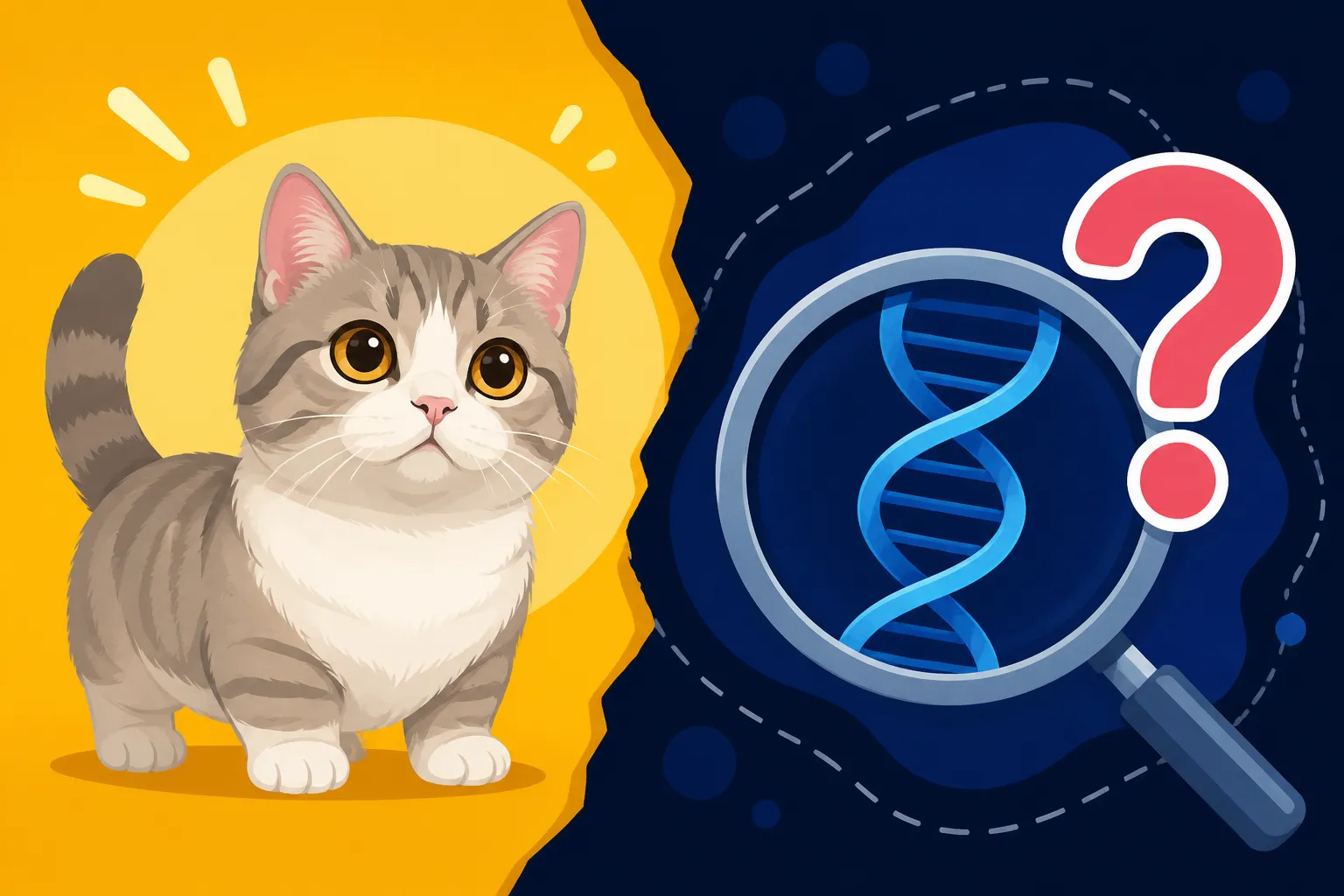
It’s incredibly frustrating for many cat lovers and even ethical breeders that, despite the distinctive look of the Munchkin cat, the specific gene responsible for their signature short legs hasn't been definitively identified. You might wonder why, in an age of advanced genetic science, this particular piece of the puzzle remains elusive. It’s not for lack of trying, but rather a complex interplay of genetic factors, scientific challenges, and the historical context of the breed itself. This guide will delve into the knowns and unknowns surrounding the Munchkin gene, shedding light on why its precise identification continues to be a scientific enigma.
Understanding the Inherited Trait
Before diving into why the gene hasn't been identified, it's crucial to understand what we do know about how the Munchkin's short legs are passed down. This isn't a mystery; the inheritance pattern has been well-established through breeding practices and observations over decades.
Autosomal Dominant Inheritance
The short-legged trait in Munchkin cats is known to be inherited in an autosomal dominant manner. What does "autosomal dominant" really mean for your furry friend? Well, "autosomal" means the gene isn't located on the sex chromosomes (X or Y), so it affects males and females equally. "Dominant" means that a cat only needs to inherit one copy of this particular gene mutation from one parent to express the short-legged trait. If a cat inherits even one copy, it will have short legs. This is why you'll often see that in a Munchkin litter, about half the kittens have short legs, while the other half have normal leg length, as explored in the article "Why Half a Munchkin Litter Has Normal Legs". This inheritance pattern dictates how breeders must plan their matings.
For instance, if you breed a short-legged Munchkin (which carries one copy of the gene, represented as Mm) with a normal-legged cat (which carries two copies of the normal gene, mm), you'll typically get a litter where approximately 50% of the kittens are short-legged (Mm) and 50% are normal-legged (mm). This predictable ratio is a hallmark of dominant inheritance. It's a fundamental aspect of understanding why the Munchkin gene has not been identified with a specific DNA marker, as breeders are working with a known effect without knowing the exact cause at the molecular level.
The Lethal Homozygous Condition
One of the most critical aspects of Munchkin genetics, and a key reason for controversy, is that the gene is considered lethal in two copies. This means that if a kitten inherits two copies of the short-leg gene (MM) – one from each parent – it will not survive. These embryos are typically reabsorbed early in gestation or are stillborn. This is why you will never see a litter where "two short-legged Munchkins are never bred together," as detailed in the linked article, because doing so would risk producing kittens that inherit two copies of the gene, leading to devastating outcomes. The breeding protocol is always to cross a short-legged Munchkin with a normal-legged cat. This ensures that no kitten can inherit two copies of the mutation, mitigating the risk of the lethal homozygous condition.
This lethal aspect highlights a significant challenge in genetic research: studying a gene that, in its double-dose form, prevents live births. While this pattern of inheritance is well-understood, pinpointing the exact gene responsible, particularly when its homozygous expression is fatal, adds a layer of complexity that some other genetic conditions don't present.
The Scientific Hurdles to Gene Identification
So, if the inheritance pattern is so clear, why can't scientists just find the gene? The answer lies in the inherent complexities of feline genomics and the practical challenges of scientific research. It's not as simple as looking for a single switch.
The Vastness of the Feline Genome
Imagine trying to find a specific misspelled word in a library containing millions of books, without knowing the author, title, or even the subject. That's a bit like trying to find a single gene mutation in a cat's entire genome. The feline genome, like that of humans and other complex organisms, is incredibly vast, composed of billions of base pairs of DNA. Pinpointing the exact location of a specific mutation within this immense landscape is a monumental task.
Even with advanced sequencing technologies, identifying the precise gene responsible for a trait like short legs involves comparing the genomes of affected cats with unaffected cats, looking for unique differences. However, cats, like all living creatures, have natural genetic variations that are completely normal and don't cause any specific traits. Differentiating the significant mutation from background "noise" can be incredibly challenging. Furthermore, the mutation might not be a simple single-nucleotide change; it could be a larger insertion, deletion, or rearrangement that is harder to spot, making "Why the Munchkin Gene Has Not Been Identified" a fascinating scientific question.
The Complexity of Gene Expression
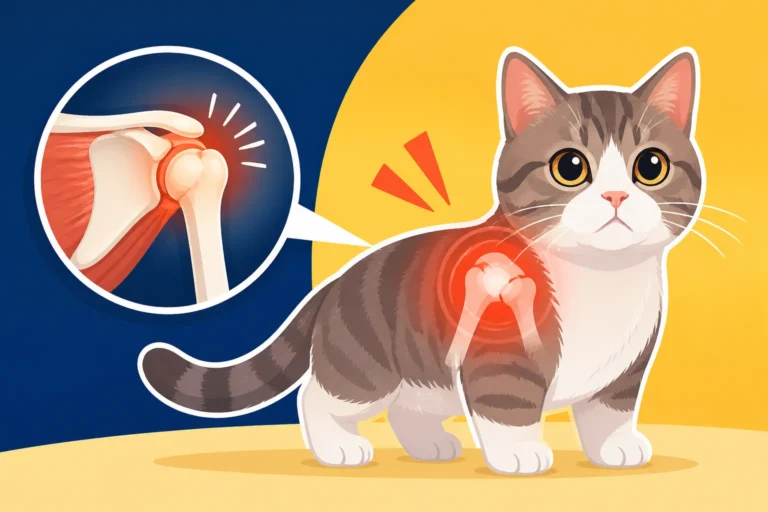
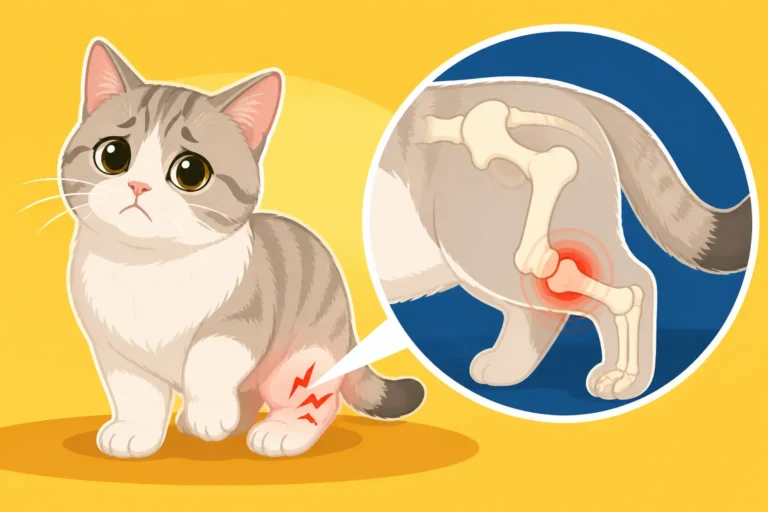
Sometimes, a single gene mutation can have multiple effects on an organism – a phenomenon called pleiotropy. Conversely, some traits can be influenced by multiple genes (polygenic inheritance). While the Munchkin's short legs appear to be a clear, single-gene dominant trait, the exact mechanism by which that gene causes cartilage shortening without affecting other bone growth (like the spine, which is normal length as discussed in "Why a Munchkin's Spine Is Normal Length") is complex. The gene might be involved in a fundamental developmental pathway, and its mutation could subtly alter the growth plates of long bones.
Moreover, the gene might not even be a coding gene (one that produces a protein). It could be a regulatory element, a small RNA molecule, or a non-coding region that influences other genes. These types of mutations are far more difficult to identify and characterize than a simple mutation in a well-known protein-coding gene. Without a clear understanding of the biochemical pathway affected, the search area remains vast and undefined.
Resource Allocation and Research Priority
While the Munchkin cat is popular, the resources dedicated to identifying its specific gene mutation are relatively limited compared to research into debilitating feline diseases or traits with significant agricultural or human health implications. Genetic research is incredibly expensive and time-consuming, requiring specialized equipment, expert geneticists, and large cohorts of carefully studied animals.
There simply isn't the same level of funding or urgency to identify the Munchkin gene as there might be for, say, a gene responsible for a widespread feline cancer or a severe inherited neurological disorder. Most available research on Munchkin health tends to focus on observable conditions like lordosis or pectus excavatum, as detailed in "Which Studies Exist on Munchkin Health", rather than the fundamental genetic cause of the short legs themselves. This isn't to say the research isn't valuable, but it means that the specific question of gene identification may not be at the top of the scientific community's priority list without a dedicated funding initiative.
Implications for Breeding and Ethical Debates
The ongoing lack of a molecular test for the Munchkin gene has significant repercussions for breeders, owners, and the wider animal welfare community. It fuels debates and necessitates a reliance on careful observation and ethical practices.
Reliance on Phenotype and Pedigree
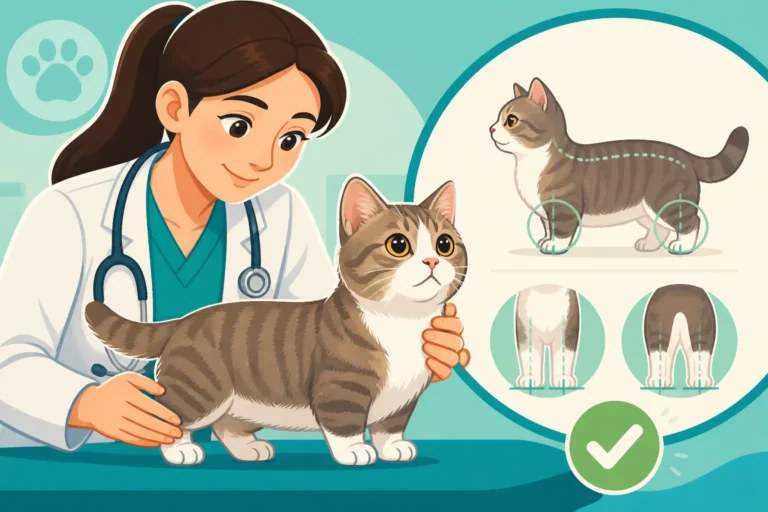
Since there's no DNA test to confirm the presence of the Munchkin gene, breeders must rely entirely on the phenotype (the observable trait – short legs) and careful pedigree tracking to manage their breeding programs. They visually identify short-legged cats and then use this information, combined with knowing that the gene is autosomal dominant and lethal in two copies, to plan matings safely. This means that a cat's appearance is the primary indicator, not a definitive genetic marker. For a breeder striving for the health and welfare of their kittens, this reliance on observation can be a source of stress, especially with potential issues like "What a Munchkin Breeder Should Be Able to Show You" to prove their lineage.
This reliance means breeders must be exceptionally diligent about record-keeping and understanding basic genetics. They must ensure that only one short-legged parent is used in any mating. If a breeder accidentally or intentionally breeds two short-legged Munchkins, the resulting tragic loss of homozygous embryos is a direct consequence of the lethal gene. The lack of a test also means there's no way to definitively "screen out" the gene from a lineage other than by simply not breeding short-legged cats, which would, by definition, eliminate the Munchkin breed itself.
Fueling the Welfare Debate
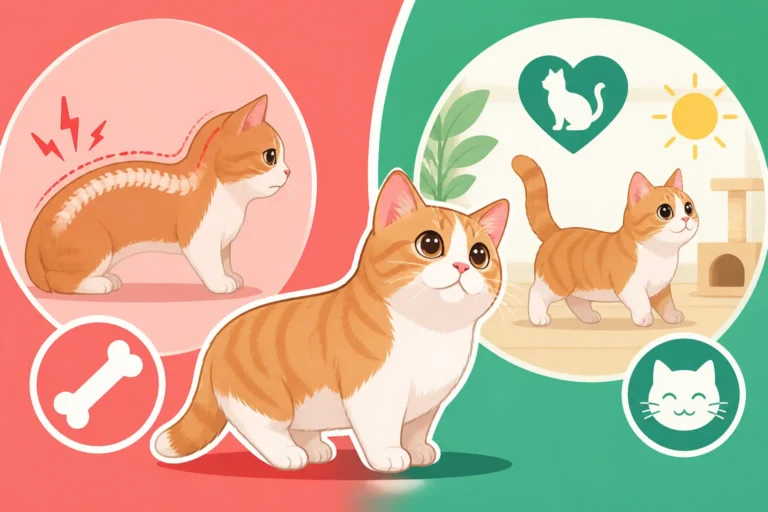
The absence of a identified gene also contributes significantly to the ongoing ethical debate surrounding the Munchkin breed. Critics of the breed often argue that breeding for a genetic mutation that causes a physical abnormality, and is lethal in its homozygous form, is inherently unethical. They point to potential secondary health issues, such as spinal problems like lordosis, which is "What Lordosis Does to a Munchkin", as evidence of welfare concerns. Without a specific gene identified and a clear understanding of its full pleiotropic effects, it's harder for proponents of the breed to definitively refute claims that the gene might be linked to broader skeletal or health issues beyond just leg length.
Animal welfare organizations and some veterinary bodies express reservations about breeds with genetic conditions that may compromise quality of life. The lack of a specific gene identification can make it more challenging to collect robust, targeted research data to address these concerns head-on. It leaves a knowledge gap that makes it harder to move past the debate of whether "Munchkin Dwarfism Is Dominant and Lethal in Two Copies" to a complete scientific understanding. This is where comprehensive pet insurance providers like Healthy Paws, who cover eligible accidents and illnesses, become essential for owners, helping to manage unexpected health issues regardless of their genetic origin.
Future Prospects and Ongoing Research
Despite the challenges, the scientific community continues to advance in feline genomics. As technology becomes more accessible and cost-effective, more breeds are having their genomes studied.
The Promise of Whole Genome Sequencing
Whole genome sequencing (WGS) is the process of determining the entire DNA sequence of an organism's genome. As the cost of WGS continues to decrease, it offers the most promising avenue for identifying the Munchkin gene. By sequencing the genomes of multiple short-legged Munchkins and comparing them to those of normal-legged cats from various breeds, researchers could identify unique genetic markers or mutations consistently present only in the short-legged cats. This kind of extensive comparative genomics has been successful in identifying disease-causing genes in other breeds and species.
Imagine a future where a simple cheek swab could tell you definitively if a kitten carries the Munchkin gene. Such a test would revolutionize breeding practices, allowing breeders to make even more informed decisions and potentially alleviate some of the welfare concerns by providing a clear genetic marker. This is the ultimate goal, and with continued advancements, it's not an impossible dream, though "Why There Is So Little Munchkin Research" currently means it's a slower process than some would hope.
Collaboration and Data Sharing
Progress in identifying the Munchkin gene could be significantly accelerated through greater collaboration between breeders, veterinarians, and genetic researchers. Establishing a large-scale, publicly accessible database of feline genomic data, including samples from Munchkin cats and their outcrosses, would be invaluable. This would allow researchers worldwide to analyze data, compare findings, and potentially identify the elusive gene faster. Shared data, alongside detailed health records, could provide the statistical power needed to link specific genetic markers to observed phenotypes and associated health issues.
Such collaboration could also help address the question of "Whether Munchkin Spinal Problems Are More Common Than in Other Cats" by providing a broader dataset for analysis. Responsible breeders are often eager to contribute to scientific understanding, as the health and longevity of their cats are paramount. While a specific breakthrough is still pending, the scientific tools are available, and the path forward involves leveraging these tools with dedicated effort and collective resources. Ensuring your Munchkin cat receives comprehensive care, supported by pet insurance like Healthy Paws, can help manage health challenges that arise, whether or not the underlying genetic cause is fully known.
| Feature | Knowns About the Munchkin Gene | Unknowns About the Munchkin Gene |
|---|---|---|
| Inheritance | Autosomal dominant | Exact chromosomal location |
| Expression | Short legs (chondrodystrophy) | Specific gene locus (e.g., FGF4, COL2A1) |
| Homozygous Form | Lethal (embryonic reabsorption or stillbirth) | Precise molecular mechanism of lethality |
| Phenotype | Shortened long bones, normal body length, "prairie dog sit" | Any other subtle, long-term pleiotropic effects |
| Breeding | Requires outcross to normal-legged cat (Mm x mm) | If other genes modify the trait severity |
| Diagnosis | Visual observation (phenotype) and pedigree analysis | Definitive DNA test |
| Research Status | Extensive phenotypic observation and breeding records | Dedicated large-scale genome sequencing projects specific to this gene |
Ultimately, while the precise genetic code for the Munchkin's short legs remains a scientific mystery, the understanding of its inheritance is clear. Owners and breeders alike navigate the ethical and practical considerations with careful breeding and attentive care. The hope is that with ongoing advancements in genetic research and collaborative efforts, one day, the Munchkin gene will be definitively identified, providing even greater insights into this unique and often misunderstood feline friend.
Disclaimer
This article is intended for informational purposes only and does not constitute veterinary advice. Always consult with a qualified veterinarian for any health concerns or before making any decisions about your pet's care, breeding, or treatment. The information provided is based on current understanding and research, which may evolve over time.