Which Studies Exist on Munchkin Health
It's incredibly frustrating when you're trying to do your due diligence on a breed like the Munchkin cat, only to find that solid, widely accepted scientific studies seem few and far between. You want to know you're making an informed decision, especially when there's so much debate, but the clear-cut research you'd expect for other breeds can feel elusive. This guide aims to shed light on exactly which studies exist on Munchkin health, why the data might be harder to find, and what you, as a current or prospective owner, can glean from the information available.
The Challenge of Finding Comprehensive Munchkin Health Studies
When you start digging into the health of Munchkin cats, you might quickly notice something peculiar: the volume of large-scale, peer-reviewed scientific studies is not as extensive as it is for some other well-established cat breeds. This isn't necessarily because the breed is exceptionally healthy or unhealthy, but rather due to a combination of factors that make widespread research more difficult to fund and conduct.
Why Dedicated Research is Scarce
One of the primary reasons for the scarcity of comprehensive Munchkin health studies lies in the breed's relatively recent recognition and the ongoing controversy surrounding it. While The International Cat Association (TICA) recognized the Munchkin in the mid-1990s, many other major cat registries, such as the Cat Fanciers' Association (CFA) and the Governing Council of the Cat Fancy (GCCF), explicitly refuse to recognize the breed due to welfare concerns related to its unique physical characteristics. This lack of universal acceptance means fewer institutional grants are typically available for breed-specific research, and veterinary colleges might be hesitant to dedicate significant resources to a breed that some consider ethically problematic.
Furthermore, the very nature of the Munchkin gene, which results in Munchkin dwarfism is dominant and lethal in two copies, complicates breeding programs and, by extension, large-scale genetic health studies. Breeders must always outcross Munchkins to normal-legged cats, leading to litters where only half the kittens inherit the short-legged trait. This specific breeding practice, while ensuring genetic diversity, makes it harder to track breed-specific health trends across multiple generations without meticulously controlled studies, which are costly and time-consuming. When you compare this to breeds with decades, or even centuries, of established lines and widespread veterinary acceptance, the contrast in research accessibility becomes stark. It leaves many owners sifting through fragmented information, trying to piece together a full picture of their cat's potential health trajectory.
The Types of Data That Do Exist
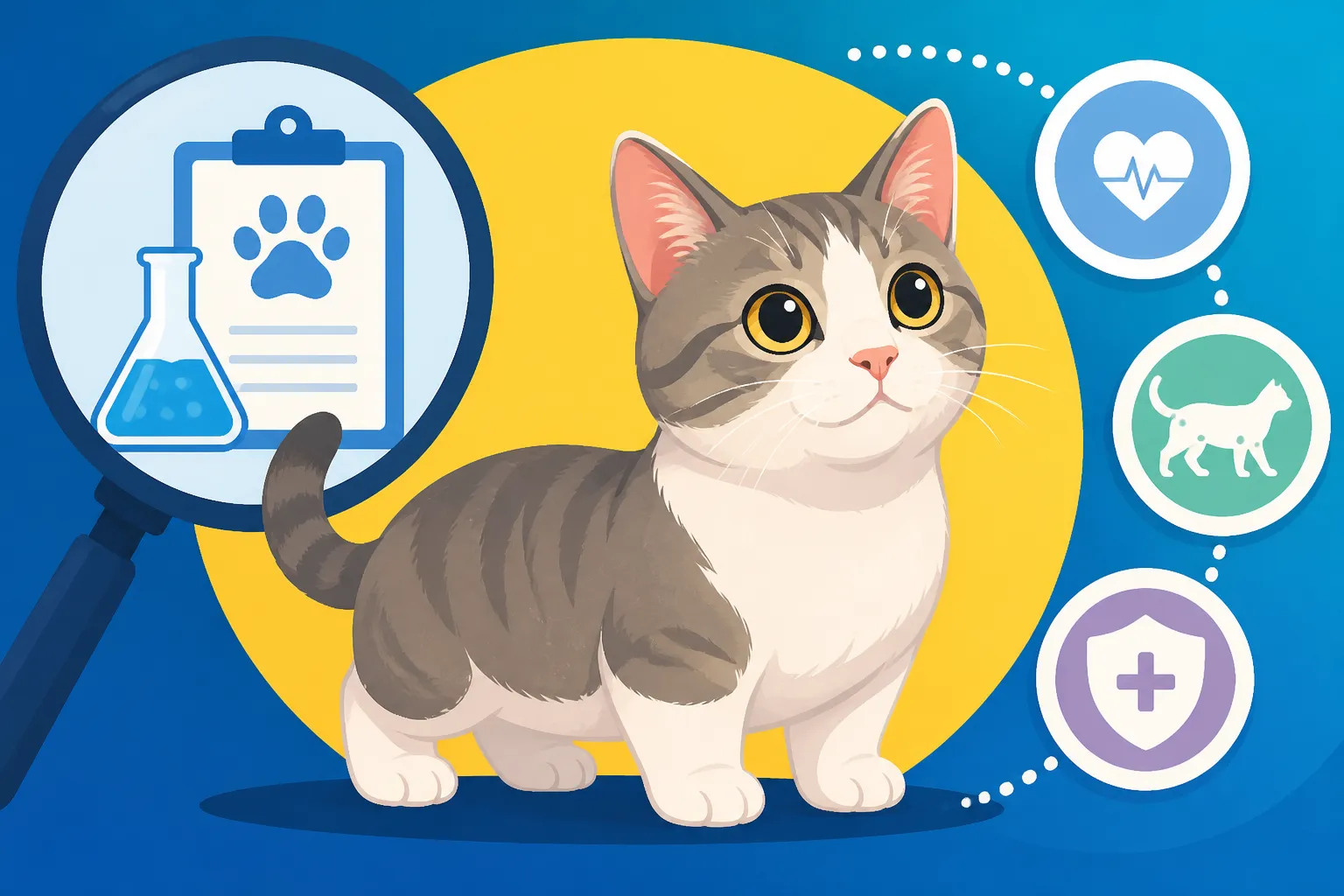
Despite the challenges, it's not as though there's no information out there. Instead, the data often comes in different forms than the large, multi-year epidemiological studies you might find for, say, a Persian or a Siamese. Much of the existing insight comes from individual veterinary case reports, smaller observational studies published in veterinary journals, and extensive anecdotal evidence shared among breeders and experienced owners. This kind of data, while valuable, requires careful interpretation, as it may not have the statistical power of a broad, controlled study.
For instance, you might find detailed reports on specific conditions, such as Lordosis is the spinal curve the Munchkin argument is about, or Pectus Excavatum and the Munchkin's sunken chest. These often highlight individual cases or small groups of cats affected by these conditions, offering clinical insights but not necessarily definitive percentages of the broader Munchkin population that might be affected. The available information often forms what is considered What the published Munchkin health data actually shows – a collection of targeted observations rather than sweeping breed health profiles. Some veterinary schools or research groups, such as the UC Davis Veterinary Genetics Laboratory (though not directly for Munchkins, they offer tests for other feline genetic conditions), contribute to the broader understanding of feline genetics, which can indirectly inform discussions around the Munchkin's unique mutation. It's a patchwork of information, and understanding its limitations is key to forming a realistic expectation of Munchkin health.
Specific Health Concerns and What (Limited) Research Suggests
When we talk about Munchkin health, the spotlight almost always falls on issues directly or indirectly related to their short legs and unique skeletal structure. While the dwarfism itself is generally well-understood genetically, its secondary effects on a cat's body are where most of the health concerns and the limited research focus.
Spinal Issues: Lordosis and Pectus Excavatum
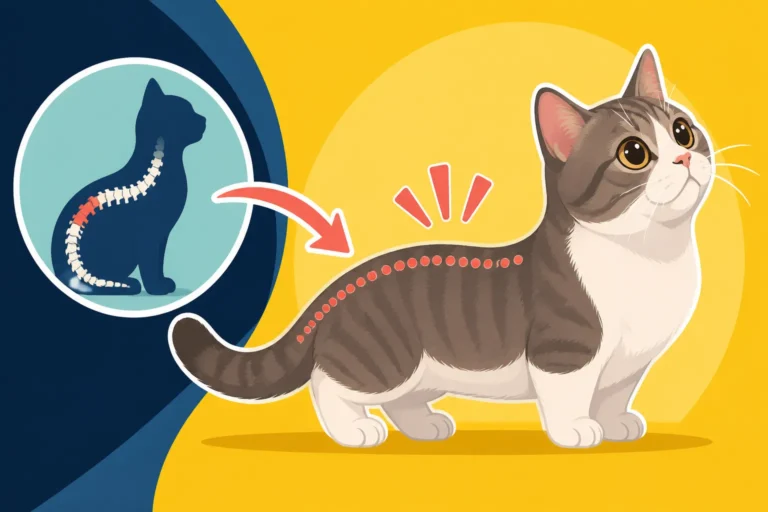
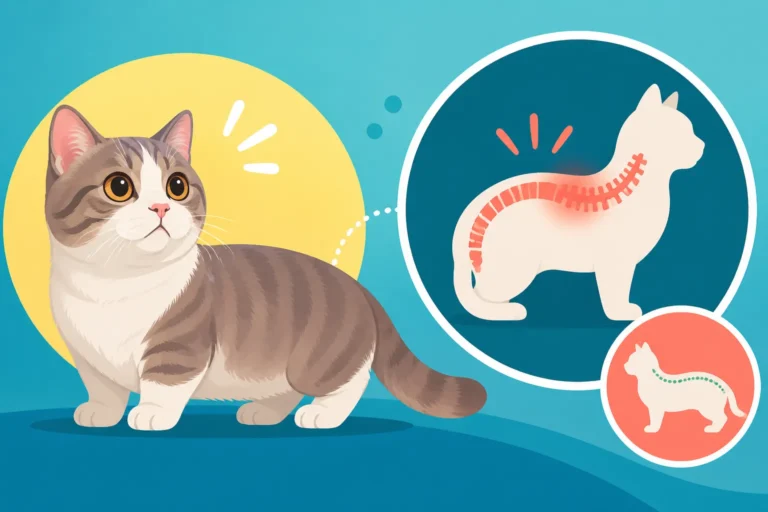
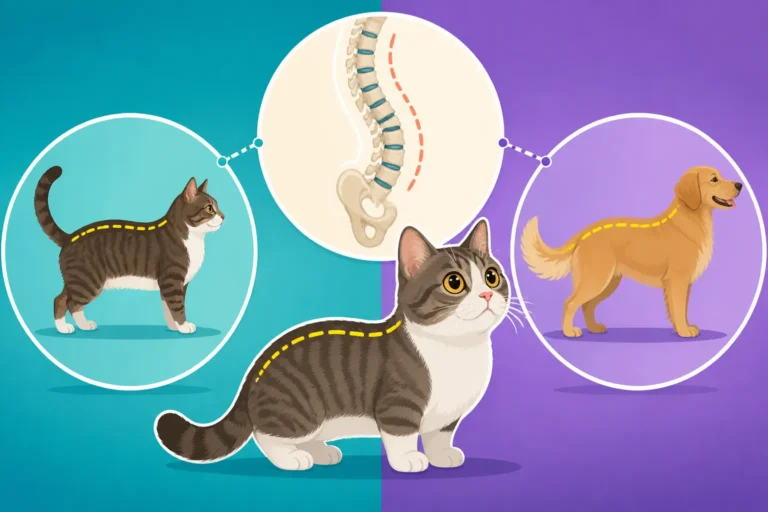
Two spinal and chest deformities consistently feature in discussions about Munchkin health: lordosis and pectus excavatum. Lordosis refers to an excessive inward curvature of the spine, specifically in the lumbar region. In Munchkins, this condition is particularly concerning because Why a Munchkin's spine carries a load a normal cat's does not. The shortened legs can alter their gait and posture, potentially putting additional stress on the spine. While lordosis isn't unique to Munchkins, its perceived prevalence and severity in the breed are points of contention. Studies that do exist are often case studies describing the condition, its progression, and the challenges it poses. For some unfortunate cats, Why severe lordosis compresses a Munchkin's organs can lead to life-threatening complications, impacting breathing and internal organ function. Recognizing How early lordosis shows in a Munchkin kitten is crucial for early intervention and ethical breeding practices.
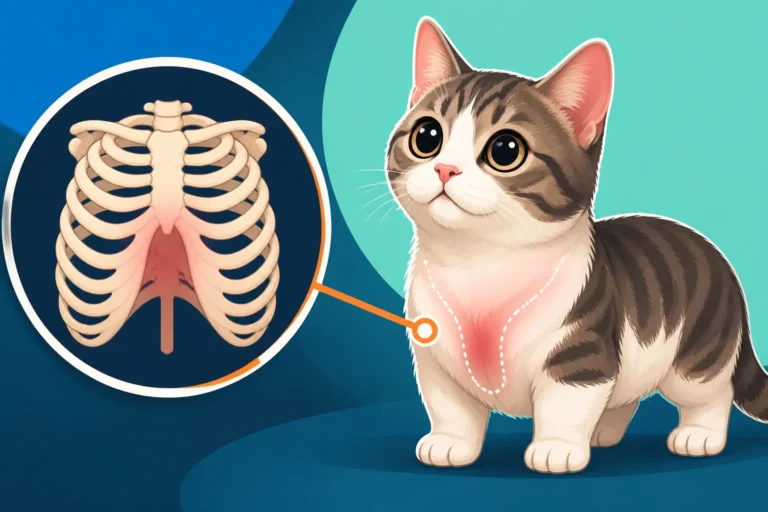
Pectus excavatum, or "funnel chest," is a congenital deformity of the sternum (breastbone) and rib cage, where the sternum grows inward. This condition can compress the heart and lungs, potentially leading to respiratory and cardiac issues. Like lordosis, it's not exclusive to Munchkins, but some anecdotal reports and smaller studies have noted its occurrence in the breed. What a sunken chest feels like on a Munchkin kitten might be described as a visible indentation or a firm, unyielding area. Vets learn How a vet grades a Munchkin's sunken chest from mild to severe, and treatment can range from monitoring to complex surgical correction. While no definitive link has been proven between the Munchkin gene and an increased risk of pectus excavatum, discussions about the breed often include screening for this condition, particularly in young kittens. Responsible breeders will often screen for both conditions.
Orthopedic and Joint Health
Beyond spinal deformities, the very structure of a Munchkin's legs naturally raises questions about their long-term orthopedic health. The gene responsible for their short legs, known as pseudoachondroplasia, primarily affects the long bones of the limbs. This means What pseudoachondroplasia does to a Munchkin's legs is a reduction in length, but the bones themselves are generally proportional in terms of thickness. However, the altered biomechanics of their gait and the stresses placed on their joints due to their unique stature are areas of concern.
Many wonder Whether a Munchkin gets arthritis earlier than other cats. While large-scale studies are scarce, it's a logical concern that the repetitive impact on their smaller limb joints could lead to premature wear and tear. Observations from experienced veterinarians and owners suggest that the front legs, in particular, may bear a greater load, leading to conditions like How osteoarthritis shows in a Munchkin's shoulders or Why a Munchkin's elbows take the landing from jumps, even small ones. Owners should be vigilant for signs of stiffness or reluctance to move, especially as their cat ages. To mitigate these risks, proactive care, including weight management and joint supplements, becomes vital. This is also where comprehensive pet insurance like Healthy Paws can offer real peace of mind, potentially covering unexpected orthopedic issues or ongoing treatments for conditions like arthritis that might emerge later in life. Their policies are designed to help with the costs of veterinary care, from diagnostics to long-term management, which is a significant consideration for any Munchkin owner.
The Debate and Disputed Frequencies
The discussion around Munchkin health is rarely straightforward. There's a significant divide in opinion, not just among the general public, but within the veterinary and cat fancy communities themselves. This division often stems from the limited research and the interpretation of existing data.
Divergent Veterinary Opinions
It's no secret Why vets disagree about the Munchkin. On one side, many veterinary associations and individual practitioners voice strong ethical objections to breeding animals with inherited conditions that may predispose them to health problems. Organizations like the CFA and GCCF explicitly refuse to recognize the breed based on welfare concerns, arguing that intentionally breeding for a genetic mutation that causes dwarfism is inherently irresponsible. These vets often point to the potential for spinal issues, joint problems, and mobility limitations as justifications for their stance. They may highlight cases of severe lordosis or other musculoskeletal complications seen in their practice.
On the other hand, many veterinarians who work closely with Munchkins and their breeders maintain that well-bred Munchkins, from responsible lines, can live full, healthy lives comparable to other domestic cats. They might argue that the incidence of severe conditions like lordosis is not significantly higher than in the general cat population and that with proper care and attention to their unique needs, Munchkins thrive. They often emphasize that A Munchkin is a normal cat that cannot reach, meaning their internal organs and overall systems function as expected, aside from their legs. This creates a challenging landscape for owners, who might receive conflicting advice depending on which vet they consult, underscoring the need for personal research and seeking out vets experienced with the breed.
Breeder Practices and Health Screening
Responsible breeders are acutely aware of the controversies surrounding the Munchkin and often strive to implement rigorous health screening programs. They understand that a critical part of ethical breeding is to minimize the risks of inherited conditions. While Why the Munchkin gene has not been identified means there isn't a direct DNA test for the dwarfism itself, reputable breeders will meticulously track their lines for occurrences of conditions like lordosis and pectus excavatum. They often share health information about the parent cats and previous litters, and they may conduct veterinary examinations on kittens to check for these specific issues before they go to new homes. What a Munchkin breeder should be able to show you often includes veterinary records, information about parents' health, and even videos of kittens moving freely to demonstrate healthy locomotion.
Breeders also actively dispute claims that Whether Munchkin spinal problems are more common than in other cats is definitively proven. They often highlight the importance of careful breeding selection, ensuring that only healthy, structurally sound cats are used in breeding programs. They will never breed two short-legged Munchkins together because of the lethal homozygous gene. This careful approach, combined with selective breeding for good conformation, aims to produce resilient and healthy cats. It’s also worth considering that, just like with any breed, the quality of breeding practices can significantly impact a Munchkin's overall health and the likelihood of developing certain conditions. Having a good pet insurance plan from a provider like Healthy Paws can be a practical step for owners, as it helps manage potential veterinary costs, especially if a cat develops an unexpected health issue, regardless of its breed.
Navigating the Information Gap for Owners
For those considering bringing a Munchkin into their home, the often-fragmented nature of the health data can feel overwhelming. However, armed with the right questions and a commitment to proactive care, you can bridge this information gap and ensure your Munchkin has the best possible chance at a long, healthy life.
Practical Advice for Prospective Owners
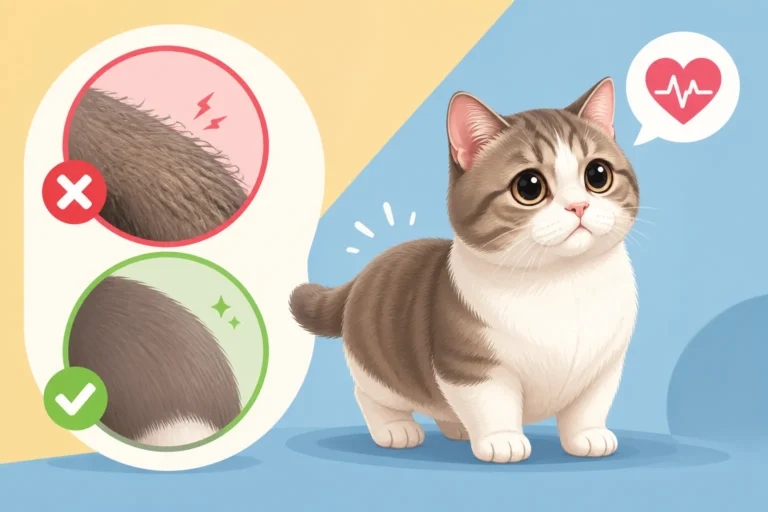
The single most crucial step for a prospective Munchkin owner is to find a truly reputable breeder. This means doing your homework far beyond just admiring cute photos. A good breeder will be transparent about the health history of their breeding cats and their litters. Don't be shy about asking specific health questions, such as the incidence of lordosis or pectus excavatum in their lines. Ask to see veterinary records for the parents and the kitten. Observe the kittens in person, if possible, to see how they move, play, and interact. A healthy Munchkin kitten should be active and agile, despite its short legs.
Furthermore, it's wise to discuss your concerns with your own veterinarian, ideally one who has experience with Munchkin cats or is open to learning more about the breed's specific needs. They can offer guidance on preventative care and what to look out for. Remember, The twelve to fifteen years a Munchkin usually gets is a lifespan comparable to many other domestic cats, suggesting that with proper care, they can enjoy a good quality of life. Be prepared for the reality that Why weight is more dangerous on a Munchkin cannot be overstated; even a few extra pounds can put significant strain on their joints and spine, so a healthy diet and controlled portions are non-negotiable from day one. Investing in comprehensive pet insurance, such as a plan from Healthy Paws, can also provide a financial safety net for any unexpected health issues that might arise, offering peace of mind.
Supporting Your Munchkin's Lifespan
Once you've brought a Munchkin home, supporting their health and ensuring a comfortable, long life revolves around adapting their environment and providing attentive care. Their short stature means that With a Munchkin the house changes, not the cat. This involves thoughtful modifications to your home to prevent unnecessary jumping and strain on their joints. Providing ramps or steps for access to furniture like sofas and beds is essential. This proactive approach helps to prevent injuries and reduce cumulative stress on their musculoskeletal system.
Beyond environmental adaptations, regular veterinary check-ups are paramount. Your vet can monitor their gait, spine, and joint health, catching any potential issues early. Discuss appropriate nutrition to maintain a healthy weight and consider joint supplements as recommended by your vet to support their orthopedic health as they age. While specific studies on Munchkin arthritis might be limited, taking preventative measures based on anatomical understanding is a sound strategy. Ultimately, caring for a Munchkin means being a dedicated advocate for their unique needs, ensuring their environment, diet, and veterinary care are all tailored to their distinctive physique. This consistent attention to detail can make all the difference in helping them achieve How many years a well bred Munchkin lives and truly thrive.
| Health Concern | What Research/Observation Suggests | Implications for Owners |
|---|---|---|
| Lordosis | Case studies and anecdotal reports indicate occurrence; prevalence debated. | Choose a reputable breeder who screens for this; regular vet checks for spinal health. |
| Pectus Excavatum | Documented in some cases; not definitively linked to Munchkin gene. | Early vet checks for kittens to assess chest conformation; potential for surgical correction. |
| Early Arthritis | Theoretical risk due to biomechanics, especially in front limbs. | Strict weight management, joint supplements, adapted environment, pet insurance (e.g., Healthy Paws). |
| Mobility Issues | Short legs mean jumping limitations; increased stress on spine/joints. | Provide ramps/steps; create a floor-level rich environment; avoid high jumps. |
| Overall Lifespan | Generally 12-15 years, comparable to domestic cats, with good care. | Proactive care, adapted home, and regular vet visits are crucial for longevity. |
Disclaimer
This article is for general informational purposes only and does not constitute professional advice. Laws, prices and regulations vary by location and change over time. Consult a qualified professional for guidance on your specific situation.