Why an Overweight Munchkin Is in Real Trouble
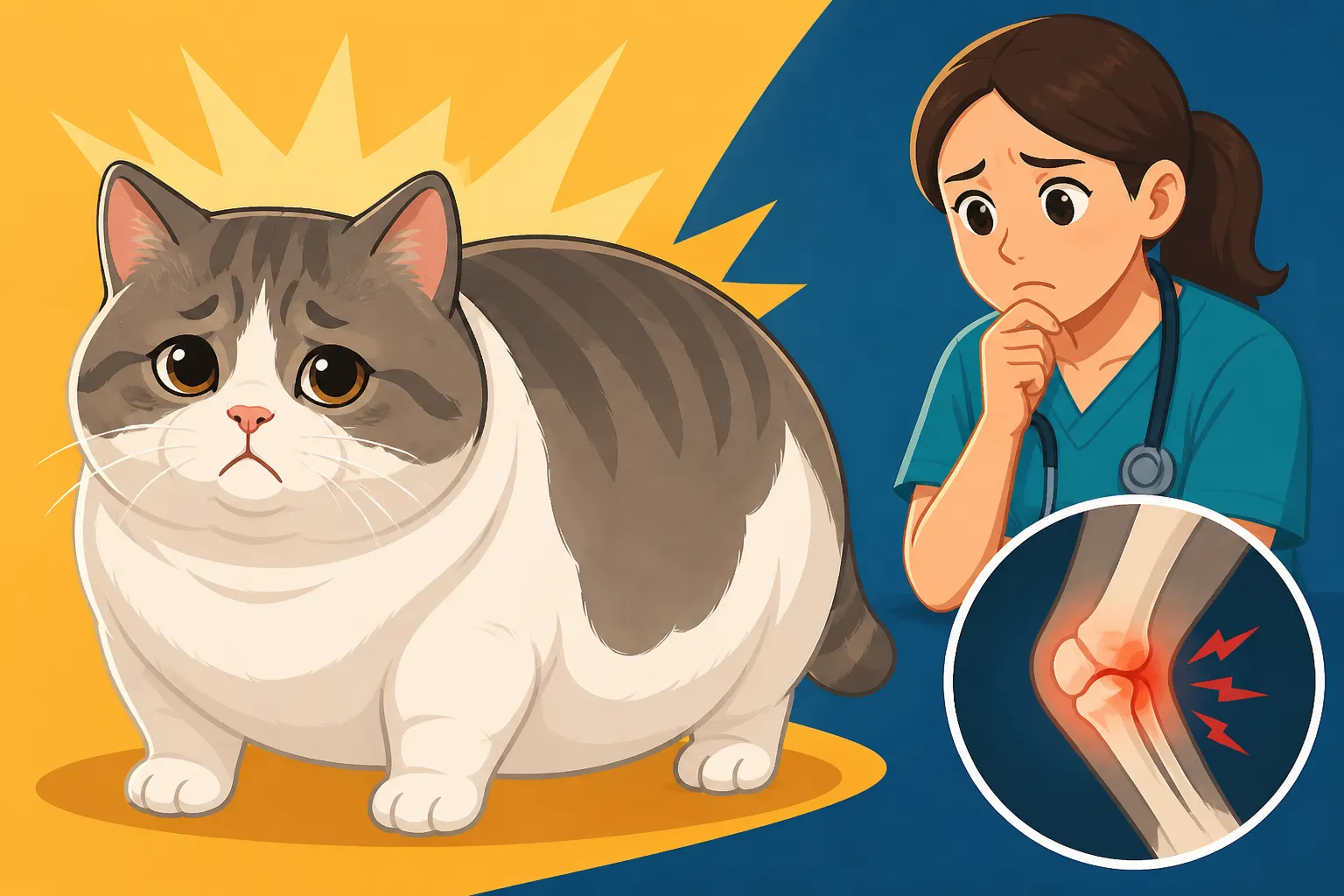
One of the most heartbreaking challenges many Munchkin cat owners face is watching their beloved short-legged companion start to gain weight. It might seem harmless, just a little extra fluff, but for a Munchkin, even a few extra ounces can spell serious trouble, placing immense strain on their unique physiology and leading to a host of avoidable health issues. This guide will delve deep into why an overweight Munchkin is in real trouble and what you can do to keep your furry friend healthy and happy.
The Unique Burden of Extra Weight on a Munchkin's Frame
It's tempting to think of a Munchkin as just a "normal" cat with short legs, and in many ways, they are. They're playful, curious, and full of purr-sonality. However, their defining feature—their uniquely short limbs—means their skeletal structure and biomechanics are fundamentally different from a standard-legged cat. This difference means that extra weight impacts them far more severely.
Why Their Short Legs Bear a Disproportionate Load
Imagine trying to carry a heavy backpack when your legs are significantly shorter than average. Every step, every movement, becomes an amplified effort. That's essentially what happens to a Munchkin carrying extra weight. Their short legs are not designed to support an excessively heavy body. The bones in their legs are shorter, yes, but the stress on their joints and the leverage required for movement are significantly altered. When their body mass increases beyond a healthy range, these short levers have to work harder, and the joints — particularly the shoulders and elbows — bear a disproportionate amount of the additional load. This can lead to accelerated wear and tear, inflammation, and pain, much earlier in life than you might expect. Their low-slung body, which gives them that adorable, ferret-like gait, also means that an expanding belly practically drags on the floor, adding friction and making movement even more cumbersome.
The Compounding Effect on Spinal Health
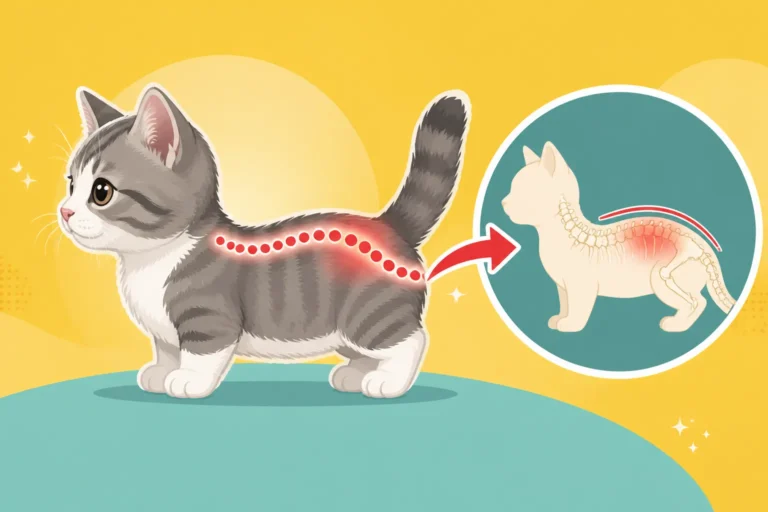
While a Munchkin's legs are distinctly short, their spine is actually a normal length, akin to any other domestic cat. However, the way it connects to their disproportionately short limbs means that the spinal column carries a load a normal cat's does not. When you add extra weight, particularly around the abdomen, this normal-length spine is subjected to increased compression and stress. This is particularly concerning because Munchkins can be predisposed to conditions like lordosis, a spinal curvature where the spine sags inward. While not all Munchkins develop lordosis, being overweight can either exacerbate an existing mild case or contribute to its development by putting undue pressure on the vertebrae and the surrounding musculature. Think of it like a bridge designed for a certain weight; when you pile on more than it's meant to bear, the structural integrity is compromised, and critical points experience far greater strain.
Health Risks That Skyrocket with Obesity in Munchkins
Obesity is a serious health concern for any cat breed, but for Munchkins, the stakes are even higher due to their unique physical attributes. The chronic inflammation and mechanical stress caused by excess weight can lead to a cascade of debilitating conditions, significantly impacting their quality of life and lifespan.
Accelerated Arthritis and Joint Degeneration
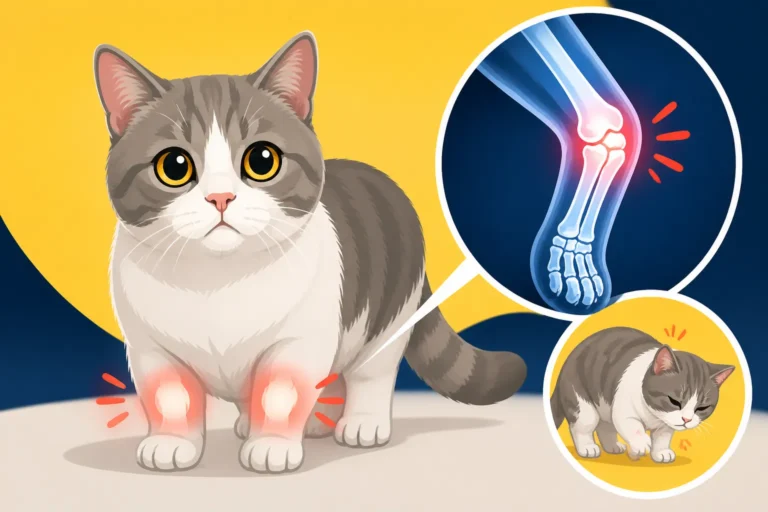
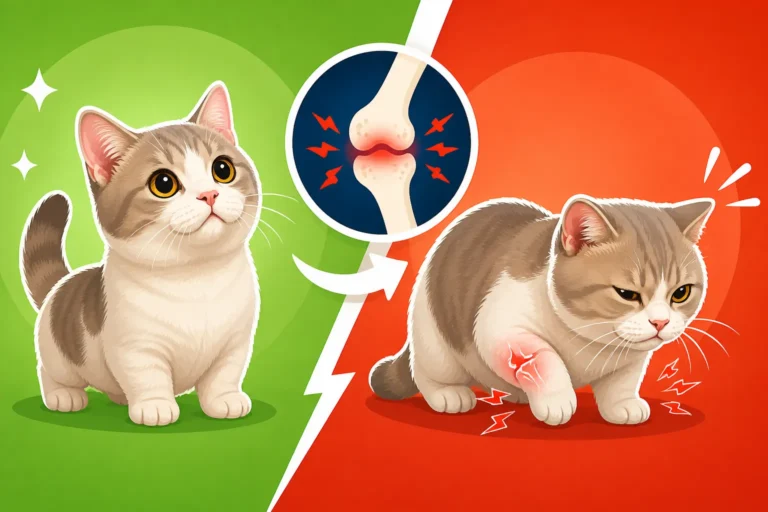
The strain on a Munchkin's short limbs from carrying extra weight directly translates to accelerated joint degeneration. We're talking about osteoarthritis, a painful condition where the cartilage protecting the ends of bones wears down, leading to bone-on-bone friction. For Munchkins, this often manifests particularly in their front legs. Imagine How Arthritis Shows in a Munchkin's Front Legs and the immense discomfort it causes. Every jump off a low surface, every sprint across the floor, even just standing up, becomes a painful ordeal. Their elbows, in particular, take the landing when they jump or navigate their environment, making them highly susceptible to accelerated wear when extra weight is involved. The increased pressure on their joints means they may start to stiffen at a much younger age than a lean Munchkin, limiting their natural playfulness and making everyday movements a chore. It's a sad reality that early onset arthritis can severely impact their mobility and overall happiness. Planning for these potential issues, perhaps with comprehensive pet insurance like Healthy Paws, can offer peace of mind, though preventive care is always the best approach.
Increased Risk of Metabolic and Organ Issues
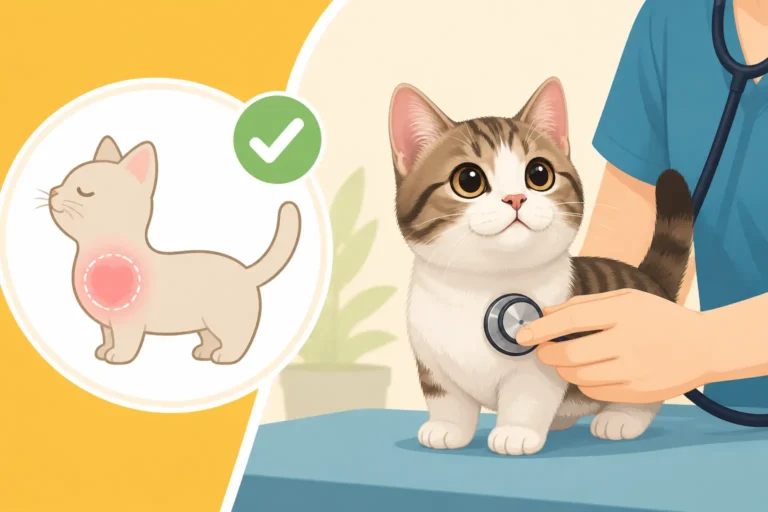
Beyond the musculoskeletal system, an overweight Munchkin faces the same metabolic health risks as any other obese cat, but sometimes with amplified consequences due to their body structure. Diabetes mellitus, a condition where the body cannot regulate blood sugar, is far more common in overweight cats. Fatty liver disease (hepatic lipidosis), a potentially fatal condition where fat accumulates in the liver, is another serious risk. The heart and lungs also have to work harder to support a larger body mass, increasing the risk of heart disease and respiratory problems.
Furthermore, an overweight Munchkin's deep chest and low belly can lead to less obvious but equally problematic issues. Their expanded abdomen can press against internal organs, potentially affecting digestion and breathing. The difficulty they have reaching certain parts of their body for grooming also worsens significantly with obesity. This means the likelihood of matting, skin infections, and even urinary tract issues due to poor hygiene around the hindquarters increases dramatically. It's a cruel cycle: they can't groom properly, which leads to skin issues, which can be painful, further reducing their desire to move and contributing to more weight gain.
Practical Challenges of Managing an Overweight Munchkin
Living with an overweight Munchkin isn't just about the health risks; it also presents significant day-to-day challenges that can impact both the cat's quality of life and the owner's care routine. Their already unique needs for accessibility become even more pronounced.
Mobility Limitations and Environmental Adaptations
A Munchkin is known for its agility on the flat and its surprising speed, but climbing and jumping are inherently more difficult due to their short stature. Add extra weight to the equation, and these limitations become severe handicaps. An overweight Munchkin will find it even harder to jump onto a sofa or a low bed, let alone reach a favorite windowsill. The already crucial need for ramps and steps becomes absolutely non-negotiable. Ramps and steps are Munchkin equipment, not luxuries, and an overweight cat will need even more carefully graded, easily accessible routes to all their favorite spots. They might stop using their litter box if the entry lip is too high, leading to inappropriate urination or defecation around the house. You might notice them straining to get into a conventional litter box, or perhaps avoiding it altogether. This means you'll need to invest in low-entry litter boxes, or even modify existing ones, to ensure they can maintain proper hygiene without undue strain. The joy of exploring their environment can be severely curtailed, potentially leading to boredom, frustration, and a more sedentary lifestyle, which only perpetuates the weight problem.
Grooming Difficulties and Hygiene Concerns
One of the most immediate and visible problems with an overweight Munchkin is their inability to groom themselves adequately. While even a healthy Munchkin might struggle to reach certain spots, especially on their back and hindquarters, an obese one will find it almost impossible. Their rounded, expanded belly makes it difficult to bend and twist effectively. This leads to a host of hygiene problems: matted fur, particularly around their hindquarters, which can trap feces and urine. These mats can be incredibly painful, pulling on the skin and creating ideal breeding grounds for bacteria and skin infections. You'll find yourself needing to groom the half of a Munchkin it cannot reach far more frequently, potentially requiring professional sanitary clips to prevent severe matting and skin issues. It's not uncommon for an overweight Munchkin to have persistent urine or fecal staining on their belly and hind legs because they simply cannot reach to clean themselves after using the litter box. This necessitates more frequent baths, which can be stressful for both cat and owner, or even more regular vet visits, some of which may be covered by a good pet insurance plan like Healthy Paws.
Strategies for Safe Weight Management and Prevention
The good news is that weight management for your Munchkin is absolutely achievable with dedication and a thoughtful approach. Preventing obesity or helping an overweight Munchkin return to a healthy weight is one of the most impactful things you can do for their long-term health and happiness.
Tailored Dietary Approaches for Calorie Control
The cornerstone of weight management for any cat, especially a Munchkin, is diet. It's a common misconception that simply switching to a "light" food is enough. The reality is that precise calorie control is paramount. Munchkins, with their shorter legs and generally less energetic lifestyle compared to a standard-legged cat, burn fewer calories. This means that every calorie counts more significantly. You need to understand how much a Munchkin can safely carry, and then work with your vet to determine the ideal weight for your individual cat based on their frame and muscle mass.
Start by accurately measuring your cat's food. Free-feeding is generally a no-go for an overweight Munchkin. Instead, divide their daily allowance into two or three small meals. Using a digital kitchen scale to weigh out their kibble (if applicable) is far more accurate than using a measuring cup, which can vary wildly. Look for high-quality, protein-rich wet food, as the higher moisture content can help them feel fuller on fewer calories. Avoid excessive treats, or make sure any treats are accounted for in their daily calorie allowance. Your veterinarian can help you calculate the precise caloric intake needed for safe and gradual weight loss, typically aiming for 1-2% of their body weight per week. Remember, rapid weight loss can be dangerous for cats, so slow and steady is the key.
Encouraging Safe Exercise and Play
While dietary changes are crucial, increasing activity levels safely is equally important for a Munchkin. Because their joints are already under strain, high-impact activities or intense jumping should be avoided. Focus on floor-level play that encourages movement without stressing their short legs and spine. Think wand toys that you can drag along the floor, laser pointers (used responsibly, ending with a physical toy to catch), or puzzle feeders that make them "hunt" for their food. These types of games encourage natural hunting behaviors and keep them engaged without requiring them to jump or climb extensively.
Consider interactive toys that they can chase and bat around. Short, frequent play sessions throughout the day are often more effective than one long, exhausting one. Monitor your Munchkin for any signs of discomfort or fatigue during play, such as limping, reluctance to move, or excessive panting. Introducing a new exercise routine should always be done gradually and in consultation with your vet, especially if your Munchkin already has joint issues. Remember, the goal is to keep them moving in ways that are safe and enjoyable, helping them to burn calories and maintain muscle mass without causing further strain. Regular check-ups are key to monitor their progress, and if unforeseen issues arise, having pet insurance from a provider like Healthy Paws can be incredibly helpful.
Understanding the Munchkin's Body Condition
When we talk about an overweight Munchkin, it's essential to understand what a healthy weight looks and feels like for this breed. Due to their unique body shape, it can sometimes be tricky to assess their condition accurately without knowing what to look for.
| Condition Feature | Healthy Weight Munchkin | Overweight Munchkin |
|---|---|---|
| Ribs | Easily palpable with light pressure; not visible. | Difficult to feel under a layer of fat. |
| Waist | Visible indentation behind the ribs when viewed from above. | No distinct waist; body appears uniformly wide or bulges. |
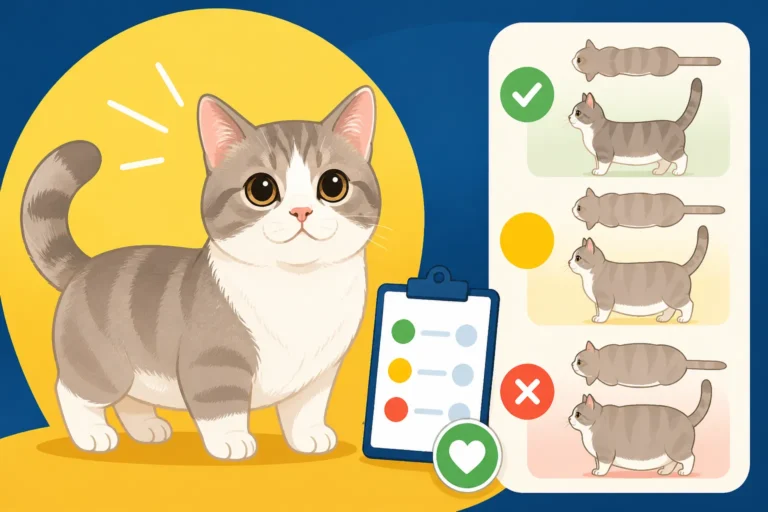
| Belly | Slight tuck-up when viewed from the side; does not drag on the floor. | Rounded, pendulous belly; often hangs low or drags on the floor, especially when moving. |
| Spine | Easily palpable along the back. | Difficult to feel under a thick layer of fat. |
| Energy Level | Playful, agile, curious, uses ramps/steps readily. | Less active, more prone to napping, reluctant to move or use ramps/steps, struggles with jumps. |
| Grooming | Generally able to groom most areas effectively. | Struggles to groom hindquarters, back, and belly, leading to matting and hygiene issues. |
Learning How to Score a Munchkin's Body Condition is vital for every owner. Your veterinarian is your best partner in this, as they can accurately assess your cat's body condition score (BCS) and help you set realistic weight goals. They can feel for the ribs, spine, and hip bones, which should be easily palpable without being visible. A healthy Munchkin will have a slight tuck-up in their abdomen when viewed from the side, and a discernible waist when looking down from above, even though their body naturally sits closer to the ground. Why a Munchkin's Belly Nearly Touches the Floor even when lean is due to their conformation, but an overweight cat's belly will genuinely drag. Don't hesitate to ask your vet for a demonstration of how to feel your Munchkin's ribs and spine to help you monitor their weight at home effectively.
Disclaimer
This article is intended for informational purposes only and does not constitute veterinary advice. Always consult with a qualified veterinarian for any health concerns or before making any decisions about your pet's health or treatment.