Whether a Munchkin Keeps Up on a Leash
It’s a natural desire to want to take your beloved feline companion out for walks, sharing the fresh air and new experiences, but if you own a Munchkin, you might be wondering if their unique physical structure allows them to keep up on a leash without discomfort or harm. This guide will delve into the realities of leash walking a Munchkin cat, exploring their distinct way of moving, the potential challenges they face, and how you can ensure their outdoor adventures are safe, enjoyable, and tailored to their specific needs.
Understanding the Munchkin's Movement
The way a Munchkin moves is often a source of fascination and, sometimes, misunderstanding. Their short legs give them a very particular gait and capabilities that differ significantly from their long-legged cousins.
Their Distinctive Gait
Unlike a typical cat's flowing, agile stride, a Munchkin cat's walk is often described as a "ferret-like" trot. Because their legs are significantly shorter, they compensate by taking more steps to cover the same distance. This isn't a flaw; it's simply how their anatomy works. Imagine having much shorter legs yourself – you wouldn't necessarily be slower, but you'd be taking quicker, choppier steps. Why a Munchkin's Walk Is Described as a Ferret's delves deeper into this unique movement. Their spine and body, however, are typically of normal length, which means their short legs are supporting a standard feline torso. This fundamental difference is crucial when considering any activity that puts stress on their musculoskeletal system, like sustained walking.
Surprising Speed on Flat Ground
You might be surprised to learn that on flat, even surfaces, a Munchkin can actually be quite speedy! Their low center of gravity can give them an advantage in quick bursts and sharp turns, allowing them to zip across a room or chase a toy with impressive agility. They don't have the same high-jumping prowess as a long-legged cat, but they can be incredibly efficient at floor-level maneuvers. This speed on the flat, however, doesn't necessarily translate to long-distance endurance or the ability to navigate varied terrain without effort. They are built for low-to-the-ground exploration, not sustained athletic performance that involves verticality or uneven footing. How Fast a Munchkin Can Run explains more about their speed.
What 'Keeping Up' Really Means for Them
When we talk about a cat "keeping up" on a leash, we often project human or dog walking expectations onto them. For a Munchkin, "keeping up" rarely means a brisk, continuous walk alongside you. It's more about exploration at their own pace. They are likely to stop, sniff, observe, and investigate every tiny detail on the ground. Their world is literally closer to the ground, and their natural curiosity will draw them to scents and textures that a taller cat might overlook. Expecting them to maintain a steady pace for an extended period, especially if you're walking quickly, is unrealistic and could lead to them becoming overtired or stressed. Their enjoyment comes from the novel environment, not from covering distance.
Physical Challenges and Limitations of Leash Walking
While Munchkins can be surprisingly agile, their unique anatomy also presents distinct challenges when it comes to activities like leash walking. Understanding these limitations is paramount to ensuring their safety and comfort.
The Strain on Joints and Spine
One of the most significant considerations for Munchkin owners is the potential strain on their joints and spine. Because of their short limbs, their spine carries a load that a normal cat's does not, especially during locomotion. Every step, every small jump, and every time they navigate a slight incline or decline places a particular kind of stress on their back and leg joints. Over time, or with excessive strain, this can contribute to conditions like osteoarthritis, particularly in their shoulders and elbows, which bear a lot of the impact. Why a Munchkin's Shoulders Wear First offers more insight into this. Prolonged leash walks, especially on hard or uneven surfaces, can exacerbate this strain, potentially leading to discomfort or accelerating joint issues. We want their walks to be enriching, not detrimental to their long-term health.
Stamina and Endurance Realities
Even if your Munchkin is enthusiastic about outdoor excursions, their physical stamina and endurance are not comparable to a long-legged cat or a dog. Their energy expenditure for covering the same distance is higher due to the increased number of steps they take. What might seem like a short stroll to you could be a significant workout for them. They tire more quickly, and pushing them beyond their comfortable limits can lead to exhaustion, panting, or even lameness. It's crucial to be observant of their cues: are they lagging behind, seeking rest, or vocalizing discomfort? A truly successful Munchkin walk prioritizes their well-being over distance or speed.
Uneven Terrain and Obstacles
Navigating uneven terrain is where the Munchkin's short stature truly becomes a limitation. A curb that's an easy hop for a normal cat might be an insurmountable wall for a Munchkin. Tall grass, small puddles, or even slightly bumpy sidewalks can present significant obstacles. They might struggle to lift their body high enough to step over things, or their belly might drag, leading to irritation or injury. Which Surfaces a Munchkin Gives Up On discusses the types of terrain they find challenging. Steps and stairs are particularly difficult; while some may manage a single step, repeatedly ascending or descending a flight of stairs on a leash is not advisable and can put immense stress on their back. If your walking route involves anything other than perfectly flat, smooth surfaces, consider how your Munchkin will cope with every potential impediment.
Choosing the Right Leash and Harness for a Munchkin
Selecting the proper walking gear is non-negotiable for a Munchkin. A poorly fitting harness can cause discomfort, skin irritation, or, worse, allow them to escape, leading to dangerous situations.
Why Standard Gear Won't Do
Most standard cat harnesses are designed for cats with typical body proportions. These often fail to fit a Munchkin correctly. The straps might be too wide, the neck opening too large, or the chest piece might chafe against their short legs or low-slung belly. A harness that's too loose can easily be slipped out of, while one that's too tight can restrict breathing or movement, causing pain. Trying to adapt a dog harness or a general pet store cat harness often results in a compromise that isn't truly safe or comfortable for their unique build. You're looking for something specifically designed with their shorter limbs and average-sized torso in mind, prioritizing safety above all else.
Features of a Safe Harness
A good harness for a Munchkin needs to be secure without being restrictive. Look for a vest-style or H-style harness that distributes pressure evenly across their chest and shoulders, rather than concentrating it solely on their neck. Key features to consider include:
- Adjustability: Multiple adjustment points around the neck, chest, and belly are crucial for a snug, custom fit.
- Material: Lightweight, breathable fabric that won't chafe. Padded edges can prevent skin irritation, especially around the armpits and where the harness sits low on their body.
- Escape-Proof Design: The harness should fit snugly enough that they can't back out of it, but not so tight that it restricts breathing or movement. Many owners find harnesses with a dual-closure system (e.g., both Velcro and a buckle) or a wider chest band to be more secure. You can find several highly-rated options on Amazon specifically marketed for small cats or kittens, which often fit Munchkins well.
- Visibility: Reflective elements are a bonus for any low-light walks, although Munchkins should ideally only walk in safe, well-lit environments.
Here's a quick comparison of common harness types and their suitability for Munchkins:
| Harness Type | Description | Pros for Munchkins | Cons for Munchkins |
|---|---|---|---|
| H-Style Harness | Straps form an 'H' shape across the back, with a loop for the neck and chest. | Generally good adjustability, less bulk. | Can be easier to slip out of if not perfectly fitted; straps might chafe. |
| Vest Harness | Covers a larger area of the cat's chest and back like a small vest. | Excellent pressure distribution, very escape-proof when fitted correctly. | Can be bulkier, might restrict leg movement if not designed for short legs. |
| Step-In Harness | Cat steps into leg loops, then clips over the back. | Easy to put on for some cats. | Can be difficult to get a secure fit around the chest and belly for Munchkins. |
Leash Length and Type Considerations
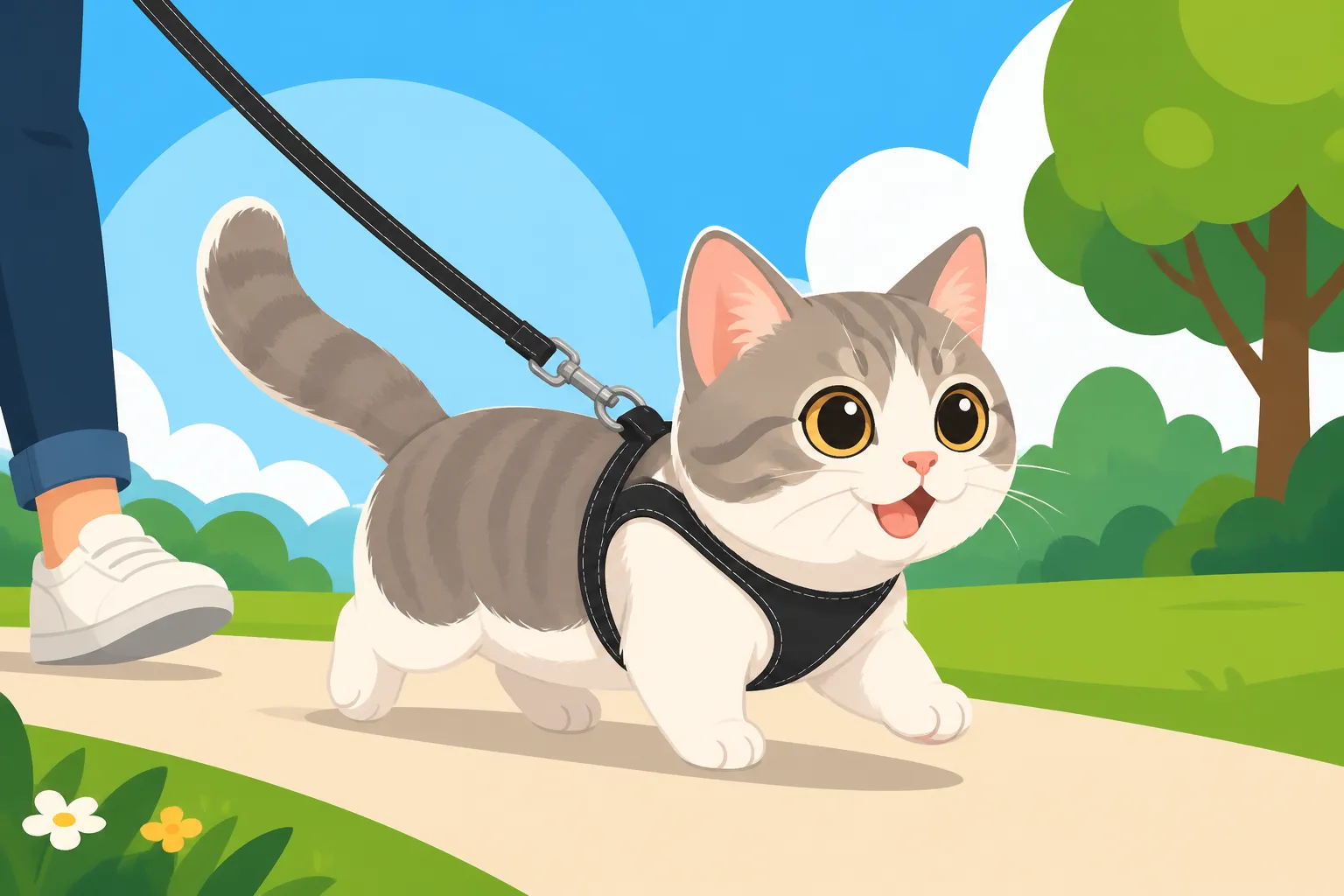
For a Munchkin, a lightweight, flexible leash is ideal. Avoid heavy, thick leashes that might pull on their small frame or feel cumbersome. A standard 6-foot nylon or thin rope leash is generally sufficient. Retractable leashes are generally discouraged for cats, especially Munchkins, as they offer less control and can be startling, potentially leading to sudden jerks that strain their back or escape attempts. The key is control and comfort. You want to be able to guide them gently and keep them close, particularly in unfamiliar or potentially dangerous environments.
Training Your Munchkin for Leash Adventures
Leash walking a cat, regardless of breed, is a process that requires patience, positive reinforcement, and a realistic understanding of feline behavior. For a Munchkin, these steps are even more critical.
Starting Early and Positive Reinforcement
The younger you start introducing a Munchkin kitten to a harness and leash, the better. Begin by simply letting them wear the harness for short periods inside the house, associating it with positive experiences like treats or playtime. Don't immediately attach the leash. Once they are comfortable with the harness, attach the leash and let them drag it around under supervision, again, with positive associations. This isn't about control yet; it's about normalization. How to Get a Munchkin Used to Being Handled highlights the importance of early socialization for various care tasks, and leash training is no different. Gradually, introduce gentle guidance with the leash, always rewarding calm behavior. Never force them into the harness or drag them; this will create negative associations and resistance.
A Gentle Approach to Walking
Your Munchkin will not "heel" like a dog. Their walks will be exploratory and meandering. The goal is to allow them to investigate their surroundings safely, not to follow a predetermined route. Keep the leash loose, allowing them to lead within safe boundaries. Gently guide them if they head towards danger, but mostly, let them explore. Short, frequent sessions are far more effective than long, strenuous ones. Perhaps just a few minutes in a quiet part of your yard, gradually extending the time as they become more confident and comfortable. Remember, for a Munchkin, the world is a big place down there, and they need time to process it.
Recognizing When to Stop
This is perhaps the most important aspect of leash training a Munchkin. You must be attuned to their body language and know when they've had enough. Signs of fatigue, stress, or discomfort can include:
- Lagging significantly behind or refusing to move.
- Excessive panting (unusual for cats unless very stressed or overheated).
- Flattened ears, wide eyes, or a tucked tail.
- Trying to hide or escape the harness.
- Lifting a paw, limping, or showing signs of pain.
At the first sign of distress or fatigue, it's time to end the walk. Pick them up and carry them home. Their physical limitations mean they simply cannot sustain activity for as long as other animals. Always err on the side of caution. An enjoyable, short walk is far better for their well-being than a forced, long one.
Safety and Environmental Factors for Outdoor Excursions
Taking a Munchkin outdoors on a leash comes with a specific set of safety considerations, largely due to their unique physical traits. Their inability to jump high or run quickly from danger means you, as their guardian, must be extra vigilant.
Avoiding Predators and Other Animals
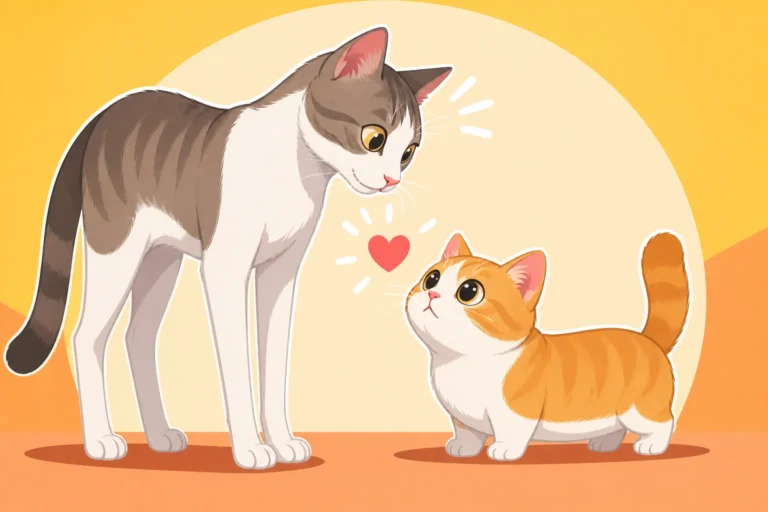
A Munchkin on a leash is incredibly vulnerable. Their short legs mean they cannot quickly escape from a loose dog, a predatory bird, or even an aggressive long-legged cat. They can't scramble up a fence or leap into a tree to safety. This makes choosing your walking environment critically important. Busy parks with off-leash dogs, areas with known wildlife activity (like coyotes or large birds of prey), or even neighborhoods with territorial stray cats are high-risk locations. Consider a quiet, fenced yard or a very secluded, controlled area where you can have full awareness of their surroundings. Why a Munchkin Cannot Climb Out of a Child's Reach applies just as much to animal threats; they simply have no vertical escape route.
Navigating Public Spaces
Public spaces present a host of challenges. Curious children, other pets, loud noises, and even fast-moving bicycles or scooters can be overwhelming and dangerous for a low-to-the-ground Munchkin. Their small size makes them hard to see, increasing the risk of being accidentally stepped on. It's often best to avoid highly populated areas altogether. If you must be in a public space, consider using a secure pet stroller or carrier to transport them, only allowing them out on the leash in a very calm, contained spot. Their primary enjoyment from an outing will come from sniffing and exploring at ground level, which can be done just as effectively in a less chaotic environment.
Weather and Temperature Concerns
Due to their low stature, Munchkins are more susceptible to environmental temperatures. On a hot day, the pavement can be scorching on their paws and their bodies are closer to the heat radiating off the ground. In cold weather, their bellies are almost touching cold, wet surfaces, making them prone to chills. Snow and ice can be particularly hazardous. Always check the ground temperature with your hand before taking them out. Hot pavement can burn their paws, and cold can lead to hypothermia. Furthermore, wet conditions can lead to their belly fur getting damp and dirty, which may lead to matting or skin irritation. Why a Munchkin's Belly Fur Needs Checking regularly underscores this point. Short walks in mild weather are always the safest option.
Alternative Outdoor Enrichment for Munchkins
If leash walking proves too challenging, risky, or simply not enjoyable for your Munchkin, there are plenty of other fantastic ways to provide them with safe outdoor enrichment without the inherent dangers of walking them on a leash.
Catios and Secure Enclosures
A catio (cat patio) or a secure outdoor enclosure is often the ideal solution for a Munchkin. These structures allow them to experience fresh air, sunshine, and the stimulating sights, sounds, and smells of the outdoors without any risk of escape or encountering predators. You can design a catio with gentle ramps, low-level platforms, and plenty of safe climbing opportunities tailored to their short legs. They can roll in the grass, watch birds, and simply relax in a protected environment. Many companies offer modular catio kits, or you can build one yourself. Make sure the enclosure has a solid roof and secure wire mesh on all sides to prevent escapes and keep other animals out. What a Munchkin Sized Catio Needs details some essential design considerations.
Supervised Garden Time
For those with a secure, fenced yard, supervised garden time can be a wonderful alternative. This means being out there with your Munchkin, actively watching them, rather than just letting them roam. This still carries some risk from predatory birds or very agile neighborhood cats, but it's generally safer than an open leash walk. Ensure there are no toxic plants, open gates, or tempting escape routes. You can create a "Munchkin-friendly" section of your garden with low plants, interesting textures, and perhaps some safe, catnip-filled toys at ground level. This allows them to explore their immediate environment at their own pace, feeling secure with you close by.
Interactive Indoor Play
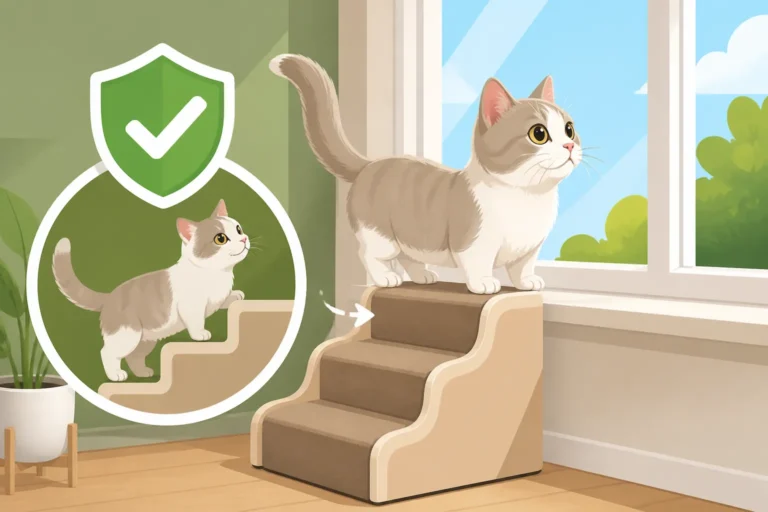
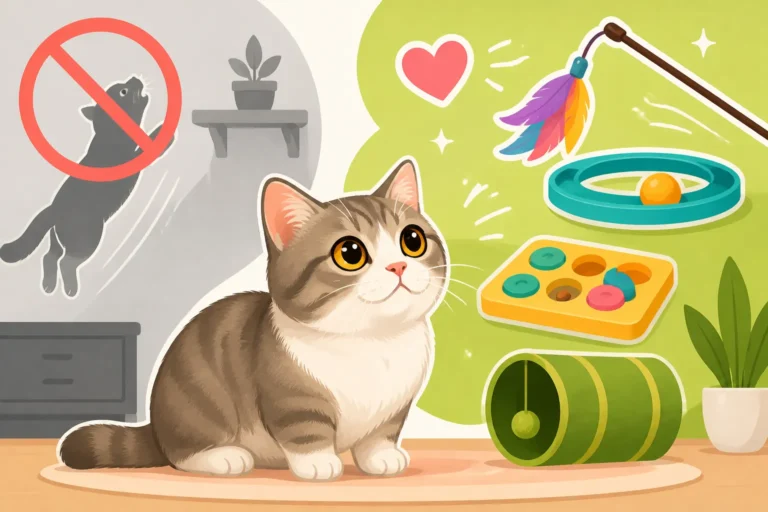
Never underestimate the power of engaging indoor play for a Munchkin. Their playful, curious nature means they thrive on interaction and mental stimulation. Wand toys that allow you to bring the "prey" to their level are fantastic. Puzzle feeders can challenge their minds and encourage natural hunting behaviors. Creating safe, accessible "climbing" routes using low furniture, ramps, or pet stairs within your home allows them to explore vertically in a controlled environment. Ultimately, the goal is enrichment, and a stimulating indoor environment, combined with plenty of one-on-one attention, can provide all the adventure a Munchkin needs. How Much Floor Level Play a Munchkin Needs and How to Set Up Floor Level Enrichment for a Munchkin offer excellent ideas for keeping your little one happy and active indoors.
Disclaimer
This article is for general informational purposes only and does not constitute professional advice. Laws, prices and regulations vary by location and change over time. Consult a qualified professional for guidance on your specific situation.