Why a Munchkin Greets Visitors at Ankle Height
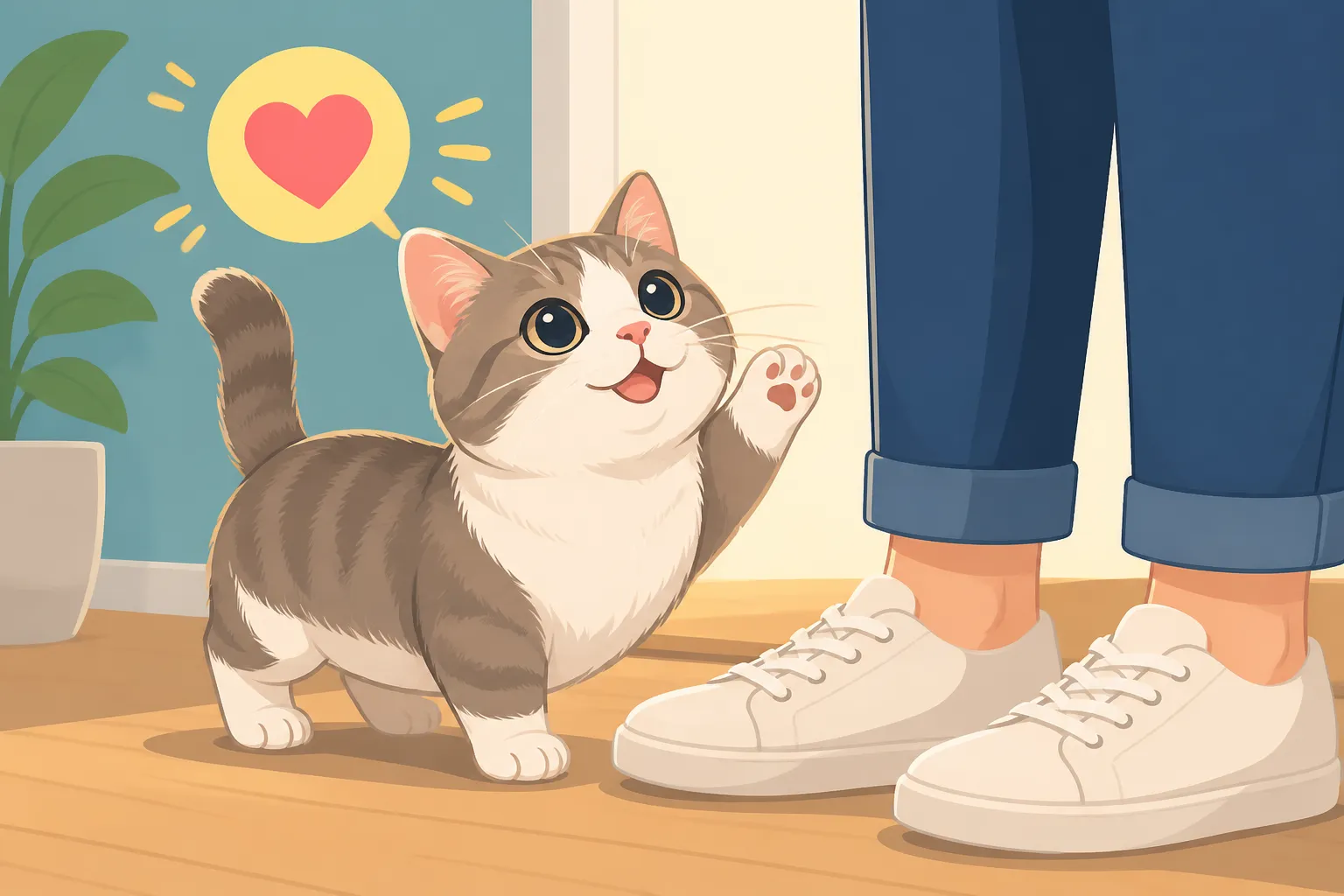
It's a familiar scenario for many Munchkin cat parents: you open the door to a guest, and while other cats might observe from a lofty perch, your short-legged companion is immediately at their feet, weaving through ankles and rubbing against shins. This isn't just a quirky habit; it's a fundamental expression of how a Munchkin navigates its world and interacts with new people. This guide will delve into the fascinating reasons behind this adorable ankle-height greeting, what it communicates, and how you can ensure every first impression is a happy and safe one for your unique feline friend.
The Physical Realities of a Low-Slung Life
The most obvious reason a Munchkin cat greets visitors at ankle height stems directly from its defining characteristic: those wonderfully short legs. Unlike their long-limbed counterparts, Munchkins aren't built for scaling great heights with a single leap. Their stature dictates a different approach to social interaction and environmental navigation, placing them naturally closer to the ground.
Limited Vertical Reach and Ground-Level Dominance
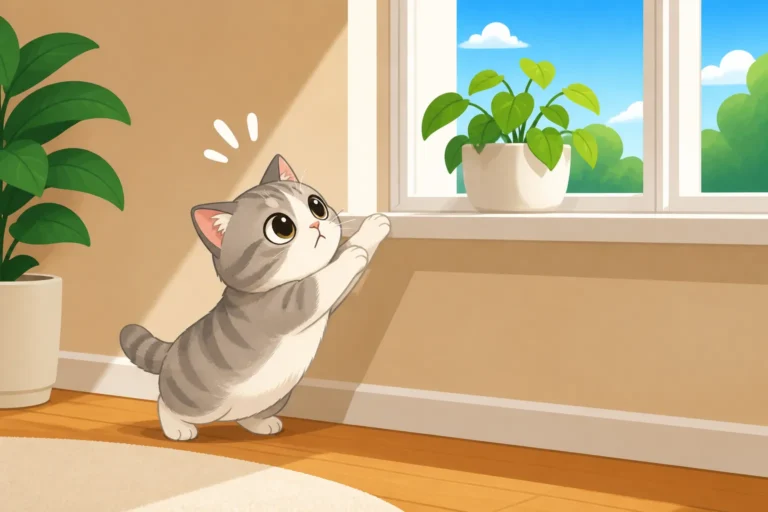
A standard domestic cat often uses height to establish dominance, observe its territory, or simply feel secure. Think of a cat surveying its domain from the top of a bookshelf or a tall cat tree. For a Munchkin, these vertical vantage points are often out of reach without assistance. Their short legs, a result of a dominant genetic mutation known as pseudoachondroplasia, mean that while their bodies are of normal length, their limbs are significantly shorter. This genetic trait means that a Munchkin simply cannot make the casual leaps that other cats do. You might witness them attempting to jump onto a sofa and needing two or three distinct hops where a normal-legged cat would clear it in one graceful bound. How High a Munchkin Can Actually Jump gives a good overview of their impressive, yet limited, vertical capabilities.
Because of this limitation, a Munchkin naturally operates and thrives in a ground-level environment. Their world is largely mapped out on the floor, under furniture, and through low-lying pathways. When a new person enters their space, their primary mode of engagement is going to be from this comfortable, accessible height. They aren't choosing to be at your ankles out of preference for that specific spot; it's simply where they are, and where they feel most confident to initiate contact. This isn't a sign of shyness or aggression, but rather an adaptation to their physical build.
A World Viewed from Below
Imagine living your entire life with your eye level constantly at someone's knees or shins. This is the Munchkin's reality. When a visitor enters, this new, large, moving entity dominates their field of vision from the waist down. The initial interaction point is naturally going to be the closest, most accessible part of the person: their feet and lower legs. This makes sense from a sensory perspective too; they'll be picking up new scents from shoes and trousers, which are prime areas for scent marking and investigation in the feline world.
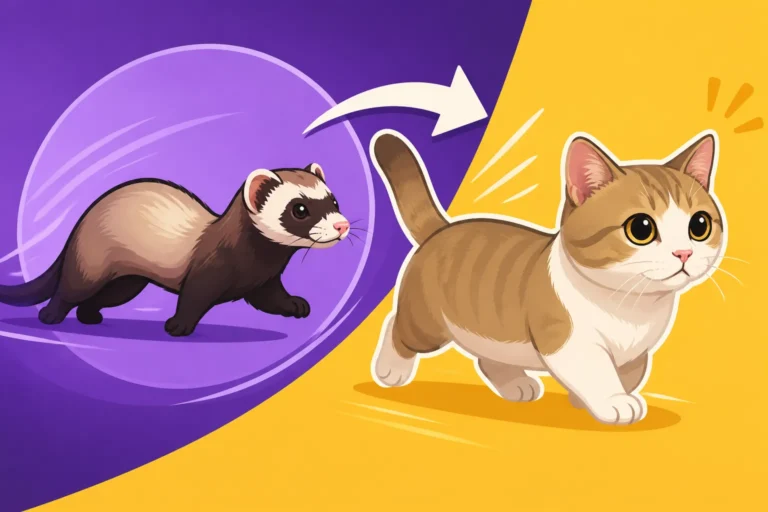
This ground-level perspective also influences their overall behavior. Instead of scaling curtains or leaping onto countertops, a Munchkin often exhibits a unique, ferret-like gait, darting and weaving through obstacles with surprising speed on the flat. How a Munchkin Changes Direction at Speed beautifully illustrates this agile, low-to-the-ground movement. They learn to navigate their environment by utilizing furniture as a series of steps or ramps, but when it comes to meeting new people, direct engagement from their natural height is the most straightforward approach. It’s their way of saying, “Hello, you’re in my space, and I’m checking you out!”
Decoding the Ankle-Height Greeting
So, your Munchkin is rubbing against your visitor’s ankles. What exactly are they trying to communicate with this unique, floor-level welcome? It's a rich tapestry of social cues, curiosity, and sometimes a plea for attention or reassurance.
Curiosity and Scent Exchange
Cats are incredibly scent-driven creatures. When a new person enters their home, they bring a wealth of unfamiliar smells from the outside world. A Munchkin, greeting at ankle height, is primarily engaged in a detailed scent investigation. They're using their highly sensitive noses to gather information about this stranger. The rubbing behavior, known as allorubbing, serves several purposes. Firstly, it allows the cat to deposit its own scent glands (located on their cheeks, chin, and flanks) onto the visitor, effectively "marking" them as part of their accepted social sphere. This isn't aggressive; it's a friendly gesture, claiming the person as part of the "colony."
Secondly, rubbing allows the Munchkin to pick up the visitor's scent, integrating it into their understanding of their environment. Think of it as a feline handshake and information exchange rolled into one. They want to know who this person is, where they've been, and if they're a friend or foe. This thorough, ground-level assessment is a vital part of their social ritual, and it happens where they can most easily reach. If you notice your Munchkin weaving repeatedly, with their tail held high and a soft purr, they're generally expressing positive curiosity and a desire for interaction.
Seeking Attention and Affection
Beyond initial scent investigation, the ankle greeting is often a clear bid for attention. Your Munchkin has learned that engaging with humans at this height often results in positive outcomes: pets, cuddles, or even a treat. They might weave in and out of legs, "figure-eighting" around ankles, or gently head-bumping shins. This behavior is usually accompanied by soft vocalizations, like chirps or meows, further emphasizing their desire for interaction. They’re essentially saying, "Hey! Down here! Pet me, pay attention to me!"
It’s important to remember that because Munchkins cannot easily jump onto laps or climb high to demand attention, they rely heavily on these ground-level interactions. They've adapted their communication style to suit their physical capabilities. If your visitor leans down to pet them, they've successfully achieved their goal. This reinforcement teaches them that greeting at ankle height is an effective way to get what they want from humans. On Amazon, you can even find low-profile cat beds or activity mats designed to keep enrichment at their natural height, encouraging this type of floor-level engagement.
Navigating First Impressions
For visitors unfamiliar with Munchkin cats, an ankle-height greeting can sometimes be unexpected. Understanding how to react appropriately is key to fostering positive interactions and ensuring your cat feels safe and respected.
Approaching a Munchkin on Their Level
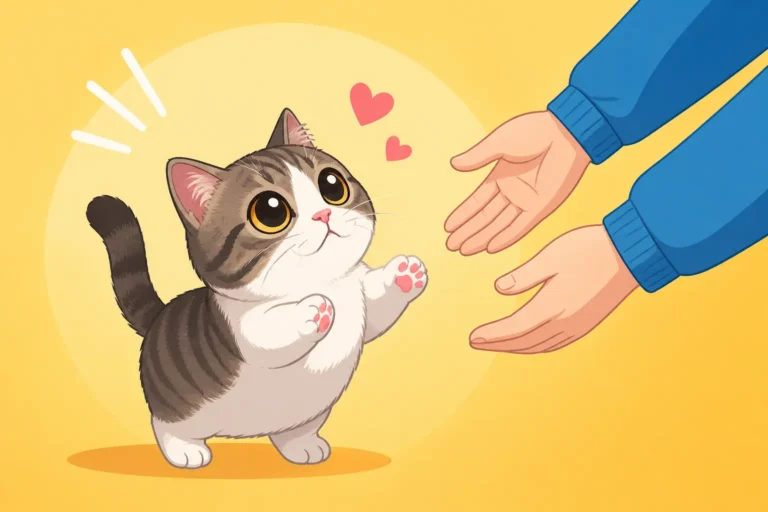
When a new person enters a home with a Munchkin, it's natural for them to want to reach down and pet the adorable little cat. However, it's crucial to consider the Munchkin's perspective. A large hand descending from above can be perceived as threatening. Instead, encourage visitors to get down to the cat's level, if comfortable. This could mean bending down, squatting, or even sitting on the floor. Offering a closed fist for the cat to sniff before petting is always a good practice with any cat, allowing them to initiate contact and feel in control.
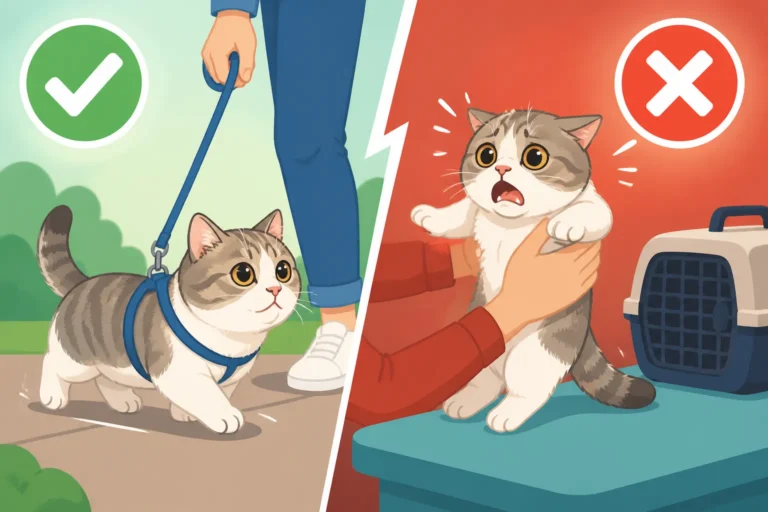
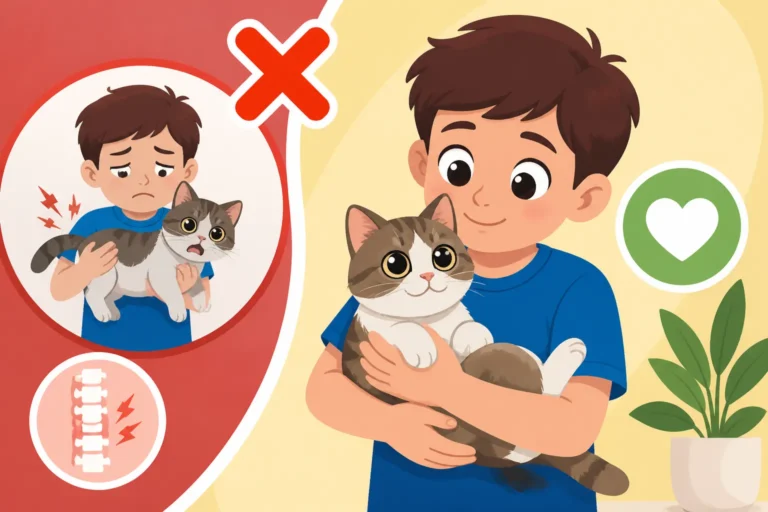
Teaching your friends and family How to Lift a Munchkin Correctly is also vital. They should never be picked up by their front legs or handled roughly, as this can put strain on their unique spinal structure and short limbs. Explain that gentle, supported lifting is necessary if the cat is to be moved, but generally, floor-level interaction is preferred. The goal is to make the cat feel safe and not overwhelmed by the size difference.
Respecting Boundaries and Providing Escape Routes
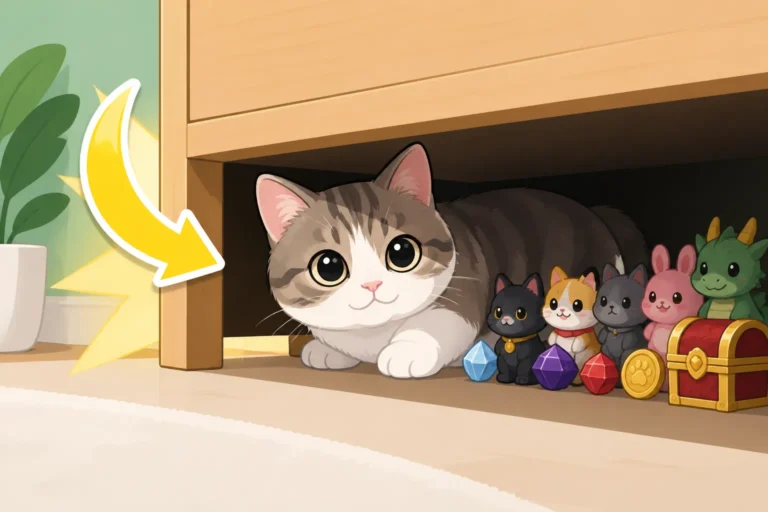
Even friendly Munchkins need their space. While they love attention, they also need to know they have an escape route if they feel uncomfortable or overstimulated. Because they can't simply jump onto a high shelf to get away, their escape routes are typically under low furniture or into designated "safe zones" on the ground. Why a Munchkin Cannot Climb Out of a Child's Reach highlights the importance of creating these safe spaces, especially in busy households.
When guests are over, ensure your Munchkin has access to these low hiding spots. A cozy bed under a coffee table, a cat tunnel, or a specially designed cat hideaway are all excellent options. If a visitor is being too boisterous or the cat seems overwhelmed, gently guide the cat away or explain to the guest that it's time for the cat to have a break. Observe their body language: a tucked tail, flattened ears, or an attempt to retreat are all signs that they need space. A cat tree with close-set platforms from Amazon can also offer vertical enrichment and a feeling of security, even if they can't reach the very top like their long-legged cousins.
| Interaction Type | Visitor Action (Do) | Visitor Action (Don't) | Munchkin Reaction (Likely) |
|---|---|---|---|
| First Approach | Get down to their level; offer a closed fist to sniff. | Reach down from above; grab or chase them. | Curiosity, cautious sniffing. |
| Friendly Rubbing | Gently pet their head, cheeks, or shoulders. | Ignore them; push them away with your foot. | Purring, continued rubbing, seeking more. |
| Seeking Attention | Talk softly; offer a gentle stroke or a low-level toy. | Loud noises; sudden movements; picking up without warning. | Engaged, playful, happy. |
| Overwhelmed/Shy | Give them space; provide a quiet escape route (under chair). | Corner them; force interaction; try to pick them up. | Retreat, flattened ears, hiding. |
Ensuring Safety and Comfort for Your Ankle-Greeter
Living with a Munchkin means understanding and adapting your home to their unique needs. This is especially true when it comes to social interactions with new people. Creating a safe and comfortable environment is paramount for their physical and emotional well-being.
Adapting the Home for a Ground-Level Explorer
A Munchkin's world exists primarily on the ground, and your home should reflect that. For social greetings, this means thinking about what hazards might exist at their height. Small, easily swallowed objects left on the floor can be a choking hazard. Similarly, keeping cleaning supplies, medications, or human food out of reach is even more critical when your cat can't jump onto a counter to avoid spills or curious paws.
Think about furniture arrangement too. While they are clever at finding ways to ascend, ensuring easy access to favorite resting spots is key. You might want to consider low-profile beds, or pet steps and ramps from Amazon that allow them to safely access sofas or chairs without straining their joints from repeated jumping. Ramps and Steps Are Munchkin Equipment, Not Luxuries emphasizes how essential these adaptations are for their long-term health. A comfortable, easily accessible home helps reduce stress and encourages positive, confident interactions with everyone.
Managing Interactions with Children and Other Pets
The ankle-height greeting can be particularly delicate when children or other pets are involved. A small child, unaware of a Munchkin's physical limitations, might try to pick them up incorrectly or chase them. Because a Munchkin cannot easily climb to safety, they can feel vulnerable. This is why Why a Munchkin Has to Be Protected From Children and Dogs is such an important consideration for any Munchkin owner. Educating children about gentle play and proper handling is crucial. Supervise all interactions closely, and teach children to engage with the Munchkin at its level, using appropriate toys like wand toys that encourage floor-level play, which you can easily find on Amazon.
Similarly, interactions with dogs, especially larger breeds, need careful management. A dog might not understand the Munchkin's inability to escape vertically, and even playful interactions could accidentally lead to injury. Always ensure a Munchkin has a dedicated safe space where they can retreat, completely out of reach of other pets. Introducing a Long Legged Cat to a Munchkin can also be important, as even other cats might unknowingly block escape routes or use height to their advantage, leaving the Munchkin feeling cornered.
Ultimately, your Munchkin's ankle-height greeting is a charming and inherent part of their nature. By understanding the physical and behavioral reasons behind it, and by educating your visitors on how to interact respectfully, you can ensure these greetings are not only adorable but also safe, enriching, and a true testament to the unique bond you share with your short-legged companion.
Disclaimer
This article is for general informational purposes only and does not constitute professional advice. Laws, prices and regulations vary by location and change over time. Consult a qualified professional for guidance on your specific situation.