How Long a Munchkin Takes to Let a Stranger Lift It
Bringing a Munchkin cat into your home is an absolute joy, but it also comes with a unique set of considerations, especially when it comes to interactions with new faces. Many new Munchkin owners worry about how their low-slung, adorable feline will react when Aunt Susan comes over or when friends drop by, wondering if their little one will be shy, friendly, or even a bit overwhelmed. It's a valid concern, as a Munchkin's physical build can influence how they perceive and navigate their social world. This guide will walk you through the nuances of a Munchkin's comfort levels with strangers, exploring the factors that shape their reactions and offering practical advice on how to foster positive, trusting relationships, ensuring everyone, especially your beloved cat, feels safe and happy.
Understanding the Munchkin's Instincts and Sensitivities
When we talk about how a cat interacts with its environment, we often forget that their physical form plays a huge role in their confidence and sense of security. For Munchkin cats, their distinctive short legs, while utterly charming, mean they experience the world from a different vantage point, and this significantly impacts how they interact with unfamiliar people.
Why Their Physicality Matters in Interactions
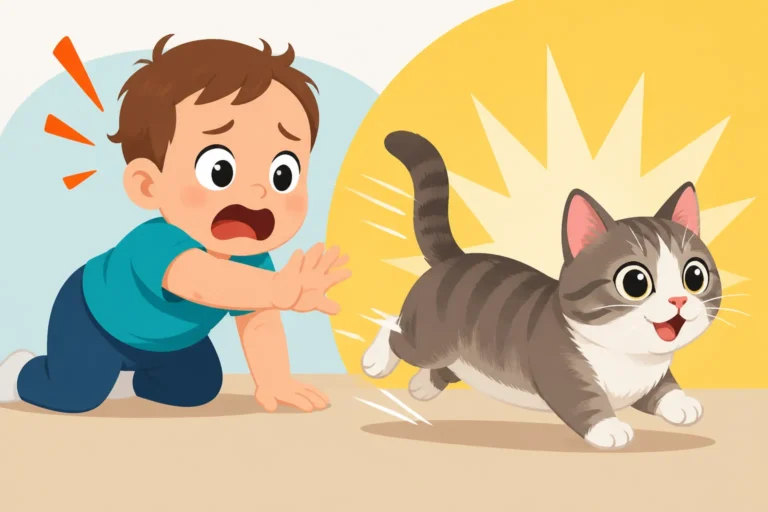
Imagine navigating a world where everyone else is much taller than you, and your primary escape routes—climbing, jumping high—are significantly limited. That's a bit like what a Munchkin cat experiences. Their short legs mean they can't easily leap onto high shelves or scale a tall cat tree to observe or flee a perceived threat. This lack of vertical escape options can make them feel more vulnerable, especially when faced with a large, unknown human towering over them. They might instinctively be more cautious because they know they don't have the same easy escape routes as a long-legged cat. For instance, if a child suddenly approaches, a Munchkin might feel particularly cornered, precisely because they Why a Munchkin Cannot Climb Out of a Child's Reach as easily as other cats.
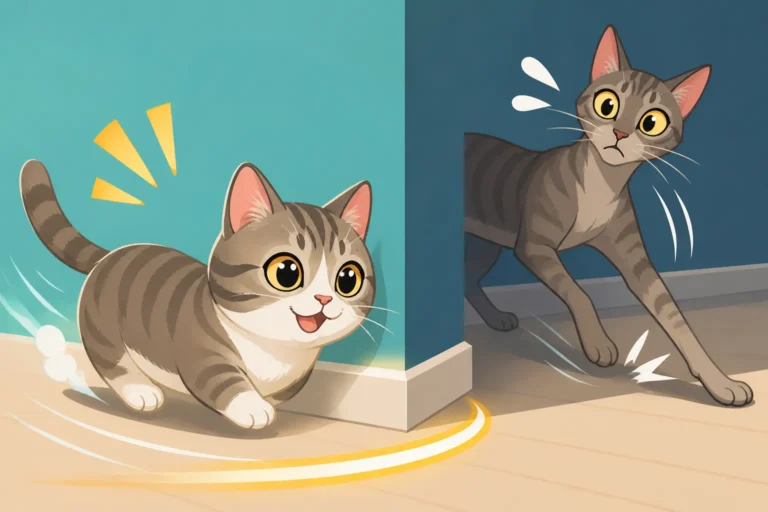
Moreover, being so close to the ground gives them a unique perspective. Everything appears larger, and sudden movements from above can be far more startling. A hand reaching down from a standing human might seem like a giant predator’s paw, whereas a cat with longer legs might not find it as intimidating. This inherent physical difference often means that building trust with a Munchkin requires a bit more intentionality and understanding from both the owner and visitors. They need to feel secure that they won't be easily startled or unable to retreat if they wish to. This feeling of being potentially trapped can also intensify if they feel unable to move away quickly, emphasizing Why a Munchkin Cannot Escape a Confrontation if they suddenly feel overwhelmed.
The Importance of Personal Space and Trust
Every cat, regardless of breed, values its personal space. It's their primary defense mechanism, allowing them to feel in control of their interactions. For a Munchkin, this need for personal space can be amplified due to their aforementioned physical limitations. While they might be incredibly affectionate with their trusted human, a stranger's sudden approach can be perceived as an intrusion that they can't easily escape. It’s one thing for your Munchkin to happily knead on your lap, purring as you stroke them; you've built a bond of trust over time.
However, it's quite another for a new person to immediately try to pick them up or pet them. Without that established trust, a Munchkin might feel exposed and powerless. They might react by retreating, hiding, or, if pressed, even swatting as a warning. They're communicating, "I need more time to decide if you're safe." Respecting this communication is vital for building any future positive relationship. Their trust is earned, not given freely, and the process can be deeply affected by their unique physical characteristics. A calm, respectful approach is always best, allowing them to initiate contact on their terms.
Factors Influencing a Munchkin's Acceptance of Strangers
A Munchkin's willingness to accept and even enjoy interactions with strangers isn't just about their legs; it's a complex blend of their early life, the visitor's demeanor, and their own unique personality. Understanding these factors can help you guide your Munchkin toward more positive experiences.
Early Socialization and Life Experiences
Just like with any feline, a Munchkin's early experiences are incredibly formative. The critical socialization window for kittens, typically between 3 and 7 weeks of age, is paramount. Kittens who are exposed to a variety of sights, sounds, people, and gentle handling during this time are far more likely to grow into confident, adaptable adult cats. If a Munchkin kitten has had positive, calm interactions with diverse groups of people – men, women, children, people wearing hats or glasses – they'll be much more predisposed to viewing strangers as potential sources of attention or treats, rather than threats.
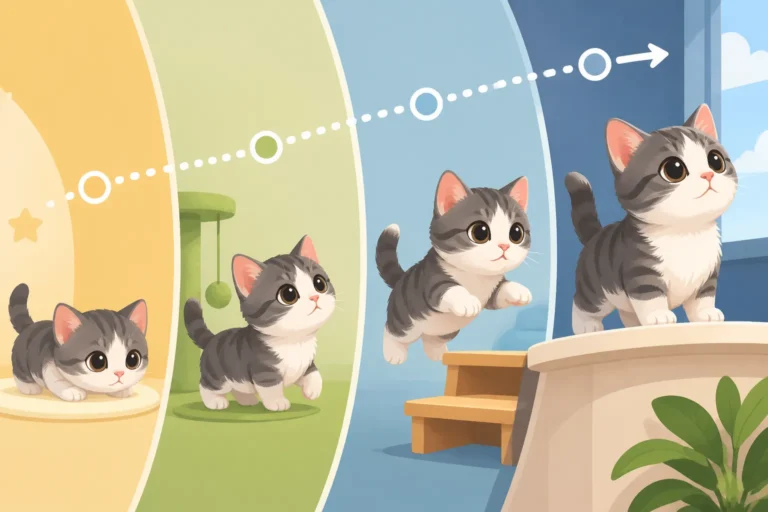
Conversely, a Munchkin that had limited human interaction during its kittenhood, or worse, experienced negative or frightening encounters, might develop a deep-seated fear or wariness of strangers that can be very difficult to overcome. This early conditioning sets the stage for how they navigate the world. Even with a well-socialized kitten, their A Munchkin Kitten's First Year of Learning Its Limits involves constantly testing boundaries and understanding their own capabilities, which includes how they interact with new people and spaces. For these reasons, ethical breeders often go to great lengths to ensure their kittens are well-socialized before they go to their forever homes.
The Stranger's Approach and Demeanor
Cats are masters of reading body language, and Munchkins are no exception. A stranger's approach can make all the difference between a curious sniff and a hasty retreat. Imagine a tall person looming over your Munchkin, reaching out quickly, or speaking in a loud, boisterous voice. To a small cat, especially one close to the ground, this can be terrifying. It's often perceived as aggressive or threatening behavior, triggering their natural fight or flight instincts.
The key to a successful introduction lies in a slow, calm, and respectful approach. Encourage visitors to crouch down to the Munchkin's level, making themselves appear less imposing. They should avoid direct, prolonged eye contact, which can be interpreted as a challenge, and instead offer a slow blink, a sign of trust in the feline world. Allowing the cat to approach them on their terms, extending a finger for a sniff, and speaking in a soft, gentle voice are far more effective strategies. Sudden movements or attempts to immediately scoop up the cat are almost guaranteed to result in a negative reaction. Respecting their space and letting them investigate at their own pace builds a foundation of safety.
Individual Personality and Breed Tendencies
While Munchkins are often described as playful, curious, and outgoing cats, it's crucial to remember that every cat is an individual with its own unique personality. You might have a Munchkin who greets every visitor at the door with a confident purr, eager for attention. This might be a cat known for being How Playful a Munchkin Actually Is, readily engaging with new stimuli. Another Munchkin, from the same litter even, might be inherently shy, preferring to observe new people from a safe distance before venturing closer. These individual differences mean there's no single timeline for how long it takes a Munchkin to warm up to a stranger.
Some might be instant friends, rubbing against legs within minutes, especially if the stranger employs the gentle approach we've discussed. Others might take several visits, slowly building confidence as they realize the new person poses no threat. Factors like previous experiences, genetics, and even the current mood of the cat can all play a part. It's about understanding and respecting your Munchkin's unique temperament. While the breed tends to be quite friendly and enjoys interaction, assuming every Munchkin will immediately adore every stranger is unrealistic and can lead to frustrated visitors and a stressed cat.
| Approach | Cat's Likely Reaction | Outcome for Trust |
|---|---|---|
| Loud voice, sudden movements, direct stare | Fear, retreat, defensive posture | Erodes trust, increases wariness |
| Crouching, soft voice, slow blink, ignoring | Curiosity, cautious approach, sniffing | Builds trust, encourages interaction |
| Reaching over head for pets | Startle, flinching, avoidance | Perceived as threat, generates fear |
| Offering hand for sniff, petting chin/cheeks | Relaxation, purring, leaning into touch | Positive association, builds comfort |
| Forcing interaction, immediate lifting | Struggling, scratching, hiding | Stress, aversion to future contact |
| Offering treats/wand toy, letting cat initiate | Engagement, positive association | Encourages friendliness, bonding |
Building Trust and Encouraging Positive Interactions
Encouraging your Munchkin to be comfortable around strangers is a marathon, not a sprint. It involves consistent effort, patience, and a deep understanding of feline behavior. The goal isn't necessarily for your cat to be picked up by everyone, but rather to feel secure and unstressed when new people are around.
Gradual Introduction Techniques
The best way to introduce your Munchkin to new people is through a series of gradual, positive interactions. Don't throw them into the deep end. Start with passive presence: have your guest simply sit in the room, perhaps reading or quietly chatting, and completely ignore your cat. Let your Munchkin approach on their own terms. Cats are curious, and often, if they feel no pressure, they will eventually come to investigate. You can even encourage a scent exchange first; have your guest leave a used scarf or jacket on the floor for your cat to sniff before they even arrive.
Once your Munchkin shows a flicker of interest, you can introduce high-value treats or engage in playtime. A long wand toy, like those often found on Amazon, is perfect because it allows the stranger to interact with your cat from a distance, without invading their personal space. Which Wand Toys Suit a Munchkin's Reach are particularly effective as they cater to a Munchkin's floor-level play style. The goal is to create positive associations, so your Munchkin starts to link strangers with good things like yummy treats or fun play. This slow, steady approach makes all the difference, transforming potentially stressful encounters into enjoyable ones.
Teaching Strangers How to Interact Safely
It's not just about your cat; it's also about educating your visitors. Many people, even cat lovers, don't know the best way to interact with a shy or cautious cat. Before guests arrive, or as they settle in, gently explain "Munchkin etiquette." Politely request that they let the cat come to them, avoid sudden movements, and speak softly. You can even demonstrate how to offer a hand for sniffing or where to pet (chin and behind the ears are usually safe bets, while the belly is often a no-go zone). Emphasize that forcing interaction will only backfire and potentially create a negative experience for everyone.
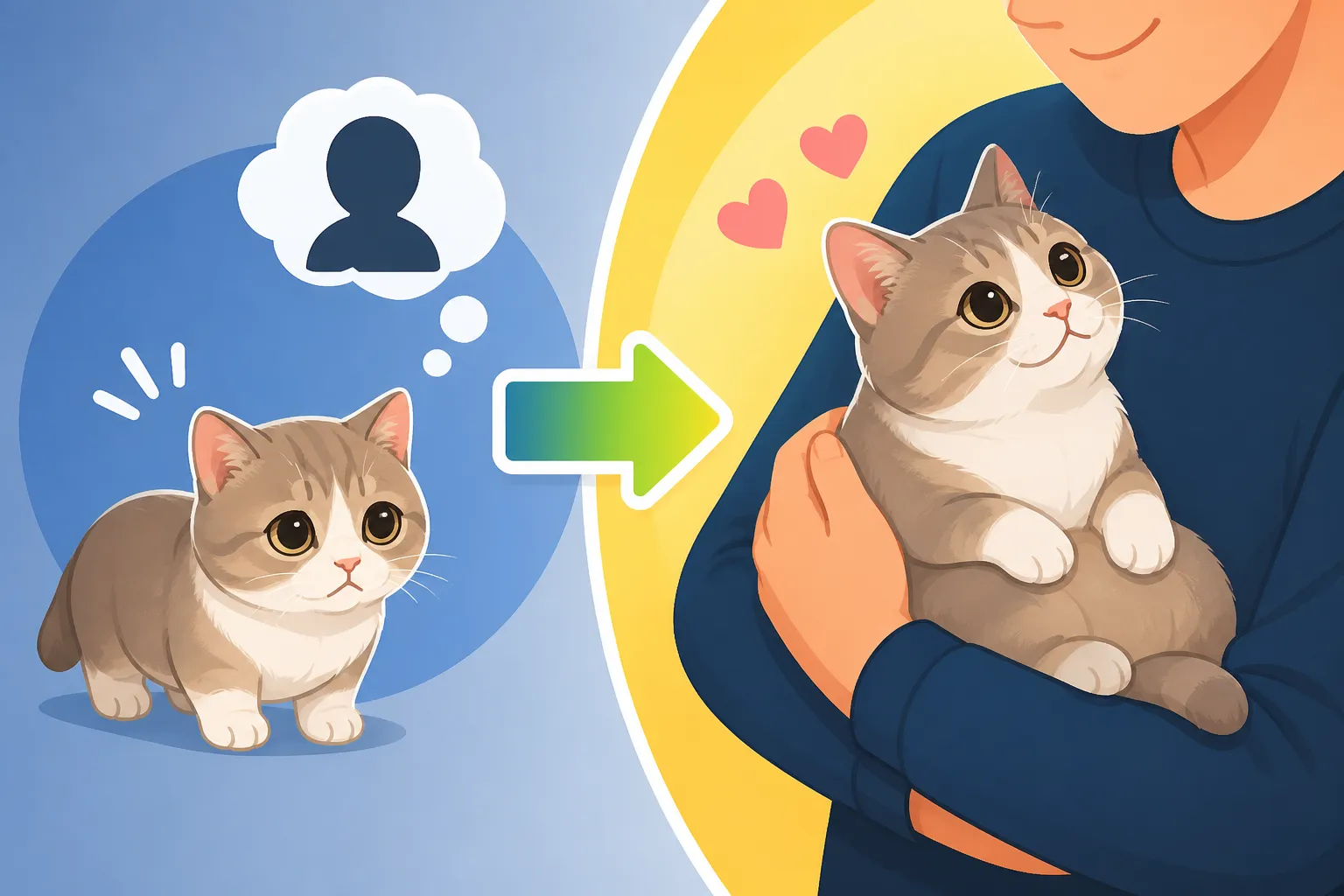
If your Munchkin is comfortable with being lifted by you, you might also want to explain the proper way to handle them. Because of their unique spinal structure and short legs, it's crucial to How to Lift a Munchkin Correctly, always supporting their entire body, especially their back, to prevent strain. This can be a really helpful piece of information for visitors, especially those who might be tempted to scoop them up like a normal cat. By empowering your guests with this knowledge, you create a safer, more positive environment for your Munchkin, fostering better interactions.
Creating a Safe Space for Retreat
No matter how well-socialized your Munchkin is, or how patient your guests are, there will be times when your cat simply wants to retreat. And because of their short legs, a Munchkin's ability to quickly escape to high ground is limited. Therefore, it's absolutely vital to provide easily accessible safe spaces where your Munchkin can go if they feel overwhelmed or just need a break. These could be cozy cat caves at floor level, or sturdy steps and ramps leading to a preferred perch on a low shelf or the sofa.
Having these designated "escape routes" not only gives your Munchkin a place to hide but also provides a sense of control, which is incredibly important for their psychological well-being. Knowing they can easily remove themselves from a situation if they choose makes them feel more secure and less likely to panic. This is particularly important in multi-pet households or those with young children, where a Munchkin might feel especially vulnerable. A safe retreat helps them manage their stress, ensuring that interactions with strangers remain as positive as possible, even if that means observing from a distance. For instance, in a household with a dog, knowing Why a Munchkin Cannot Get Away From a Dog by jumping makes a floor-level hideaway all the more important.
When a Munchkin May Never Be Comfortable with Strangers
It's a wonderful feeling when your cat embraces visitors, but sometimes, despite all your best efforts, a Munchkin might remain reserved or even fearful of strangers. It’s important to recognize that this is not a failing on your part or a flaw in your cat; it’s simply a part of their individual personality, and respecting that is paramount to their happiness.
Recognizing and Respecting Boundaries
Just like people, some cats are introverts, and some are extroverts. Your Munchkin might be an absolute cuddle monster with you, but a staunch wallflower when new people are around. It’s crucial to observe your cat's body language and understand their signals. Flattened ears, a tucked tail, dilated pupils, hissing, growling, or even retreating to hide are all clear signs that your Munchkin is stressed or uncomfortable. If you see these signals, it’s a cue to give them space and allow them to disengage from the interaction.
Forcing a fearful cat into interaction can break the trust you've built and exacerbate their anxiety, making future encounters even more challenging. It’s about prioritizing your Munchkin's emotional well-being over a visitor's desire to pet them. Understanding that some cats may never be "lap cats" for strangers is part of being a responsible owner. Their quality of life is not diminished by their preference for a small social circle. Indeed, when considering How to Judge a Munchkin's Quality of Life, their comfort and security within their home environment, even if it means less interaction with visitors, is key.
Managing Expectations for Visitors and Your Cat
If you know your Munchkin is likely to be shy around strangers, it’s helpful to manage your visitors' expectations upfront. A simple, "Whiskers is a bit shy, so please let her come to you if she feels comfortable" can save awkward moments. You might even designate a "cat-free" room for your Munchkin when guests are over, providing them with a quiet sanctuary where they can relax undisturbed. This allows them to have complete control over whether or not they engage.
It's also important to realize that a Munchkin's preference for minimal stranger interaction doesn't mean they don't enjoy life. They might be perfectly content with their immediate family, enjoying their toys, ramps, and cozy spots. While it can be disappointing if your cat isn't the social butterfly you envisioned, a happy, unstressed cat is far more important than one who tolerates discomfort for the sake of human expectations. Focus on providing enrichment, security, and love within the family unit, and your Munchkin will thrive, regardless of how long it takes for them to (or if they ever) let a stranger lift them.
Disclaimer
This article is for general informational purposes only and does not constitute professional advice. Laws, prices and regulations vary by location and change over time. Consult a qualified professional for guidance on your specific situation.