Which Dog Breeds Are Safe With a Munchkin
Bringing a new dog into a home with a Munchkin cat can feel like a high-stakes gamble. You adore your little short-legged friend, and the thought of them being hurt or constantly stressed by a new furry family member is truly heartbreaking. It’s not just about finding a dog that tolerates a cat; it's about finding one that truly understands and respects the unique physical limitations of your Munchkin, ensuring both pets can live happily and safely together. This guide aims to help you navigate this delicate process, identifying dog breeds and strategies that can lead to a harmonious multi-pet household.
Understanding the Munchkin's Unique Vulnerabilities
Before we even begin talking about dog breeds, it’s absolutely crucial to understand what makes a Munchkin cat different from a long-legged cat when it comes to interacting with dogs. Their adorable short legs, while giving them their distinctive look, also present significant challenges in a dynamic environment, especially when a boisterous dog is involved.
Physical Limitations That Affect Safety
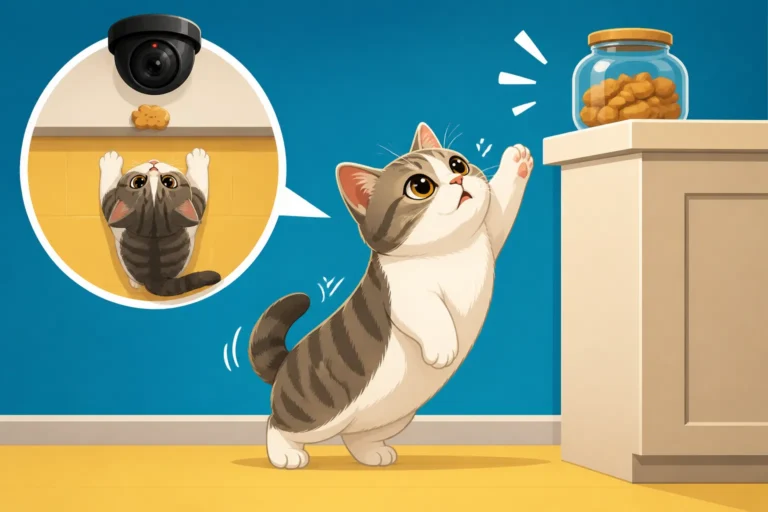
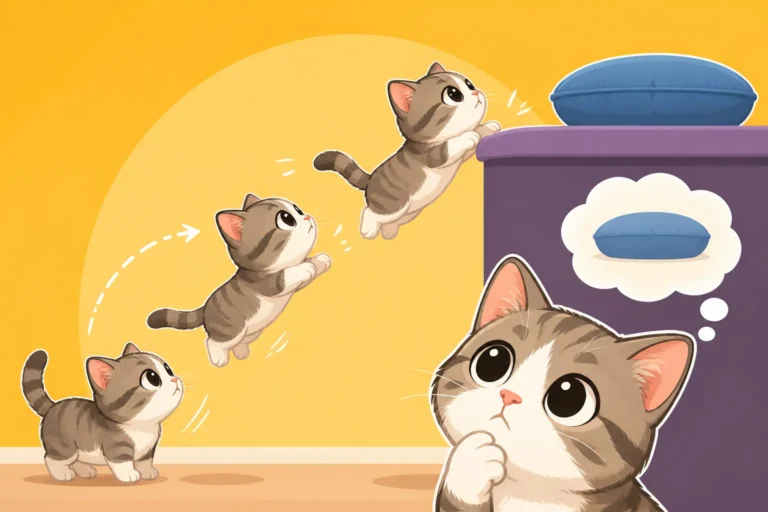
The most obvious difference, of course, is their legs. A Munchkin cannot jump as high or as far as a regular cat. This isn't just a minor inconvenience; it's a fundamental safety concern. Imagine your Munchkin being playfully chased by a dog – their natural instinct would be to flee, usually upwards onto a shelf, a cat tree, or a countertop. A Munchkin simply doesn't have that option. They might try to scale furniture using multiple smaller jumps, or even clamber up soft furnishings, but these are often slow and precarious maneuvers, leaving them vulnerable. Why a Munchkin Cannot Climb Away From Anything explains this in more detail.
Furthermore, a Munchkin’s short legs mean they have a lower center of gravity, which can make them quite agile on flat surfaces, able to dart and corner surprisingly well. However, this agility is limited to ground level. They cannot outrun a determined large dog in a straight line for long, nor can they leap over obstacles that a normal cat would clear with ease. Their short stature also means they are always at paw-level or face-level with most dogs, making accidental trampling or even an innocent paw-swipe a much greater risk. It’s a bit like having a toddler constantly interacting with an adult; the size difference alone demands a certain level of caution and gentleness.
Behavioral Traits and Escape Strategies
Munchkins, like most cats, are playful and curious. They love to bat at toys, chase string, and engage in wrestling matches with their feline friends. However, their play style is largely ground-based. When they encounter a perceived threat or simply want to disengage, their primary "escape" is often to scurry away low to the ground or hide under furniture. They don't have the same vertical escape routes that long-legged cats do. This means if a dog becomes too boisterous, or if a play session escalates beyond what the Munchkin is comfortable with, they lack the immediate ability to put physical distance between themselves and the dog by ascending.
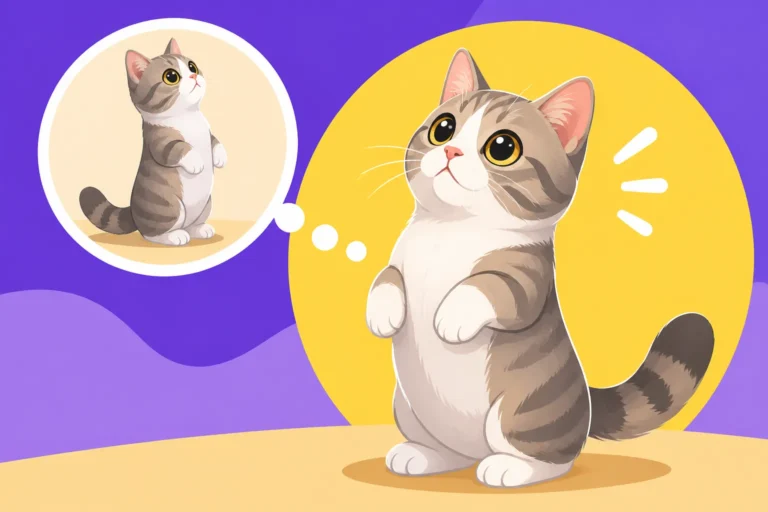
Think about a common cat-dog scenario: the dog gets excited, maybe barks, and lunges playfully. A typical cat might hiss, arch its back, and then launch itself onto the nearest bookshelf. A Munchkin, however, is left with few options. They might "prairie dog sit" to get a better view, but this is a defensive posture, not an escape route. This vulnerability can lead to chronic stress if the dog doesn't understand or respect these boundaries, or if the Munchkin constantly feels cornered. Why a Munchkin Cannot Get Away From a Dog delves deeper into these specific challenges. The cat needs to feel safe and secure in its own home, and a dog that doesn't respect that space can quickly erode its quality of life.
Characteristics of Dog Breeds Generally Safe with Munchkins
When considering a dog breed to share your home with a Munchkin, it's not just about the breed's reputation; it's about individual temperament and a careful assessment of their traits. We're looking for dogs that are generally calm, gentle, and possess specific qualities that minimize risk to your pint-sized feline.
Temperament and Energy Levels
The absolute most critical factor is temperament. You're looking for a dog that is inherently calm, patient, and has a low prey drive. A dog with a high prey drive might see your darting Munchkin as something to chase, which, given the Munchkin's limited escape options, can quickly turn dangerous. We want a dog that is more likely to observe your cat with mild curiosity or indifference, rather than intense focus.
Consider breeds known for their mellow disposition and adaptability to quiet indoor living. These dogs are less likely to engage in rough-and-tumble play that could overwhelm or injure a Munchkin. High-energy dogs that constantly need to run, jump, and roughhouse are generally not a good match, even if they're "good with cats." Their sheer exuberance can be terrifying and physically risky for a Munchkin, who can't easily duck away or scale a wall to escape an overly enthusiastic playmate. A dog that is happy with a gentle stroll and long naps is often a much safer bet than one that needs hours of intense activity.
Size and Play Style
While it might seem counterintuitive, sometimes larger dogs with gentle temperaments can be better than small, yappy, high-strung dogs. A small dog, if it's very energetic and prone to nipping or chasing, can still pose a significant threat. What we're looking for is a dog whose play style is compatible with a Munchkin's limitations. This means a dog that understands soft paws, gentle nudges, and doesn't engage in mock wrestling or aggressive chasing.
Ideally, a dog that is a "leaner" or "lounger" rather than a "bouncer" or "chaser" is preferred. Their large size, if combined with extreme gentleness, means they are often more careful and aware of their movements. However, even with the gentlest giant, accidental stepping or falling onto a Munchkin is a real concern due to the sheer weight difference. Therefore, supervision, especially in the early stages, is non-negotiable.
Table: Dog Breed Characteristics & Munchkin Compatibility
| Dog Trait | Ideal for Munchkin | Caution for Munchkin |
|---|---|---|
| Temperament | Calm, patient, gentle, tolerant | Nervous, aggressive, overly boisterous |
| Prey Drive | Low to none, cat-tested | High (e.g., chasing squirrels) |
| Energy Level | Low to moderate | High, constantly active |
| Size | Small to medium, or very calm large | Very large, very small and yappy |
| Play Style | Gentle, observational, relaxed | Rough, chasing, mouthy, high-impact |
| Socialization | Well-socialized, dog-park tolerant | Unsocialized, easily startled |
Specific Dog Breeds Often Recommended (and Why)
Let's dive into some specific breeds that tend to fare better in a Munchkin household, along with important caveats. Remember, every dog is an individual, and a breed recommendation is never a guarantee.
Gentle Giants (with important caveats)
It might surprise some, but certain larger breeds, when properly socialized and individually possessing a calm demeanor, can coexist peacefully with Munchkins. The key here is exceptional training and a proven, gentle nature.
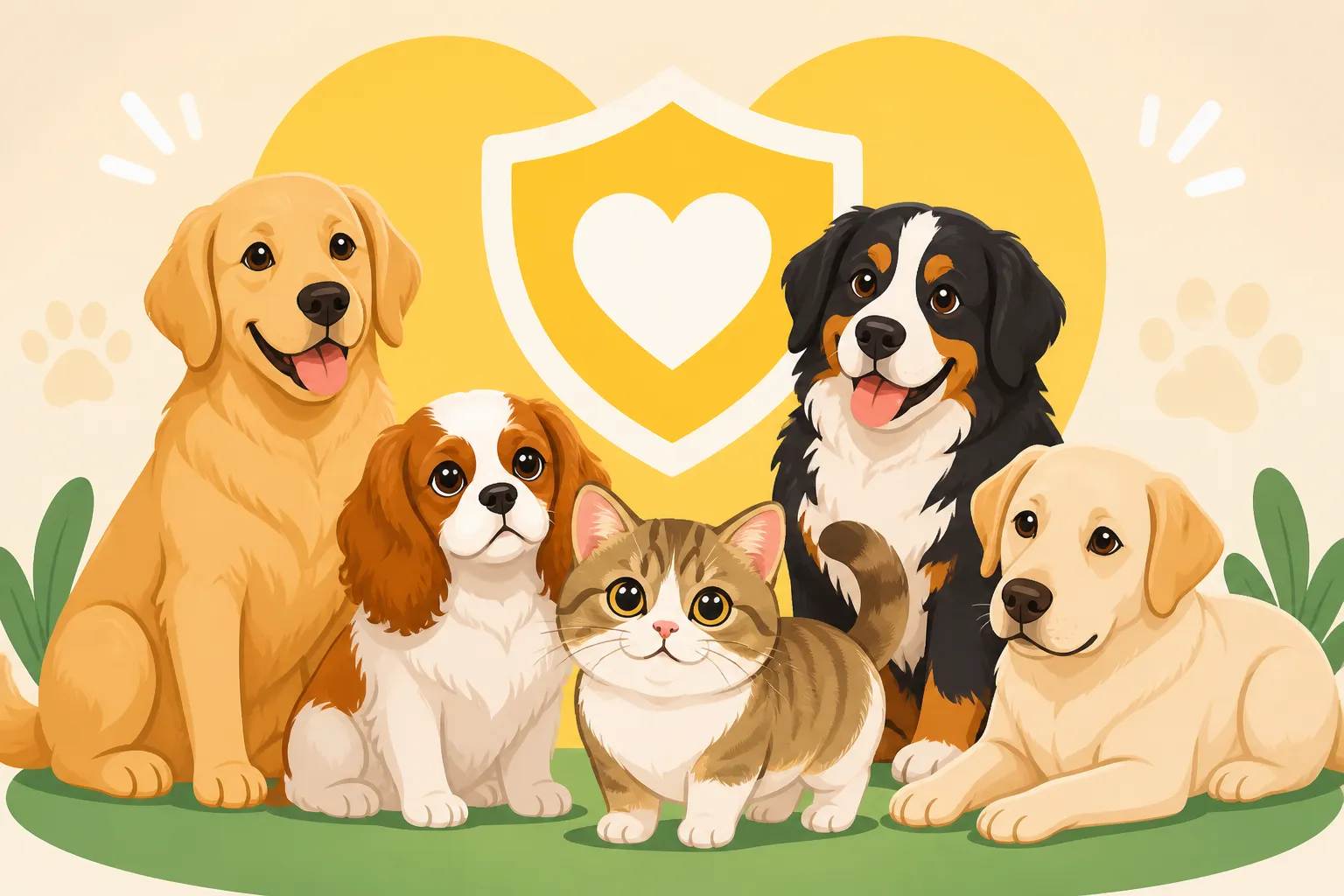
- Golden Retrievers and Labrador Retrievers: These breeds are often lauded for their friendly, tolerant nature and their desire to please. They can be wonderful family dogs. However, they are also large and can be quite boisterous, especially in their younger years. A playful, wagging tail alone can send a Munchkin flying! If you're considering one of these, look for an adult dog (2+ years old) with a documented history of living peacefully with cats, ideally small ones. Their energy levels need to be managed through regular exercise outside the house, so they are calm indoors. The biggest risk here is accidental injury due to their size and enthusiasm, not malice.
- Greyhounds: Surprisingly, retired racing Greyhounds can be fantastic companions for cats. They are often described as "45-mph couch potatoes." While they have an incredibly high prey drive for small, fast animals outdoors, indoors they are typically very quiet, gentle, and often indifferent to cats, especially if introduced correctly and they pass a "cat test" prior to adoption. Many Greyhound rescues specifically cat-test their dogs. Their elegant, lean build means they can move gracefully, and they are generally not prone to rambunctious indoor play. However, caution is still advised; never assume.
Small and Calm Breeds
These breeds often get a nod because their size disparity with a Munchkin is less pronounced, reducing the risk of accidental injury.
- Cavalier King Charles Spaniel: Cavaliers are renowned for their sweet, gentle, and affectionate nature. They are bred to be companion dogs and typically get along well with everyone, including cats. Their energy level is moderate, and they are usually not prone to aggressive or overly boisterous play. Their smaller size makes them less intimidating, and their soft mouths mean any accidental nips are less severe.
- Bichon Frise: Fluffy, cheerful, and generally good-natured, Bichons can be excellent choices. They are playful but usually gentle in their interactions, and their size is more comparable to a Munchkin. They thrive on companionship and are usually eager to make friends.
- Maltese & Shih Tzu: These toy breeds are typically calm, lap-loving dogs that prefer gentle interaction over roughhousing. They are usually very adaptable to indoor living and can be quite tolerant of cats, often developing close bonds. Their delicate build also means they are less likely to accidentally harm a Munchkin during play.
Medium and Mellow Breeds
Some medium-sized dogs can also be good candidates if their personality aligns with a calm household.
- Basset Hound: With their famously laid-back demeanor and short legs, Basset Hounds might seem like a natural fit. They are generally very tolerant and have a low prey drive. Their low-slung bodies mean they're often operating at a similar ground level to a Munchkin. However, they are surprisingly heavy and can be a bit clumsy. Their deep bark can also be startling for a cat. An older, well-settled Basset could be a good choice, but a puppy might be too much of a lumbering risk.
- Pugs & French Bulldogs: These brachycephalic (flat-faced) breeds are known for their generally placid, friendly, and somewhat lazy nature. They love to cuddle and are not typically high-energy. Their compact size makes them less of a physical threat, and their easygoing personalities often mean they're content to share space with a cat without much fuss. However, their snoring and snorting might take some getting used to for a sensitive Munchkin!
Breeds to Exercise Extreme Caution With (or Avoid)
While individual temperament is always key, some dog breeds, due to their inherent traits, pose a higher risk to a Munchkin cat and should be approached with extreme caution or, ideally, avoided.
High Prey Drive Breeds
This is perhaps the most significant red flag. Breeds originally developed for hunting, flushing, or chasing small animals often retain a strong instinct to pursue anything that moves quickly.
- Terriers (e.g., Jack Russell, Fox Terrier, Cairn Terrier): Terriers were bred to hunt and kill vermin. This ingrained instinct means they often have an exceptionally high prey drive. Their energetic, tenacious nature, combined with their sharp teeth and powerful jaws, makes them a very high risk for a Munchkin. Even if they're "good with cats" in a general sense, the instinct to chase a small, darting creature can override training, especially during excited play.
- Sighthounds (e.g., Whippet, Italian Greyhound, Saluki – excluding many retired Greyhounds): While retired Greyhounds can be excellent, other sighthounds still often retain a very strong visual prey drive. A Munchkin darting across the floor could trigger an unstoppable chase instinct. While often gentle with their own kind, their speed and focus on movement can be deadly for a small cat.
- Herding Breeds (e.g., Border Collie, Australian Shepherd, Corgi): These dogs are bred to gather and control livestock, which can translate into a tendency to "herd" other pets, including cats. This might involve nipping at their heels, circling, or pushing them, which can be incredibly stressful and physically dangerous for a Munchkin who cannot easily escape or stand its ground.
Very Large and Boisterous Breeds
While some large dogs can be gentle, breeds that are inherently very large, powerful, and prone to boisterous play can pose an accidental threat.
- Mastiffs, Great Danes, Bernese Mountain Dogs (as puppies/young adults): While wonderful, loving breeds as adults, their sheer size and awkwardness as puppies and adolescents can be a huge risk. A young Great Dane, for example, is unaware of its size and can easily knock over or accidentally injure a Munchkin just by moving around or trying to play. Even an affectionate nudge can be too much.
- Breeds with Intense Play Styles (e.g., Boxers, high-energy Pit Bull types): Dogs that love to roughhouse, jump, and use their mouths in play can inadvertently harm a Munchkin. Their play is often too physical and intense for a delicate, short-legged cat.
Introducing a Dog to Your Munchkin: Best Practices
Even with the "safest" breed, a proper introduction and ongoing management are paramount. You can’t just throw them together and hope for the best, especially with a Munchkin.
Gradual Introduction and Safe Spaces
The golden rule is slow, supervised introductions. Don't rush it. This process can take weeks or even months.
- Scent Swapping: Before they even see each other, let them get used to each other's scent. Swap blankets, toys, or even just pet one and then the other without washing your hands. This creates a familiar scent profile.
- Visual Separation: Start with the dog and cat separated by a baby gate, a glass door, or a crate. They can see and hear each other, but not interact physically. Feed them on opposite sides of the barrier. Praise and reward calm behavior from both. You can find sturdy baby gates on Amazon that work wonders for this.
- Leashed, Supervised Meetings: Once they seem comfortable with visual contact, introduce them in the same room with the dog on a leash. Keep interactions short and positive. Distract the dog with treats or gentle commands. Have a "safe room" for the Munchkin – a room with a closed door where the cat can retreat and relax, equipped with its food, water, and litter box. Making One Room Reachable for a Munchkin All Day is a good read on how to set this up.
- No Unsupervised Contact, Ever (Initially): Until you are absolutely confident in their interactions, never leave them alone together. Even a quick trip to the mailbox is too long. If you have to leave, separate them.
Supervision and Training
Ongoing supervision is crucial, particularly in the initial months. You need to be an active participant in their relationship.
- Positive Reinforcement: Reward both pets for calm, positive interactions. Give the dog treats for ignoring the cat or for lying calmly in its presence. Give the Munchkin treats for staying relaxed.
- Dog Training: Ensure your dog has excellent basic obedience commands like "leave it," "stay," "off," and a reliable recall. This allows you to interrupt any undesirable behavior immediately.
- Managing Play: Discourage any rough play. If the dog is too boisterous, calmly intervene and redirect its energy with a toy or a walk. Teach the dog to respect the Munchkin’s space. If you see signs of stress in your Munchkin (flattened ears, crouching, hissing, dilated pupils), immediately separate them and give the cat space to decompress.
- Respecting Boundaries: Teach children and visitors how to interact with both animals, ensuring they don't exacerbate any tension or accidentally put the Munchkin in a vulnerable position. How to Teach a Child to Lift a Munchkin provides important advice on safe interaction.
Adapting the Environment for Your Munchkin
Since your Munchkin can't easily jump to safety, you need to create a physical environment that offers them secure retreat options.
- Vertical Escape Routes: Install cat shelves, cat trees with easily accessible levels, or sturdy pet steps leading to higher surfaces like window sills or the top of a dresser. Ensure these are placed in areas where the Munchkin can easily access them without straining its short legs. Look for compact, close-set platforms if buying cat trees – many standard cat trees have gaps too wide for a Munchkin.
- Ramps and Steps: Provide ramps or low steps to help your Munchkin get onto favorite sofas, beds, or chairs. These prevent stress on their joints from repeated jumping and also give them quick access to elevated safe spots if the dog becomes overwhelming. You can find a wide variety of pet ramps on Amazon, from carpeted ones to those specifically designed for small pets. Why a Munchkin Cattery Should Have Ramps in Every Pen highlights the importance of this.
- Dog-Free Zones: Use baby gates to create specific areas in the house where the dog cannot go but the Munchkin can. This might be a laundry room, a bedroom, or a dedicated "cat zone" where the Munchkin knows it can always find peace and quiet. Make sure the gaps in the gate are small enough that the Munchkin can slip through easily, but the dog cannot follow.
- Feeding Stations: Place the Munchkin's food and water bowls in an elevated location the dog cannot reach, or within a dog-free room. This prevents the dog from eating the cat's food and ensures the Munchkin can eat in peace without feeling threatened. Even a low-entry cat carrier can be used as a safe, enclosed feeding station if the Munchkin needs a really secure space.
Choosing the right dog breed is just the first step. The true success of a multi-pet household with a Munchkin cat lies in patience, proactive management, and a deep understanding of your unique cat's needs. By thoughtfully selecting a dog with a compatible temperament and diligently preparing your home and introducing your pets, you can foster a loving environment where both your short-legged companion and your new canine friend can thrive.
Disclaimer
This article is for general informational purposes only and does not constitute professional advice. Laws, prices and regulations vary by location and change over time. Consult a qualified professional for guidance on your specific situation.