Which Harness Fits a Munchkin’s Body
It's a common frustration among Munchkin cat parents: you want to safely explore the world with your little low-rider, but every standard cat harness seems designed for a completely different feline physique. The truth is, their unique short legs and often longer body shape make finding a proper, secure, and comfortable harness a real challenge. This guide is here to help you navigate the options, understand what truly fits a Munchkin, and ensure your adventurous companion can explore safely and happily, whether it's for a supervised outdoor stroll or a trip to the vet.
Why Standard Cat Harnesses Often Fail the Munchkin Test
You’ve probably seen it yourself. You buy a harness that looks perfectly fine on the packaging, only to try it on your Munchkin and watch them either Houdini their way out in seconds or struggle with restricted movement. It’s not a defect in your cat; it’s a design mismatch. Standard cat harnesses are typically built for cats with average leg lengths and body proportions, which means they don't account for the special needs of a Munchkin.
The Girth Gap and Shoulder Snafu
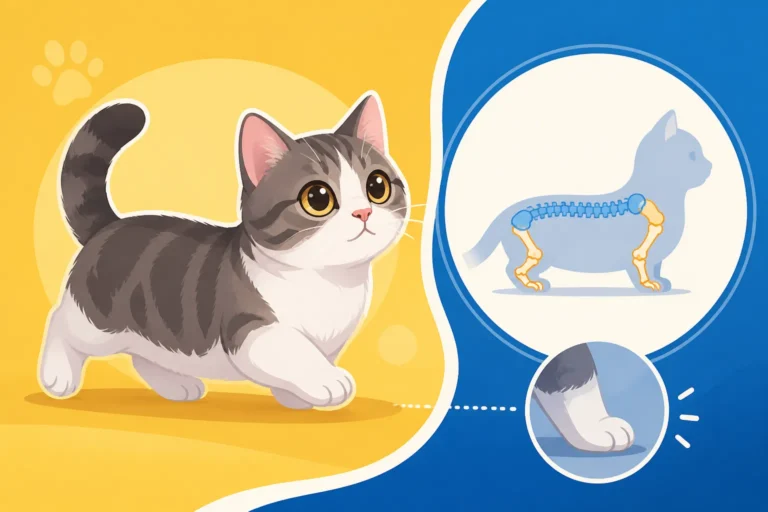
One of the biggest issues is the girth strap. On a standard cat, this strap sits comfortably behind the front legs, but on a Munchkin, whose legs are significantly shorter, that strap often sits too far back on their longer body. This creates a "girth gap" where the harness is either too loose around the chest, allowing for easy escapes, or it chafes uncomfortably right in the armpit area. Imagine wearing a backpack with straps that constantly dig into your underarms – that's what many Munchkins experience.
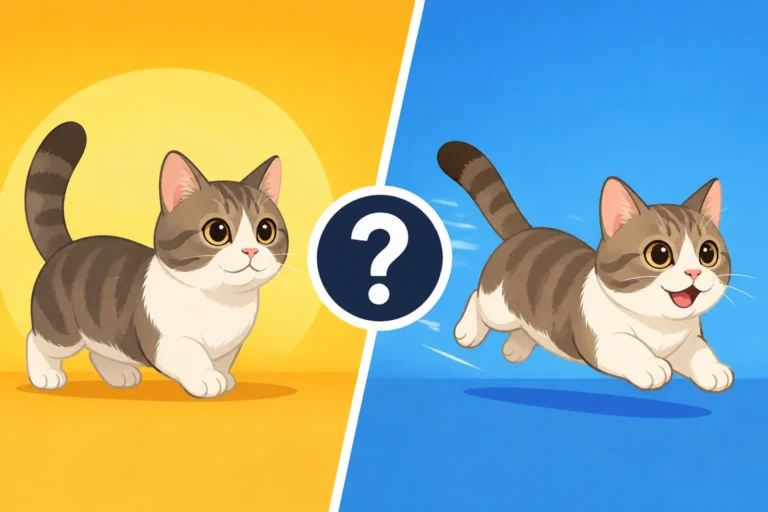
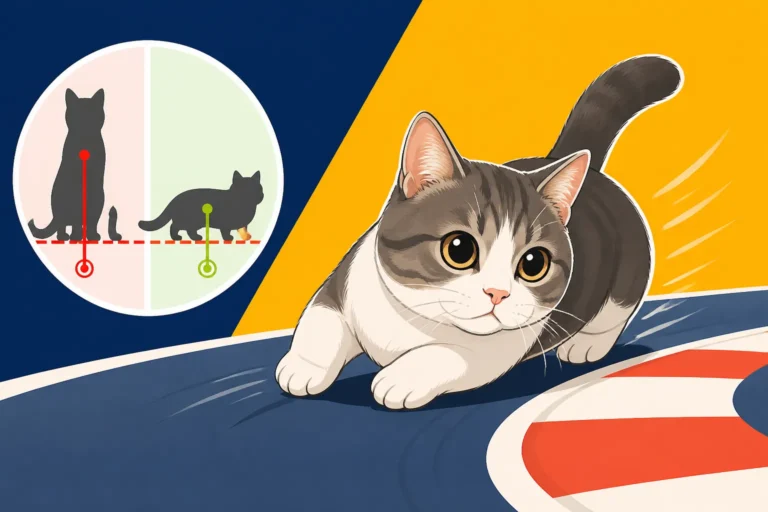
Beyond the girth, a Munchkin's shoulder conformation is also different. Their short legs mean their shoulder blades and surrounding muscles operate within a more compact space. A harness designed to go over the shoulders of a long-legged cat might restrict the natural, often rapid, movement of a Munchkin's front legs. This isn't just uncomfortable; it can impede their unique gait and even discourage them from moving normally, which is the last thing you want when you're trying to encourage exercise. How Fast a Munchkin Runs on Level Ground is surprisingly quick, and you need a harness that supports that natural movement.
Escape Artistry: The Munchkin Edition
Cats are notorious escape artists, and a Munchkin with an ill-fitting harness is no exception. Because their bodies are low to the ground and their center of gravity is different, they can often twist and wriggle out of harnesses that might secure a taller cat. The lack of proper fit around the chest and neck provides just enough slack for them to back out, leaving you holding an empty harness while your furry friend makes a dash for it. This isn't just inconvenient; it can be incredibly dangerous if you're in an unfamiliar outdoor environment.
Furthermore, a poorly designed harness can put undue pressure on a Munchkin's spine or delicate ribcage if they pull or struggle. Their unique skeletal structure, while robust for their size, should always be protected. You want a harness that distributes pressure evenly across their chest and shoulders, not one that concentrates it on a single point or creates a leverage point for them to slip.
Essential Features for a Munchkin-Friendly Harness
Finding the perfect harness for your Munchkin means looking beyond the pretty patterns and focusing on functional design. It's about adjustability, material, and how the harness interacts with their specific body shape. Prioritizing these features will lead you to a much more successful and safer experience.
Superior Adjustability and Multi-Point Design
The number one feature you need is extreme adjustability. Look for harnesses with multiple adjustment points – at least two around the neck and two around the chest/girth. This allows you to truly customize the fit to your Munchkin's proportions, ensuring it's snug without being restrictive. Some harnesses even offer adjustment straps connecting the neck and chest sections, which can be invaluable for preventing the harness from riding up or gapping.
Many owners find that harnesses sold by brands like Sleepypod or Kitty Holster, which often have a wider range of adjustability and coverage, are better suited. When searching on sites like Amazon, prioritize product descriptions that specifically mention "custom fit" or "multiple adjustment points" rather than just S/M/L sizing. This level of detail is critical for accommodating the unique dimensions of your low-slung friend.
Soft, Breathable Materials and Secure Fastenings
The material of the harness is incredibly important for comfort and safety. Look for soft, breathable fabrics like mesh or lightweight nylon with padded edges. Avoid stiff, rough materials that could chafe against their skin, especially in their armpits or along their belly. A Munchkin's fur, whether long or short, can easily get irritated by abrasive fabrics.
Security is also paramount. Double D-rings are a great feature, providing extra strength and a backup attachment point for the leash. Strong, reliable buckles that lock securely are a must. Reflective strips or piping are a huge bonus if you plan on any supervised evening strolls, as they significantly increase visibility. Remember, Why a Munchkin Should Never Be Let Outdoors unsupervised is a cardinal rule, but a good harness makes supervised adventures much safer.
Top Harness Styles for Munchkins
Not all harness styles are created equal, especially when you're dealing with a Munchkin's unique build. Certain designs lend themselves better to their short legs and long bodies, offering a more secure and comfortable experience.
Vest-Style Harnesses: The Secure Hug
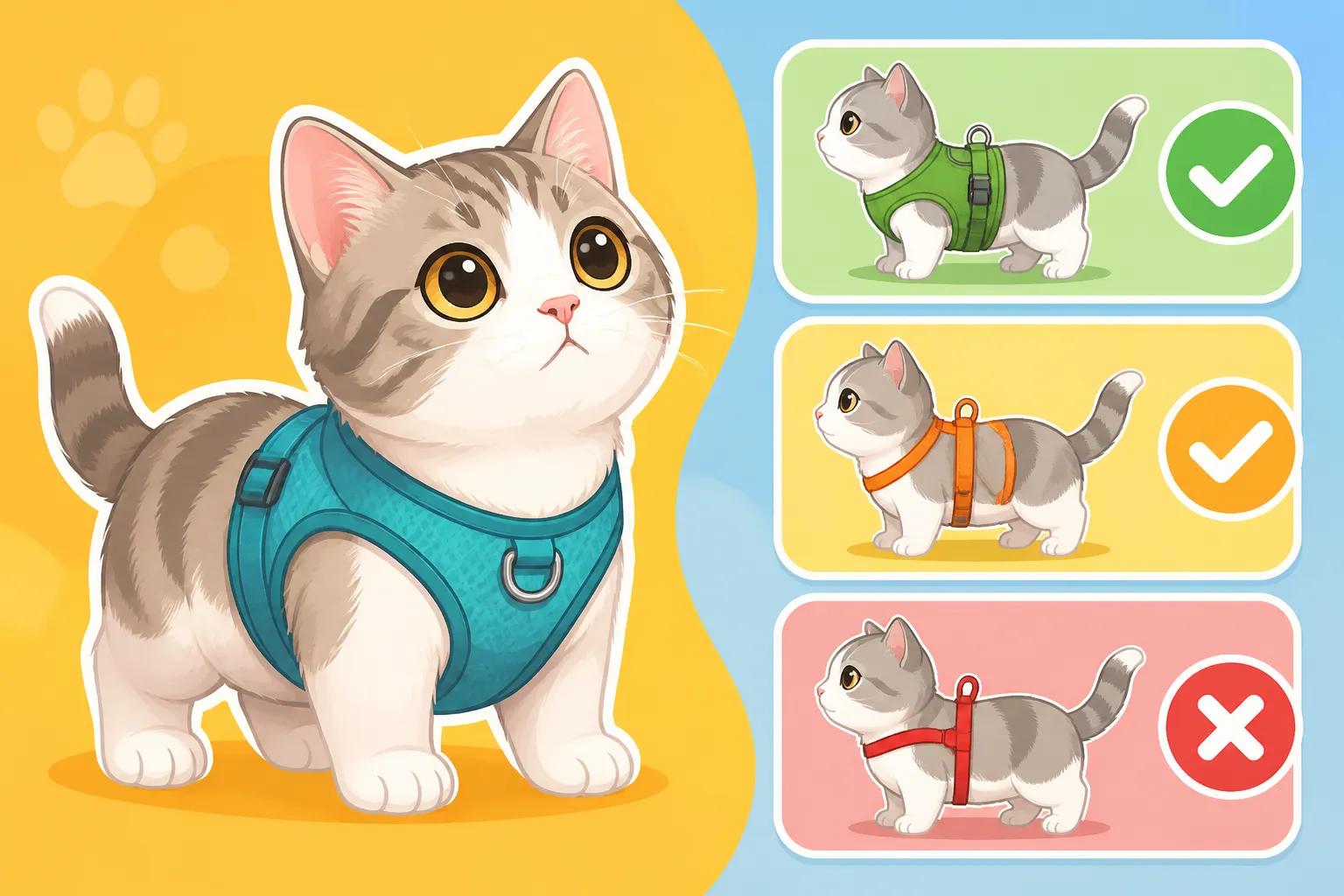
Many Munchkin owners find great success with vest-style harnesses. These harnesses offer a wider surface area, distributing pressure more evenly across the chest and back. This "hug" style can feel more secure for the cat and makes it much harder for them to back out of. The broader fabric also tends to prevent the straps from digging into sensitive areas like the armpits.
When choosing a vest harness, look for ones that are soft and flexible, not stiff. Again, excellent adjustability around both the neck and girth is key. Some popular brands found on Amazon offer vest harnesses specifically designed for smaller breeds or those with unique body shapes, so reading reviews from other Munchkin owners can be very insightful. How a Munchkin Braces Itself in a Moving Car can be a concern, and a secure vest harness can also offer better safety in a pet carrier during travel.
H-Style Harnesses: When Adjustability is King
The classic H-style harness, with straps around the neck and chest connected by a central strap along the back, can also work well for Munchkins, provided it has superior adjustability. The key here is the length of the connecting strap along the back. If it's too short, the chest strap will ride up into their armpits. If it's too long, the harness becomes too loose.
Look for H-style harnesses where both the neck and chest loops are highly adjustable, and crucially, where the connecting strap itself can be shortened or lengthened. This flexibility allows you to fine-tune the fit to your Munchkin's specific body length, ensuring the chest strap sits correctly. While perhaps not as escape-proof as some vest styles, a well-fitted H-style harness offers excellent freedom of movement, which is important given Whether a Munchkin Can Keep Up on a Leash.
| Harness Type | Pros for Munchkins | Cons for Munchkins | Best Use Case |
|---|---|---|---|
| Vest Harness | – Harder to escape from – Even pressure distribution – Less likely to chafe armpits |
– Can be warmer (less breathable) – May feel bulkier to some cats |
– Outdoor adventures – High-security needs |
| H-Style Harness | – Excellent freedom of movement – Good ventilation – Simple, lightweight design |
– Easier to escape if not perfectly fitted – Girth strap can ride up if connecting strap is too short |
– Training indoors – Quick, short outings (with good fit) |
| Step-In Harness | – Easy to put on – Good for cats who dislike head loops |
– Less secure, easier to escape from – Minimal adjustability often |
– Very calm cats – Indoor use only |
Step-In Harnesses: Proceed with Caution
Step-in harnesses are often tempting because they seem so easy to put on. You simply guide your cat's front paws through two loops and clip it up over their back. However, for a Munchkin, these often lack the crucial adjustability around the neck and chest to create a truly secure fit. They are typically designed for more uniform body shapes, and the fixed sizing can mean they are either too loose in one area or too tight in another.
While convenient, they are generally the least secure option for an active or determined cat. A Munchkin could potentially back out of a step-in harness with relative ease, especially if startled. If you absolutely prefer a step-in style, make sure it has robust buckles and check for any additional adjusters that might offer a more tailored fit. Otherwise, for the safety of your precious companion, it's often better to opt for a vest or a highly adjustable H-style harness.
Measuring and Fitting Your Munchkin's Harness Correctly
Even the best harness in the world won't work if it's not fitted properly. Getting the right measurements and understanding how it should sit on your Munchkin's body is the key to both security and comfort. This isn't a one-and-done deal; you'll want to re-check the fit periodically, especially as your Munchkin grows or their weight changes.
The Measuring Tape is Your Best Friend
Before you even think about buying, grab a soft measuring tape. You'll need two crucial measurements:
- Neck Circumference: Measure around the base of your Munchkin's neck, where their collar would naturally sit. Don't measure too high up, which would be like a choker. Make sure you can comfortably slip two fingers under the tape.
- Chest/Girth Circumference: Measure the widest part of their chest, just behind their front legs. This is the most critical measurement for preventing escapes and ensuring comfort. Again, the two-finger rule applies.
Compare these measurements to the sizing chart provided by the harness manufacturer. Remember, sizes are not universal. A "small" from one brand might be a "medium" from another. If your Munchkin is between sizes, it's generally safer to size up, assuming there's ample adjustability, rather than getting one that's too tight.
The "Two-Finger" Test and Movement Check
Once you have the harness on your Munchkin, it's time for the ultimate fit test. You should be able to comfortably slide two fingers between any strap and your cat's body. If you can fit more than two, it's too loose. If you struggle to fit even one, it's too tight. Pay special attention to the areas around their armpits and neck, ensuring there's no rubbing or restriction.
Next, let your Munchkin walk around naturally. Observe their gait. Does the harness impede their movement? Are they hunching, trying to shake it off, or moving stiffly? A properly fitted harness should allow them to walk, run, and even do their adorable "prairie dog sit" comfortably. If Whether a Munchkin Should Be Filmed Walking for the Vet is a useful exercise for general health checks, it's equally valuable for assessing harness fit. Adjust the straps as needed until they move freely and appear comfortable. It's often helpful to keep adjusting tiny bits at a time, especially with a new harness, until it feels just right.
Acclimating Your Munchkin to Harness Life
Even with the perfect harness, it’s rare for a cat to immediately take to wearing it. Patience, positive reinforcement, and a gradual approach are key to making harness training a positive experience for your Munchkin.
Start Small and Build Positive Associations
Begin by simply letting the harness be present in their environment. Lay it near their food bowl or favorite sleeping spot so they can sniff and get used to its smell. Once they're comfortable with its presence, try putting it on for very short periods, just a minute or two at first, perhaps right before mealtime or a favorite play session. Immediately reward them with high-value treats and praise. The goal is to associate the harness with good things. How Much Floor Level Play a Munchkin Needs means plenty of opportunities for positive association during play.
Gradually increase the time they wear the harness, always ending the session on a positive note before they show signs of discomfort. Never force them or punish them for disliking it; this will only create negative associations and make future training harder. If How Much a Munchkin Talks When It Wants Lifting is a common interaction, use that desire for attention as a cue to gently introduce the harness.
Indoor Practice Before Outdoor Adventures
Once your Munchkin is comfortable wearing the harness for longer periods indoors, start attaching the leash. Let them drag the leash around (under strict supervision, so it doesn't get tangled or snagged). Practice walking them around a quiet room, guiding them gently and rewarding them for any steps taken on the leash. Avoid pulling or dragging them. Cats don't walk like dogs; they tend to lead the way.
Only when they are completely comfortable and confident indoors should you consider a supervised outdoor adventure. Start in a very quiet, contained outdoor space, like a fenced yard, for just a few minutes. Gradually expose them to more sights and sounds, always being mindful of their reactions. Remember that How to Lift a Munchkin Correctly is important when putting on and taking off the harness, ensuring you don't stress their back. A good harness will allow them to safely enjoy the enrichment of new environments, enhancing their overall well-being.
Disclaimer
This article is for general informational purposes only and does not constitute professional advice. Laws, prices and regulations vary by location and change over time. Consult a qualified professional for guidance on your specific situation.