Why a Toddler Cannot Be Left With a Munchkin
Munchkin cat safety around toddlers explains short vertical jump capabilities, limited escape routes, and spine injury risks.
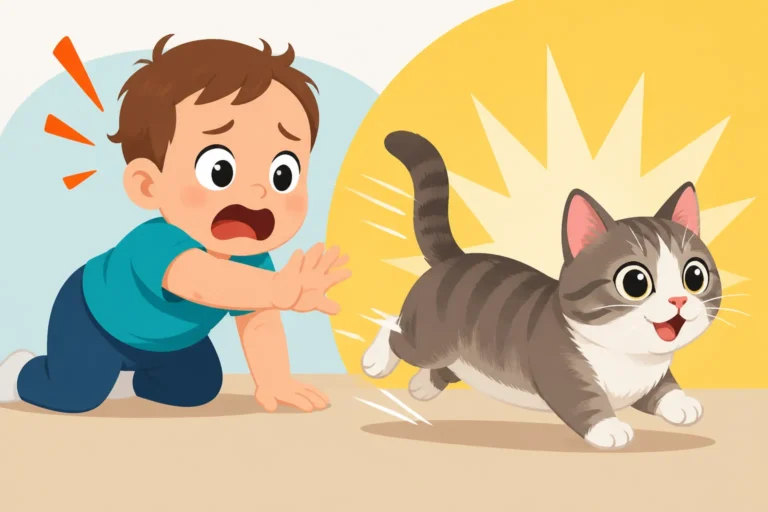
Munchkin cat safety around toddlers explains short vertical jump capabilities, limited escape routes, and spine injury risks.
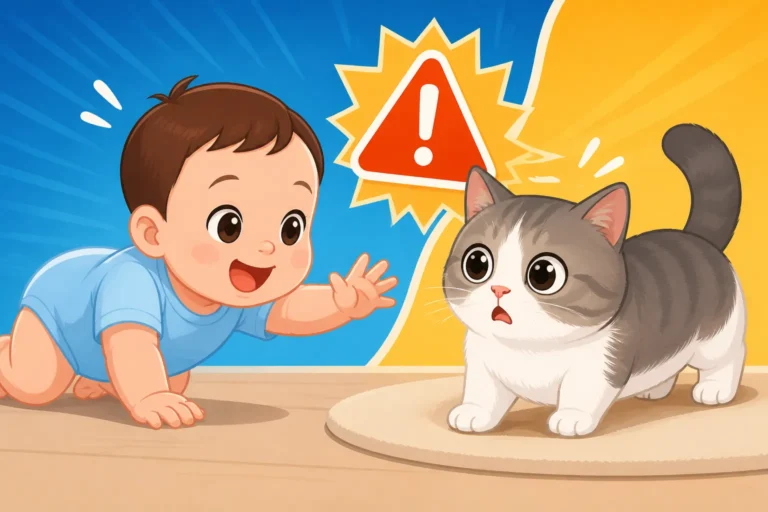
Munchkin cat safety with a crawling baby requires managing limited escape routes because short legs prevent high jumps to safety.
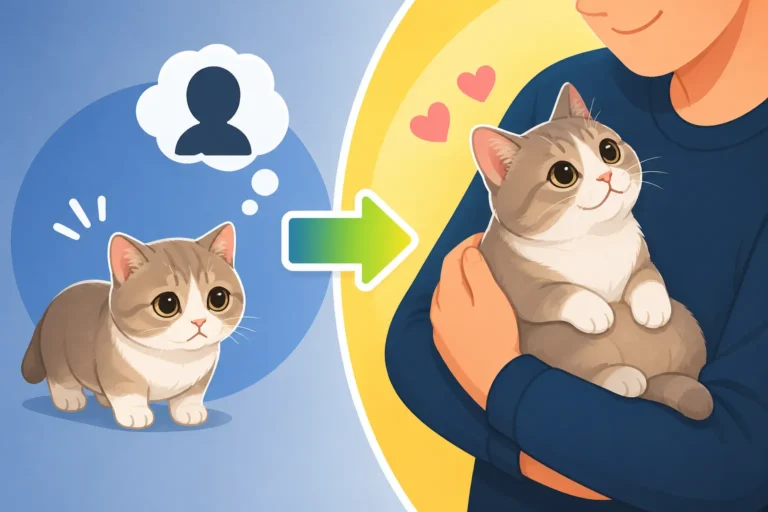
Munchkin cat social behavior and trust with strangers, including how short legs and limited escape routes affect interactions.
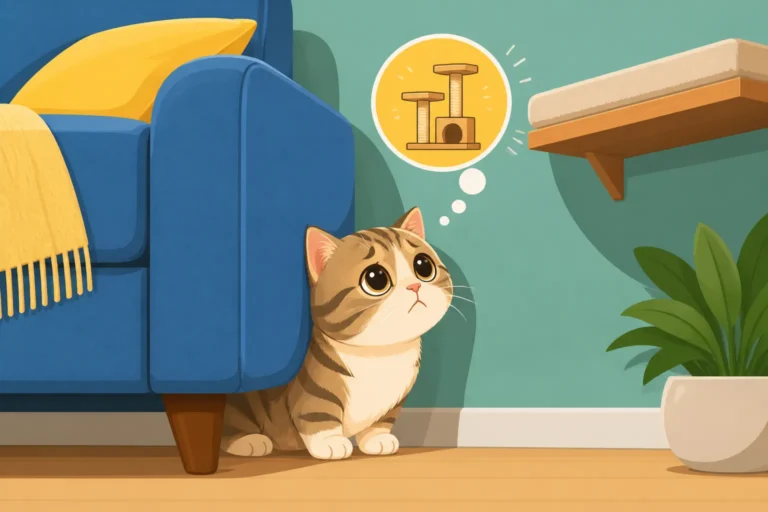
Munchkin cat hiding spots include low spaces under beds and sofas when short legs make standard elevated perches completely unreachable.
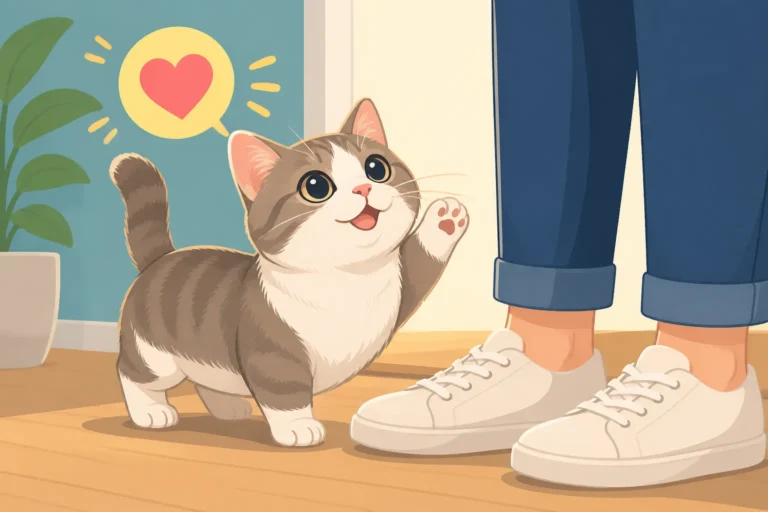
Munchkin cat ankle greetings result from short legs caused by a genetic mutation, forcing ground level social interactions.
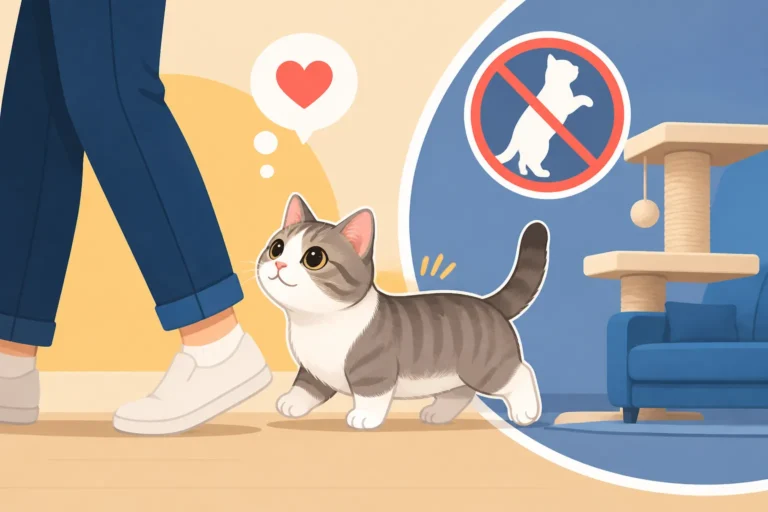
Short Munchkin cat legs and pseudoachondroplasia limit jumping and climbing, making ground movement safer for their joints.
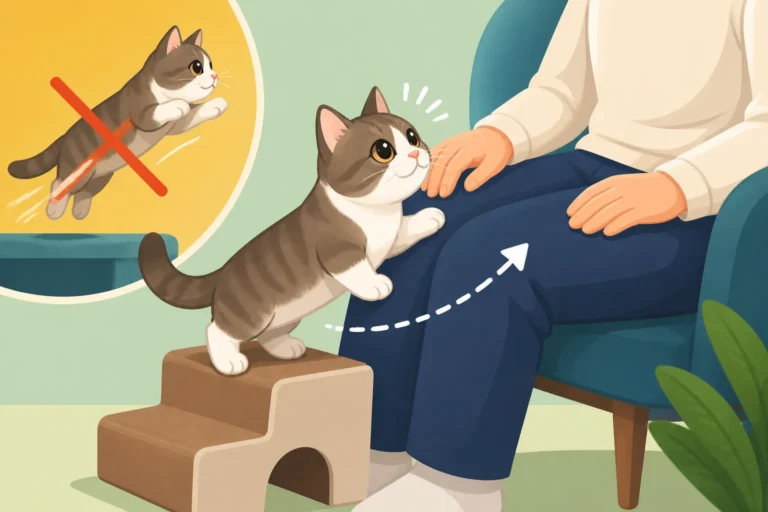
Munchkin cats with short legs and normal spines use clever climbing strategies and persistence to reach laps without jumping.
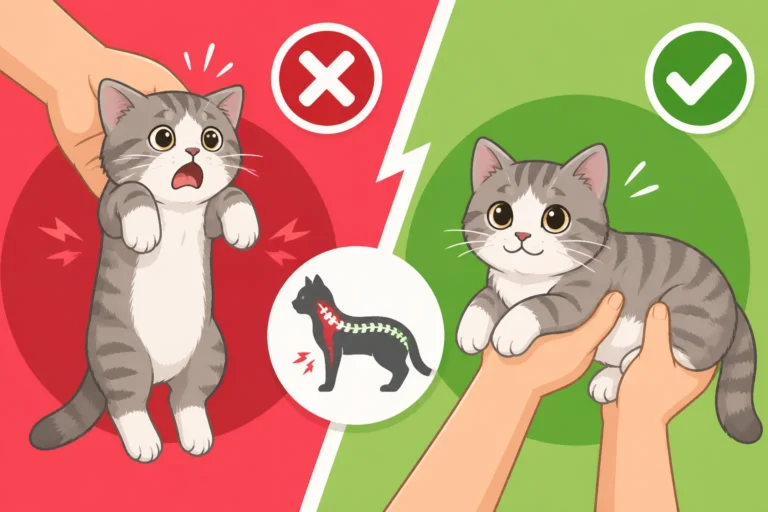
Lifting Munchkin cats by their front legs causes shoulder and elbow strain because pseudoachondroplasia alters their bone structure.
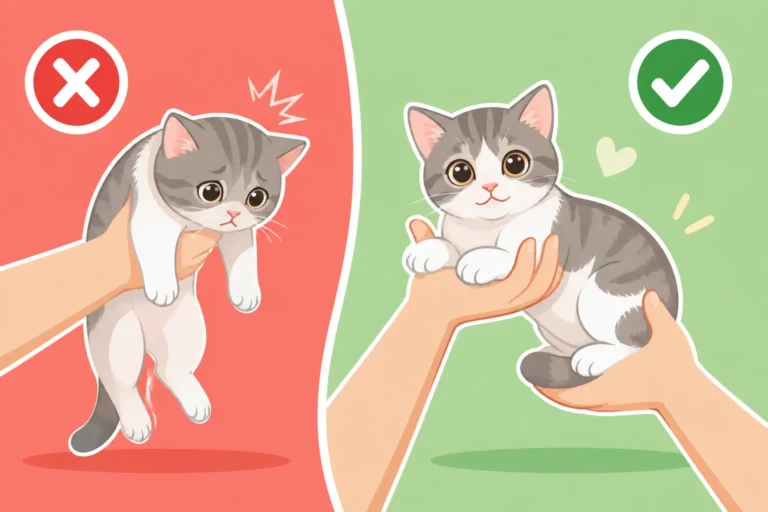
Proper lifting techniques protect a Munchkin cat by fully supporting the spine and preventing joint strain during handling.
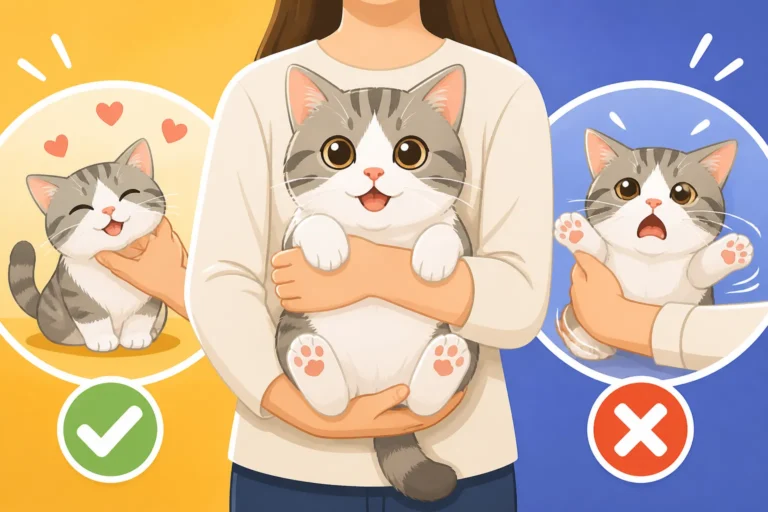
Munchkin cat carrying comfort involves understanding their short stature, physical limits, and spinal support needs to prevent strain.