Caring for a Munchkin Past Ten
Senior Munchkin cat care helps owners identify arthritis, joint stiffness, and age-related changes in cats past ten years old.
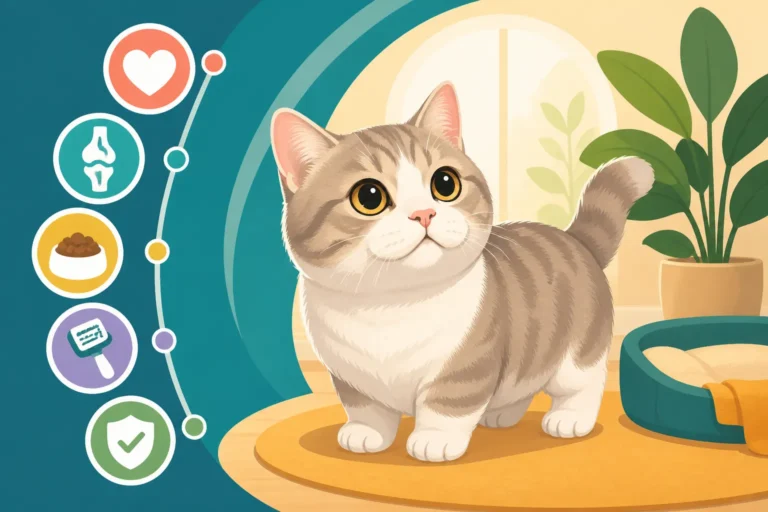
Senior Munchkin cat care helps owners identify arthritis, joint stiffness, and age-related changes in cats past ten years old.
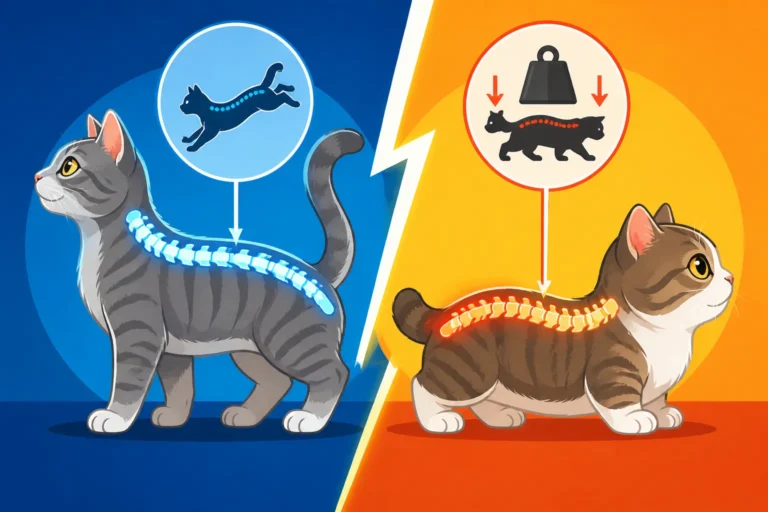
Munchkin cat spinal biomechanics explain why a normal torso on short limbs creates heavy compressive loads on the vertebrae.
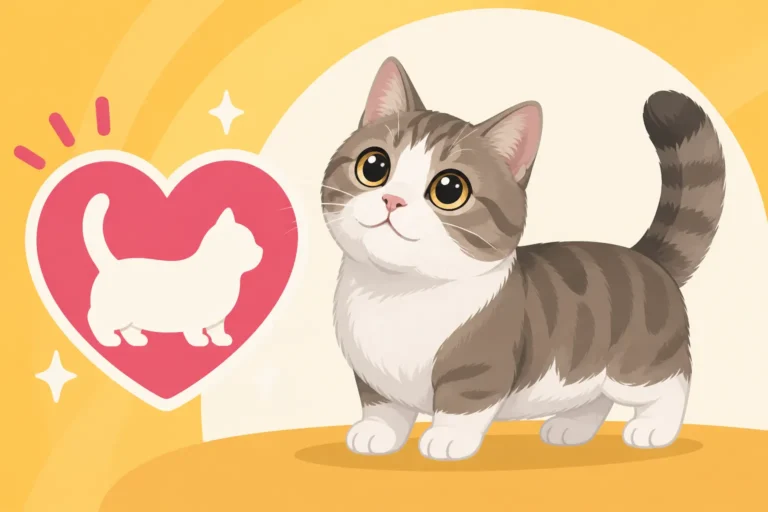
The average lifespan of a Munchkin cat spans twelve to fifteen years, influenced by genetics, environment, and veterinary care.
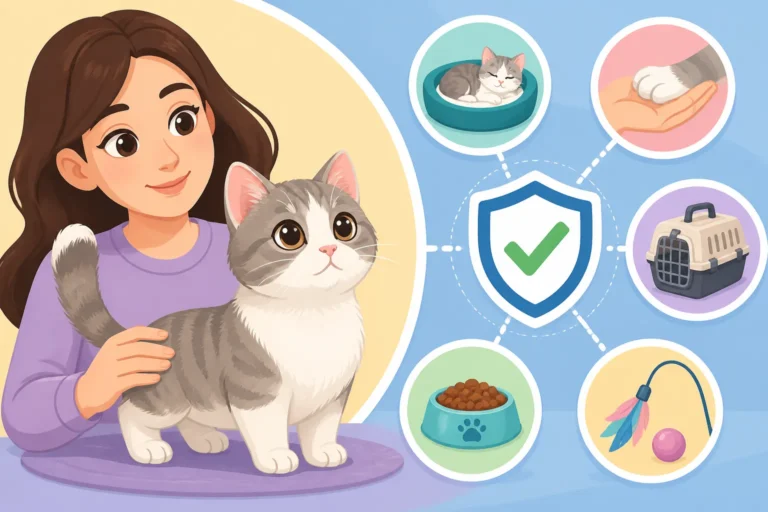
Reputable Munchkin breeders must show TICA registration, health screening records, and pedigree documents for their kittens.
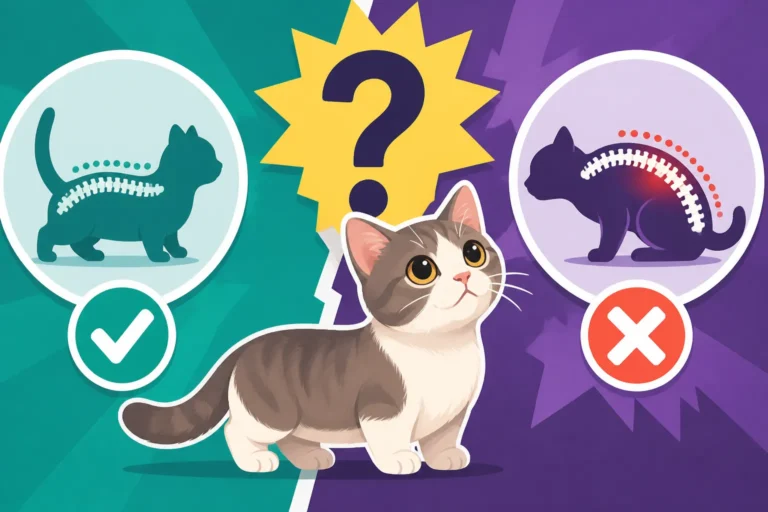
Munchkin cat spinal problems and health data remain disputed because genetic pseudoachondroplasia causes short legs and altered weight distribution.
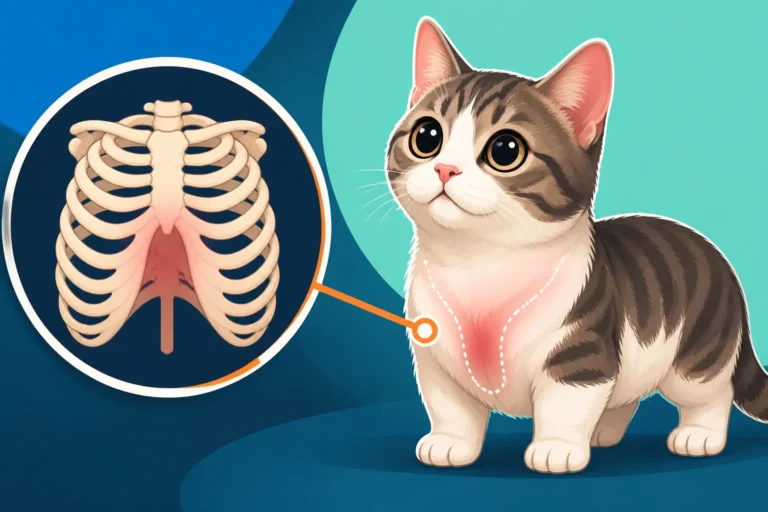
Pectus excavatum in Munchkin cats is a congenital chest deformity causing an inward depression that may compress vital organs.
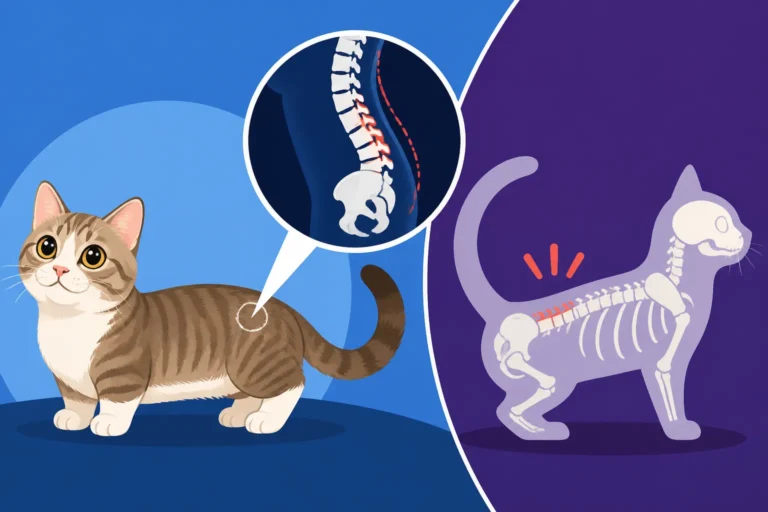
Lordosis is an excessive inward spinal curvature affecting Munchkin cats, causing organ compression and requiring veterinary physical exams and X-rays.
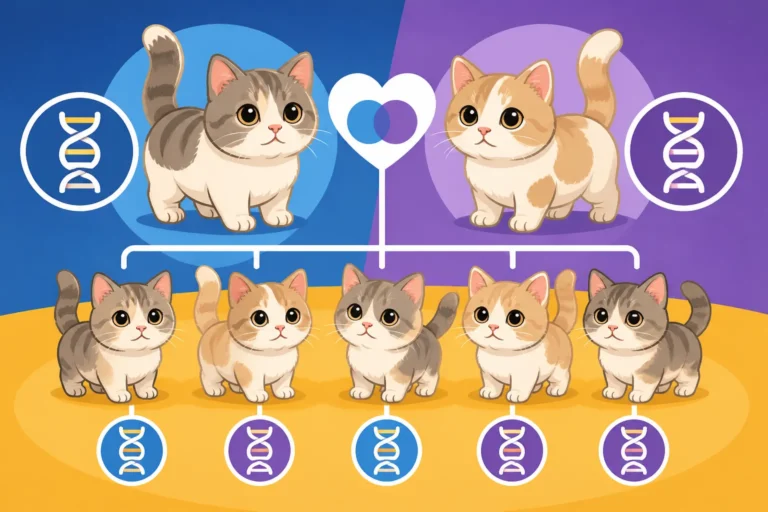
Munchkin cat genetics explain why every litter requires a carrier cross because two copies of the dwarfism gene are lethal.
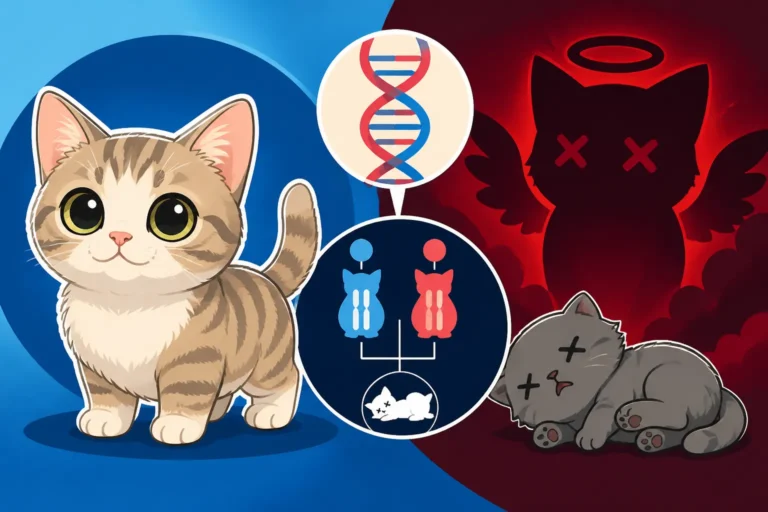
Munchkin cat dwarfism is a dominant genetic mutation causing shortened long bones, which is lethal when inherited in two copies.
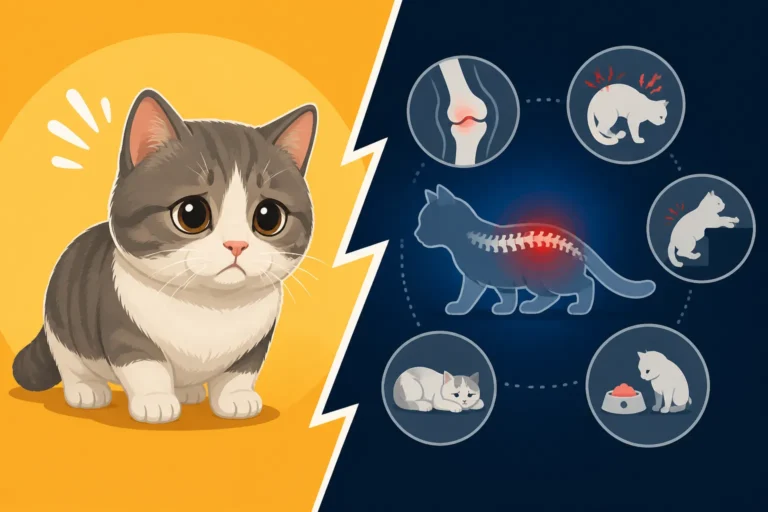
Munchkin cat short legs cause abnormal spine and joint stress, significantly increasing risks for lordosis and early onset arthritis.