Whether a Munchkin Gets Hip Dysplasia
Feline hip dysplasia and Munchkin joint health explained through genetics, physical signs, vet examination, and X-ray diagnosis methods.
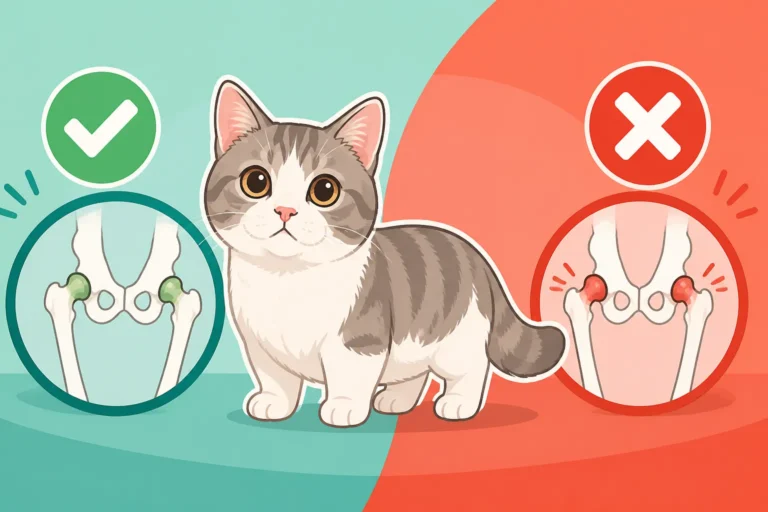
Feline hip dysplasia and Munchkin joint health explained through genetics, physical signs, vet examination, and X-ray diagnosis methods.
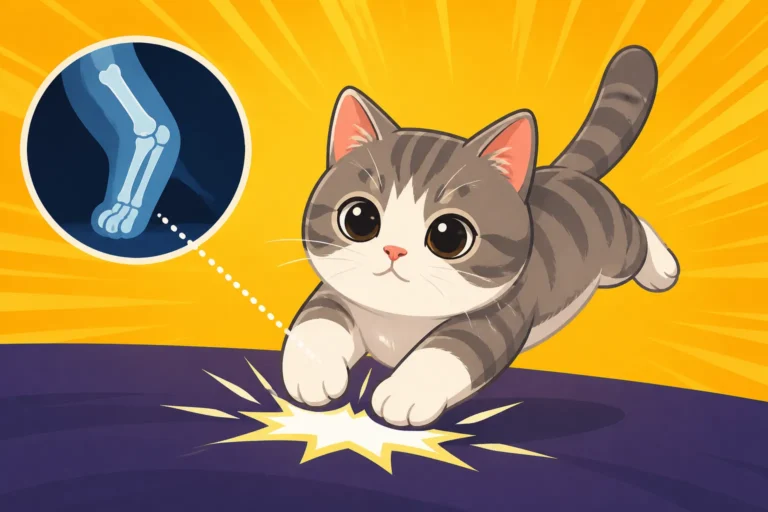
Munchkin cat joint health and pseudoachondroplasia explain why short legs force their elbows to absorb heavy landing impacts.
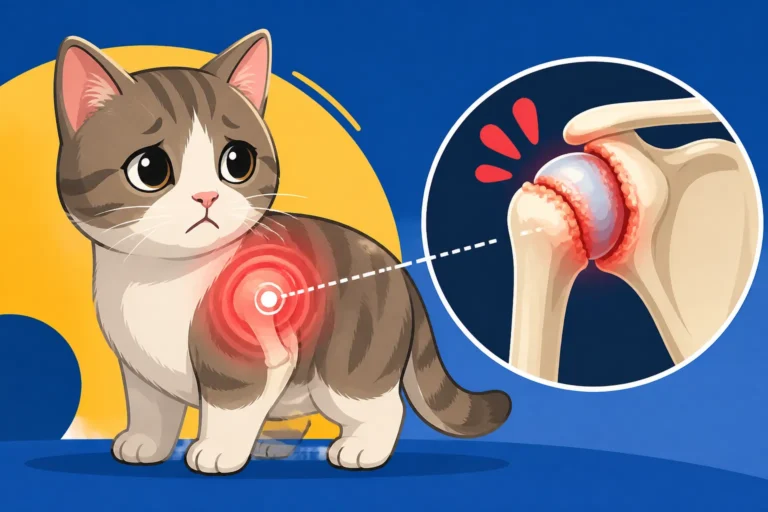
Osteoarthritis signs in Munchkin cat shoulders help owners recognize subtle mobility changes and early cartilage wear and discomfort.
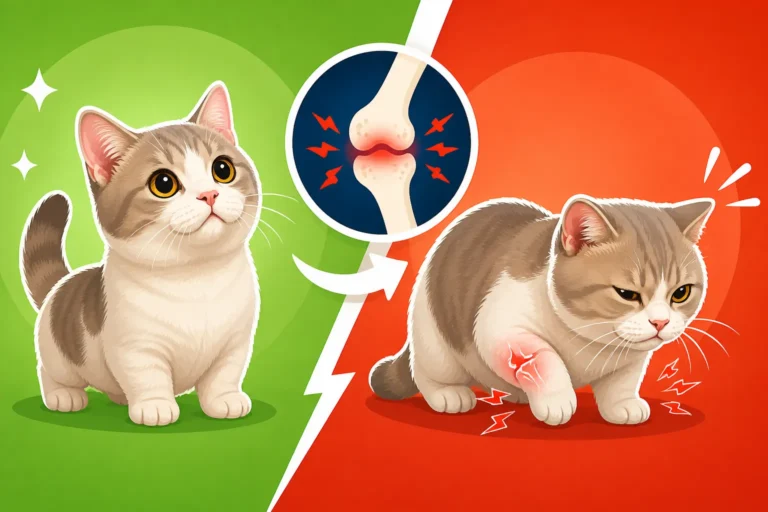
Munchkin cat short legs and genetic mutation effects on shoulder joints, weight distribution, and early osteoarthritis risk.
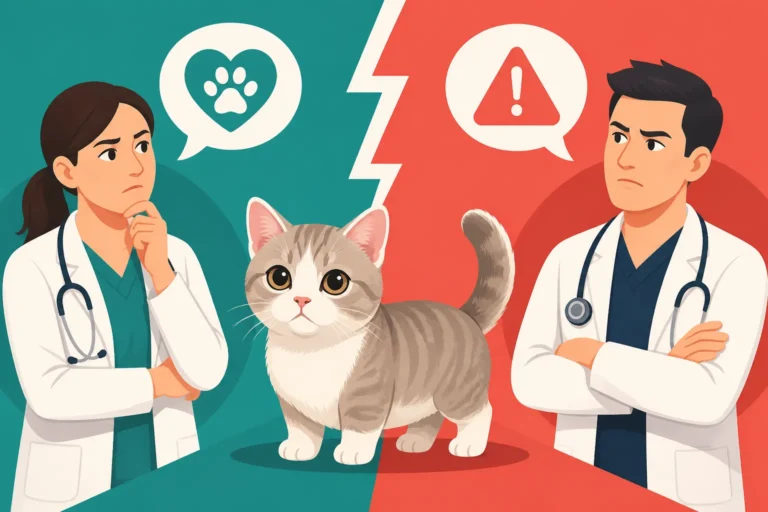
Munchkin cat health controversies explain why veterinarians disagree about genetic mutations, short legs, and breeding ethics.

Published Munchkin health data reveals how autosomal dominant genetics and mandatory outcrossing practices impact the well-being of short-legged cats.
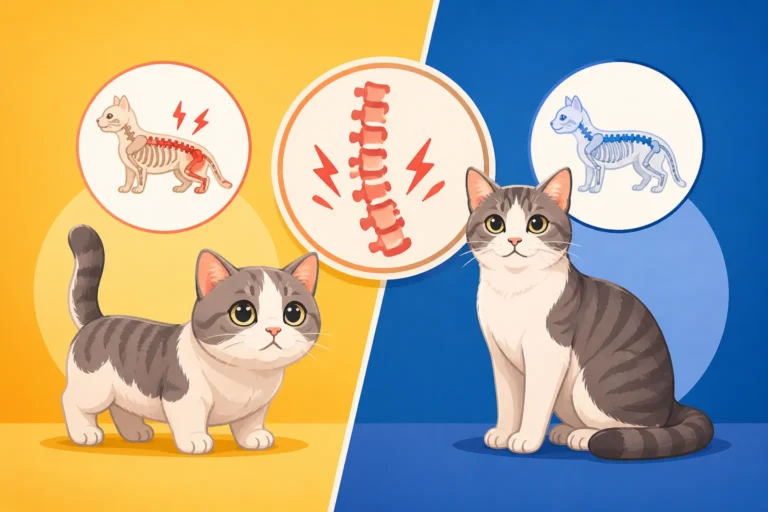
Munchkin cat spinal problems, achondroplasia genetics, and whether short legs cause higher rates of spine issues than in other cats.
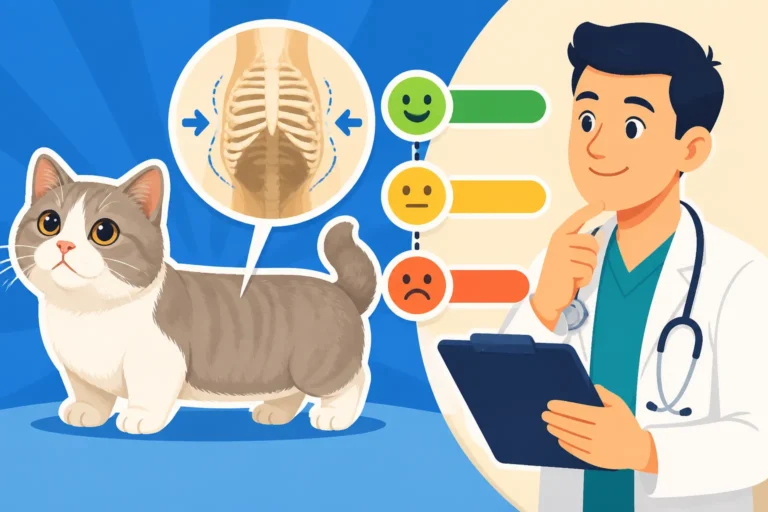
Veterinarian grading methods for pectus excavatum explain how veterinarians assess sunken chest severity in Munchkin cats.
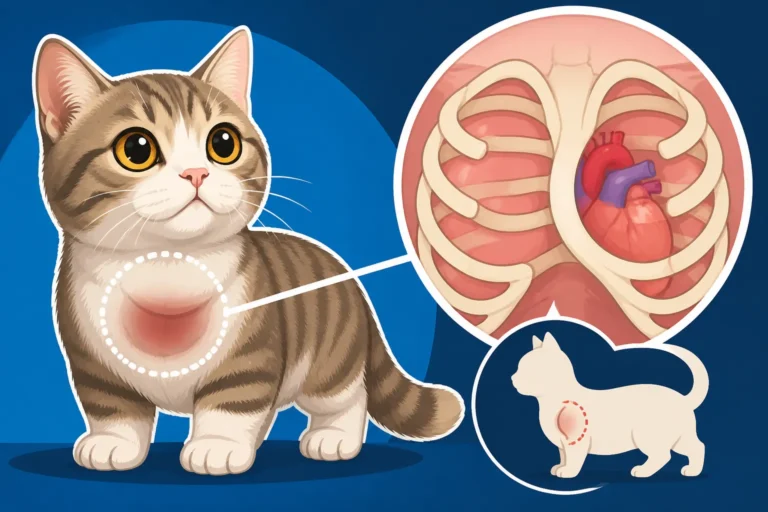
Pectus excavatum is a congenital sternum and rib cage deformity that creates an inward concave chest depression impacting the heart and lungs.
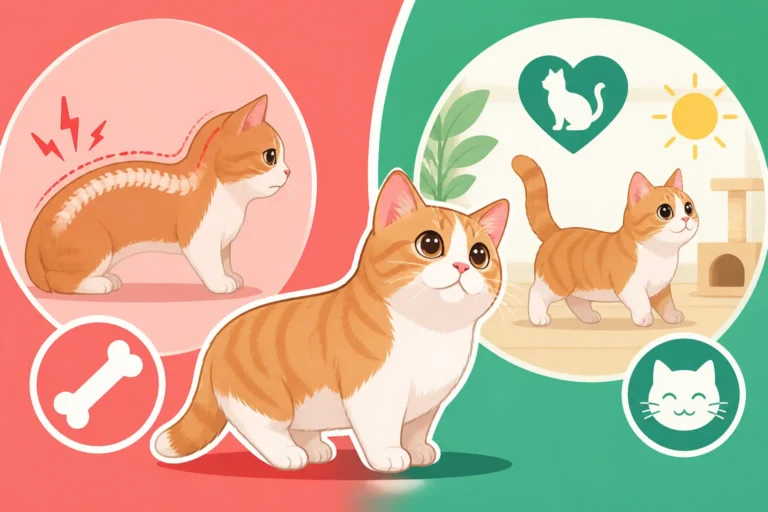
Munchkin cat lordosis causes an abnormal inward spine curvature, but proper health management helps affected cats thrive normally.