Which Blood Values Matter Most in a Munchkin
Routine blood panels for Munchkin cats measure red blood cells, white blood cells, platelets, and organ health.
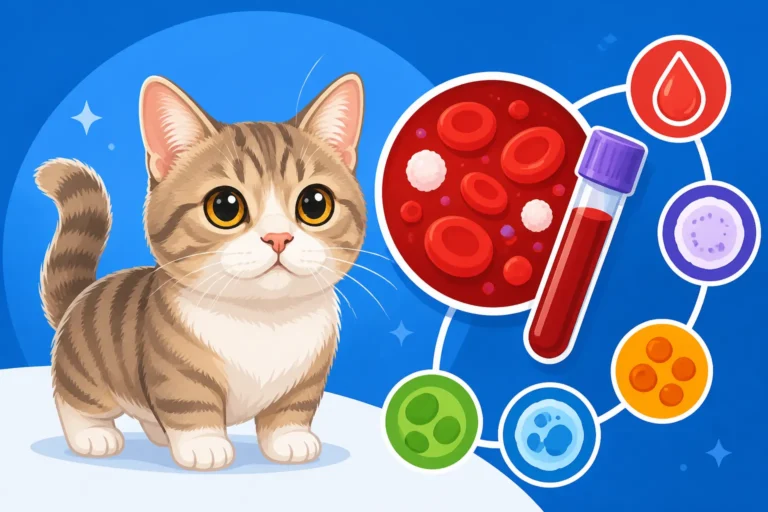
Routine blood panels for Munchkin cats measure red blood cells, white blood cells, platelets, and organ health.
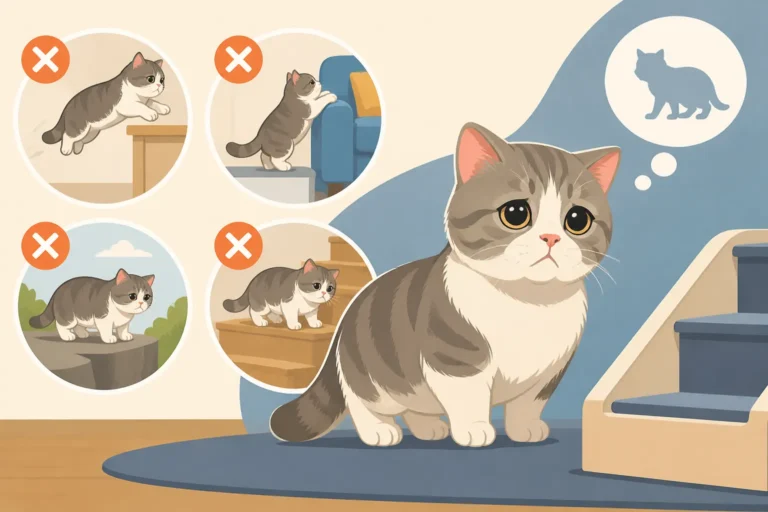
Older Munchkin cats face physical limitations like declining mobility, joint discomfort, and trouble jumping onto furniture.
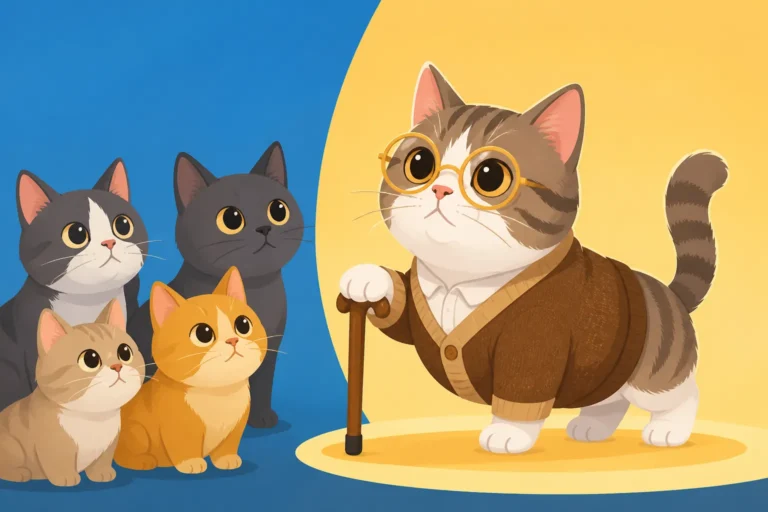
Munchkin cat senior age markers, lifespan data, and 7 to 8 year joint health signs explain aging stages for short legged pets.
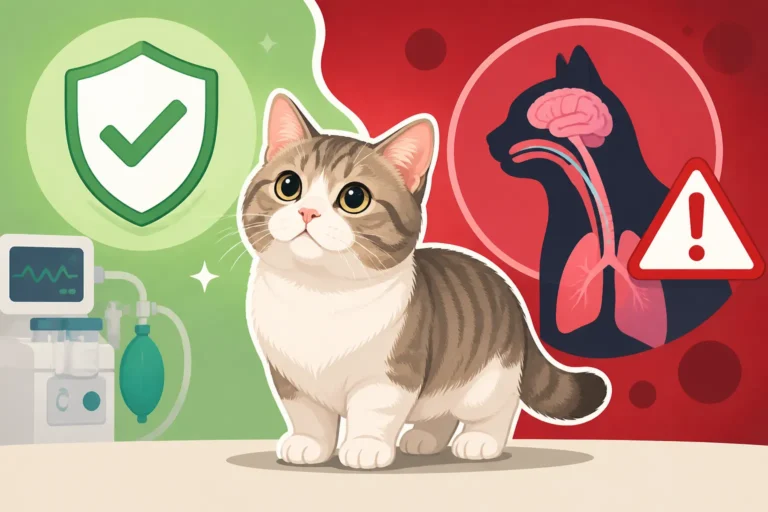
Munchkin cat anesthesia risks, physical characteristics, and safe veterinary procedures for short-legged felines during operations.
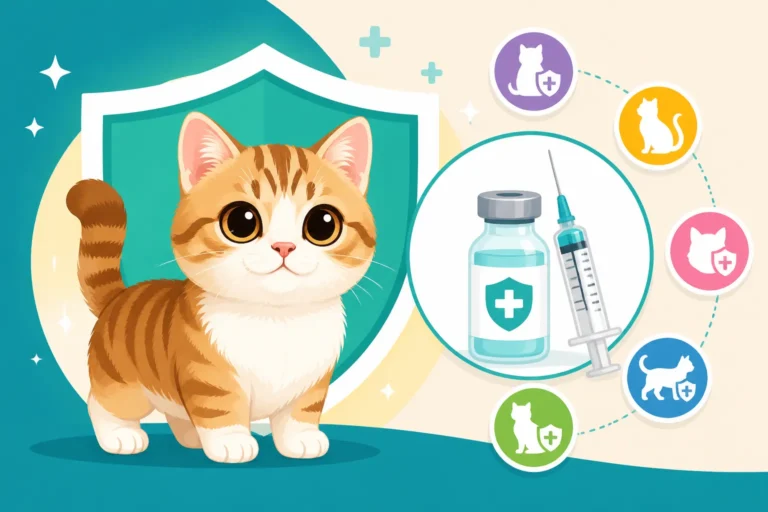
Indoor Munchkin cat vaccines explained, including core shots like FVRCP and rabies plus non-core options for indoor pets.
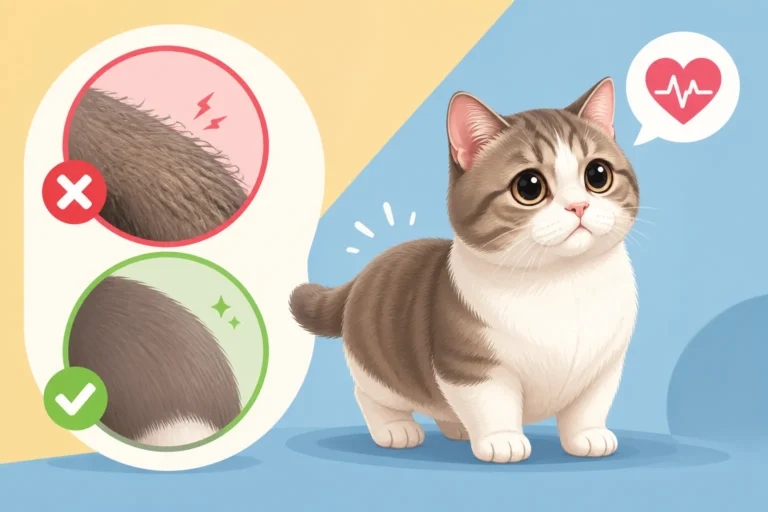
Munchkin cat matting risks and grooming challenges explained, detailing how short legs prevent proper cleaning of the hindquarters.
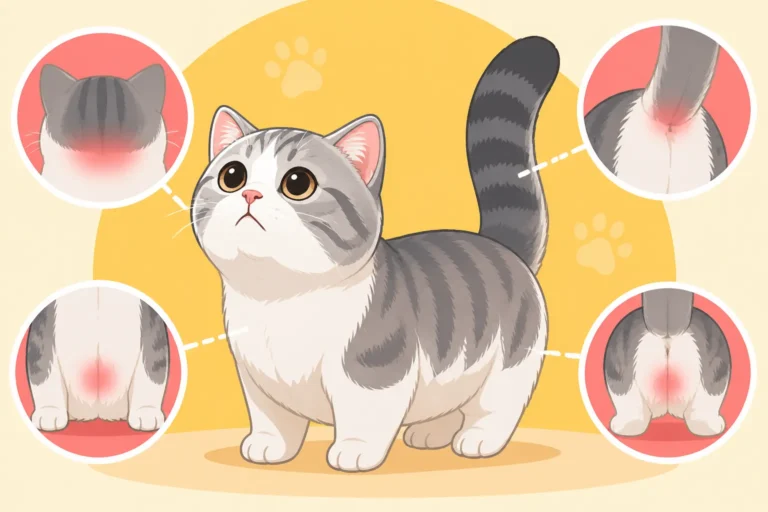
Munchkin cat anatomy prevents self-grooming on the hindquarters, tail base, and lower back, causing mats and skin irritation.
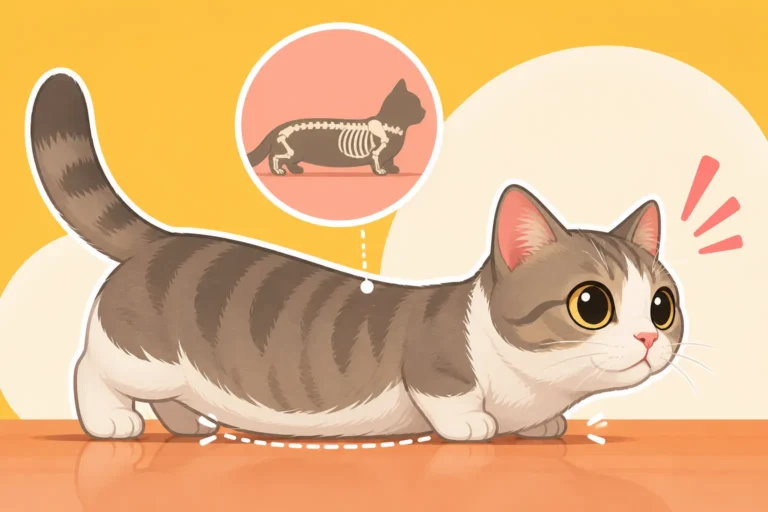
Munchkin cats feature short legs and normal torsos due to pseudoachondroplasia, explaining their very low ground clearance.
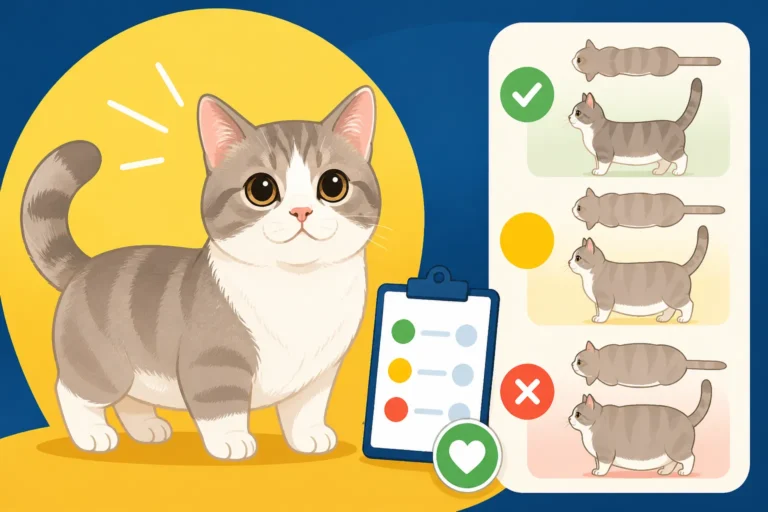
Munchkin cat body condition scoring methods explain how to assess weight and protect short-legged cats from joint strain.
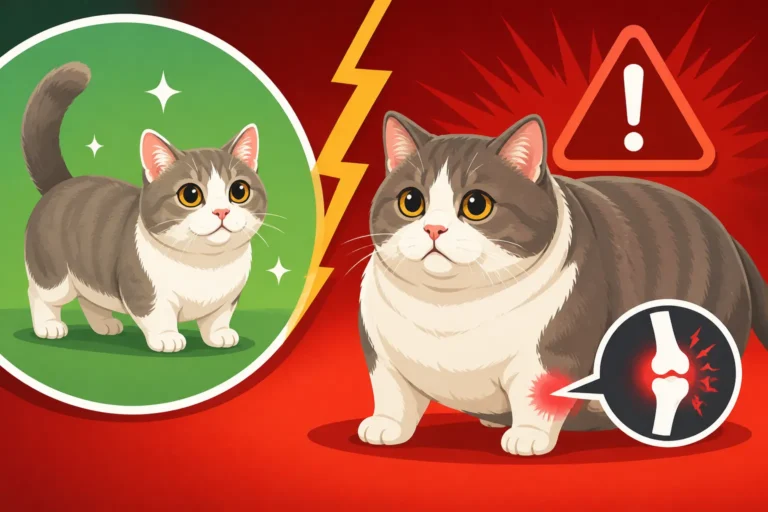
Munchkin cat anatomy creates unique spinal and joint strain, making excess weight far more dangerous than for regular cats.