What an Old Munchkin Stops Being Able to Do
As our beloved Munchkin cats journey through life, reaching those senior years is a bittersweet milestone. While their playful spirit often remains, their physical capabilities inevitably change, and it can be heartbreaking to watch them struggle with activities they once took for granted. This comprehensive guide will walk you through the common age-related limitations an old Munchkin might face, offering insights and practical advice to help you provide the best possible care for your cherished companion.
Navigating the World with Diminished Mobility
One of the most noticeable changes in an aging Munchkin is a decline in its mobility. Their famously short legs, which once allowed for quick scampers and unique "prairie dog" sits, become more challenging to maneuver as joints stiffen and energy wanes. Understanding these changes is crucial for adapting their environment and ensuring their comfort.
Struggling with Jumps and Climbs
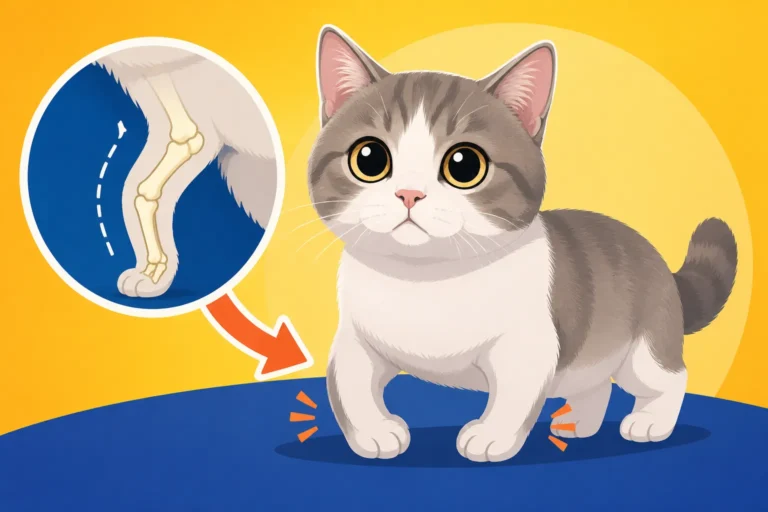
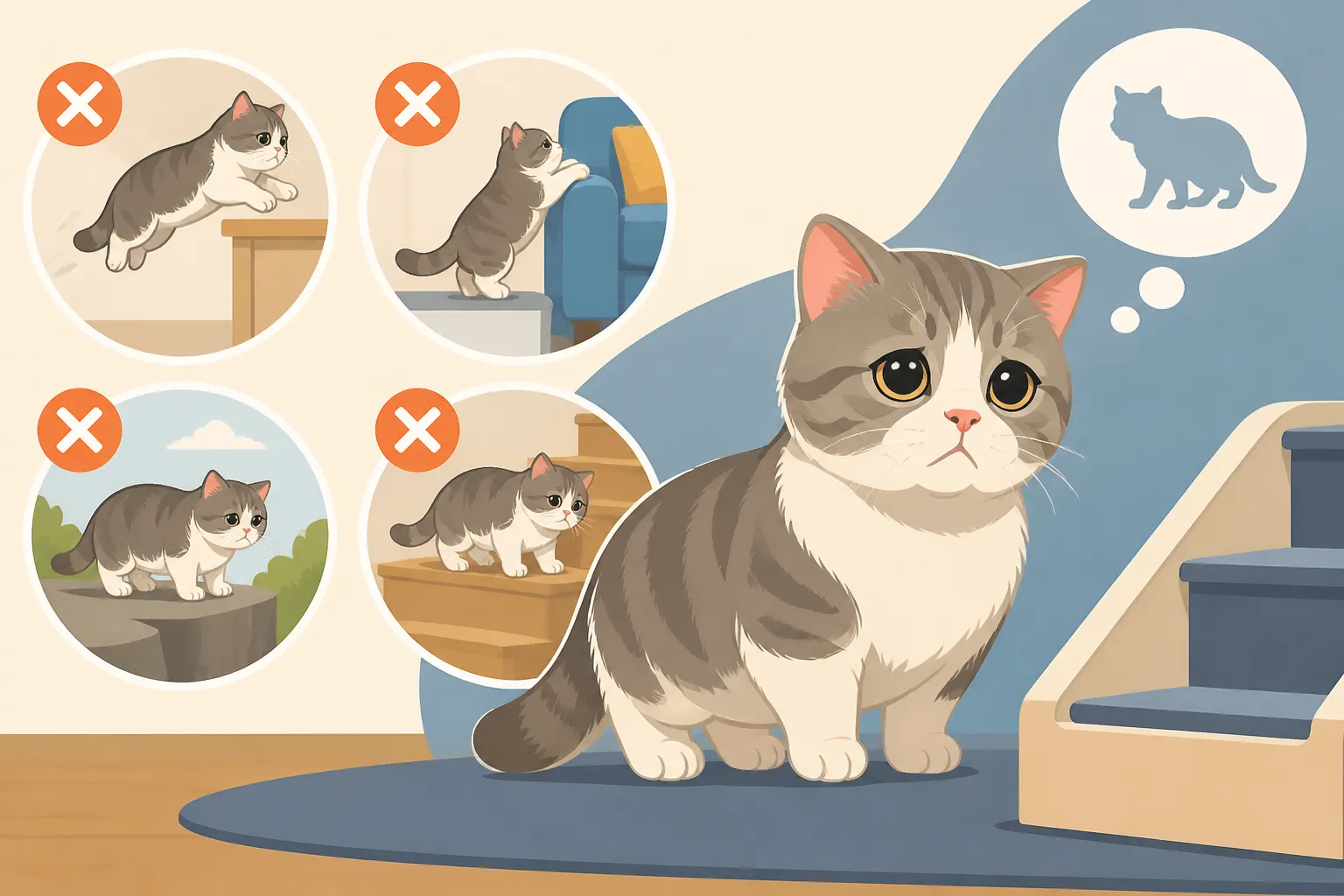
For years, your Munchkin might have surprised you with their ingenuity, finding creative ways to scale furniture or reach higher spots, even with their compact stature. They might have used two jumps where a long-legged cat used one, or meticulously planned routes using steps and chairs. However, as they age, these once-manageable feats become increasingly difficult, and often impossible. The spring in their step fades, muscles weaken, and the impact of landing takes a greater toll on their joints. You might notice them hesitating before a jump they previously made with ease, or attempting it only to fall short. This isn't laziness; it's often a sign of discomfort or a real physical limitation. Their shoulders, in particular, bear a significant load, and these are often among the first joints to show signs of wear and tear, making upward propulsion painful. Suddenly, that favorite sunny spot on the windowsill, or their cozy bed atop a cat tree, becomes an inaccessible dream.
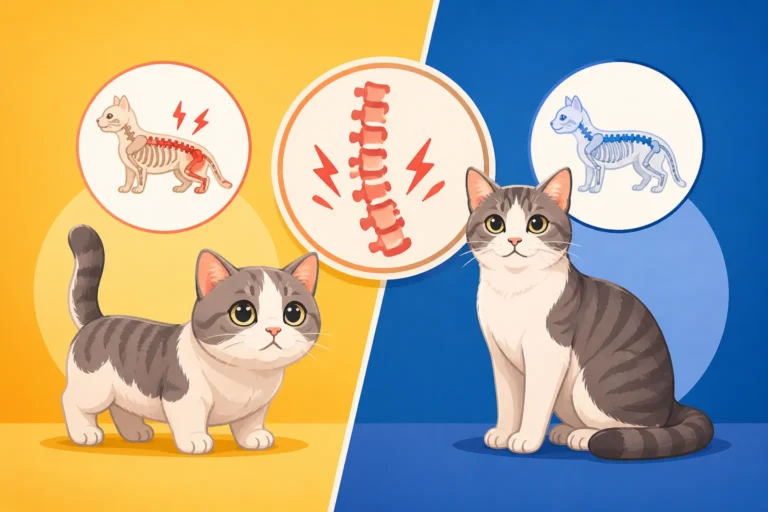
It's not just about the pain; it's also about the risk. A misjudged jump can lead to falls, which can result in serious injuries for an older cat, especially one with a spine that already carries a unique load. We really need to consider if we should be discouraging certain jumps in our aging Munchkins. This is where you might start seeing them express frustration, perhaps vocalizing more often at the base of a sofa, or giving up on reaching a desired spot entirely. Their natural curiosity might still drive them, but their body just can't keep up. For a cat whose entire life has been about finding a way to get where they want to be, this can be incredibly frustrating for them, and it’s up to us to anticipate these changes and provide safer alternatives.
Difficulty with Ramps and Steps
While ramps and steps are invaluable tools for a Munchkin throughout its life, especially for navigating furniture and beds, even these aids can become challenging as they age. What was once a gentle incline or an easy series of steps can feel like a mountain pass to an older, stiffer cat. You might observe your senior Munchkin struggling to maintain traction on ramps, especially if the surface is too smooth or steep. Their shorter legs mean they rely heavily on their grip and leg strength to ascend and descend, and when this diminishes, even a well-placed ramp can become a barrier. Their coordination might also decline, making the precise foot placement required for steps more difficult. This is a common reason why an old Munchkin stops using its ramp.
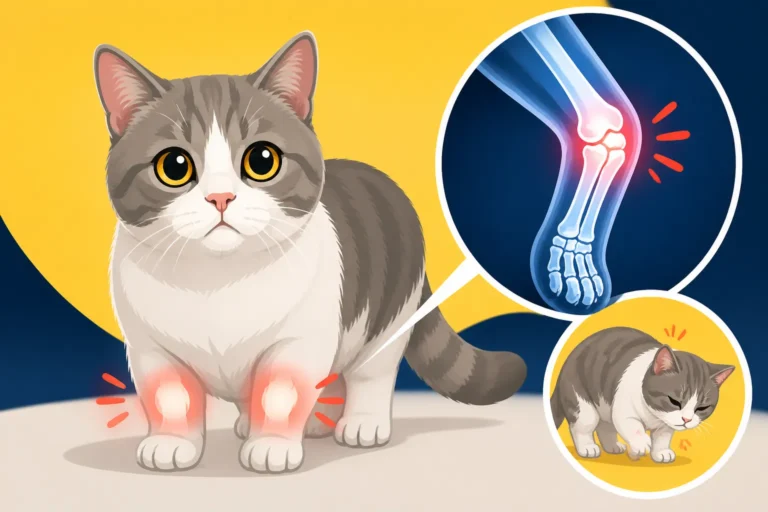
Imagine trying to walk up a slight incline if your knees ached with every step – that's often what it feels like for them. Their gait might become more deliberate, slower, and less fluid, making them less confident on any uneven or angled surface. It’s not uncommon for an aging Munchkin to develop arthritis, especially in their shoulders and elbows, which are constantly working harder to compensate for their leg length. This joint discomfort can make any incline or step a painful experience, leading them to avoid these aids altogether. Owners might need to reassess the angle and surface of existing ramps, perhaps adding non-slip mats or opting for shallower slopes and wider steps to make access easier. Providing alternatives like low-lying pet beds directly on the floor becomes even more important during this stage of their life.
Changes in Gait and Balance
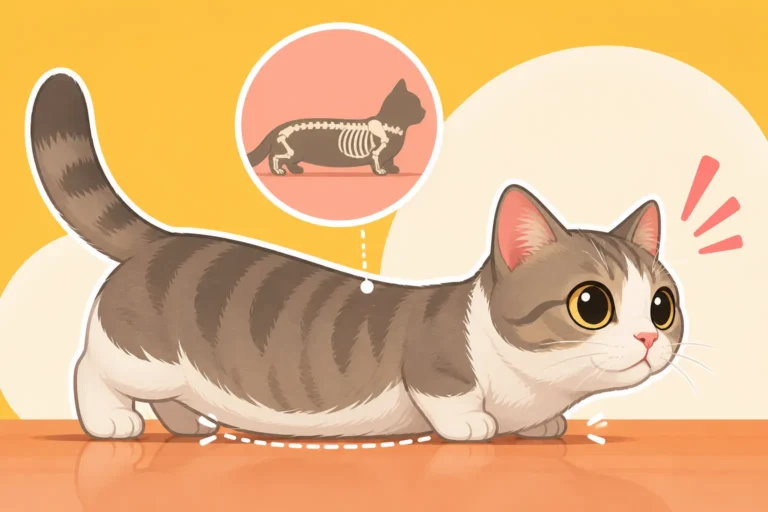
The distinctive ferret-like gait of a Munchkin, characterized by their quick, low-to-the-ground movements, can change significantly as they enter their golden years. You might notice a subtle shift at first, perhaps a slight stiffness when they first get up, which then progresses to a more noticeable wobble or hesitancy. Their once nimble stride might become uneven, and they may seem less stable, particularly on slippery surfaces like hardwood or tile. This loss of balance can be alarming to witness, and it’s often a clear indicator of underlying musculoskeletal issues, such as osteoarthritis, nerve degeneration, or even early signs of cognitive decline.
These changes are often linked to muscle atrophy, particularly in their hindquarters, and degenerative joint disease. Their proprioception – the body's sense of its position in space – can diminish, making them less aware of where their paws are landing. This can lead to stumbling, dragging their feet, or even falling. You might observe them walking with their head lower, focusing intensely on their foot placement, or trying to use walls and furniture to brace themselves as they move. It’s important to monitor these changes closely, and a veterinary check-up is always warranted to rule out treatable conditions. Early detection and management, potentially with anti-inflammatory medications or joint supplements, can significantly improve their comfort and quality of life. Regular observations of how a vet watches a Munchkin walk can give you a better understanding of what to look for at home.
The Decline of Independent Grooming and Self-Care
Munchkin cats, like all felines, are fastidiously clean creatures. They take immense pride in their appearance, spending a significant portion of their day grooming themselves. However, their unique physical structure already presents some grooming challenges, and these are greatly exacerbated as they age, leading to a decline in their ability to maintain their own hygiene.
Challenges with Reaching and Flexibility
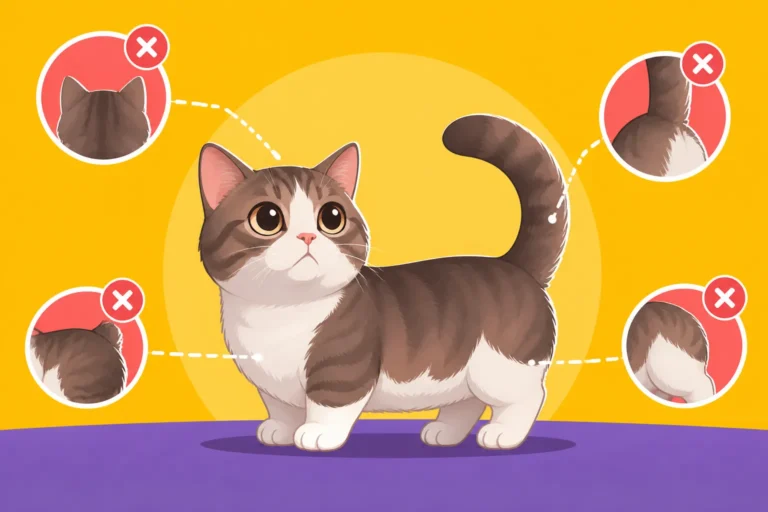
Even in their prime, the Munchkin's short legs and normal-length body mean there are certain parts of themselves they cannot reach effectively for grooming. The middle of their back, their hindquarters, and under their belly are common blind spots. As they age, the flexibility required for contorting into grooming positions decreases dramatically. Arthritis in their spine, hips, and shoulders makes twisting and stretching painful, if not impossible. Imagine trying to scratch an itch on your back when your arms just won't bend that way anymore; that's the daily reality for an old Munchkin.
This reduction in flexibility means they struggle even more with areas they could previously manage with effort. Their facial grooming might also suffer if neck or jaw pain becomes an issue, leading to food residue around their mouth or watery eyes going unwiped. You might notice their fur becoming duller, or specific areas appearing matted or dirty. They might try to groom, but quickly give up, letting out a soft sigh of frustration. This isn't a sign of neglect on their part, but rather a physical limitation that requires our intervention to keep them comfortable and healthy. Knowing which parts of itself a Munchkin cannot reach is key to stepping in effectively.
Increased Matting and Hygiene Issues
The inability to groom effectively directly leads to an increase in matting, particularly in the areas they can't reach: their hindquarters, armpits, and under their belly. Long-haired Munchkins are especially prone to this, but even short-haired varieties can develop troublesome mats. These aren't just cosmetic issues; mats can pull on the skin, causing pain and irritation. They can also trap moisture and debris, leading to skin infections, hot spots, and parasitic infestations. It's truly miserable for a cat to have tight, painful mats constantly tugging at their skin. Furthermore, their low-slung belly and close proximity to the ground mean they can track litter or other debris more easily, leading to the question of whether a Munchkin can clean itself after the litter box.
The hindquarters are particularly vulnerable. As their mobility declines, they may not position themselves as carefully in the litter box, or they might struggle to clean themselves thoroughly after toileting. This can result in fecal matter sticking to their fur, which quickly leads to irritation, skin infections, and severe matting. For a pet parent, it means stepping up daily grooming routines, which might include gentle brushing, wiping their rear, and even considering a sanitary clip to maintain hygiene. It’s a part of caring for an old Munchkin that requires consistent, gentle attention to prevent painful and unhealthy conditions. If you notice mats forming, don't try to pull them out yourself – it can be incredibly painful. A professional groomer or vet can often remove them safely.
Dental and Oral Health Problems
Dental disease is a pervasive issue in cats, and aging Munchkins are no exception; in fact, their unique facial structure sometimes contributes to misaligned teeth, making them more prone to plaque and tartar buildup from a younger age. As they get older, the cumulative effect of years of plaque accumulation often leads to periodontal disease, which includes gingivitis (inflammation of the gums) and periodontitis (infection of the bone and ligaments supporting the teeth). This can cause chronic pain, making eating difficult, and can even lead to more serious systemic health issues as bacteria from the mouth enter the bloodstream.
You might notice signs like bad breath (halitosis), drooling, pawing at their mouth, reluctance to eat dry food, or even facial swelling. They might show a preference for softer foods or eat only on one side of their mouth. Brushing a Munchkin's teeth can be challenging, even for a young, cooperative cat, but it becomes even harder when they're older and potentially experiencing discomfort or have less patience for handling. Regular professional dental cleanings under anesthesia become increasingly important, but the risks of anesthesia also increase with age, making proactive care throughout their life crucial. Discussing dental care with your vet is vital as your Munchkin enters their senior years, ensuring their comfort and overall health are prioritized.
Shifts in Play, Socialization, and Exploration
The boundless energy and curious nature of a young Munchkin are delightful. They're often described as playful, even mischievous, cats who love to chase toys and investigate every nook and cranny. However, as they age, these behaviors naturally evolve, leading to noticeable shifts in their engagement with their environment and companions.
Less Enthusiasm for Playtime
While many senior cats retain a spark for play, an old Munchkin will typically show a significant reduction in their enthusiasm and stamina for active games. The vigorous chasing, pouncing, and batting at toys that once filled their days will become less frequent, shorter in duration, and much gentler. This isn't necessarily a sign of depression, but rather a natural consequence of aging bodies. Joint pain, muscle weakness, and decreased energy levels make high-impact play uncomfortable or simply too tiring. They might still enjoy a slow-moving wand toy, or a gentle nudge of a ball, but the frenetic energy of their youth will be gone.
They might still follow you into a room, but instead of demanding play, they might simply curl up nearby for a nap. Their interest in chasing a laser pointer might wane, or they might watch a toy with their eyes but make no attempt to bat at it. It's vital not to interpret this as disinterest in you or their surroundings. Their minds might still be sharp and curious, but their physical limitations dictate how they can express that curiosity. It’s crucial to adapt playtime to their new capabilities, offering gentle stimulation that doesn't put stress on their aging bodies. What an old Munchkin stops being able to do in terms of physical play needs to be replaced with more sedentary, comforting interactions.
Changes in Social Dynamics with Other Pets
If your Munchkin lives in a multi-pet household, their aging can significantly alter the social dynamics. A younger, more robust Munchkin might have held their own, perhaps even initiating play or gently asserting dominance. However, as they become frailer, less mobile, and potentially more irritable due to chronic pain, their role within the group can shift. They might become less tolerant of playful nudges from younger cats or dogs, as they can't easily escape or defend themselves. They might start avoiding communal spaces if they feel vulnerable, or seek out quiet, secluded spots where they won't be disturbed. This can be especially true if they are housed with energetic, long-legged cats who may unintentionally bully a Munchkin who cannot escape a confrontation.
Conversely, a previously submissive Munchkin might become more withdrawn or even occasionally lash out if they feel cornered or threatened. The risk of a large dog being a risk to a Munchkin increases significantly if the Munchkin cannot quickly get away. It's essential for pet parents to observe these interactions closely and intervene if necessary. Creating safe, accessible spaces where the senior Munchkin can retreat without fear of being jumped on or disturbed is paramount. This might involve placing their food, water, and litter box in a quiet, separate area, or providing elevated beds that only they can access with the help of a ramp, giving them a sense of security and control.
Reduced Desire for Exploration
The world through a Munchkin's eyes is already a unique adventure, exploring every nook and cranny at ground level. As they age, however, their natural instinct for exploration often diminishes. The drive to investigate new sounds, smells, and hidden corners of the house can be replaced by a preference for familiar, comfortable, and easily accessible spaces. This reduction in exploratory behavior is multi-faceted. Physically, moving around is harder, painful, or tiring, making long investigative journeys less appealing. Sensory decline, such as diminished vision or hearing, can also make new environments more intimidating and disorienting.
They might spend more time in one or two favorite spots, perhaps a soft bed on the floor or a low-lying perch they can still reach without effort. The curiosity that once led them to peek into every open cupboard or under every piece of furniture will likely be replaced by a calmer, more settled demeanor. This doesn't mean they're unhappy, but rather that their world has comfortably shrunk to what feels safe and manageable. Owners should ensure that their immediate environment provides enough mental stimulation through safe, floor-level toys, gentle interaction, and accessible window views, but without forcing them into physically demanding exploration.
How Age Affects Eating, Drinking, and Elimination
Maintaining proper nutrition, hydration, and regular elimination is fundamental to a cat's health at any age, but it becomes even more critical for senior Munchkins. Their unique physical structure can already present some challenges in these areas, and these are amplified as they gracefully age.
Difficulties with Food and Water Access
A young Munchkin might stretch and bend with ease to reach their food and water bowls, but an older one will likely find this increasingly uncomfortable. The need for raised food bowls for a Munchkin becomes more pronounced as they age. Bending their neck and spine downwards to eat or drink from floor-level bowls can put undue strain on arthritic joints in their neck and shoulders. Imagine the discomfort of bending over repeatedly when your back aches – that's what we need to prevent for them. This discomfort can lead to decreased appetite or reduced water intake, both of which can have serious health consequences for a senior cat.
You might notice them approaching their bowls hesitantly, eating less at one sitting, or taking longer to finish their meals. They might also appear hunched or stiff while eating. Ensuring that their food and water are presented in easily accessible, elevated bowls can make a world of difference. There are many commercially available raised bowls, or you can simply place their existing bowls on a sturdy, non-slip platform that brings them to a comfortable height without requiring a significant stretch or bend. Even the angle of their whiskers rubbing against the bowl can sometimes be an issue for older cats, so wider, shallower bowls might be preferred.
Changes in Appetite and Weight Management
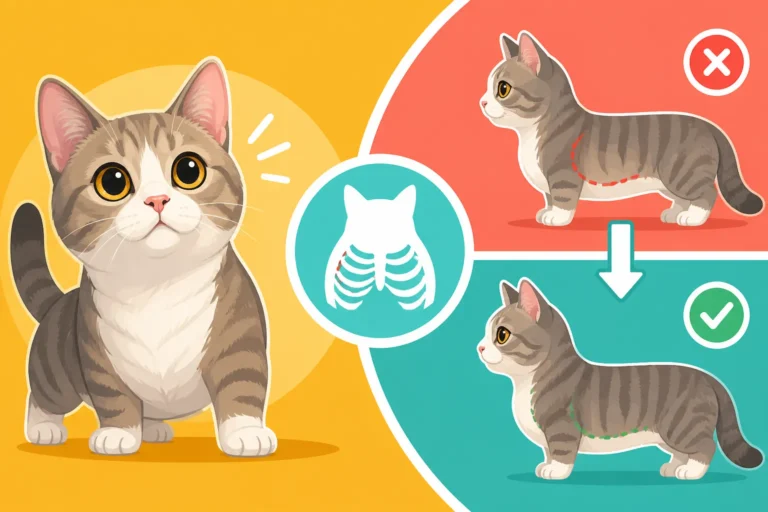
As Munchkins age, changes in appetite and metabolism are common. Some senior cats develop a finicky appetite, becoming pickier about their food, possibly due to a decreased sense of smell or taste, or underlying dental pain. Others might experience a decrease in appetite simply because their energy needs are lower, or they are experiencing nausea due to other age-related conditions like kidney disease. It's also important to remember that every extra pound matters more on a Munchkin due to the increased stress on their unique skeletal structure. Overweight senior Munchkins are in real trouble as this extra weight exasperates joint pain and mobility issues significantly.
Conversely, some older cats, particularly those with conditions like hyperthyroidism, might have an increased appetite but still lose weight. Monitoring your Munchkin's weight diligently is key. Weekly weighing can help you catch subtle changes early. Their dietary needs might shift, requiring food formulated for senior cats that is highly palatable, easy to digest, and potentially higher in certain nutrients like omega-3 fatty acids for joint health. It's crucial to consult with your veterinarian about any significant changes in appetite or weight. They can help you rule out medical conditions and recommend appropriate dietary adjustments or supplements. For a Munchkin, how much weight it can safely carry is a critical discussion point with your vet.
Litter Box Accessibility Challenges
Litter box issues are a common frustration for owners of aging cats, and for senior Munchkins, their physical limitations can make accessing and using a standard litter box a real ordeal. The high sides of traditional litter boxes, which are no problem for long-legged cats, become insurmountable barriers for a Munchkin whose joints ache. Stepping over a high lip can cause significant pain, discomfort, or even fear, leading them to avoid the box altogether and eliminate elsewhere. This is a primary reason why a Munchkin will go outside a box it cannot enter.
To combat this, you'll need to invest in or create low-entry litter boxes. Senior cat litter boxes are often a perfect fit, featuring one side that is significantly lower, allowing your Munchkin to simply walk into it without having to lift their legs high. You might even need to cut down a regular plastic storage bin to create a custom low-entry solution. The type of litter also matters; a softer, finer litter might be more comfortable for their sensitive paws, and avoid clumping litters that can stick to their low-slung belly fur. Providing multiple low-entry boxes in easily accessible, quiet locations around the house is also vital. A stressed or uncomfortable senior Munchkin needs easy and immediate access to appropriate elimination areas to prevent accidents and maintain their dignity.
Recognizing Cognitive and Sensory Changes
Just like humans, cats can experience a decline in their cognitive function and sensory capabilities as they age. For Munchkins, these changes can further compound the challenges presented by their unique physical structure, making their world feel even more confusing or isolating.
Vision and Hearing Impairments
A decline in vision and hearing is a natural part of the aging process for many cats, and Munchkins are no exception. You might notice your senior Munchkin becoming less responsive to their name, or not reacting to sounds they once would have, indicating hearing loss. Visually, they might start bumping into furniture, especially in dimly lit rooms or when the furniture has been rearranged. Their pupils might appear more dilated, or their eyes might have a cloudy appearance, which could indicate conditions like cataracts or glaucoma. These sensory impairments can make an old Munchkin more prone to falls or feeling disoriented, particularly if they are already struggling with mobility.
A cat with compromised vision might rely more on their whiskers and sense of smell to navigate. They might become more hesitant to move around unfamiliar spaces. Hearing loss can make them startle more easily, as they don't hear you approaching. It's important to keep their environment consistent, avoiding frequent rearrangement of furniture, and providing clear, well-lit pathways. When approaching a cat with hearing loss, make sure to do so gently and visibly, perhaps by stomping your foot lightly to create vibrations they can feel, rather than startling them by appearing out of nowhere. Regular veterinary check-ups are essential to monitor these changes and manage any treatable underlying conditions.
Cognitive Dysfunction Syndrome
Cognitive Dysfunction Syndrome (CDS), often compared to Alzheimer's in humans, is a neurodegenerative disorder that affects some senior cats. While it's not universally present in all aging felines, when it does occur, it can be particularly disorienting for a Munchkin who already navigates the world differently. Signs of CDS can vary but often include changes in interaction (less affectionate or more irritable), altered sleep-wake cycles (meowing at night, sleeping more during the day), disorientation (getting lost in familiar rooms, staring blankly at walls), decreased activity, and house-soiling outside the litter box. A withdrawn Munchkin should see a vet, as this can be a sign of many issues, including CDS.
These behavioral changes can be incredibly frustrating for pet parents, but it's crucial to remember that they are not intentional. They are symptoms of a neurological condition. For a Munchkin, who might already struggle with mobility, getting lost in a room or becoming disoriented can lead to increased anxiety and distress. Maintaining a predictable routine, providing easy access to all essential resources (food, water, litter boxes), and offering gentle, consistent reassurance can help. Your veterinarian can diagnose CDS and may suggest dietary supplements, medications, or environmental enrichment strategies to help manage the symptoms and improve your Munchkin's quality of life.
Increased Vocalization or Disorientation
Many senior Munchkins develop increased vocalization, especially at night, which can be a distressing symptom for both the cat and the owner. This might be linked to hearing loss, where they can't hear their own meows and therefore vocalize louder, or it could be a sign of pain, anxiety, or disorientation from CDS. A cat waking up disoriented in the middle of the night might cry out for reassurance or simply because they're confused about their surroundings. This is particularly poignant for a Munchkin, who might already feel vulnerable due to their physical limitations.
You might notice them pacing aimlessly, staring at walls, or appearing agitated without any obvious cause. These behaviors are often exacerbated in the evening or night-time hours. It's heartbreaking to see your once-confident companion so confused. Creating a calm, consistent environment, ensuring all their needs are easily met, and providing a comforting presence can help. If increased vocalization or disorientation becomes a persistent issue, a trip to the vet is essential. They can help rule out underlying medical conditions like hyperthyroidism or hypertension, which can also cause such symptoms, and offer strategies or medications to alleviate their distress and improve their comfort.
Caring for a Senior Munchkin: Adapting and Supporting Them
Caring for an aging Munchkin means being proactive and adaptive. Their needs change, and it’s our responsibility to ensure their comfort and quality of life remain high as they enter their golden years. This often means making changes to their environment and daily routine.
Environmental Modifications for Enhanced Accessibility
As your Munchkin ages, the home environment needs to evolve to meet their changing physical capabilities. This isn't just about comfort; it's about safety and maintaining their independence for as long as possible. The goal is to eliminate barriers and create a seamless, accessible world for them at their height. This means strategically placing ramps and steps not just to the sofa and bed, but also to favorite window perches, cat trees, or even to lower levels of multi-tiered furniture. We really need to ensure that their route to everything should be mapped out, making sure there are no unnecessary jumps or stretches.
Consider the flooring; slippery surfaces like tiles or hardwood can be treacherous for an older Munchkin with diminished balance. Laying down non-slip rugs or runners in high-traffic areas can provide much-needed traction. Their beds should be easily accessible, ideally on the floor, or with a very low entry point. Ensure their food, water, and litter boxes are always within easy reach, perhaps even providing multiple stations if your home is large or has different levels. Think about how to keep an old Munchkin moving safely, and design their space accordingly. Every thoughtful modification helps them navigate their world with dignity and reduce the risk of injury.
Tailoring Nutrition and Hydration
A senior Munchkin's nutritional needs are distinct from those of a younger cat. Their metabolism slows down, they burn fewer calories, and they may have specific dietary requirements to support aging joints, kidneys, or other organ systems. It’s crucial to adjust their diet to prevent weight gain, as why an old Munchkin needs its weight watched hardest cannot be overstated. Excess weight puts immense strain on their already compromised joints and spine. High-quality senior cat foods, often lower in calories but still packed with essential nutrients, are a good starting point. Many also contain joint-supporting ingredients like glucosamine and chondroitin.
Hydration is equally vital, especially as older cats are more prone to kidney issues. Encourage water intake by offering multiple water bowls in various locations, perhaps trying a pet fountain if they enjoy moving water. Raised water bowls can also make drinking more comfortable, just like with food bowls. If they're struggling with appetite, consult your vet about palatable prescription diets or appetite stimulants. Regular weigh-ins at home are essential to track their progress and allow for prompt dietary adjustments. Remember that maintaining an ideal body condition score is one of the most impactful ways to support your senior Munchkin's health and longevity.
Enhanced Grooming and Hygiene Support
Because an old Munchkin stops being able to do much of their own grooming, you’ll need to step up and take over their hygiene routine. This isn't just about aesthetics; it's about preventing painful mats, skin infections, and maintaining their overall comfort. Daily, gentle brushing is highly recommended, especially for long-haired Munchkins, focusing on those hard-to-reach areas like the hindquarters, belly, and armpits. This can also be a wonderful bonding time. If mats develop, do not try to cut them out yourself with scissors, as it’s incredibly easy to cut their delicate skin. Instead, seek help from a professional groomer or veterinarian.
For hygiene, especially around their rear, daily checks are crucial. If they struggle to clean themselves after using the litter box, gentle wiping with pet-safe, unscented wipes can prevent irritation and infection. Sometimes, a professional sanitary clip (trimming the fur around their rear) is the kindest option for a long-haired Munchkin. Regularly check their nails, as older cats may not wear them down as efficiently, leading to overgrowth that can be painful or cause difficulty walking. Remember, this isn’t a chore, but an act of love to help your senior Munchkin feel clean, comfortable, and cherished.
| Common Age-Related Changes in Munchkins | Signs to Look For | Owner Intervention/Adaptation |
|---|---|---|
| Mobility Decline | Hesitation before jumping, stiffness, slower gait, falls | Ramps & steps, non-slip rugs, low beds, vet check for pain |
| Grooming Issues | Mats, dull fur, litter clinging to fur, bad breath | Daily brushing, sanitary clips, vet dental care, raised food bowls |
| Appetite & Weight Shifts | Eating less/more, weight loss/gain, pickiness | Weighed meals, senior formula food, raised bowls, vet consultation |
| Litter Box Challenges | Accidents outside box, struggling to enter/exit | Low-entry litter boxes, multiple boxes, appropriate litter type |
| Sensory Impairments | Bumping into things, less responsive to sounds, staring | Consistent environment, gentle approaches, vet check |
| Cognitive Changes | Disorientation, increased vocalization, altered sleep | Consistent routine, calm environment, vet consultation & medication |
Regular Veterinary Care and Monitoring
The importance of regular veterinary check-ups intensifies as your Munchkin enters their senior years. While annual visits are standard for younger cats, senior Munchkins often benefit from bi-annual check-ups. These visits allow your veterinarian to monitor for age-related conditions, detect issues early, and manage chronic diseases effectively. A comprehensive senior exam will typically include a thorough physical assessment, blood work to check organ function (especially kidneys and thyroid), and urine analysis. Your vet will pay close attention to their weight, muscle mass, joint mobility, and oral health.
Be prepared to discuss any changes you've observed in your Munchkin's behavior, appetite, mobility, or litter box habits. Providing videos of their gait or struggles at home can be incredibly helpful for your vet. Early detection of conditions like arthritis, kidney disease, hyperthyroidism, or even early signs of cognitive decline can significantly improve their prognosis and quality of life. Your vet can recommend pain management strategies, joint supplements, or specific dietary changes. Investing in pet insurance like Healthy Paws when your Munchkin is younger can also help cover the costs of these more frequent vet visits and potential treatments as they age, providing peace of mind during a time when medical needs often increase. It's about maintaining open communication with your veterinary team and being an active advocate for your aging companion's health.
Disclaimer
This article is intended for informational purposes only and is not a substitute for professional veterinary advice. Always consult with a qualified veterinarian for any health concerns or before making any decisions about your pet's medical care or diet.