Whether a Munchkin Is in Pain From Its Legs
It's a common worry, isn't it? When you look at a Munchkin cat with those adorable short legs, a tiny voice in the back of your mind can’t help but wonder if they're in pain or if their unique conformation causes them discomfort. This is a completely valid concern that many potential and current Munchkin owners grapple with, and it's essential to address it head-on. This guide will delve deep into the realities of the Munchkin's physiology, explore common health myths, and provide you with actionable insights to understand and ensure your short-legged companion lives a happy, pain-free life.
Understanding the Munchkin's Unique Anatomy
The most distinctive feature of the Munchkin cat is, without a doubt, its short legs. This isn't just a cosmetic trait; it's the result of a specific genetic mutation that affects the development of their long bones. But what does this really mean for their comfort and overall well-being? Let's unpack it.
The Genetic Basis of Short Legs
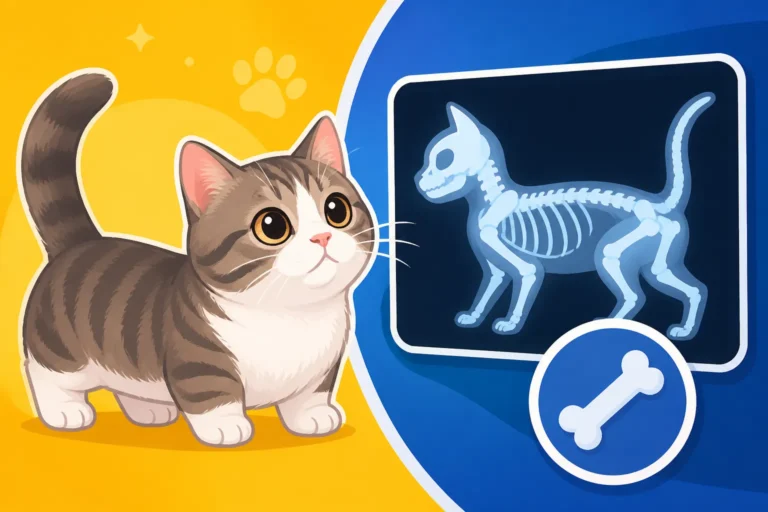
The short legs of a Munchkin cat are due to a naturally occurring genetic mutation known as pseudoachondroplasia. This isn't the same as achondroplasia, which is a different form of dwarfism sometimes seen in other species that can come with a host of health complications. In pseudoachondroplasia, the long bones in their legs—specifically the humerus, radius, ulna in the front, and femur, tibia, fibula in the back—grow shorter than those of an average cat.
However, and this is a crucial distinction, the bone density and strength of these shorter bones are typically normal. It's not a case of weakened or brittle bones, but rather a difference in growth plate development, leading to truncated limbs. The key here is that the mutation primarily affects the length of the long bones, not their intrinsic health or ability to bear weight under normal circumstances. This is why a Munchkin can often run and play with surprising speed and agility on flat surfaces, despite their low stature.
Spine and Body Conformation
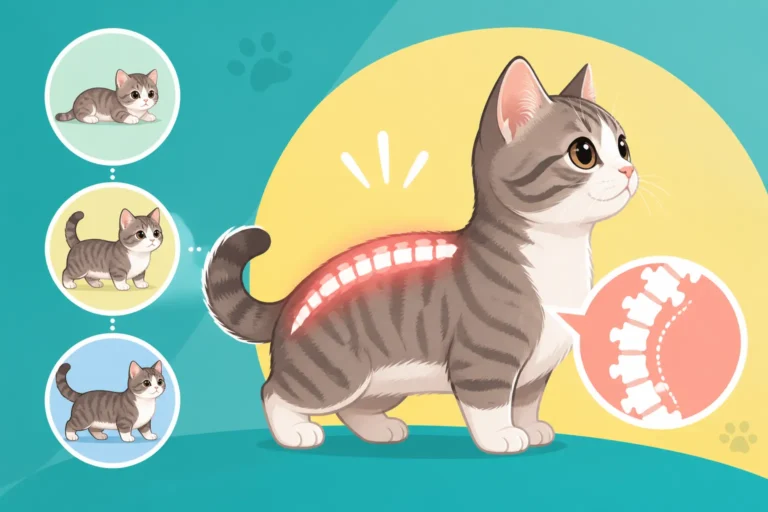
One of the biggest misconceptions about Munchkin cats is that their short legs somehow mean they have a compressed or unusually long spine, leading to back problems. This is largely untrue. Unlike some other dwarf breeds or conditions, the Munchkin's spine is typically the same length as that of a regular domestic cat. The mutation responsible for their short legs primarily impacts the appendicular skeleton (limbs) and usually does not affect the axial skeleton (spine).
Because their spine is a normal length, it means their body itself is not disproportionately long or compromised. However, because the legs are short, their body sits much closer to the ground, which can give the illusion of an elongated torso. This normal spinal length is a significant factor in why many Munchkin cats don't experience the severe spinal issues (like disc disease) often seen in some dog breeds with similar short-legged traits, such as Dachshunds. Still, it's worth understanding "Why a Munchkin's Spine Carries a Load a Normal Cat's Does Not" because their overall biomechanics are altered.
The 'Normal Cat' Paradox
At their core, Munchkin cats are just like any other domestic cat when it comes to their personality, intelligence, and general feline needs. They love to play, hunt, nap in sunbeams, and demand attention. The 'paradox' lies in the fact that while their behavior is that of a normal cat, their physical capabilities are different. They have the instinct to jump, climb, and explore, but their short legs impose physical limitations.
A Munchkin is a normal cat that cannot reach. This distinction is vital for owners, as it means their environment and care need to be adapted to their physical reality, not their internal perception of themselves. They don't feel different in their minds; they just experience a world that's often out of their physical reach. For instance, they might still attempt to leap onto a tall counter, not because they are unaware of their short legs, but because their cat instincts drive them, and they might misjudge their capabilities, leading to potentially awkward landings. Understanding this helps us empathize with their need for a modified environment.
Assessing for Discomfort and Pain Signals
Cats are notoriously good at hiding pain. It's an evolutionary survival mechanism, as showing weakness in the wild would make them vulnerable. This means that as a Munchkin owner, you need to be extra vigilant and learn to recognize subtle signs that your beloved pet might be experiencing discomfort or pain.
Subtle Behavioral Changes
One of the earliest and most common indicators of pain in a cat, including a Munchkin, is a change in behavior. This isn't always a dramatic limping or crying out; it can be much more nuanced. Has your usually playful Munchkin become withdrawn? Are they hiding more often, or reluctant to engage in games they once loved? Perhaps they're spending more time sleeping or seem less interested in interacting with you or other pets.
You might also notice changes in their grooming habits. A cat in pain might over-groom a specific area, or conversely, neglect grooming altogether, leading to a dull coat or matting, particularly in areas they can't easily reach like their hindquarters. Consider "What a Munchkin Cannot Reach to Groom" as a natural predisposition to needing assistance, but a sudden cessation of all grooming can signal pain. Changes in appetite or litter box habits—such as straining, going outside the box, or frequent small urinations—can also be indicators. Even a slight alteration in their typical "Munchkin run" or how they perform their characteristic "prairie dog sit" could be a sign.
Physical Indicators of Discomfort
Beyond behavioral shifts, there are physical signs you can look for. When you gently pet your Munchkin, do they flinch, hiss, or pull away from touch in certain areas? Pay close attention to their joints – shoulders, elbows, hips, and knees. Swelling, warmth, or tenderness around these areas could indicate inflammation or arthritis. You might also observe a change in their posture. A hunched back, a stiff gait, or a reluctance to stretch can all point to discomfort.
Observe how they move. Are they avoiding jumps they used to make? Do they seem to struggle to climb onto lower furniture, or do they descend with more hesitation? If you notice them favoring a leg, shifting their weight, or showing any kind of lameness, even intermittent, it's a clear sign something is amiss. A Munchkin's unique short-legged gait is part of their charm, but "How a Vet Assesses a Munchkin's Leg Conformation" involves careful observation of their movement to spot any anomalies. Regular gentle palpation (feeling) of their limbs and spine by you can help you become familiar with what's normal for your individual cat.
The Role of Veterinary Examination
Given a cat's ability to mask pain, regular veterinary check-ups are absolutely paramount for Munchkins. Your vet can perform a thorough physical examination, assessing your cat's gait, range of motion in their joints, and palpating their spine for any signs of discomfort or abnormalities. They can identify subtle issues that you might miss, especially those related to joint health or spinal conformation.
Don't wait until your cat is clearly in distress; proactive care is always best. During these visits, your vet might recommend specific diagnostic tests, such as X-rays, if they suspect underlying skeletal or joint issues. Early detection of conditions like arthritis or lordosis means earlier intervention and management, which can significantly improve your Munchkin's quality of life and prevent pain from becoming chronic. Having pet insurance, like a policy from Healthy Paws, can certainly help cover the costs of these diagnostic procedures and ongoing treatments, giving you peace of mind.
Potential Health Concerns Related to Short Legs
While the Munchkin's short legs themselves are not inherently painful, their unique anatomy can predispose them to certain health issues or exacerbate common feline conditions. Being aware of these helps you provide targeted care.
Joint Health and Arthritis Risk
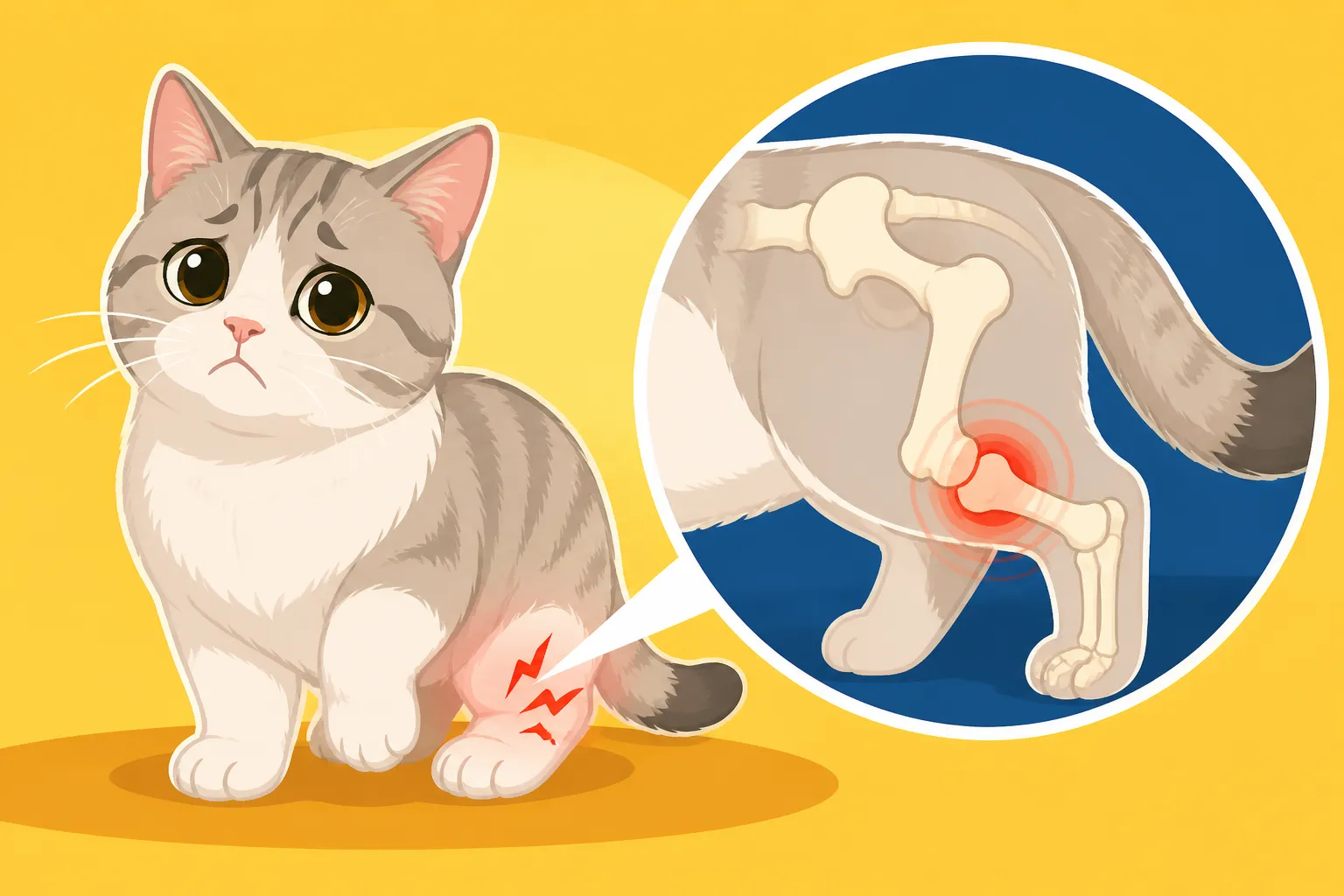
The very nature of having short legs means that the weight-bearing joints—shoulders, elbows, and hips—may experience increased strain over time. The shorter lever arm of their legs means these joints absorb more impact, particularly if the cat jumps frequently (even small jumps) or is overweight. This constant, subtle stress can lead to an earlier onset or more rapid progression of osteoarthritis.
Arthritis in cats often manifests as stiffness, reduced mobility, and reluctance to move. You might notice your Munchkin struggling to get up after a nap, hesitating before using steps, or showing less interest in play. "Whether a Munchkin Gets Arthritis Earlier" is a common question, and while data specific to Munchkins is still developing, the biomechanical forces suggest they may be at a higher risk. Monitoring for "How Osteoarthritis Shows in a Munchkin's Shoulders" and other joints is crucial. Incorporating joint supplements and maintaining a healthy weight are key preventative measures.
Spinal Issues
While the Munchkin's spine is typically a normal length, there are two primary spinal conditions that are sometimes discussed in relation to the breed: lordosis and pectus excavatum.
- Lordosis: This is a condition where the spine curves downwards, creating a swayback appearance. In severe cases, it can compress internal organs, leading to serious health problems. It's believed to be linked to the same genetic mutation that causes the short legs, though not every Munchkin develops it, and its severity can vary greatly. Lordosis can lead to pain and discomfort if severe, as it puts undue stress on the spinal column and surrounding muscles. Mild cases might not cause significant pain but still warrant monitoring. It's vital to know "What Lordosis Actually Is in a Munchkin" and how to identify it. Early detection through vet checks, especially in kittens, is important.
- Pectus Excavatum: This condition, often called "funnel chest" or "sunken chest," involves a malformation of the sternum (breastbone) and ribs, causing the chest wall to sink inwards. While not directly caused by the short leg gene, it has been observed in Munchkin cats and other breeds. If severe, it can restrict lung and heart function, leading to breathing difficulties and pain. A vet can assess the severity of "What a Sunken Chest Feels Like on a Munchkin Kitten" during their early examinations.
Both of these conditions are not universal in Munchkins but are more prevalent than in the general cat population and warrant careful screening by breeders and attentive monitoring by owners.
Weight Management as a Critical Factor
Perhaps one of the most critical aspects of preventing pain and discomfort in a Munchkin cat is rigorous weight management. Because their legs are shorter, any extra weight places a disproportionately higher load on their joints and spine. Even a couple of extra pounds on a Munchkin can be equivalent to a much heavier burden on a long-legged cat.
Obesity significantly increases the risk and severity of arthritis, exacerbates any potential spinal issues, and can lead to a host of other health problems like diabetes. "Why an Overweight Munchkin Is in Real Trouble" cannot be overstated. Maintaining a lean body condition is the single most effective way to protect their joints and spine throughout their lives. This means carefully measuring food portions, providing plenty of floor-level enrichment and play, and monitoring their weight regularly. A high-quality diet tailored to their activity level is essential, and your vet can help you determine the ideal weight for your individual Munchkin.
Creating a Pain-Free Environment for Your Munchkin
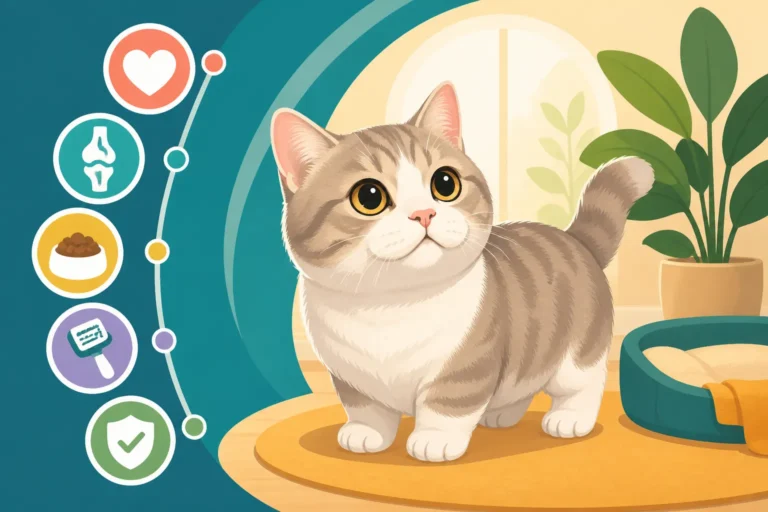
Ensuring your Munchkin lives a pain-free life isn't just about veterinary care; it's also about creating a home environment that caters to their unique physical needs. By adapting their surroundings, you empower them to move and interact without unnecessary strain or risk of injury.
Adapting the Home Environment
The most significant way to prevent strain and potential pain for your Munchkin is by making your home accessible. This means thinking about how your cat navigates their world from their lower perspective.
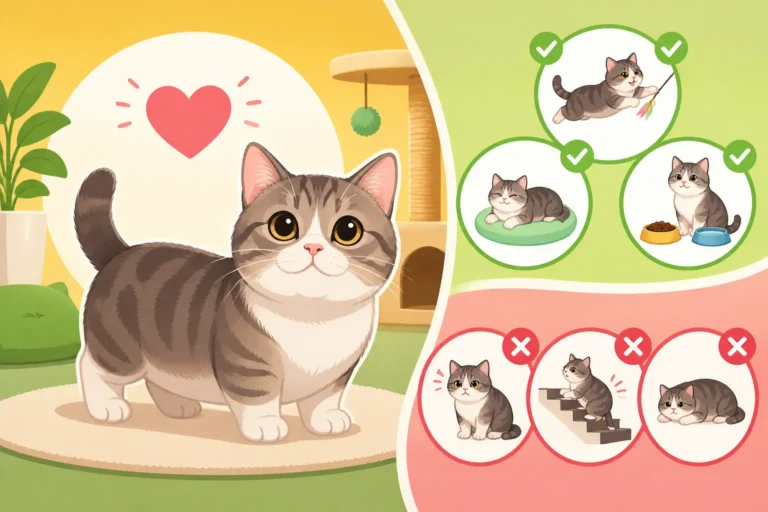
- Ramps and Steps: Furniture that a regular cat would effortlessly leap onto—like sofas, beds, and windowsills—become challenging, or even impossible, for a Munchkin. Providing ramps or sturdy pet steps allows them to access these elevated spots without the risky jumping and heavy landings that can stress their joints. Ensure these ramps and steps have non-slip surfaces and are securely placed. Remember, "Ramps and Steps Are Munchkin Equipment, Not Luxuries," they are essential for safe movement and enrichment.
- Low-Entry Litter Boxes: Reaching into a tall litter box can be a painful endeavor for a cat with short legs, especially if they have any underlying joint discomfort. Opt for low-entry litter boxes designed for senior cats or kittens, which have a much lower lip, allowing easy ingress and egress. This simple change can prevent accidents outside the box and ensure your Munchkin can comfortably relieve themselves. "Why a Munchkin Needs a Litter Box It Can Walk Into" is a common issue many owners discover early on.
- Floor-Level Enrichment: Provide scratching posts that are horizontal or short enough for them to use comfortably. Keep their favorite toys and puzzle feeders at floor level. Consider investing in cat trees with closely spaced platforms or modifying existing ones to make them more accessible. This ensures they can engage in natural feline behaviors without overstraining themselves.
Supporting Joint Health Through Diet and Supplements
Beyond environmental adaptations, nutrition plays a vital role in supporting your Munchkin's joint health and preventing pain.
- High-Quality Diet: Feed a balanced, high-quality cat food that supports a healthy weight. Look for formulas that are rich in protein to maintain muscle mass, which in turn supports joint stability. Your vet can recommend specific brands or types of food based on your cat's age, activity level, and any existing health conditions.
- Joint Supplements: Many vets recommend starting joint supplements proactively for Munchkins, even before signs of arthritis appear. Ingredients like glucosamine, chondroitin, and omega-3 fatty acids are known for their anti-inflammatory properties and their ability to support cartilage health. Brands like Dasuquin or Cosequin are popular choices. Discuss with your vet which supplements and dosages are appropriate for your individual cat. While supplements can't cure arthritis, they can significantly slow its progression and alleviate discomfort. Regular preventative care, including appropriate supplements, can also be a factor in what is covered by pet insurance providers like Healthy Paws, should joint issues arise.
- Water Access: Ensure fresh water is always available and easily accessible at floor level. Hydration is crucial for overall health, including joint lubrication. Some Munchkins may prefer a wider, shallower bowl to drink from comfortably without having to stoop excessively.
Regular Grooming and Gentle Handling
Due to their short stature and limited flexibility, Munchkins can struggle to groom certain areas, particularly their hindquarters and undersides. This can lead to matting, skin irritation, and even infections, all of which can cause pain and discomfort.
- Assisted Grooming: Regularly brush your Munchkin, especially if they have long fur. Pay close attention to their belly, armpits, and rear. For long-haired Munchkins, you might need to schedule professional sanitary clips to prevent matting around their bottom, as discussed in "Whether Matting Becomes a Health Problem in a Munchkin". This isn't just about aesthetics; it's about hygiene and comfort.
- Gentle Handling: Always lift your Munchkin carefully, supporting their chest and hindquarters. Avoid picking them up by their front legs or placing undue pressure on their spine. Teach children how to interact with the cat gently and correctly. Understand that "How to Lift a Munchkin Correctly" is important to prevent accidental strain or injury. Respect their boundaries and allow them to move at their own pace.
- Observe During Grooming: Grooming sessions are a great opportunity to check your cat for any new lumps, bumps, signs of discomfort, or unusual stiffness. If they react negatively to being touched in a particular area, it's a cue to investigate further or consult your vet.
In conclusion, while the Munchkin cat's short legs are a unique characteristic, they are not inherently a source of pain. However, their distinct conformation necessitates a thoughtful and proactive approach to their care. By understanding their anatomy, recognizing subtle signs of discomfort, addressing potential health concerns like joint issues and spinal conditions, and creating an adapted, supportive environment, you can ensure your Munchkin lives a full, comfortable, and pain-free life by your side. With attentive care and the support of your vet, like a good check-up that can be made easier with insurance from Healthy Paws, your little companion can thrive.
| Sign of Potential Discomfort | What it might look like in a Munchkin | Why it's a concern |
|---|---|---|
| Behavioral Changes | – Hiding more, less playful | Could indicate general pain, especially joint pain |
| – Reluctance to jump/climb | Direct sign of joint or spinal pain/stiffness | |
| – Changes in litter box habits | Difficulty entering/exiting box due to pain, or internal discomfort | |
| – Over-grooming specific areas | Localized pain, irritation, or anxiety | |
| – Neglecting grooming (especially rear) | Inability to reach due to pain or stiffness | |
| Physical Indicators | – Stiffness in gait, hunched posture | Suggests joint pain, muscle soreness, or spinal discomfort |
| – Swelling/warmth around joints | Inflammation, arthritis | |
| – Flinching or vocalizing when touched | Pain on palpation, often around affected joints or spine | |
| – Difficulty rising after rest | Classic sign of arthritis or joint stiffness | |
| Movement Difficulties | – Hesitation before using steps/ramps | Indicates discomfort during movement or impact |
| – Avoiding favorite high spots | Suggests pain makes jumping/climbing difficult or undesirable | |
| – Shifting weight, favoring a leg | Acute or chronic limb pain |
Disclaimer
The information provided in this article is for general educational purposes only and is not intended to be a substitute for professional veterinary advice. Always seek the advice of your veterinarian or other qualified animal health provider with any questions you may have regarding a medical condition or the health and welfare of your pet.