Why a Heavy Munchkin’s Belly Drags
It’s a sight many Munchkin cat parents dread: you watch your adorable, short-legged companion waddle across the floor, and you notice their little belly brushing or even dragging against the carpet. It’s not just a cute quirk; it’s often a clear sign that your beloved furball is carrying too much weight, and this extra bulk can lead to a whole host of discomforts and serious health issues. This guide is here to walk you through exactly why a heavy Munchkin's belly drags, what impact it has, and most importantly, how to prevent and manage this challenging situation to ensure your unique feline lives its happiest, healthiest life.
Understanding the Munchkin's Unique Physique and Why Weight Matters More
Munchkin cats are truly one-of-a-kind, beloved for their distinctively short legs that give them a low-slung appearance. This charming characteristic is due to a natural genetic mutation called pseudoachondroplasia, which affects the long bones in their limbs. Unlike some other forms of dwarfism, a Munchkin's spine and body length are typically proportionate to a regular cat; it’s primarily their leg bones that are shortened. This creates a very specific anatomical reality that dramatically changes how their body interacts with weight gain.
The Foundation: Short Legs, Normal Body
Imagine a standard house cat. Its legs provide a good amount of clearance between its torso and the ground. Now, picture that same cat with legs that are perhaps a third or even half the length. Suddenly, its body is much closer to the floor. This isn't just an aesthetic difference; it fundamentally alters the physics of how the cat carries its weight and moves. When you understand how short a Munchkin's legs actually are, you start to grasp why even a slight increase in weight can become a significant issue. Their compact stature means there's simply less room for error when it comes to maintaining a healthy body condition.
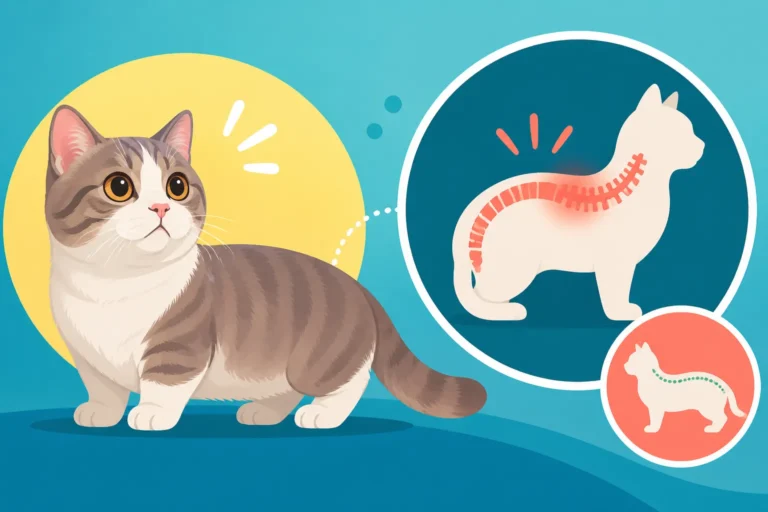
This unique skeletal structure means that a Munchkin's spine already carries a load a normal cat's does not. While their spine itself is typically of normal length and structure, the short legs mean that any downward force from excess weight is distributed over a shorter lever system, potentially increasing pressure on the spinal column and the supporting musculature. Think of it like a low-rider vehicle; it’s built closer to the ground, so any additional cargo or passengers will cause it to scrape much faster than a standard car. For our Munchkins, their natural low ride means their belly is inherently closer to the floor, making it a prime candidate for dragging if they pack on a few extra ounces.
The Impact of Conformation on Weight Distribution
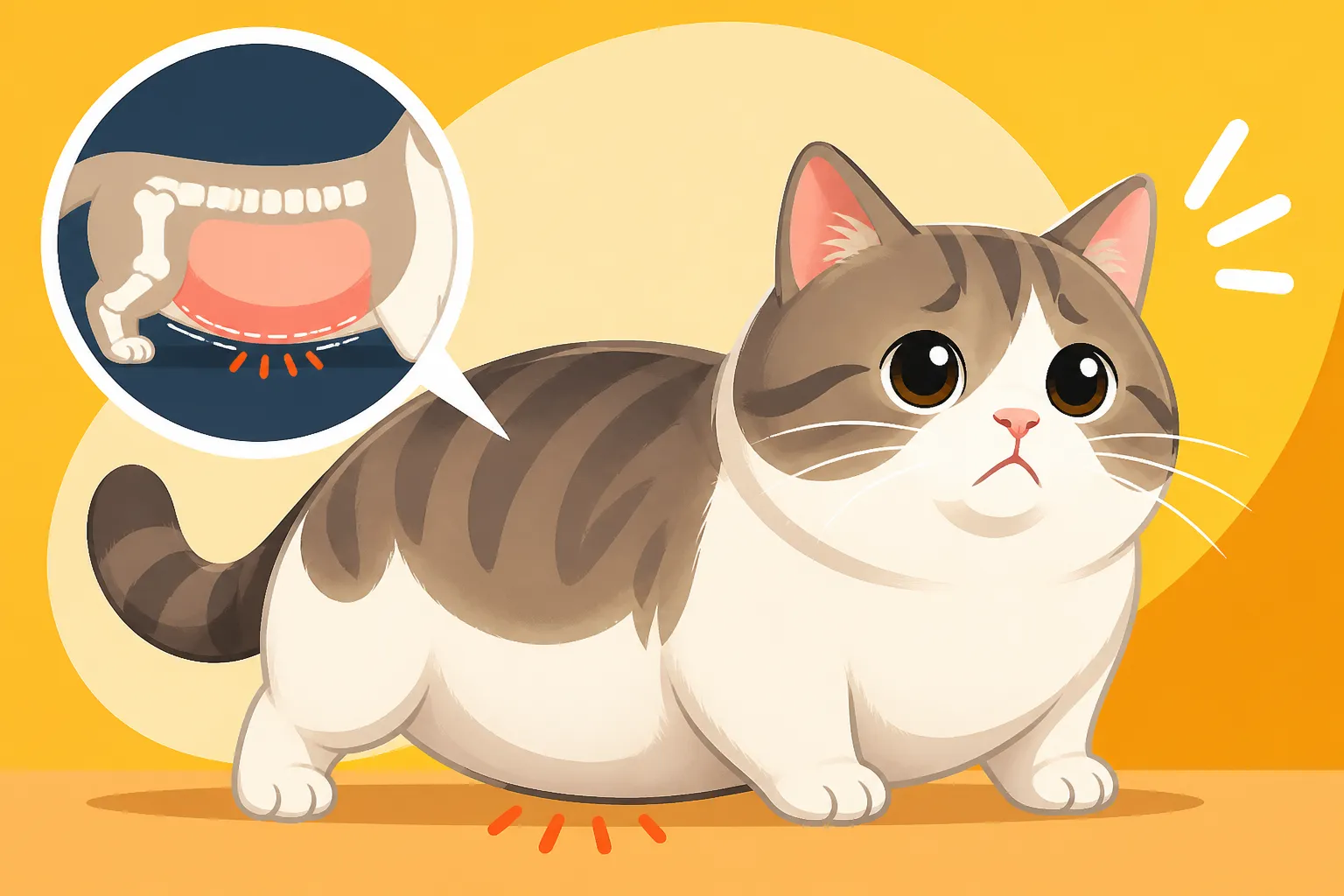
Because a Munchkin's body is of normal length but their legs are short, their center of gravity is naturally lower. While this can make them surprisingly agile on the flat, it also means that their abdominal area is positioned very close to the ground. When a Munchkin starts to gain weight, particularly around its midsection, there's very little room for that extra fat to go before it physically starts to impede movement and touch the floor. It's not like a longer-legged cat that might get a "dangling" belly; for a Munchkin, that belly is almost immediately a "dragging" belly.
This isn't just about appearance. The inherent design of the Munchkin's body means that every extra gram of weight contributes to a more pronounced dragging effect much faster than it would in a cat with standard leg length. This places a disproportionate strain on their already unique skeletal system, especially their shoulders and spine. Understanding this predisposition is the first critical step in ensuring we manage their weight proactively.
The Mechanics of a Dragging Belly: What Happens When a Munchkin Gains Weight
The moment your Munchkin’s belly starts to drag, it’s a physical manifestation of excess weight meeting their unique low-to-the-ground conformation. It’s not just an aesthetic concern; it’s a functional problem that impacts their daily life in numerous ways, from mobility to hygiene and even their comfort.
When Extra Pounds Become a Physical Obstacle
For a Munchkin, even a small amount of additional weight can significantly change their clearance from the ground. Unlike a regular-legged cat where a few extra pounds might result in a slightly rounder physique or a more noticeable "primordial pouch" (the saggy skin and fat on their belly), for a Munchkin, that extra abdominal fat has nowhere to go but down, directly impacting the space between their body and the floor. This means their belly effectively becomes a ground-clearing obstruction.
Imagine trying to walk while carrying a heavy backpack that hangs low and keeps bumping against your knees. That's a bit like what a Munchkin experiences when their belly drags. It makes walking less efficient, more effortful, and can even change their gait. This isn't just hypothetical; it’s a common reality for many overweight Munchkins, leading to a visible shift in how they move around their environment. Their natural agility can diminish, and simple movements can become cumbersome.
The Unpleasant Consequences: Matting, Soiling, and Skin Issues
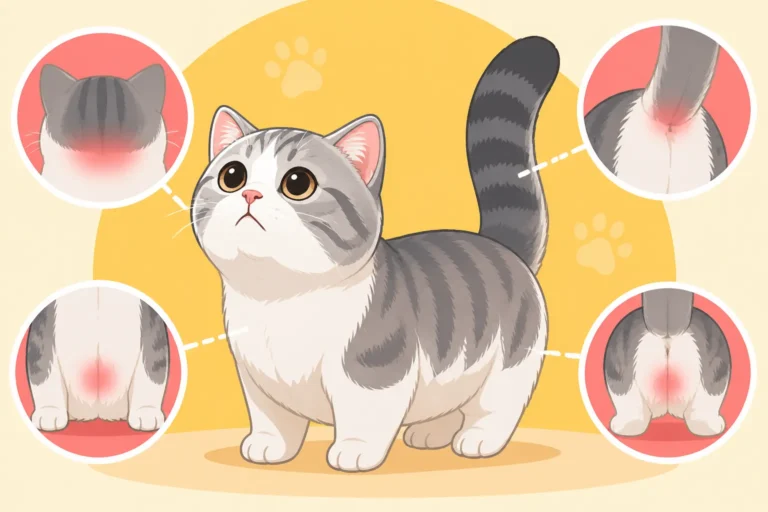
One of the most immediate and distressing consequences of a dragging belly for a Munchkin is the impact on hygiene and skin health. When the belly fur, especially if it's long-haired, constantly scrapes along the floor, it quickly picks up dirt, dust, and debris. More significantly, it comes into direct contact with litter box leavings. We often talk about why a Munchkin's belly fur needs checking frequently, and a dragging belly amplifies this need tenfold.
The fur on a dragging belly becomes matted much faster. This isn't just about appearance; mats pull on the skin, causing pain and irritation. They can also hide skin infections, parasites, and sores. Furthermore, if a Munchkin's belly is dragging, it's highly likely their hindquarters are also too low to the ground, making it incredibly difficult for them to properly clean themselves after using the litter box. This leads to fecal matter and urine being trapped in the fur, resulting in severe matting, skin scalding, and a persistent, unpleasant odor. Whether matting becomes a health problem in a Munchkin is not a question when their belly drags; it's a certainty. This constant state of uncleanliness can lead to discomfort, distress, and a significantly reduced quality of life for your cat. Regular bathing and sanitary clips become non-negotiable, adding to the care burden.
Health Risks and Quality of Life Implications for an Overweight Munchkin
A dragging belly is just the tip of the iceberg when it comes to the problems an overweight Munchkin faces. The excess weight places tremendous strain on their unique skeletal structure and overall physiology, potentially leading to a cascade of health issues that can severely impact their lifespan and happiness.
The Strain on Joints and Spine
The primary concern with an overweight Munchkin is the added stress on their joints and spine. Their short legs mean they already experience a different biomechanical load compared to long-legged cats. When you add extra weight, that load increases significantly. This is why an overweight Munchkin is in real trouble. Every pound, every ounce, puts more pressure on their ankles, knees, hips, and especially their shoulders and spine.
Munchkins are already predisposed to certain musculoskeletal issues due to their conformation. Extra weight can exacerbate these vulnerabilities. For instance, osteoarthritis, a degenerative joint disease, can appear much earlier or progress more rapidly in an overweight Munchkin. You might start to notice how osteoarthritis shows in a Munchkin's shoulders, elbows, and hips, leading to stiffness, pain, and a reluctance to move or jump even small distances. What pain relief a stiff Munchkin can take becomes a conversation much earlier in their life if weight isn't managed. The persistent pressure on their spine from a heavy abdomen can also contribute to discomfort and potentially worsen any underlying spinal sensitivities. Pet insurance providers, like Healthy Paws, often highlight the importance of proactive weight management and regular vet visits to catch these issues early, as treating advanced arthritis can be costly and challenging.
Impaired Mobility and Reduced Activity
An overweight Munchkin will naturally have reduced mobility. The dragging belly physically hinders their movement, making it harder to run, play, and navigate their environment. This reduced activity creates a vicious cycle: less movement leads to more weight gain, which further reduces mobility. This isn't just about being a "couch potato"; it impacts their natural feline behaviors. They may struggle to climb onto furniture, use ramps, or even fully explore their home.
This diminished capacity for play and exploration takes a toll on their mental and physical well-being. Cats need exercise and mental stimulation to thrive. A Munchkin that can't move freely becomes bored, frustrated, and less engaged with their surroundings. This can lead to behavioral problems, depression, and a general decline in their quality of life. Owners might initially think their cat is just less active due to age, when in reality, it's often a direct consequence of excess weight.
Difficulty with Essential Self-Care
Beyond mobility, an overweight Munchkin will struggle significantly with self-grooming. Their short legs and ample belly make it physically impossible to reach and clean many parts of their body, especially their back, hindquarters, and the underside of their belly. This leads to the hygiene problems mentioned earlier, but it also creates a sense of helplessness for the cat. Cats are fastidious creatures, and being unable to groom themselves properly can be a source of considerable stress and discomfort.
Additionally, an overweight Munchkin may find it hard to comfortably use a standard litter box. The high sides can be challenging to step over with a dragging belly, and once inside, turning around or squatting comfortably might be difficult. This can lead to inappropriate urination or defecation outside the box, which is frustrating for owners and a clear sign of distress for the cat. Such behavioral changes are often a desperate plea for help, indicating that their physical limitations are making basic life functions difficult.
Preventing and Managing Weight in Your Munchkin
The good news is that preventing and managing weight in your Munchkin is entirely within your control. It requires diligence, understanding of their unique needs, and a proactive approach, but the rewards are a happier, healthier cat with a much better quality of life.
Tailored Nutrition for Their Unique Metabolism
The foundation of weight management for any cat, but especially a Munchkin, is diet. Given that a Munchkin burns less energy than a normal-legged cat because they don't jump as high or move with the same expansive strides, their caloric intake needs to be carefully monitored. This is crucial for understanding how much weight a Munchkin can safely carry without putting undue strain on their body.
Consulting with your veterinarian is the absolute best first step to determine the right type and amount of food for your specific Munchkin. They can help you calculate their ideal weight and daily caloric needs, taking into account their age, activity level, and any pre-existing health conditions. Often, a high-quality, protein-rich diet is recommended to maintain muscle mass while carefully controlling fat and carbohydrates. Dry food can be supplemented with wet food, which provides hydration and can help a cat feel fuller with fewer calories. Precision is key: measuring food portions accurately, rather than just eyeballing it, makes a huge difference. Free-feeding, where food is left out all day, is generally not recommended for Munchkins prone to weight gain.
Encouraging Safe and Appropriate Exercise
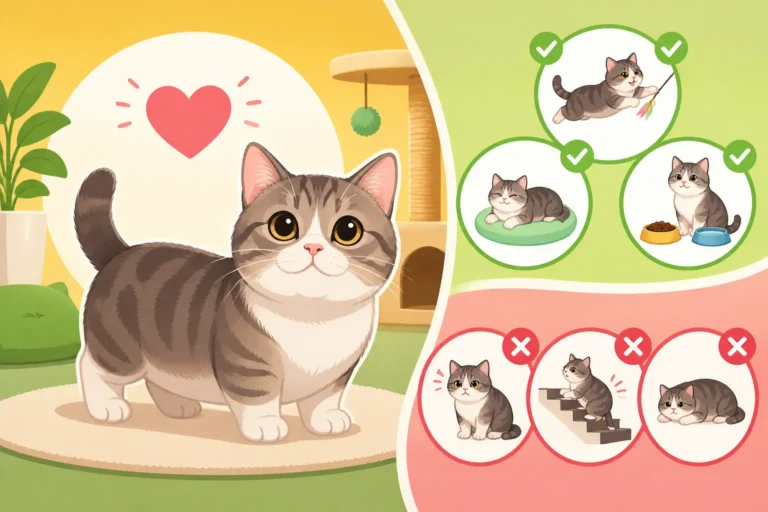
While Munchkins might not scale tall cat trees, they are still active and playful cats who need exercise. The key is to provide enrichment that suits their unique abilities and protects their delicate joints. Floor-level play is fantastic. Think wand toys that you drag along the ground, small balls they can chase, or puzzle feeders that encourage mental and physical engagement without requiring high jumps. Short bursts of playtime throughout the day are more effective than one long, exhausting session.
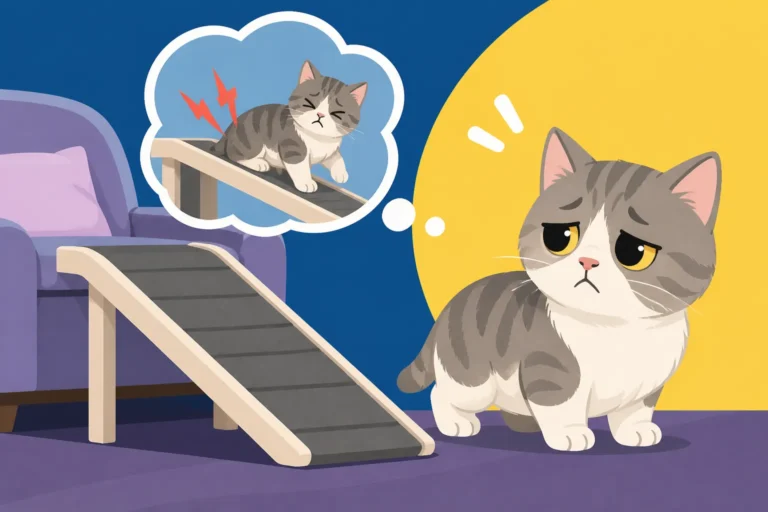
Ramps and steps are essential tools to help your Munchkin navigate your home safely without excessive jumping. These allow them to access favorite spots like the sofa, bed, or a sunny windowsill, promoting independence and activity without putting strain on their joints. Consider how a Munchkin's behavior changes after eight; as they age, these aids become even more critical. Encourage them to use these resources, perhaps with treats or favorite toys, to build positive associations. Remember, the goal is to keep them moving in ways that support their body, not strain it.
Regular Monitoring and Veterinary Care
Consistent monitoring of your Munchkin's weight and body condition is paramount. Learn how to score a Munchkin's body condition by feeling their ribs, spine, and waist. Ideally, you should be able to feel their ribs without pressing hard, and they should have a discernible waistline when viewed from above. Regular weigh-ins at home, perhaps weekly or bi-weekly, can help you catch any upward trends early. If you notice weight gain, addressing it immediately is easier than trying to shed many pounds later. Understanding how slowly an overweight Munchkin should lose weight is vital; rapid weight loss can be dangerous for cats, so consistency is key.
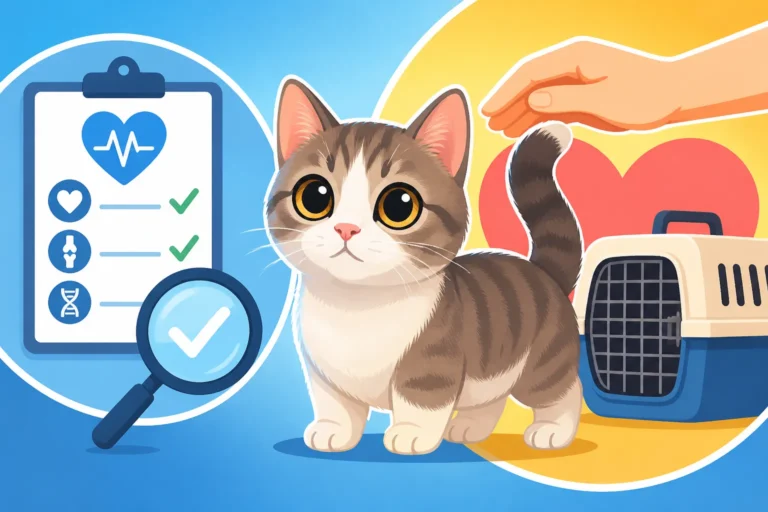
Annual veterinary check-ups are non-negotiable for a Munchkin, especially to monitor their weight and joint health. This is why a Munchkin's annual visit includes its gait and a thorough physical examination. Your vet can assess their spinal health, check for signs of arthritis, and provide personalized advice on diet and exercise. They can also recommend joint supplements, if appropriate, to support their mobility as they age. Early detection of any issues allows for prompt intervention, which can significantly improve their long-term prognosis. Many pet insurance plans, like those offered by Healthy Paws, emphasize preventive care and wellness exams, which can be invaluable for catching potential issues before they become major problems, providing peace of mind as your Munchkin ages.
Here's a quick guide to assessing your Munchkin's body condition:
| Body Condition Score | Appearance & Feel (Munchkin Specific) | Implications |
|---|---|---|
| 1: Emaciated | Ribs, spine, and pelvic bones very prominent, no fat. Extreme waist tuck. | Severely underweight. Immediate vet intervention needed. |
| 2: Thin | Ribs easily felt, spine prominent. Obvious waist tuck. | Underweight. May need caloric increase, vet check for underlying issues. |
| 3: Ideal | Ribs easily felt with slight fat cover, smooth but discernible waist. | Healthy weight. Ribs are palpable. This is the goal! |
| 4: Overweight | Ribs felt with difficulty, minimal waist, rounded belly. | Moderate overweight. Belly may start to sag/drag. Dietary changes and exercise needed. |
| 5: Obese | Ribs difficult to feel, no waist, pronounced round belly that likely drags. | Severely overweight/obese. Significant health risks. Urgent vet-supervised weight loss. |
Remember, maintaining an ideal weight is one of the most loving and impactful things you can do for your Munchkin. It directly contributes to their comfort, mobility, and overall longevity, ensuring they can enjoy all the wonderful quirks of their unique breed without the added burden of unnecessary strain.
Disclaimer
This article is intended for informational purposes only and does not constitute professional veterinary advice. Always consult with a qualified veterinarian for any health concerns or before making any decisions about your pet's medical care or diet.