How Often a Healthy Adult Munchkin Needs Checking
It's completely normal to wonder if your adorable, short-legged Munchkin cat, despite looking perfectly happy and healthy, needs a slightly different vet schedule than other cats. Their unique physique often sparks questions about their long-term health, and you want to ensure you're doing everything right to keep them thriving. This guide is here to shed light on the recommended veterinary check-up frequency for a healthy adult Munchkin, helping you navigate their care with confidence.
The Foundation: Annual Wellness Exams for All Adult Cats
Even if your Munchkin spends their days luxuriating on your sofa and seems completely robust, regular veterinary check-ups are the cornerstone of preventative care for all felines. Don't let their seemingly effortless agility on the floor fool you; cats are masters at hiding illness, and a yearly visit can catch subtle changes before they become serious problems.
The Universal Recommendation for Feline Companions
For most healthy adult cats, regardless of breed, an annual wellness exam is the gold standard. Think of it like your own yearly physical – a routine check-in with a professional who can assess overall health, monitor trends, and address any budding concerns. Even indoor-only cats, who might seem less exposed to external threats, benefit immensely from these regular visits. They age much faster than humans, and a lot can change in a feline year. Waiting until you notice overt symptoms often means a condition has progressed, making treatment more challenging and potentially more expensive.
Beyond simply detecting illness, these annual visits are crucial for maintaining optimal health. They provide an opportunity to discuss diet, behavior, and any environmental changes that might impact your cat. A veterinarian can offer tailored advice, ensuring your Munchkin continues to live their best life. It's about being proactive rather than reactive, giving your furry friend the best shot at a long and comfortable existence.
What a Comprehensive Annual Check-up Entails
During a typical annual examination, your veterinarian will perform a thorough physical assessment. This isn't just a quick peek; they'll meticulously check your cat's eyes, ears, nose, and mouth, paying close attention to dental health. They'll palpate (feel) your Munchkin's abdomen to check for any abnormalities in organ size or sensitivity, listen to their heart and lungs, and inspect their coat and skin for parasites or lesions.
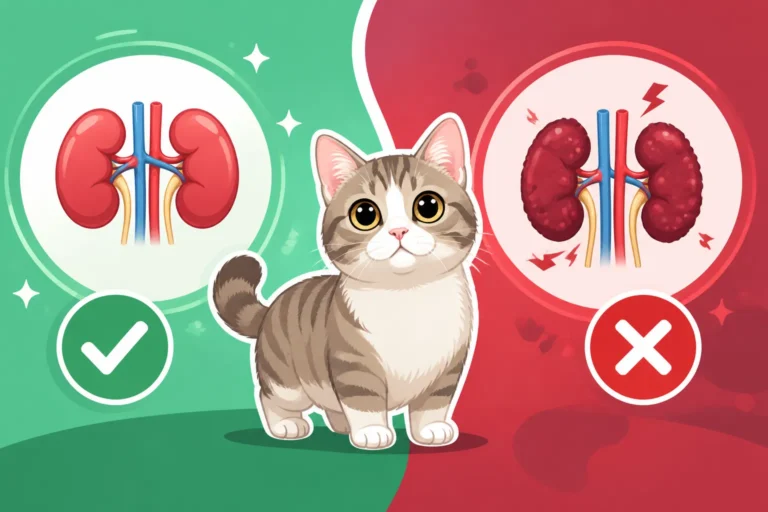
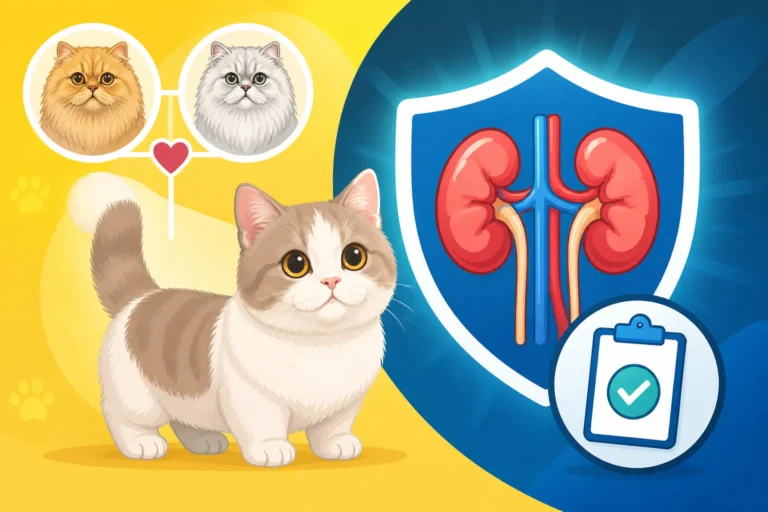
Your vet will also take your Munchkin's weight and discuss their diet and activity levels. This is a crucial time to address any concerns about weight management, parasite control (including flea, tick, and heartworm prevention), and vaccination boosters. Depending on your cat's age, lifestyle, and past medical history, routine bloodwork might also be recommended to screen for underlying conditions that aren't yet visible on a physical exam. For instance, testing for common issues like kidney or thyroid problems can be invaluable as cats age. Planning ahead for these types of regular expenses, or even unexpected ones, can be made easier with robust pet insurance, with companies like Healthy Paws offering plans designed to help cover eligible vet bills.
Tailoring the Schedule: Munchkin-Specific Health Considerations
While the annual exam forms the basic framework, owning a Munchkin cat introduces a few extra layers of consideration. Their defining characteristic – those wonderfully short legs – is due to a genetic mutation called chondrodysplasia, which affects bone development. This unique anatomy, while not inherently painful or debilitating for all, does mean certain areas require more vigilant attention during vet checks.
Understanding the Impact of Chondrodysplasia on Your Munchkin
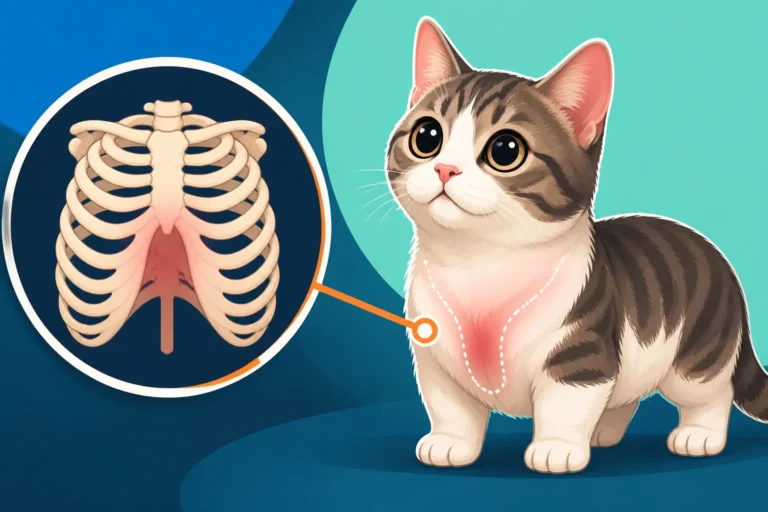
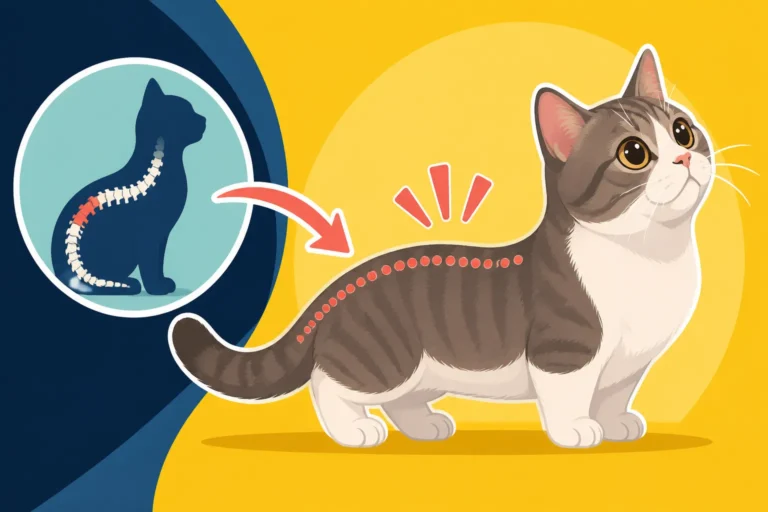
The Munchkin's short legs are a result of disproportionate dwarfism, meaning their long bones are shorter, but their body length is normal. This unique structure impacts how they move and the load placed on their spine and joints. It's a common misconception that their short legs are the only thing to consider; rather, it's the knock-on effects of this conformation that warrant specific attention. For example, the way their spine carries a load is different from a normal-legged cat, which can sometimes lead to discussions about conditions like lordosis (an inward curvature of the spine) or pectus excavatum (a sunken chest). While these conditions aren't exclusive to Munchkins, their breed's structure means a vet familiar with the breed will know what to look for.
Even a seemingly healthy Munchkin can have subtle anatomical variations that might not cause issues for years but could benefit from early monitoring. A knowledgeable veterinarian will be attuned to these specific nuances, going beyond a generic feline exam to thoroughly assess areas that are potentially more vulnerable in a Munchkin. This specialized attention helps to track development and identify any potential problems at the earliest possible stage, allowing for proactive management. It’s about understanding "Why a Munchkin's Spine Carries a Load a Normal Cat's Does Not" and what that means for their long-term well-being.
Proactive Screening for Joint and Spinal Health
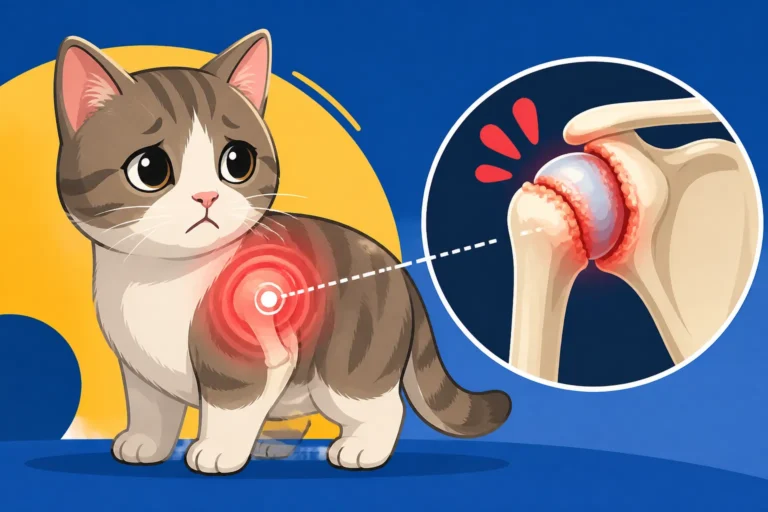
For your adult Munchkin, proactive screening for joint and spinal health becomes a key component of their veterinary care. During their annual check-up, your vet should pay meticulous attention to palpating all their joints, particularly the shoulders, elbows, and hips, to assess for any stiffness, pain, or reduced range of motion. Observing their gait – how they walk, run, and maneuver – is also critical. Even subtle changes can be early indicators of developing issues, such as arthritis. For instance, understanding "How Osteoarthritis Shows in a Munchkin's Shoulders" can help you and your vet spot early signs.
While routine X-rays every year might not be necessary for a healthy, asymptomatic Munchkin, it's a conversation to have with your vet, especially as your cat approaches middle age or if any concerns about their mobility arise. These imaging diagnostics can provide a baseline or confirm suspicions about spinal or joint changes. Furthermore, maintaining an ideal body weight is paramount for a Munchkin's joint health. Every extra pound places additional strain on their already uniquely structured joints and spine, making them more susceptible to discomfort and degenerative conditions. Your vet can help you assess "How to Score a Munchkin's Body Condition" and advise on diet and exercise to ensure they stay lean. This is why "Why Weight Is More Dangerous on a Munchkin" is such a critical consideration for owners.
Here’s a quick overview of annual check-up components:
| Check-up Aspect | General Cat Recommendation | Munchkin-Specific Considerations |
|---|---|---|
| Frequency | Annually | Annually (more often for seniors or if concerns arise) |
| Physical Exam | Full body check | Meticulous joint palpation (shoulders, elbows, hips), spine assessment for lordosis/pectus, careful gait observation. |
| Weight Monitoring | Essential | Critical; every extra pound increases joint and spinal strain. Discuss ideal weight and diet tailored to lower activity levels. |
| Dental Health | Annual check-up | Standard, but consider potential for discomfort from neck extension during examination due to shorter neck. |
| Vaccinations | As per protocol | Standard, ensuring current protection against common feline diseases. |
| Bloodwork | Recommended for seniors/ill | Discuss baseline bloodwork at appropriate age, especially to monitor organ function and metabolic health. |
| Mobility Assess. | General observation | Detailed assessment of jumping, climbing, running, and ease of movement, watching for any hesitation or changes. |
Beyond the Annual: Situations Demanding More Frequent Vet Attention
While annual check-ups are foundational, your Munchkin's health journey isn't a rigid one-size-fits-all plan. There will be times when more frequent veterinary attention is not just recommended, but absolutely necessary. Being observant and knowing when to seek professional advice outside of the routine schedule is vital for their well-being.
Recognizing Subtle Indicators of Discomfort or Change
One of the greatest challenges of cat ownership is their incredible ability to mask pain or discomfort. Munchkins are no exception. They might not cry out or limp dramatically, but subtle shifts in their behavior can be significant indicators that something isn't quite right. Keep a close eye on their activity levels – are they playing less, sleeping more, or less interested in their favorite toys? Changes in how they navigate their environment, such as hesitation before attempting a small jump they once made easily, or refusing to use their ramps, can signal joint or spinal discomfort. You might notice them grooming themselves less thoroughly, especially their hindquarters, which they might struggle to reach, leading to matting or skin issues. "What a Munchkin Cannot Reach to Groom" is a common area for owners to overlook, which can quickly lead to problems.
Digestive changes, like appetite loss, vomiting, or diarrhea, always warrant prompt attention. Similarly, changes in litter box habits, such as straining, frequent urination, or inappropriate elimination, could indicate urinary tract issues or other problems. Even subtle shifts in their personality, like becoming more withdrawn or irritable, can be a sign of underlying pain or illness. Trust your instincts – you know your Munchkin best. If you feel like something is "off," even if you can't put your finger on exactly what, a call to your vet is always a good idea. Having pet insurance from a provider like Healthy Paws can provide a crucial safety net for these unexpected visits, allowing you to prioritize your cat's health without financial worry.
Adapting Care as Your Munchkin Ages into Seniority
As your Munchkin transitions into their senior years, which typically begins around 8 to 10 years of age, their veterinary needs will naturally evolve and likely require more frequent attention. Just like humans, older cats are more prone to a range of age-related conditions. For senior Munchkins, this often means monitoring for increased signs of arthritis, which can particularly affect their short limbs and spine. "Whether a Munchkin Gets Arthritis Earlier" is a common concern, and increased vigilance is warranted. Twice-yearly vet visits become highly recommended for senior cats, allowing for closer monitoring of their overall health and faster detection of any emerging issues.
These more frequent senior check-ups will focus on assessing organ function through blood and urine tests ("Which Blood Panel a Munchkin Should Have Yearly"), checking for common senior ailments like kidney disease, hyperthyroidism, and diabetes. Dental health also becomes increasingly important, as periodontal disease can impact their overall well-being. Your vet will pay extra attention to their mobility, looking for signs of stiffness or pain that might indicate worsening arthritis or other degenerative joint diseases. They can then discuss pain management strategies, joint supplements, or environmental modifications to help your senior Munchkin maintain a good quality of life. Understanding "What an Old Munchkin Stops Being Able to Do" can help you prepare and adapt your home environment to support them.
Fostering a Lifelong Partnership for Your Munchkin's Well-being
Ultimately, keeping your Munchkin healthy throughout their "The Twelve to Fifteen Years a Munchkin Usually Gets" is a team effort. It's not just about scheduling appointments; it's about building a strong, collaborative relationship with your veterinarian and empowering yourself with knowledge and proactive habits.
Collaborative Health Planning with Your Vet
Think of your veterinarian as your most important partner in your Munchkin's health journey. Open and honest communication is key. Don't hesitate to ask questions, share observations about your cat's behavior, or express any concerns you might have, no matter how minor they seem. A good vet will appreciate your attentiveness and work with you to devise the best health plan for your individual cat. This might involve discussions about specific diagnostic tests, preventative measures, or even lifestyle adjustments unique to your Munchkin's needs and environment.
Beyond the immediate appointment, consider discussing a long-term preventative care strategy. This could include a schedule for routine dental cleanings, recommendations for joint-supporting supplements, or a tailored weight management plan. Keeping detailed records of your Munchkin's health – including weights, appetite, activity levels, and any behavioral changes – can be incredibly helpful for your vet in identifying patterns or subtle declines over time. Companies like Healthy Paws are excellent partners in this proactive approach, offering policies that encourage consistent vet care by covering a wide range of eligible medical expenses, making it easier to follow through on all recommended treatments and diagnostics.
Empowering Owners Through Vigilance and Education
As a Munchkin owner, you are truly on the front lines of their health care. Your daily interactions and keen observations are invaluable. You'll be the first to notice if they're not quite themselves, if they're hesitating to jump on their favorite low perch, or if their usual playful antics have diminished. Learning about the specific health considerations for Munchkins, as we've discussed, empowers you to be a more informed advocate for your pet.
Continuously educating yourself about feline health, particularly topics related to Munchkin care, can make a huge difference. Reading reliable resources, participating in breed-specific forums (with caution, always consult your vet for medical advice), and staying up-to-date on veterinary recommendations will equip you to make the best decisions. Your vigilance, combined with your veterinarian's expertise, creates a powerful shield of care for your beloved short-legged companion, helping them enjoy a long, happy, and comfortable life.
Disclaimer
Please remember that this article provides general information and recommendations. Every cat is an individual, and health needs can vary. Always consult with your trusted veterinarian for personalized advice regarding your Munchkin cat's specific health care plan, diagnosis, and treatment options.