What Feeding a Munchkin for Joint Health Costs
It’s a common worry for Munchkin cat owners, isn't it? We look at those adorable short legs and can't help but wonder if they’re going to cause problems down the road, particularly with their joints. You want to give your little friend the best life possible, and that often means looking into specific diets and care. This guide is here to walk you through what it really costs to feed a Munchkin for optimal joint health, making sure your feline companion stays as comfortable and spry as possible.
Understanding the Unique Joint Needs of a Munchkin
When you have a Munchkin, you're not just dealing with a regular cat in a smaller package. Their unique genetics mean their bodies work a little differently, and understanding this is the first step to truly supporting their long-term health, especially when it comes to their joints. It's not about being alarmist, but about being realistic and proactive.
Why a Munchkin's Anatomy Puts Extra Strain on Joints
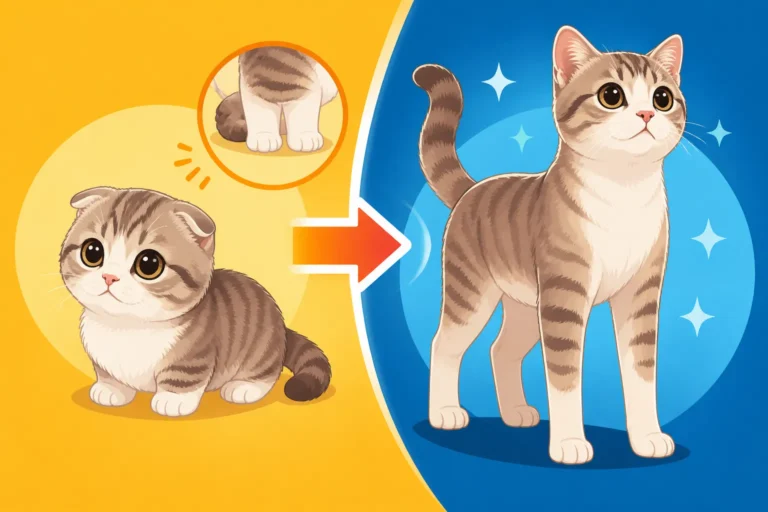
Let's talk about those distinguishing short legs for a moment. While utterly charming, they mean that a Munchkin's body mechanics aren't quite the same as a long-legged cat. They have a normal-length spine, but it's carried on shorter limbs. This setup can alter weight distribution and the way forces are absorbed during movement. Think about it: every jump, every landing, every scramble up onto the sofa—it all places a unique kind of stress on their joints, particularly their shoulders and elbows.
Many owners notice their Munchkin loves to play, running like a ferret and often attempting jumps that a longer-legged cat might clear with ease. But when they land, especially from even a modest height, those short front legs bear the brunt. Over time, this repetitive stress can contribute to wear and tear, making them potentially more susceptible to conditions like osteoarthritis. It’s why you might hear concerns about how the Munchkin’s spine carries a load a normal cat’s does not, and why some suggest that What Pseudoachondroplasia Does to a Munchkin's Legs is a core part of understanding their physical challenges. This isn’t to say they are constantly in pain, but rather that their bodies are engineered in a way that necessitates careful consideration of how we support them.
The Role of Nutrition in Proactive Joint Care
So, knowing this, how does diet come into play? Well, nutrition isn't just about giving your Munchkin energy to zoom around the house. For joint health, it's about providing the building blocks and support systems that help maintain cartilage, reduce inflammation, and keep their connective tissues resilient. Think of it as investing in the infrastructure of their body. Starting early with a joint-supportive diet can be a game-changer, potentially delaying or lessening the severity of joint issues as they age.
You wouldn't wait for your car's engine to seize before putting in good oil, right? The same principle applies here. Proactive nutrition means incorporating ingredients known to benefit joints before significant problems arise. This isn't just a trend; it's a science-backed approach to wellness. We're talking about specific nutrients that can help lubricate joints, repair cartilage, and even act as natural anti-inflammatories.
Breaking Down the Costs of Joint-Supportive Foods
When you start looking into specific diets for joint health, you'll quickly realize it's not always the cheapest option on the shelf. But understanding why these foods cost more can help you make informed decisions for your Munchkin.
Premium Cat Foods Formulated for Joint Health
These specialized foods aren't just fancy packaging; they typically contain higher concentrations of beneficial ingredients specifically chosen to support joint function. When browsing, you'll want to look for things like glucosamine and chondroitin, which are natural compounds found in healthy cartilage. Omega-3 fatty acids, often derived from fish oil, are also crucial for their anti-inflammatory properties, which can be a huge benefit for achy joints.
Why the higher price tag? Firstly, these ingredients aren't cheap. Sourcing quality glucosamine, chondroitin, or sustainably caught fish oil adds to production costs. Secondly, these formulas often use higher quality protein sources and are more carefully balanced to ensure optimal nutrient absorption. A bag of premium joint-supportive kibble might cost you anywhere from $10 to $30 more than a standard bag of cat food. If you prefer wet food, the price difference per can or pouch can also be noticeable. While it might sting a bit at the checkout, consider it an investment in your Munchkin's mobility and comfort for years to come. Many reputable brands offer specific "mobility" or "senior" formulas that fit this bill. When shopping, you might find a good selection of specialized cat foods on platforms like Chewy, which often stock a wide range of veterinary-recommended diets.
The Additional Expense of Joint Supplements
Sometimes, even with a premium joint-supportive diet, your Munchkin might benefit from additional supplements. This is especially true if they're already showing early signs of stiffness or if your vet recommends an extra boost. Joint supplements come in various forms: tasty chews, liquids you can add to food, or even powders. Common ingredients include:
- Glucosamine and Chondroitin: The dynamic duo for cartilage health.
- MSM (Methylsulfonylmethane): Another compound known for its anti-inflammatory and pain-relieving properties.
- Green-Lipped Mussel: A natural source of glucosamine, chondroitin, and omega-3s, highly regarded for joint support.
- Fish Oil (Omega-3s): Crucial for reducing inflammation.
These supplements are an additional monthly cost. A bottle of chews or liquid might run you anywhere from $15 to $40 a month, depending on the brand, concentration, and your Munchkin's specific needs. Dosage is key here; a tiny kitten will need less than a fully grown adult cat. It's important to remember that consistency is crucial for these supplements to be effective. You can't just give them sporadically and expect results; it's a daily commitment. Your vet can guide you on Which Joint Supplements Suit a Munchkin best and help you find a reputable brand.
Indirect Dietary Costs and Their Impact on Joint Health
It’s not just about what goes into their bowl. Other factors, seemingly unrelated to food, can have a huge impact on your Munchkin's joint health and, consequently, your overall costs.
Managing Weight: The Most Critical Cost-Saving Measure
This is arguably the most important, and often overlooked, aspect of joint health for a Munchkin: weight management. Those short legs are simply not designed to carry excess weight. Every extra gram puts disproportionate strain on their spine, hips, knees, and particularly their shoulders and elbows. An overweight Munchkin is truly in real trouble, as their joints will deteriorate much faster, leading to pain and mobility issues sooner.
The good news? Managing weight is one of the most cost-effective preventative measures. It means careful portion control – no free-feeding! – and choosing an appropriate calorie-dense food. Sometimes, if a Munchkin is already chunky, your vet might recommend a specialized "light" or "weight management" diet. These foods are formulated to be lower in calories while still providing essential nutrients. While they might cost slightly more than standard kibble, the long-term savings in vet bills for arthritis treatment or pain medication far outweigh the difference. Getting into the habit of weighing your Munchkin's portions rather than simply pouring can make a significant impact. It's crucial to know How Much Weight a Munchkin Can Safely Carry and to monitor it regularly.
Investing in Proper Feeding Equipment
You might think a bowl is just a bowl, but for a Munchkin, the right feeding equipment can make a world of difference for their joint comfort. Think about how low to the ground they are. Bending their neck all the way down to eat from a floor-level bowl can put strain on their neck and shoulders, especially as they get older or if they already have some stiffness.
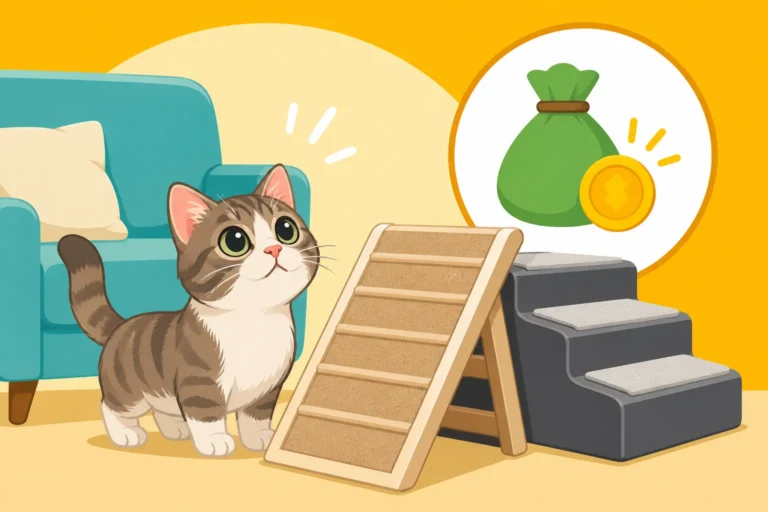
Investing in raised food and water bowls can significantly ease this strain. These bowls elevate the food and water to a more comfortable height, allowing your Munchkin to eat and drink without excessive bending. You can find stylish and ergonomic raised bowl sets at various pet stores, including online retailers like Chewy. While this is an upfront cost, typically ranging from $20 to $60 for a good quality set, it’s a small price to pay for improving their daily comfort. Some owners also opt for slow feeders or puzzle feeders. While primarily used for weight management and mental enrichment, they can also encourage a more deliberate eating posture, further supporting healthy joints. Choosing the right equipment can make a huge difference in Why a Raised Bowl Eases a Munchkin's Shoulders.
Long-Term Financial Planning for a Munchkin's Joints
Caring for a Munchkin's joints is a marathon, not a sprint. It involves ongoing commitment and a bit of foresight to manage the costs effectively.
The Interplay with Vet Visits and Early Detection
Routine veterinary care isn't a direct "food cost," but it's an undeniable part of keeping your Munchkin's joints healthy, and it's essential to factor it into your financial planning. Regular vet check-ups allow your veterinarian to assess your cat's gait, monitor their weight, and catch any subtle signs of joint discomfort or developing arthritis early on. An annual visit that includes a thorough gait assessment is invaluable. Why a Munchkin's Annual Visit Includes Its Gait is a clear indicator that their movement is key to their health.
If your vet suspects an issue, they might recommend diagnostic tests like X-rays, which come with their own costs. Early detection means you can adjust their diet, introduce supplements, or start medications much sooner, potentially preventing more severe problems and costly treatments down the line. It's a bit like getting your car serviced regularly; you fix small issues before they become major breakdowns. Considering pet insurance, like plans from Healthy Paws, can also be a smart move. While many policies have waiting periods or don't cover pre-existing conditions, if you enroll your Munchkin early, it could help offset the costs of diagnostics, treatments, or long-term medication for joint issues that develop later in life.
The Value of Prevention Over Treatment
This is where the rubber meets the road. When we talk about the costs of feeding a Munchkin for joint health, we're really talking about the value of prevention. Compare the ongoing, manageable costs of premium joint-supportive food and supplements to the potential, much higher costs of reactive treatment for severe arthritis. Imagine your Munchkin struggling with pain, requiring daily medication, anti-inflammatory injections, or even specialized therapies like hydrotherapy or physiotherapy. These treatments can easily run into hundreds or even thousands of dollars over time.
By investing proactively in a joint-healthy diet, diligent weight management, and proper feeding equipment, you're not just buying food; you're buying quality of life and potentially avoiding significant veterinary expenses in the future. It’s an investment that pays dividends in your Munchkin’s comfort and your peace of mind. Thinking about What a Year of Joint Support Costs a Munchkin Owner in advance can really help frame this perspective.
Let's look at a simplified comparison:
| Category | General Munchkin Care (Reactive Approach) | Joint-Focused Munchkin Care (Proactive Approach) |
|---|---|---|
| Food Cost (Monthly) | Standard cat food, lower initial cost | Premium joint-supportive food, higher initial cost |
| Supplements | Introduced only if symptoms are severe, potentially costly, inconsistent | Consistent daily supplements, moderate ongoing cost, preventative |
| Weight Management | Less strict, potential for obesity | Strict portion control, regular weighing, specific diet, minimal extra cost |
| Feeding Equipment | Basic bowls, potential for neck/shoulder strain | Raised bowls, ergonomic setup, small upfront investment |
| Vet Visits | Reactive visits for pain/lameness, often requires extensive diagnostics | Regular preventative checks, early intervention for minor issues, fewer urgent visits |
| Medication/Therapy | High likelihood of ongoing pain medication, injections, or therapies | Lower likelihood, or milder symptoms requiring less intensive treatment |
| Quality of Life | Potential for chronic pain, reduced mobility, discomfort | Enhanced comfort, sustained mobility, active lifestyle |
Ultimately, feeding a Munchkin for joint health is about making informed choices that prioritize their long-term well-being. It’s a commitment, but one that ensures your unique little companion can enjoy life to the fullest, pitter-pattering around your home with joy and comfort.
Disclaimer
This article is for general informational purposes only and does not constitute professional advice. Laws, prices and regulations vary by location and change over time. Consult a qualified professional for guidance on your specific situation.