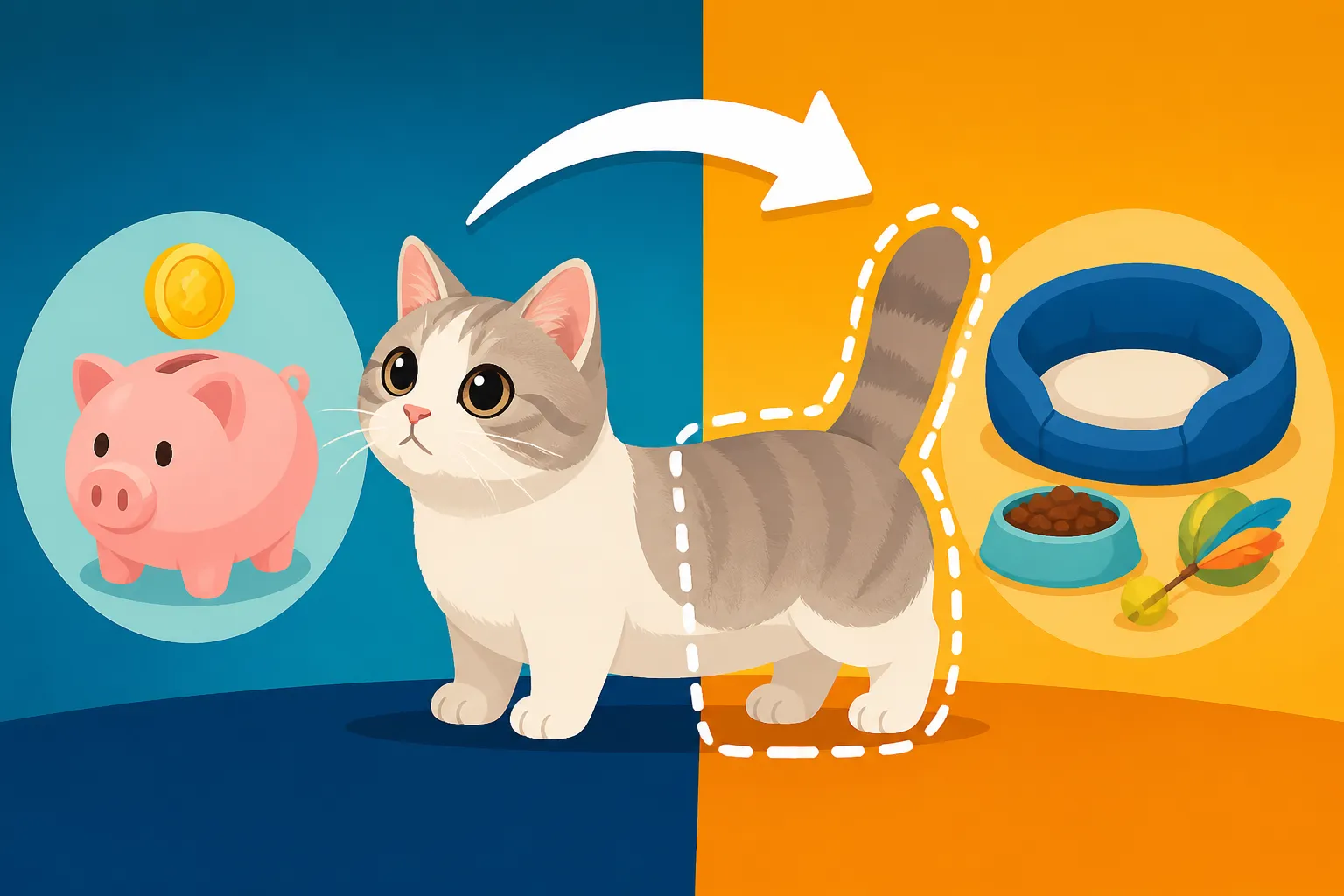
Why a Munchkin Budget Needs a Line for the Back Half
As delightful as Munchkin cats are with their charming short legs and playful personalities, many new owners quickly discover that their unique physique comes with a very specific set of care considerations. It’s not just about finding low-entry litter boxes or ramps; it’s about acknowledging that their reduced reach affects their ability to perform basic self-care, particularly when it comes to their "back half." This guide will walk you through why a Munchkin's hindquarters require special attention and how to budget for the ongoing grooming and hygiene needs that are absolutely essential for their health and happiness.
The Unique Grooming Challenges of a Munchkin's Anatomy
When you first bring home a Munchkin, you’re often captivated by their spirited zoomies and that adorable "prairie dog" sit. What might not be immediately obvious is how these short limbs impact something as fundamental as self-grooming. A normal-legged cat can twist and reach almost every part of its body, meticulously cleaning its fur and skin. A Munchkin simply doesn't have that anatomical luxury, especially when it comes to their hindquarters, the underside of their belly, and around their tail base.
Why Short Legs Impede Self-Grooming
Imagine trying to reach your lower back or the backs of your thighs with very short arms. That’s essentially the challenge your Munchkin faces every single day. Their front legs are significantly shorter than those of a standard cat, and while their spine is a normal length, it simply doesn't allow for the extreme flexibility and reach needed to groom their entire body effectively. This isn't a sign of laziness; it's a physical limitation.
This becomes particularly problematic for areas that see a lot of activity, like after using the litter box. A standard cat can easily contort to clean its perineal area, ensuring no residual litter or waste remains. A Munchkin struggles immensely with this, leading to potential hygiene issues that can quickly escalate if left unaddressed. Their low stature also means their belly and hindquarters are often closer to surfaces, like the floor or litter, increasing exposure to dirt and debris.
Areas Most Affected by Limited Reach
The areas that suffer most from a Munchkin’s grooming challenges are, predictably, those furthest from their front paws and mouth, or those that require significant bending. This includes the entire area from the middle of their back down to their tail, their hind legs, and critically, their underside and around their anus. For longhaired Munchkins, this problem is compounded significantly, as their longer fur provides more surface area for things to stick to and mat.
Without regular intervention, these neglected areas can become matted, trap dirt, and even develop skin irritation or infections. It’s not just about aesthetics; it's a genuine health concern that can cause discomfort, pain, and necessitate expensive veterinary care if not managed proactively. Understanding this fundamental anatomical constraint is the first step in properly caring for your short-legged friend.
Essential Tools and Techniques for Maintaining Hindquarter Hygiene
Because your Munchkin can’t reach all the important spots, the responsibility falls squarely on your shoulders to keep their back half clean and healthy. This means investing in the right tools and committing to a consistent grooming routine. It might seem daunting at first, but with a little practice and patience, it becomes a natural part of your bond.
Daily Brushing and Spot Cleaning
For all Munchkins, regardless of coat length, daily brushing of their hindquarters, tail, and belly is non-negotiable. This isn't just about removing loose fur; it's about checking for any mats forming, cleaning away debris, and ensuring the skin beneath is healthy. How Often to Brush a Munchkin's Back is a critical piece of information. For shorthaired Munchkins, a soft slicker brush or a rubber curry comb can work wonders. For longhaired varieties, a wide-toothed comb followed by a slicker brush is often necessary to get through the longer fur without pulling.
Spot cleaning is equally important, especially after bathroom breaks. Keeping a supply of pet-safe grooming wipes or a damp, warm cloth handy is incredibly useful. Gently wipe around their anus and under their tail if you notice any fecal matter or litter clinging to the fur. This preventive measure can save you from bigger problems down the line, such as uncomfortable skin irritation or more serious matting. Don't be shy; your cat will thank you for the relief.
The Importance of Sanitary Clips
Even with diligent daily brushing and spot cleaning, many Munchkins, particularly those with longer or denser fur, will benefit from regular sanitary clips. A sanitary clip involves carefully trimming the fur around their anus, vulva or penis, and inner thighs to keep the area short and clean. This drastically reduces the likelihood of feces getting stuck, urine scalding the skin, or severe matting occurring in these sensitive zones.
While some owners feel confident performing a sanitary clip at home with pet-safe clippers, many prefer to leave this task to a professional groomer or even a veterinary technician. If you choose to do it yourself, invest in quiet, cordless clippers designed for pets and use extreme caution. The skin in this area is delicate and easily nicked. If done incorrectly, a bad clip can lead to painful irritation or even injury. It’s always best to err on the side of caution and seek professional help if you're unsure.
| Grooming Task | Frequency | Essential Tools | Benefits |
|---|---|---|---|
| Daily Brushing | Daily | Slicker brush, wide-toothed comb, rubber mitt | Prevents mats, removes loose fur, checks skin, strengthens bond. |
| Spot Cleaning | As needed | Pet-safe grooming wipes, warm damp cloth | Removes waste/litter, prevents skin irritation, maintains immediate hygiene. |
| Sanitary Clip | Monthly/Bi-monthly | Pet clippers (professional recommended) | Prevents fecal matting, reduces urine scalding, enhances overall hygiene, prevents infections. |
| Full Bath (as needed) | Infrequent | Mild cat shampoo, non-slip mat | Deep clean for severe soiling or odor, helps manage overall coat health. |
| Paw Pad Trim | As needed | Small clippers/trimmers | Improves traction, prevents hair from tracking litter, keeps paws clean. |
Budgeting for Professional Help and Special Supplies
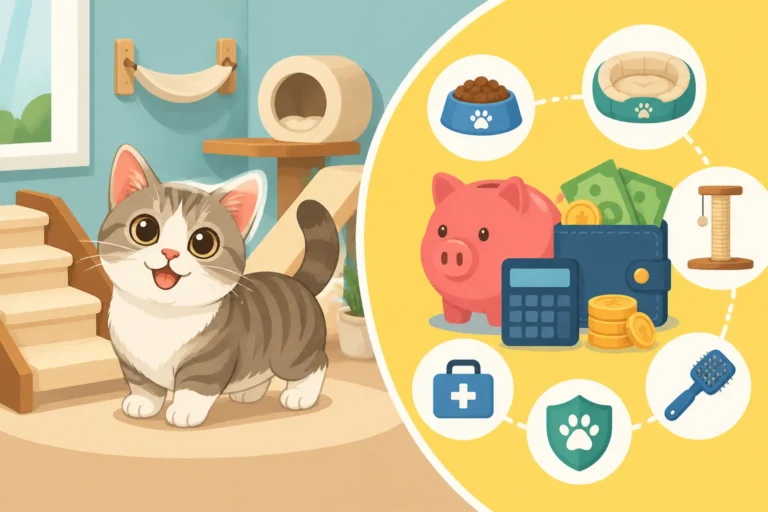
When planning your Munchkin's care budget, it’s easy to focus on food and routine vet visits. However, neglecting to allocate funds for their specific grooming needs can lead to unexpected costs down the line. A proactive approach here is truly worth its weight in gold – or rather, worth the cost of preventing a painful mat or skin infection.
Professional Grooming Services
Even if you’re a pro at daily brushing, bringing in a professional groomer for your Munchkin periodically can be a huge benefit. They have the specialized tools, expertise, and experience to handle sensitive areas and manage tricky mats that you might struggle with at home. How Often a Munchkin's Hindquarters Need a Groomer is a good question to ask. A full groom for a Munchkin might include a bath, blow-dry, nail trim, ear cleaning, and crucially, a thorough sanitary clip and de-matting of the hindquarters.
The cost of professional grooming varies depending on your location, the groomer's experience, and the complexity of your cat's coat (longhaired Munchkins will naturally cost more due to the extra time and care required). While it's an added expense, consider it an investment in your cat's comfort and health. Many owners find that a professional groom every few months keeps their Munchkin in top condition, reducing the daily burden and preventing more serious issues. Some groomers even offer specific "mini-grooms" or "hygiene packages" that focus primarily on the problem areas, which can be more budget-friendly.
Specialized Grooming Products and Equipment
Beyond professional services, you’ll need to stock up on specialized products for at-home care. This isn't just your standard cat brush. Think about items like pet-safe detangling spray for matted areas, gentle cleansing wipes for quick clean-ups, and perhaps even a specially formulated shampoo if your Munchkin is prone to skin sensitivities from irritation. Products available from retailers like Chewy can be invaluable here, offering a wide range of brushes, combs, clippers, and shampoos tailored for sensitive skin or long coats.
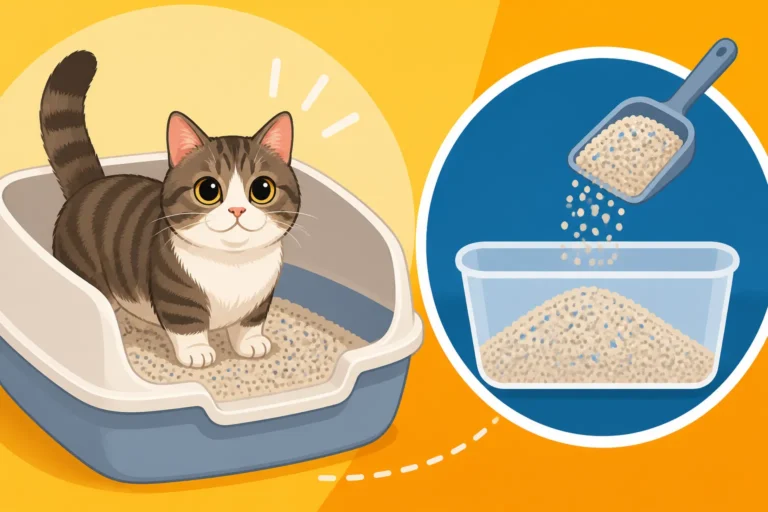
Don't forget the importance of the right litter. Since a Munchkin's belly often sits lower to the ground and they struggle with thorough post-litter box cleaning, the type of litter can make a big difference. Finer, dustier litters can cling to fur more easily. Consider larger granule litters or those marketed as "low-tracking" to minimize what gets carried out and stuck to their underside. While the initial cost of quality grooming tools and suitable litter might seem like an upfront expense, they are integral to a comprehensive Munchkin care plan.
Considering Pet Insurance for Unexpected Issues
While not directly a grooming expense, a line item for pet insurance in your Munchkin budget can offer immense peace of mind. Despite your best efforts, sometimes skin infections, severe matting requiring sedation for removal, or other related health issues can arise due to their unique anatomy. Reputable pet insurance providers like Healthy Paws can help cover unexpected veterinary costs associated with these kinds of problems.
It's wise to research policies thoroughly and understand what is covered. While routine grooming isn't typically included, complications stemming from insufficient grooming, such as dermatitis or secondary infections, often are. Having a safety net in place ensures that you can always provide the best possible medical care without financial strain, should a "back half" issue escalate beyond simple home management.
Preventing and Addressing Common "Back Half" Health Issues
The goal of all this proactive care is to prevent your Munchkin from experiencing discomfort or pain. Neglecting the grooming of their hindquarters can lead to a cascade of problems that are not only unpleasant for your cat but also expensive to treat.
Matting and Skin Irritation
The most common issue arising from a lack of "back half" care is matting. Mats are tangles of fur that become dense and matted together, pulling on the skin. They can be incredibly painful, restrict movement, and hide underlying skin problems. For Munchkins, mats frequently form around the anus, under the tail, and along the inner thighs and belly. Why a Munchkin's Hindquarters Get Matted is a consequence of their anatomy.
Underneath these mats, the skin can become damp, inflamed, and prone to bacterial or yeast infections. You might notice redness, scabs, or a foul odor. If mats become severe, they often require professional removal, which can sometimes necessitate sedation by a vet to prevent injury and minimize stress to the cat. Preventing mats through daily brushing and sanitary clips is far kinder and less costly than dealing with them once they’ve set in.
Litter Box Hygiene and Associated Problems
As mentioned, a Munchkin’s struggle to clean itself after using the litter box means that residual feces or urine can get trapped in their fur. This isn't just gross; it's a breeding ground for bacteria and can lead to severe skin irritation, known as urine scald or fecal matting. These conditions are uncomfortable, painful, and can lead to infection if the skin barrier is compromised. You'll want to ensure you have a litter box that is easy for them to get into, so they don't develop an aversion to using it, as discussed in Which Litter Box a Munchkin Can Actually Enter.
Regular cleaning of the litter box itself is paramount to minimize exposure to waste. Consider using a low-dust, larger granule litter that is less likely to cling to fur. Some owners even find that a litter box with higher sides but a lower front entry (like a senior cat litter box) helps to contain litter while still providing easy access for their short-legged friend. Brands like Chewy offer many litter box options designed for cats with mobility challenges, which are perfect for Munchkins. Ensuring pristine litter box hygiene, both for the box itself and your cat’s fur, is a cornerstone of "back half" health.
The Role of Weight Management
It might not seem directly related to grooming, but a Munchkin’s weight has a profound impact on its ability to groom its back half. An overweight Munchkin will find it even harder to twist and reach, exacerbating the grooming challenges. Every extra pound places additional strain on their short legs and spine, but it also creates more bulk that physically prevents them from adequately cleaning themselves. Why an Overweight Munchkin Is in Real Trouble is a serious consideration.
Maintaining a healthy weight for your Munchkin is one of the most crucial aspects of their overall care, extending directly to their hygiene. Discuss your cat’s ideal weight and nutrition plan with your vet. Some specialized diets, including those focusing on joint support, can be beneficial, not just for their mobility but also for managing their weight effectively. A lean Munchkin is a more agile Munchkin, better able to maneuver (or at least try to maneuver!) for cleaning, and less prone to the severe matting that comes with added bulk. So, while you're budgeting for grooming, make sure you're also budgeting for high-quality, portion-controlled food to keep them at a healthy weight.
Disclaimer
This article is for general informational purposes only and does not constitute professional advice. Laws, prices and regulations vary by location and change over time. Consult a qualified professional for guidance on your specific situation.