How Much Litter a Low Entry Munchkin Box Takes
One of the biggest concerns for Munchkin cat owners, especially those new to the breed, is ensuring their adorable, short-legged companions can comfortably and safely access everything they need – and the litter box is no exception. It’s incredibly frustrating to invest in a special low-entry litter box only to wonder if you’re using the right amount of litter, potentially wasting money or, worse, making it uncomfortable for your beloved feline. This comprehensive guide will walk you through the specifics of how much litter a low-entry Munchkin box typically requires, factors that influence this amount, and practical tips to ensure your Munchkin has a clean, accessible, and inviting potty setup.
The Essential Role of Low-Entry Litter Boxes for Munchkins
If you’ve ever watched a Munchkin cat navigate the world, you know their short legs are part of their unique charm. But what's adorable to us can sometimes be a genuine hurdle for them. When it comes to something as fundamental as their litter box, understanding their physical limitations is key to preventing accidents and ensuring their comfort.
Why Standard Boxes Just Don't Cut It
Imagine trying to step into a bathtub that comes up to your chest every single time you need to use the restroom. That's a bit like what a standard, high-sided litter box feels like for a Munchkin. Their significantly shorter limbs mean that climbing over a tall lip isn't just an inconvenience; it can be a real struggle. This struggle can be particularly pronounced if your Munchkin has any underlying conditions, like the spinal curvature known as lordosis, which can make any strenuous movement painful. A cat that associates pain or difficulty with its litter box will inevitably start looking for alternative, more accessible spots around your home, leading to frustrating "accidents." This is a common story, and it's why we spend so much time talking about how to set up their environment correctly.
It's not just about the initial climb, either. Once inside, a high lip can make it difficult for them to brace themselves or pivot comfortably. This can be especially true for older Munchkins, or those who are overweight, where mobility might already be compromised. A standard box often has an entry point that's simply too high, causing unnecessary strain on their joints and back. We talk about the specifics in How Low a Munchkin's Litter Box Front Must Be, but generally, anything over a few inches can be problematic. If your Munchkin is constantly Why a Munchkin Will Go Outside a Box It Cannot Enter, the first place to look is almost always their litter box access.
What Makes a Litter Box "Low-Entry" for a Munchkin?
So, what exactly defines a "low-entry" litter box in the world of Munchkins? Essentially, it's any box designed with an entrance that requires minimal effort for your cat to step over. We're generally talking about a lip that's no more than 2-3 inches off the ground. Think of it less as a hurdle and more as a gentle step. Many owners find that specially designed "senior cat" litter boxes fit this bill perfectly, as they cater to the needs of older felines who might also have mobility issues, much like our short-legged friends. Why a Senior Cat Box Suits a Munchkin can offer more insight into this.
Beyond commercially available options, some resourceful owners even modify existing litter boxes by cutting a U-shaped dip in one side, effectively creating their own low-entry point. This DIY approach can be very effective and cost-efficient. How to Cut Down a Litter Box for a Munchkin provides a step-by-step guide for this very task. While the term "low-entry" often brings to mind an open-top design, some hooded or covered boxes also offer a significantly lower entrance, providing privacy while still being accessible. The key is the height of that initial step into the box, regardless of whether it has a hood or not. It's about minimizing the physical exertion required for your Munchkin to do their business comfortably.
Understanding Litter Volume: More Than Just Filling the Box
Once you have the perfect low-entry litter box, the next logical question is, "How much litter do I put in it?" It's not as simple as filling it to the brim or just scattering a thin layer. The ideal amount strikes a balance between comfort, hygiene, and practicality for your Munchkin.
The Ideal Litter Depth for Munchkin Comfort and Hygiene
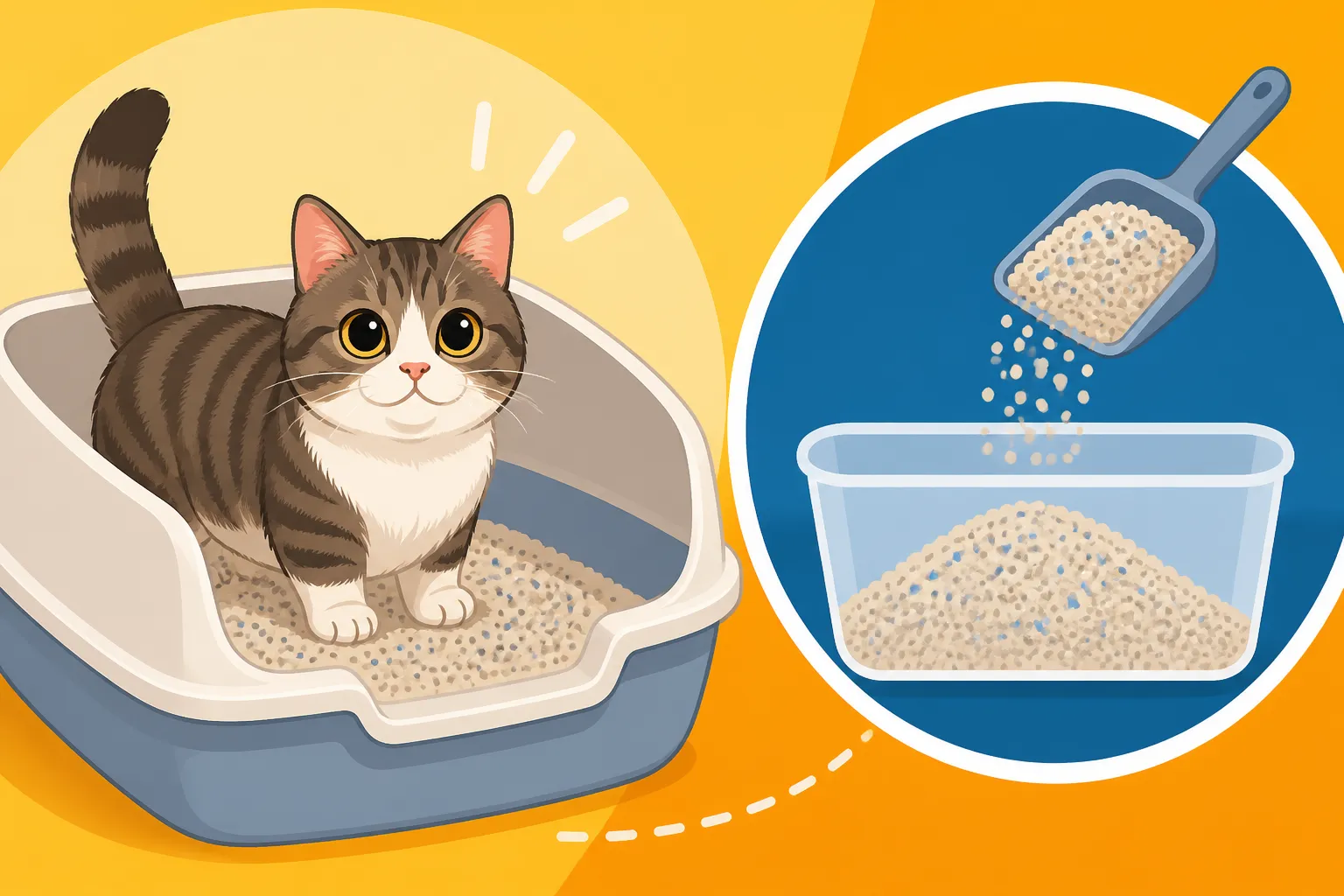
For most low-entry Munchkin litter boxes, an ideal litter depth is typically 2 to 3 inches. This might seem like a small detail, but it makes a huge difference.
- Why 2-3 inches is usually right: This depth allows your Munchkin to comfortably dig, cover their waste, and feel secure, without having to wade through a mountain of litter. It provides enough material for effective clumping (if using clumping litter) and odor absorption. Too little litter (say, less than 2 inches) and their waste might not be adequately covered, leading to hygiene issues and odors. It can also feel less natural for a cat to dig in shallow litter, making them less inclined to use the box properly.
- The problem with too little: If the litter layer is too thin, urine can quickly reach the bottom of the tray, creating sticky messes that are incredibly difficult to clean. This not only makes scooping a chore but also leaves residual odors, even after cleaning, which can deter your Munchkin from using that box. No cat likes a dirty potty, and a Munchkin is no different.
- The problem with too much: On the flip side, overfilling a low-entry box can also cause problems. A box with 4-5 inches of litter can become very heavy, making it cumbersome to move for cleaning. More importantly, it increases the likelihood of litter being tracked out of the box significantly, as your Munchkin steps out of a deeper pile. Also, with their low stature, Why a Munchkin's Belly Nearly Touches the Floor, too much litter can actually make them feel less stable, and the weight of the litter itself adds to the overall burden on their short legs when digging. It can also mean that their belly brushes against the litter more frequently, potentially leading to tracking of litter particles onto their fur, especially with certain types of litter. For a deeper dive, check out How Deep a Munchkin's Litter Should Be.
How Box Design and Litter Type Impact Usage
The design of your low-entry box and the type of litter you choose aren't isolated decisions; they work together to determine how much litter you'll actually use and how effectively it will function.
Low-entry boxes often have a larger footprint than a standard box to compensate for their reduced height, meaning you might end up using a similar total volume of litter over time, even with a shallower depth. An open, low-entry box allows for excellent air circulation, which can help with odor control, but it also means more exposure for the litter. Hooded low-entry boxes, while offering more privacy, can sometimes trap odors if not cleaned diligently, requiring more frequent scooping regardless of litter type.
The type of litter you use is paramount.
- Clumping vs. Non-Clumping: Clumping litter, typically made of bentonite clay, forms solid clumps when wet, making it easy to scoop out urine and solid waste. This means you only remove the soiled portions, and top up the box, leading to less frequent full litter changes. This can be more economical in the long run and helps maintain a consistent depth of clean litter. Non-clumping litter, on the other hand, absorbs urine but doesn't clump, meaning the entire box needs to be emptied and refilled much more frequently (often weekly) to maintain hygiene and odor control. This can lead to higher litter consumption over time.
- Fine vs. Coarse Litter: Fine-grained litters (like many clumping clay litters) are often preferred by cats for their soft texture on paws and their ability to clump tightly. However, this fine texture also makes them more prone to tracking out of the low-entry box. More critically for Munchkins, the fine particles can stick to their low-slung bellies and hindquarters, requiring more grooming from you. This is a common issue owners face, as detailed in Which Litter Sticks to a Munchkin's Belly. Coarser litters, such as larger clay granules or wood pellets, track less and are less likely to cling to fur, but some cats might find them less comfortable underfoot. You might find a good selection of various litter types, from traditional clay to more eco-friendly options, on sites like Chewy, making it easier to experiment and find what works best for your Munchkin.
Here's a quick comparison of common litter types and their considerations for Munchkins:
| Litter Type | Pros for Munchkins | Cons for Munchkins | Recommended Depth |
|---|---|---|---|
| Clay (Clumping) | Good odor control, easy scooping, firm clumps. | Can be dusty, prone to tracking, heavier to carry on belly fur. | 2-3 inches |
| Clay (Non-Clumping) | Often cheaper, readily available. | Needs frequent full changes, poorer odor control, heavy. | 3-4 inches |
| Silica Gel | Excellent odor control, low dust, less frequent changes. | Can be sharp on paws for some cats, expensive. | 1-2 inches |
| Wood Pellets | Biodegradable, good odor absorption, less tracking. | Disintegrates when wet (can stick to belly), dusty when dry. | 2-3 inches |
| Paper Pellets | Soft on paws, dust-free, biodegradable. | Poor odor control, needs frequent full changes, can get soggy. | 2-3 inches |
Practical Management: Keeping the Litter Box Optimal
Getting the right box and the initial fill is just the beginning. Ongoing management is crucial for maintaining a clean, inviting, and healthy litter environment for your Munchkin. This means consistent daily care and proactive measures to address common Munchkin-specific challenges.
Daily Scooping and Full Litter Changes
For any cat, but especially for a Munchkin, a clean litter box is non-negotiable. Daily scooping is the golden rule. With clumping litter, this involves removing all urine clumps and solid waste at least once, ideally twice, a day. This not only keeps the box fresh but also means you only need to top up the litter as needed, maintaining that optimal 2-3 inch depth. If you have multiple Munchkins or cats, you might find yourself scooping more frequently to prevent any aversion to the box. Each cat ideally needs its own box plus one extra, but with careful daily maintenance, you can sometimes get away with fewer.
Even with diligent daily scooping, a full litter change is essential. For clumping litter, a complete dump, wash, and refill of the box is usually recommended every 3-4 weeks. This prevents a build-up of bacteria, lingering odors, and small, broken-down litter particles that can make the box less appealing. For non-clumping litter, the frequency is much higher – often once a week, or even more, depending on your cat's usage. During these full changes, always scrub the box thoroughly with mild soap and water (avoid harsh chemicals, which can deter your cat), and ensure it's completely dry before adding fresh litter. Investing in a good quality litter scoop and having a dedicated waste bin with a tight lid can make this daily chore much more tolerable.
Tackling Tracking and Belly-Cling
Munchkins, bless their low-rider hearts, are particularly susceptible to tracking litter out of their boxes and, unfortunately, carrying it on their bellies. Because their underside is so close to the ground and they typically dig enthusiastically, litter particles can easily cling to their fur, especially if it's long-haired or particularly fine-grained. We touched on this in Why a Munchkin's Belly Nearly Touches the Floor previously, but it bears repeating: proactive steps are needed.
One of the simplest solutions is a good litter mat placed directly outside the low-entry box. These mats are designed with textured surfaces or grooves that help dislodge litter from paws as your Munchkin exits. There's a wide variety of litter mats available on the market, from simple rubber mats to more elaborate "capture" mats that collect litter, which you can easily find through retailers like Chewy. Beyond mats, consider the litter type itself:
- Larger Pellets: Litters with larger, heavier pellets (like some wood, paper, or even certain clay litters) tend to track less than very fine-grained options.
- Low-Dust Formulas: Opting for low-dust litter can also help, as tiny dust particles are notorious for clinging to fur.
Regular grooming of your Munchkin's hindquarters and belly is also crucial. A soft brush or comb, used daily or every other day, can remove any clinging litter or prevent mats from forming, which can be particularly nasty on their low bellies. You can explore Why a Munchkin's Belly Needs Checking Weekly for more comprehensive grooming advice tailored to their unique needs. Some owners even opt for a regular "sanitary clip" around the hindquarters to keep this area extra clean and prevent litter or waste from adhering. This might be something your vet or a professional groomer can assist with, especially if your Munchkin isn't keen on being brushed in that area.
Cost Considerations and Long-Term Care
Litter, while seemingly a minor expense, is an ongoing cost that definitely adds up. Understanding its financial impact, alongside the broader picture of your Munchkin's well-being, is part of responsible pet ownership.
Budgeting for Litter: It Adds Up!
When you consider the initial purchase of a low-entry litter box (or several, if you follow the "one per cat plus one" rule), plus the continuous supply of litter, it becomes clear that this is a significant recurring expense. A typical household with one Munchkin using clumping litter at an ideal depth of 2-3 inches might go through 20-40 pounds of litter per month, depending on the brand, box size, and scooping frequency. For multi-cat households, this doubles or triples.
Here’s a rough idea of how costs can vary:
| Litter Type | Average Monthly Use (1 Cat) | Cost Factor | Notes |
|---|---|---|---|
| Clumping Clay | 20-30 lbs | Medium | Good balance of cost and performance; less frequent full changes. |
| Non-Clumping Clay | 40-60 lbs | Low | Cheaper per bag but used more quickly due to frequent full changes. |
| Silica Gel | 5-10 lbs | High | Expensive upfront, but lasts longer, reducing change frequency. |
| Wood/Paper Pellets | 30-50 lbs | Medium-High | Environmentally friendly, but volume used can be significant. |
To manage these costs, buying litter in bulk can often lead to significant savings. Many online retailers, including Chewy, offer subscription services or bulk discounts that can help alleviate the monthly financial pinch. Experimenting with different brands and types, as long as your Munchkin approves, can also help you find a cost-effective solution without compromising on quality or their comfort. It’s definitely one of those elements where What a Munchkin Owner Regrets Not Budgeting For often includes the sheer volume of litter needed!
Connecting Litter Box Health to Overall Munchkin Wellness
The effort you put into maintaining an optimal litter box setup isn't just about a clean home; it directly impacts your Munchkin's overall health and well-being. A cat that avoids its litter box due to discomfort or pain can quickly develop behavioral issues, which are often a sign of underlying stress or physical problems.
For example, if an older Munchkin starts having trouble climbing into its box, even a low-entry one, it could be a sign of developing arthritis or other mobility issues. Caring for an Old Munchkin That Has Stopped Climbing becomes incredibly relevant here, as adjusting litter box height or adding a very shallow ramp becomes paramount. An overweight Munchkin will find any entry and exit more difficult, putting extra strain on their joints and spine, reinforcing Why an Overweight Munchkin Is in Real Trouble and why every aspect of their care, including litter box access, must be optimized.
Furthermore, poor litter hygiene, such as too little litter leading to a wet, sticky mess, can cause skin irritation or infections on your Munchkin's low-slung belly and sensitive paw pads. These seemingly minor issues can escalate and require veterinary attention. Regular monitoring of your Munchkin's litter box habits – how often they go, if they strain, the consistency of their waste – is an important early indicator of potential health problems. Any sudden changes should always prompt a call to your veterinarian. While not directly related to litter volume, having pet insurance from a provider like Healthy Paws can give you peace of mind, covering unexpected vet visits for everything from skin infections to more serious mobility issues, ensuring you can always provide the best care without financial stress.
The bottom line is that a well-maintained, accessible litter box is a cornerstone of good Munchkin care. By understanding the right litter depth, choosing appropriate litter, and staying on top of daily cleaning, you ensure your adorable, short-legged companion remains happy, healthy, and comfortable in their home.
Disclaimer
This article is for general informational purposes only and does not constitute professional advice. Laws, prices and regulations vary by location and change over time. Consult a qualified professional for guidance on your specific situation.