Why a Low Center of Gravity Helps a Munchkin Corner
Have you ever watched a normal-legged cat try to navigate a tight turn at full speed, maybe skidding a little as they put their body into it, or perhaps misjudging the angle and bumping into something? It's a common sight in a lively household, and it’s a direct consequence of their body proportions and how they interact with physics. But for Munchkin cat owners, this scenario often plays out a little differently. If you’ve ever wondered why your short-legged companion seems to corner with an almost uncanny precision, darting and weaving through furniture with surprising stability, you're not alone. This guide is all about diving deep into the fascinating physics behind why a Munchkin’s uniquely low center of gravity gives them a remarkable advantage when it comes to sharp turns and agile maneuvers, helping you understand the unique grace of these special felines.
Understanding the Foundation: What is a Cat's Center of Gravity?
Before we zoom in on our adorable short-legged friends, let's talk about what "center of gravity" even means for a cat. It's not just a fancy scientific term; it's fundamental to how every animal moves, jumps, and maintains balance. Without understanding this basic principle, it’s hard to truly appreciate the unique mechanics of a Munchkin.
Defining Center of Gravity in Feline Anatomy
Imagine a point within your cat's body where all its weight seems to be concentrated. That's essentially its center of gravity. For most four-legged animals, this point is typically located somewhere around the middle of their torso, close to their spine, and relatively equidistant from all four limbs. When a cat stands still, its center of gravity is projected down to the ground, usually falling within the base formed by its four paws. As soon as that center of gravity moves outside that base, the cat has to adjust its body, shift its weight, or take a step to avoid falling over. Think of it like balancing a stick: it's easiest to balance it on its end if the weight is evenly distributed along its length and its base is wide. A cat's entire athletic prowess, from those incredible high jumps to their graceful landers, relies on their innate ability to constantly monitor and adjust their center of gravity. They are masters of this intricate balance, even without consciously thinking about it.
The Physics of Balance and Movement in a Standard Cat
For a standard-legged cat, their center of gravity is relatively higher off the ground compared to a Munchkin. This isn't a problem for them at all; it's simply how their anatomy is designed, enabling them to leap onto tall shelves, stretch up a scratching post, and survey their kingdom from impressive heights. When a normal-legged cat wants to change direction quickly – to chase a toy mouse, dodge a playful swat from another cat, or make an abrupt U-turn – they rely on a combination of momentum, muscle power, and a rapid shift of their body weight. They’ll often lean heavily into the turn, using their longer legs to push off the ground, sometimes even lifting an inside paw or dragging an outside one to maintain friction. This leaning is crucial for generating the centripetal force needed to execute the turn without toppling over. It requires a lot of coordination and a strong core. If they're moving extremely fast, you might even see a slight drift or a moment where they look like they're fighting to regain control, especially on slippery surfaces like hardwood or tile. Their higher center of gravity means there's more "leverage" for external forces (like inertia) to try and tip them over, so they have to work harder to counteract that.
The Munchkin's Distinct Advantage: A Naturally Lowered Stance
Now, let's talk about what makes the Munchkin cat so unique in its movement. It all boils down to those famously short legs and the profound effect they have on the cat's overall body mechanics. This isn't just about looking cute; it's about a fundamental difference in how they interact with their environment.
How Pseudoachondroplasia Creates Unique Proportions
The characteristic short legs of a Munchkin cat are the result of a genetic mutation causing pseudoachondroplasia, a form of dwarfism. Unlike some other forms of dwarfism that might affect overall body size or skull structure, the Munchkin mutation primarily impacts the long bones of the limbs. This means that while their legs are significantly shorter, their body length and torso size typically remain that of a normal domestic cat. This is a really important distinction! If you've ever seen a Munchkin, you'll notice their body isn't proportionally tiny; it's just closer to the ground. This creates a very distinct silhouette: a long body perched on remarkably short stilts. The implications for their movement are massive. Their body weight is distributed over a shorter lever system, changing how forces act upon them. You can read more about What Pseudoachondroplasia Does to a Munchkin's Legs to get a deeper understanding of this genetic trait.
The Direct Result: A Lower Center of Gravity
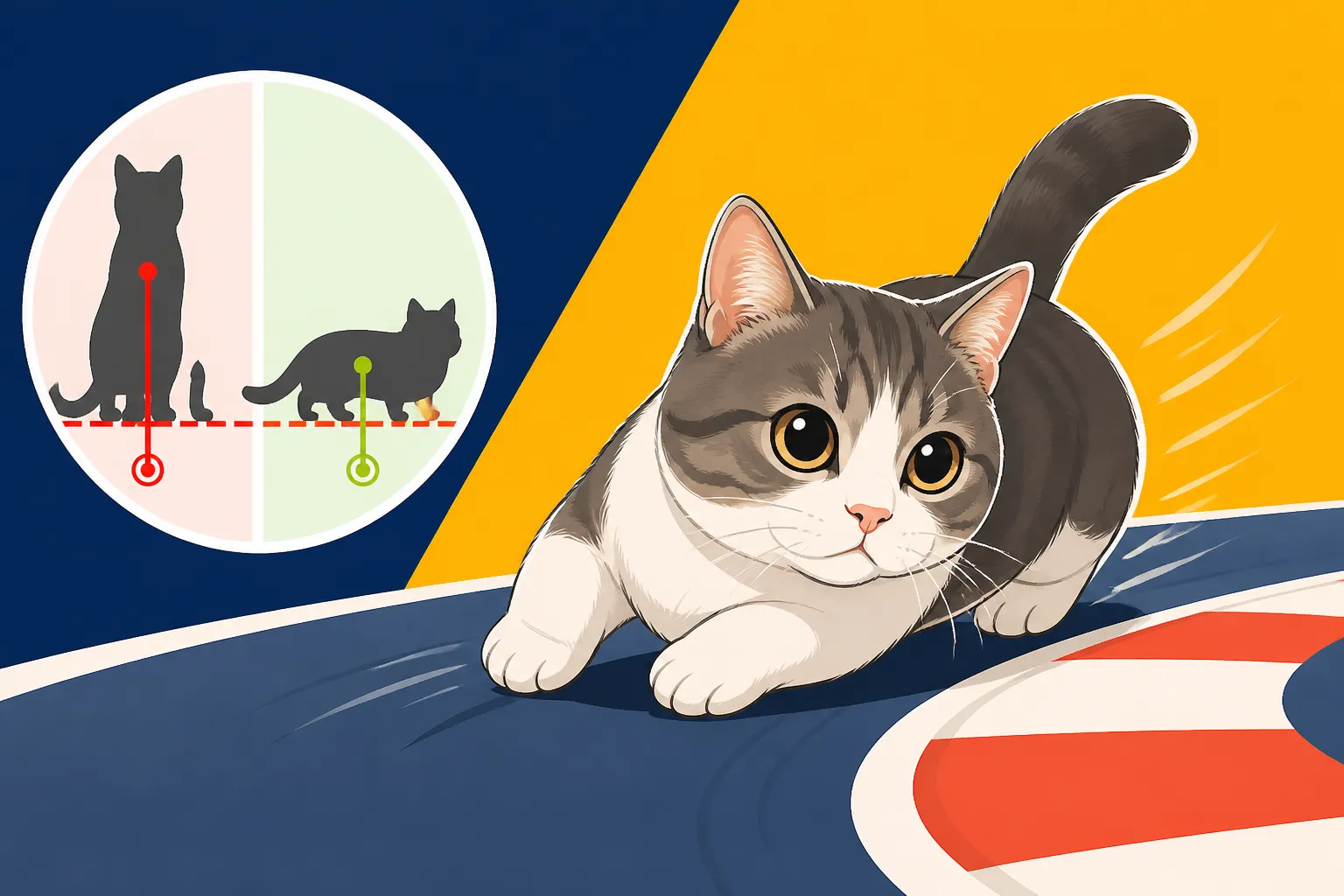
Because a Munchkin's legs are shorter, their entire body sits much closer to the ground. And because their torso itself is a normal size, the "average" point of their mass – their center of gravity – is therefore also positioned significantly lower than in a standard-legged cat. Think of it like comparing a tall, narrow vase to a wide, squat one. The squat vase is inherently more stable because its weight is closer to its base. The same principle applies to the Munchkin. This lowered center of gravity is not just a minor anatomical detail; it's the fundamental reason for many of their unique movement characteristics, especially when it comes to agility and stability during rapid changes in direction. It means they have a much broader base of support relative to their height.
Impact on Stability and Weight Distribution
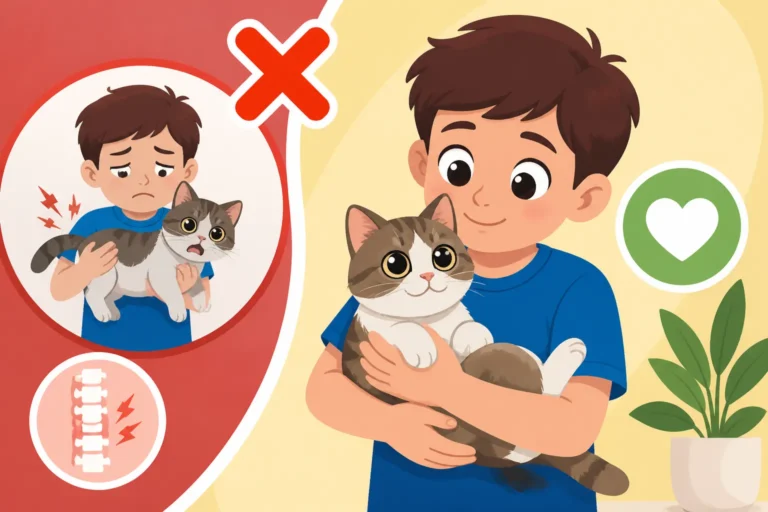
The lowered center of gravity translates directly into enhanced stability. When a Munchkin moves, runs, or tries to stop suddenly, there's less vertical distance for its body to "topple" over. Imagine a force pushing against the side of a cat. For a normal-legged cat, that force acts on a higher point, creating more torque and making them more prone to tipping. For a Munchkin, the same force acts on a lower point, resulting in less tipping force. This means they can withstand lateral forces with greater ease. Their weight is also distributed differently across their limbs during movement. While they still experience the usual pressures on their joints – and Why a Munchkin's Shoulders Wear First is a topic often discussed by vets – their inherent stability helps them to maintain a more even distribution during dynamic actions. This doesn't eliminate all joint stress, of course, but it fundamentally changes the biomechanics of their movement.
Mastering the Turn: The Mechanics of Munchkin Cornering
This is where the rubber meets the road, or rather, where the paws meet the floor! The Munchkin's low center of gravity isn't just about general stability; it's a game-changer when it comes to executing those lightning-fast turns that make them seem to zip across the room.
Harnessing Centripetal Force for Sharp Turns
When any object, including a cat, moves in a curved path, it requires a force directed towards the center of that curve to prevent it from continuing in a straight line. This is called centripetal force. For a cat, this force comes from friction between its paws and the ground, and from the lean of its body. For a normal-legged cat, generating enough centripetal force for a sharp turn means a significant lean and powerful push-offs. But for a Munchkin, their low center of gravity allows them to lean less drastically while still achieving the necessary force. Think about a race car: the lower and wider it is, the faster it can take corners without losing traction or rolling over. A Munchkin essentially has that race car design built-in. Their short legs allow for a wider 'stance' relative to their height, providing a more stable base to pivot around. This means they can initiate and complete turns with less risk of losing balance, making their cornering incredibly efficient and surprisingly agile. You can often observe How a Munchkin Changes Direction at Speed and truly appreciate their natural advantage.
Reduced Roll and Enhanced Traction
One of the biggest advantages of a low center of gravity during cornering is the reduced tendency to "roll." When a cat turns, the momentum tries to carry its body outwards from the curve. A higher center of gravity means more leverage for this outward force to cause the body to tilt or roll. With a Munchkin, that tipping leverage is significantly minimized. Their body stays much flatter to the ground, almost like they're glued to it. This flattened posture during a turn means that all four paws maintain more consistent contact and pressure with the ground, maximizing traction. They aren't lifting or skidding a paw as much because their weight is firmly planted. This enhanced traction allows them to grip the surface better, translating into more control and the ability to execute much tighter turns without sliding or losing speed. It's a key reason why they can navigate cluttered spaces with such confidence.
Agile Footwork and Body Control
Beyond the physics of stability and traction, the Munchkin's short legs contribute to an incredibly agile and precise footwork pattern. Because their legs are shorter, they can take more rapid, smaller steps, allowing for quicker adjustments in direction and speed. Imagine trying to make a tight turn with long stilts versus short, nimble legs. The short legs provide faster recovery and correctional movements. Their normal-sized body, combined with these short, quick-stepping legs, gives them a unique gait that's often described as ferret-like or duck-like. This isn't a slow waddle, however. It’s a rapid, fluid motion that allows them to weave and dart with astonishing speed. Their spine, which is of normal length and flexibility – a fact explored in Why a Munchkin's Spine Is Normal Length – works in conjunction with their low center of gravity, allowing for the twisting and flexing necessary to power through turns and maintain momentum. It's a beautiful synergy of anatomy and physics that results in their distinctive agility.
Everyday Agility: Observing Your Munchkin in Action
If you've spent any time with a Munchkin cat, you've likely witnessed their incredible agility firsthand. It's not just a theoretical advantage; it's something they demonstrate daily, making them incredibly fun and engaging companions.
Weaving Through Obstacles with Ease
One of the most charming and impressive aspects of a Munchkin's movement is their ability to weave through obstacles. Think about your living room: chair legs, coffee tables, toy baskets, maybe even the occasional unsuspecting human foot. A standard cat might try to jump over these things, but a Munchkin often opts to go under or around with fluid, snake-like movements. Their low profile allows them to slink beneath furniture with surprising ease, and their superior cornering capability means they can navigate tight spaces, darting around chair legs and table corners without missing a beat. They don't need to slow down much because they can maintain their balance through the turn. It's a testament to how well their unique anatomy is adapted to navigating a floor-level world. This can be particularly evident during playtime when they're chasing a toy through a maze of furniture.
Surprising Speed in Confined Spaces
Many people, seeing a Munchkin for the first time, might assume they are slow or clumsy due to their short legs. Nothing could be further from the truth! While they may not have the same top-end speed in a straight, open sprint as a long-legged cat, they are incredibly fast in short bursts and in confined, obstacle-filled environments. This is where their low center of gravity and superior cornering ability truly shine. When a game of chase begins in a hallway or around a kitchen island, a Munchkin can often outmaneuver a normal-legged cat simply because they can take those sharp turns faster and with less energy expenditure. They can accelerate quickly out of a turn, maintaining their momentum, which gives them a significant advantage. This surprising burst of speed is often what prompts people to remark on How Fast a Munchkin Runs on Level Ground.
The "Ferret-Like" Movement Explained
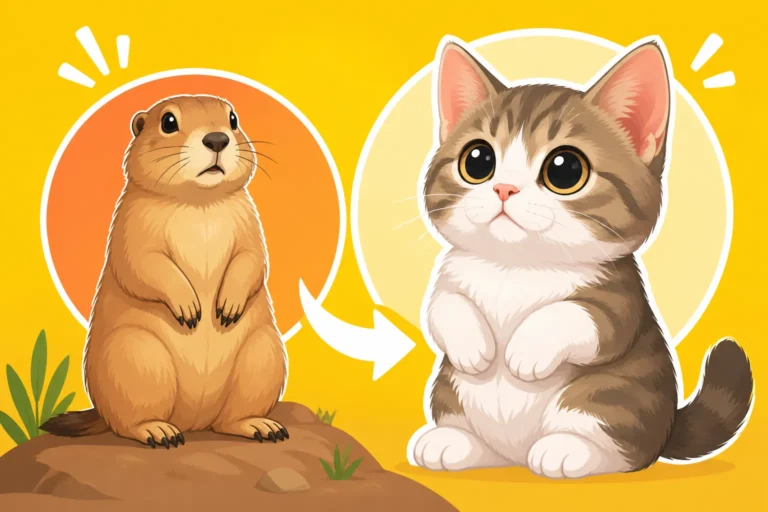
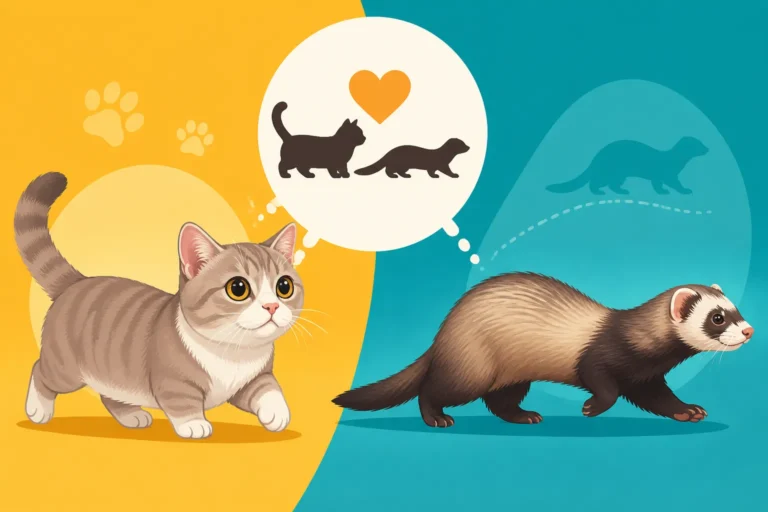
You'll often hear Munchkin owners and breeders describe their cats' movement as "ferret-like" or "weasel-like." This isn't just a whimsical comparison; it's a precise observation of their unique gait and agility. Ferrets and weasels are known for their long, low bodies and incredible flexibility, allowing them to slink through tight spaces and change direction on a dime. A Munchkin, with its normal-length spine and short legs, mimics this movement beautifully. Their low center of gravity allows them to hug the ground, almost flowing over it rather than running above it. When they turn, their body dips and curves in a way that allows them to maintain that low profile, leveraging their stability to pivot quickly. This distinctive movement is a clear illustration of Why a Munchkin Moves Like a Ferret and how their unique body plan dictates their graceful, agile interactions with the world around them.
Supporting Your Agile Friend: Environmental Adaptations
While Munchkins are naturally agile on the flat, their unique physique means that a little help from their human companions goes a long way. Creating an environment that supports their natural abilities and compensates for their limitations is key to their well-being and continued zest for life.
Creating a "Munchkin-Friendly" Indoor Landscape
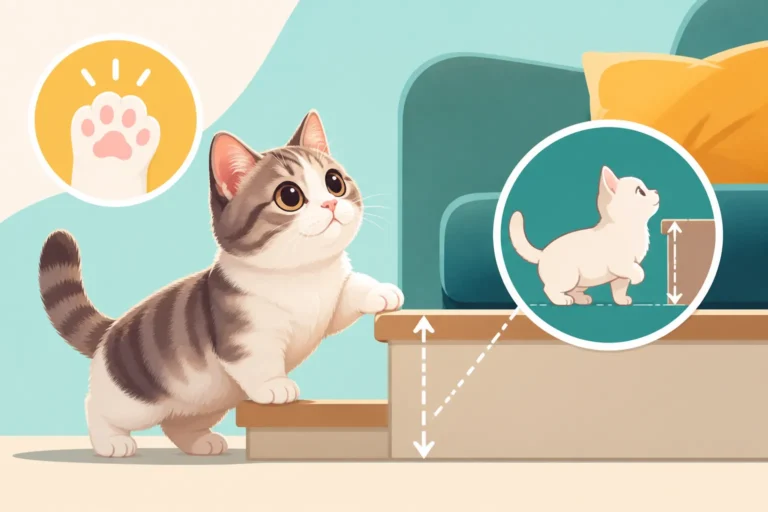
You might not need to renovate your entire house, but thoughtful adjustments can make a world of difference for your short-legged friend. The goal is to provide easy access to all the places a cat naturally wants to go, without requiring jumps that could strain their joints or risk injury. Ramps and steps are your Munchkin's best friends. Think about areas like your sofa, bed, or a favorite windowsill. Instead of letting them repeatedly attempt risky jumps, provide a carpeted ramp or a set of pet stairs. You can find many excellent options on Amazon, designed for small dogs or senior cats, which work perfectly for Munchkins. Ensuring that litter boxes have low entry points is also crucial, so they can easily walk in and out without straining their back or hips. A standard tall-sided litter box can become a real barrier over time, leading to accidents outside the box. Consider investing in a senior cat litter box, which often has a very low front lip. For more ideas on how to make your home accessible, you should check out How to Set Up Ramps Around a Munchkin's House.
Maintaining Optimal Health for Sustained Agility
A Munchkin's agility, while impressive, relies on good overall health, especially strong and healthy joints. Because their short legs bear the weight of a normal-sized body, their joints, particularly in their shoulders and elbows, can experience more stress over time. This is why weight management is absolutely paramount for a Munchkin. Even a little extra weight can put significant strain on those small joints and their spine, potentially accelerating the onset of conditions like arthritis. Weighed meals are often a better approach than free-feeding, and your vet can help you determine How Much Weight a Munchkin Can Safely Carry. Regular, appropriate exercise, primarily through floor-level play, helps keep their muscles strong without putting undue stress on their legs. Some owners also choose to incorporate joint supplements into their Munchkin's diet, a topic well worth exploring in Which Joint Supplements Suit a Munchkin. Always consult your vet before starting any new supplements.
The Role of Play and Enrichment in Promoting Movement
Munchkins are playful, curious cats, and providing them with appropriate enrichment is vital for their physical and mental well-being. Their love for zipping around and exploring needs outlets that align with their physical capabilities. Floor-level toys are ideal – think wand toys that drag along the ground, rolling balls, or puzzle feeders that don't require high reaches. Cat trees designed with closely spaced platforms or built-in ramps are far more suitable than tall, multi-level structures designed for long-legged climbers. You can often find such adapted cat furniture or ramps on Amazon as well. The goal is to encourage their natural hunting and playing instincts while ensuring they can move safely and confidently. Interactive play sessions help them utilize their fantastic cornering abilities, keep their muscles toned, and maintain a healthy weight. Remember, a happy Munchkin is an active Munchkin, and fostering their playful spirit is one of the best ways to support their unique agility. For more specific play ideas, consider reading What Floor Level Play a Munchkin Needs.
Munchkin Agility Compared: Why Their Low Stance is Unique
It's tempting to think that all cats are equally agile, but the Munchkin's specific biomechanics truly set them apart in certain areas of movement. Understanding these differences can further highlight just how special their cornering ability is.
How a Normal Cat Corners Versus a Munchkin
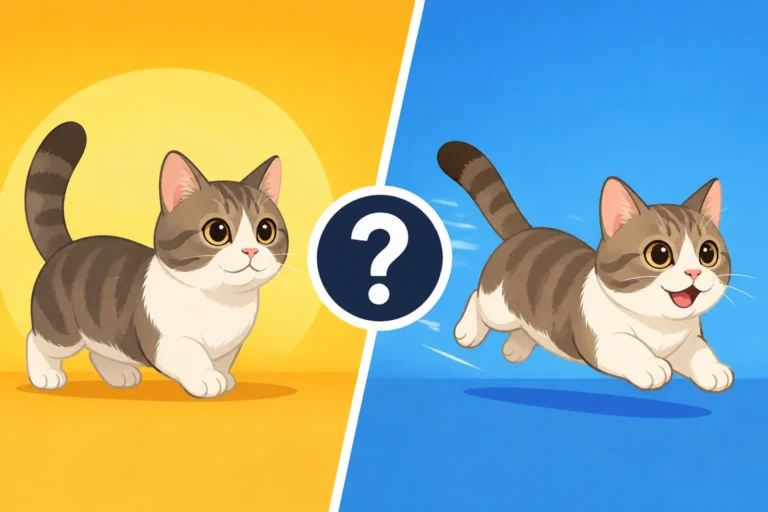
When a standard-legged cat wants to make a sharp turn, they typically engage in a more pronounced lean, almost throwing their body into the curve. Their longer legs provide powerful leverage to push off and propel them through the turn, and they often use their tail as a counterbalance, whipping it around to help them maintain equilibrium. Their higher center of gravity means that there's a greater risk of "overshoot" or a slight wobble as they shift their weight. They might lift an inside paw or even take a slightly wider arc to maintain control, especially if the surface isn't perfectly grippy.
A Munchkin, on the other hand, approaches cornering with a different strategy, thanks to that low center of gravity. They don't need to lean as much, because their inherent stability minimizes the tipping forces. Instead, they can maintain a more level body plane, allowing all four paws to stay in better contact with the ground. Their movements are less about powerful propulsion and more about quick, precise foot placement and fluid body articulation, almost like a miniature, ground-hugging tank. This reduced body roll means they can execute turns in a tighter radius with less effort, making their path appear smoother and more controlled. It's truly like comparing a sports car with a low chassis to an SUV with a higher one; both can turn, but one is designed for sharper, more stable maneuvers.
Other Short-Legged Breeds and Similarities
While the Munchkin is the foundational short-legged breed, many other fascinating breeds have been developed by crossing Munchkins with other cat types. These "Munchkin hybrids" often share the characteristic short legs and, by extension, many of the same advantages in terms of a low center of gravity and enhanced stability. Breeds like the Minuet (Munchkin x Persian/Himalayan), the Bambino (Munchkin x Sphynx), or the Kinkalow (Munchkin x American Curl) all inherit the pseudoachondroplasia gene.
Therefore, owners of these hybrid breeds will likely observe similar cornering capabilities and ferret-like movements in their cats. The core genetic trait that lowers the center of gravity is present across these breeds, granting them comparable agility on the flat. However, it's crucial to remember that each hybrid breed also inherits traits from its other parent breed, which might introduce different considerations for overall health and movement. For example, a Bambino's lack of fur might impact its preferred surfaces or sensitivity to cold, while a Minuet's longer coat might require more grooming, even on its hindquarters that are close to the ground. Regardless of the cross, the principle of a low center of gravity enhancing cornering remains a consistent and delightful trait among all short-legged felines.
| Feature | Standard-Legged Cat | Munchkin Cat |
|---|---|---|
| Center of Gravity | Higher off the ground | Significantly lower, closer to the ground |
| Cornering Strategy | More pronounced lean, powerful push-off, tail for balance | Less lean needed, tighter turns, fluid body articulation |
| Body Roll During Turn | More susceptible to outward roll | Minimized body roll, body stays flatter to the ground |
| Foot Contact/Traction | May lift inside paw or skid, variable ground contact | More consistent four-paw contact, enhanced traction |
| Agility in Obstacles | Jumps over, or navigates with wider turns | Weaves under and around with ease, tighter turns |
| Movement Description | Agile, graceful leapers | "Ferret-like," "weasel-like," fluid, ground-hugging |
| Risk of Tipping | Higher leverage for external forces to cause tipping | Lower leverage, greater inherent stability against tipping |
Disclaimer
This article is for general informational purposes only and does not constitute professional advice. Laws, prices and regulations vary by location and change over time. Consult a qualified professional for guidance on your specific situation.