Whether a Second Cat Helps or Bullies a Munchkin
Bringing a second cat into a household where a Munchkin cat already lives can feel like a delicate balancing act. On one hand, you want your beloved short-legged companion to have a friend, someone to share their days with and alleviate any loneliness. On the other, the distinct physical differences of a Munchkin can make you worry about them being picked on, outmaneuvered, or simply unable to hold their own against a taller, more agile feline. This guide will help you understand the dynamics at play and how to create a harmonious home for all your feline family members.
Understanding the Munchkin's Physical Differences in Social Dynamics
The very characteristic that makes Munchkins so endearing – their short legs – also profoundly shapes their world and, by extension, their interactions with other cats. It's not just about aesthetics; it's about how they move, how they play, and how they navigate their environment, which all play a role in their social dynamics.
The Impact of Short Legs on Play and Defense
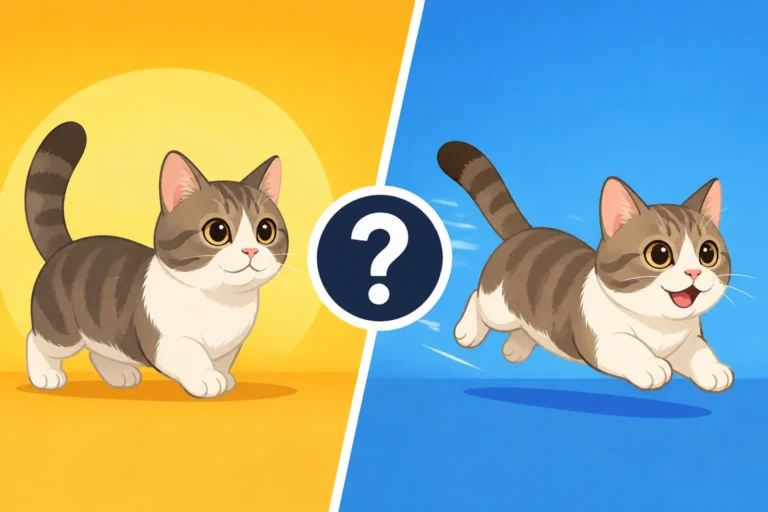
Imagine trying to play tag or wrestle with someone who has significantly longer limbs and a higher center of gravity than you. That's often the reality for a Munchkin cat. While they are surprisingly agile and fast on flat ground, their low stature means they can't always engage in typical cat play in the same way. A taller cat might pounce from above, or use their longer legs to bat at a Munchkin from a distance, which can be perceived as an unfair advantage.
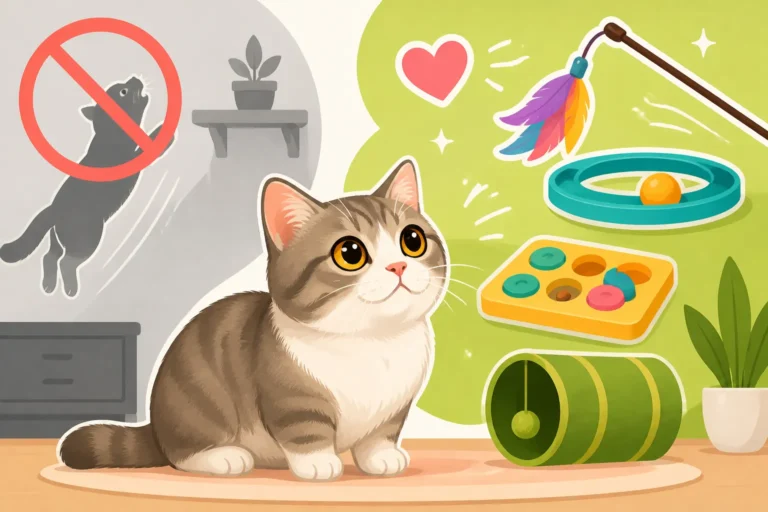
In a play scenario, a normal-legged cat might easily bat at a toy hanging from a doorway or swat at a laser pointer dot high on a wall. A Munchkin, however, is often confined to floor-level play. This isn't to say they don't enjoy play—they absolutely do! They just have a different style. They might dart quickly, duck under furniture, or engage in more ground-based wrestling. The issue arises when the play styles don't match, or if the taller cat doesn't understand these limitations, potentially leading to frustration or unintended roughhousing. Moreover, in a defensive situation, a Munchkin's ability to quickly pivot or dart away can be a strength, but they lack the option of getting high up to escape. A Munchkin Is a Normal Cat That Cannot Reach many elevated places, which limits their defensive strategies significantly.
Communication Challenges at Different Heights
Cats communicate a lot through body language, and height can play a subtle but important role. A taller cat standing over a Munchkin can, even unintentionally, convey dominance or intimidation. For a Munchkin, constantly looking up at another cat might create a sense of vulnerability or unease. Think of how humans might feel intimidated by someone much taller. While cats don't interpret things exactly like us, the physical disparity can impact their confidence and willingness to engage in certain interactions.
Beyond physical posture, a Munchkin's voice might get lost if they're trying to communicate from a low vantage point, especially if the other cat is focused on something higher up. While cats are incredibly adaptable, these small, consistent differences in physical interaction can build up over time, potentially affecting the perceived social hierarchy and the Munchkin's comfort level within the home. It requires owners to be extra observant, acting as interpreters and advocates for their short-legged friends.
Limited Escape Routes: Why High Ground Matters
One of the most fundamental safety mechanisms for any cat, especially when feeling threatened or overwhelmed, is the ability to escape to higher ground. This might be a tall cat tree, a shelf, or the top of a cabinet. These elevated perches offer a sense of security and a clear vantage point, allowing a cat to observe without being directly involved. For a Munchkin, these essential escape routes are often out of reach.
A Munchkin's jumping ability is significantly limited. How High a Munchkin Can Actually Jump is usually much less than a standard cat, often only managing to hop onto a low sofa or chair with effort. This means that if they feel intimidated or bullied by a taller cat, their primary escape options are limited to darting under furniture or finding another ground-level hiding spot. While these offer concealment, they don't provide the psychological safety or physical barrier that height does. This lack of vertical escape can make a Munchkin feel trapped or cornered in confrontations, escalating stress and potentially leading to more intense fear responses.
Potential for Bullying: The Hard Truth
It's a difficult topic to discuss, but the potential for bullying is a very real concern when pairing a Munchkin with a normal-legged cat. While not every pairing results in conflict, the physical differences do create an imbalance that can, unfortunately, be exploited.
Recognizing Signs of Aggression from a Taller Cat
Bullying in cats isn't always overt fighting. It can manifest in subtle, insidious ways that chip away at a Munchkin's confidence and quality of life. Keep an eye out for these signs from the taller cat:
- Blocking access: Is the taller cat preventing the Munchkin from reaching food bowls, litter boxes, or favored resting spots? This might look like standing guard or deliberately placing themselves between the Munchkin and a resource.
- Persistent staring or stalking: If the taller cat frequently fixes an intense gaze on the Munchkin, or stalks them even during non-playtime, it can be a sign of intimidation.
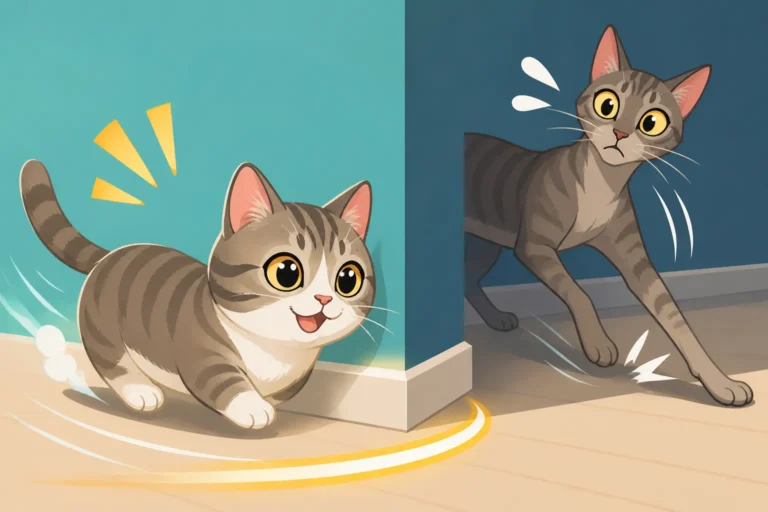
- Ambushing or cornering: Does the taller cat repeatedly surprise the Munchkin, especially in tight spaces where the Munchkin can't easily escape?
- Excessive swatting or batting: While some swatting is normal in play, if it's consistently one-sided, accompanied by hissing, growling, or flattened ears from the Munchkin, it's a problem.
- Resource guarding: The taller cat might claim prime sleeping spots, toys, or even your lap, actively displacing the Munchkin.
These behaviors, even without physical injury, create a stressful environment for your Munchkin. The Munchkin's physical limitations make them Why a Munchkin Cannot Escape a Confrontation easily, magnifying the impact of these intimidating behaviors.
The Danger of Being Pinned or Cornered
For a short-legged cat, being physically overpowered is a significant risk. A taller cat can easily pin a Munchkin, preventing them from moving. While a normal-legged cat might be able to twist, squirm, or use their powerful hind legs to push off an aggressor, a Munchkin’s shorter limbs and lower ground clearance make these evasive maneuvers much harder.
Imagine your Munchkin being held down or repeatedly ambushed in a narrow hallway or under a piece of furniture where their agility is compromised. Not only is this terrifying for the Munchkin, but sustained physical pressure or confinement can also cause injury, especially to their spine or ribs, which are already under unique stress due to their conformation. This is why vigilance is key. Why a Munchkin Has to Be Protected From Children and Dogs is a similar concern; any animal with a significant physical advantage can pose a threat if not properly managed.
Psychological Stress and Its Effects
Beyond physical harm, persistent bullying takes a severe psychological toll on any cat, and especially on a vulnerable Munchkin. A stressed cat might become withdrawn, hide more often, or show changes in appetite or litter box habits. They might develop anxiety-related behaviors like over-grooming or spraying.
This constant state of alert can diminish their quality of life, making them fearful in their own home. It can also suppress their immune system, making them more susceptible to illness. A Munchkin that is constantly on edge, always looking over its shoulder, is not a happy cat. It's our responsibility as their guardians to ensure their home is a sanctuary, not a battleground. If you notice your Munchkin becoming unusually quiet, avoiding common areas, or exhibiting any signs of stress, it's a red flag that their social environment might be the cause.
The Benefits of Companionship: When a Second Cat Does Help
Despite the potential pitfalls, a second cat can absolutely be a wonderful addition to a Munchkin's life, offering companionship and enrichment that we, as humans, cannot always provide. The key lies in careful selection and thoughtful introduction.
Providing Mental Stimulation and Reducing Loneliness
For many cats, especially those living indoors, a companion can offer invaluable mental stimulation. Cats are naturally social creatures, even if their social structures differ from ours. A compatible feline friend can provide endless opportunities for gentle play, mutual grooming, and simply existing together in quiet companionship. This is particularly true if your Munchkin is an only cat and you're away from home for long periods.
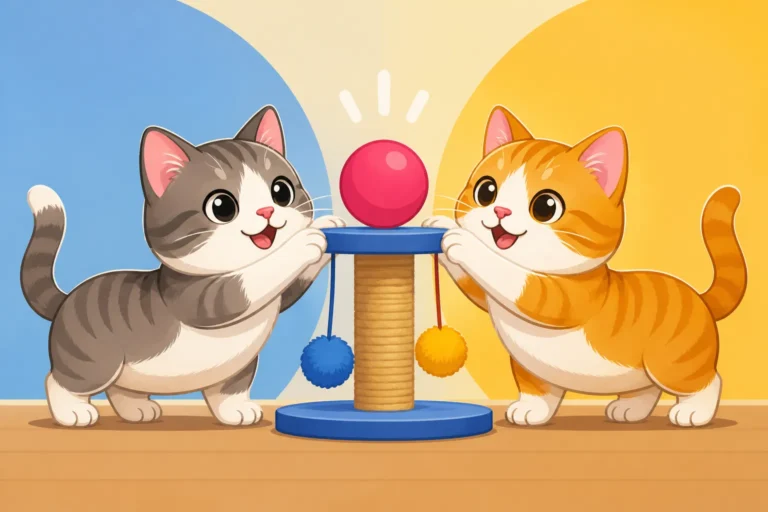
A well-matched companion can alleviate boredom and loneliness, keeping your Munchkin more engaged and active. They might chase each other around at floor level, stalk toys together, or simply nap in the same sunbeam. These shared experiences enrich a Munchkin's life, helping them feel part of a mini-pride. It's about finding that synergy, where two cats genuinely enjoy each other's presence without one dominating the other.
Gentle Play and Mutual Grooming Opportunities
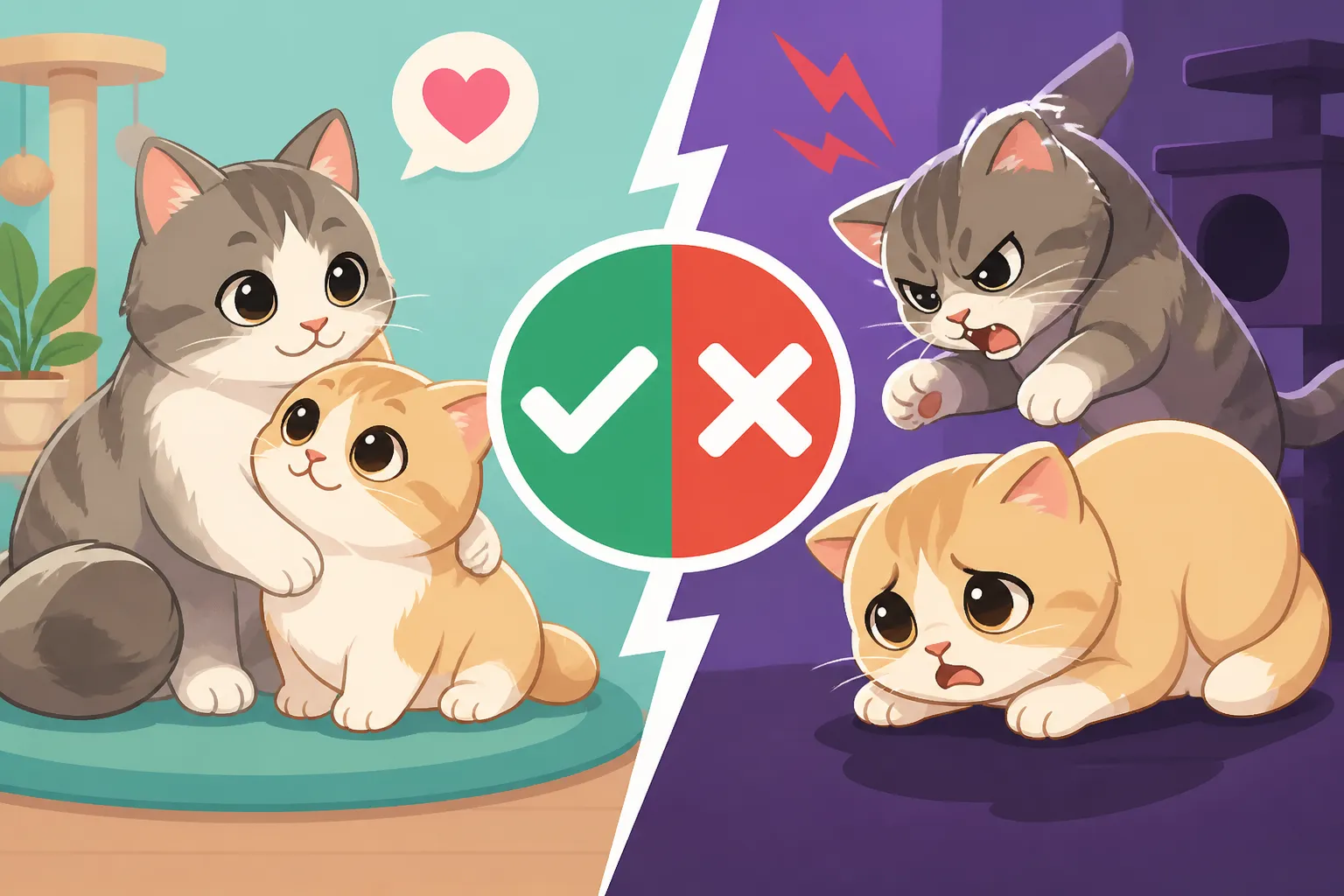
When personalities align, a second cat can be the perfect playmate. This means playful swatting, soft pouncing, and chasing games that don't involve aggressive pinning or intimidation. A compatible taller cat might instinctively lower themselves to the Munchkin's level during play, or even lie down to bat at a toy, creating a more equitable play dynamic. These interactions are crucial for a cat's physical and mental well-being, providing an outlet for their natural instincts.
Beyond play, mutual grooming is a beautiful sign of feline bonding. Seeing two cats groom each other's heads or backs is a clear indicator of trust and affection. For a Munchkin, with its unique grooming challenges—they can't reach all parts of their back or hindquarters easily—a caring companion could even assist, though this is rare and shouldn't be relied upon for primary grooming. Still, the act of mutual grooming builds social bonds and demonstrates a deep level of comfort between the two animals.
The Role of a Calm, Compatible Personality
The success of a multi-cat household with a Munchkin hinges almost entirely on personality. An ideal companion for a Munchkin is a cat with a naturally calm, gentle, and tolerant disposition. An older, placid cat who is past their boisterous kitten phase, or a very laid-back, introverted cat, might be a perfect match. These cats are less likely to engage in rough play or aggressive displays of dominance.
Conversely, a high-energy, territorial, or overly dominant cat would likely be a poor choice, regardless of breed. When seeking a companion, spend time observing their temperament. Do they seem content with quiet companionship? Are they easily agitated? Do they show respect for other animals' space? A cat that thrives on gentle interaction and doesn't feel the need to assert physical dominance will be the best friend a Munchkin could ask for.
Choosing the Right Companion: Key Considerations
Selecting the right second cat for a Munchkin isn't something to rush. It requires thoughtful consideration of several factors to maximize the chances of a peaceful and happy cohabitation.
Temperament Match: More Crucial Than Ever
As touched upon, temperament is paramount. You're looking for a cat that embodies patience, gentleness, and a non-confrontational nature. Avoid cats that are known for being overly dominant, intensely playful (in a rough way), or easily stressed in new situations. A cat that is comfortable sharing resources and space, and doesn't feel the need to establish a strict hierarchy through physical means, is ideal.
Consider the energy levels. If your Munchkin is a laid-back couch potato, a high-octane kitten might be overwhelming. Conversely, if your Munchkin is still quite playful on the floor, a slightly older, equally playful but gentle cat might be a great fit. Observing the potential companion in their current environment can give you clues. Does it interact well with other cats of varying sizes? Does it initiate play gently or aggressively? This is where a reputable rescue or breeder can provide valuable insight into a cat's individual personality.
Age and Energy Levels: Finding a Playmate, Not a Predator
The age and energy levels of the prospective companion are critical.
- Kittens: While undeniably cute, a very young kitten (under 6-8 months) can be a double-edged sword. On one hand, they are often more adaptable and accepting. On the other, they can be bundles of boundless, sometimes clumsy, energy. A kitten might inadvertently play too rough, or pounce on the Munchkin without understanding its physical limitations, causing stress or even injury. It's crucial that any kitten introduced is exceptionally gentle and that you're prepared to supervise closely and intervene if play becomes too boisterous.
- Adolescent/Young Adult Cats: These cats can be tricky. They often have high energy levels and are still figuring out their place in the world. Many might still enjoy rough-and-tumble play that a Munchkin cannot safely engage in. Unless their temperament is exceptionally calm, it might be best to avoid this age group.
- Mature/Senior Cats: Often, an older, more sedate cat makes an excellent companion. They are typically less interested in rough play, more content with quiet companionship, and their energy levels are more aligned with the floor-level activities a Munchkin enjoys. They've usually "been there, done that" when it comes to establishing social pecking orders and are more likely to just want a peaceful life.
Size and Weight: Minimizing Physical Disparity
While temperament is key, physical size and weight do matter. A significantly larger or heavier cat, even if gentle, could accidentally injure a Munchkin during play or if they fall on them. It's not about malice, but simply physics. Aim for a companion cat that is of a similar moderate size to a Munchkin (which usually falls within the standard domestic cat range, just with shorter legs) or perhaps even slightly smaller, if possible, to minimize any accidental physical threat.
Avoiding breeds known for their large size or overly robust play styles can be beneficial. A sleek, medium-sized domestic shorthair with a known placid personality would likely be a better choice than, say, a very large Maine Coon or a high-energy Bengal. The goal is to minimize any inherent physical advantage that could lead to accidental harm or intimidation.
Here's a quick comparison table:
| Trait | Good Companion for a Munchkin | Less Suitable Companion for a Munchkin |
|---|---|---|
| Temperament | Calm, gentle, patient, non-confrontational | Dominant, easily agitated, highly territorial, aggressive |
| Age | Mature adult (2+ years), senior cat (8+ years) | Very young kitten (under 6 months), boisterous adolescent |
| Energy Level | Low to moderate, prefers gentle play | High energy, enjoys rough-and-tumble games |
| Size/Weight | Similar to moderate domestic cat, or slightly smaller | Significantly larger or heavier than a Munchkin |
| Social History | Known to get along well with other cats | History of bullying or being an "only cat" for a long time |
| Vocalizations | Soft purrs, gentle meows | Frequent loud meows, hissing, growling |
| Confidence | Secure, not easily stressed | Anxious, easily intimidated or overly confident/dominant |
Creating a Harmonious Home: Strategies for Success
Once you've chosen a potential companion, the real work begins: integrating them safely and happily into your Munchkin's world. This isn't just about introducing two cats; it's about setting up an environment where a vulnerable cat can thrive alongside a taller one.
Gradual Introductions and Scent Swapping
Never just throw two cats together and hope for the best, especially when one is a Munchkin. A proper, gradual introduction is crucial to minimize stress and prevent negative first impressions. Start with scent swapping:
- Separate Spaces: Keep the new cat in a separate room initially, with its own food, water, and litter box. This gives both cats time to acclimate to each other's presence through smell alone.
- Scent Swapping: Use a soft cloth or a sock to gently rub each cat's cheeks and sides, then swap the cloths. Place the new cat's scent cloth in the Munchkin's primary area and vice-versa. This helps them get used to each other's smell in a non-threatening way. You can also swap bedding or even switch which cat occupies which room for short periods.
- Visual Introduction: After several days or a week of successful scent swapping (no hissing or growling at the scent), allow brief visual introductions through a cracked door, baby gate, or pet playpen. Keep these sessions short and positive, distracting both cats with treats or toys.
- Supervised Meetings: Gradually increase the time and proximity of their supervised interactions in a neutral territory, always with an escape route for the Munchkin and plenty of positive reinforcement (treats, praise). Never leave them alone until you are absolutely certain they are comfortable and safe together.
Remember, patience is key. Some introductions take weeks, others months. Rushing the process can set back progress significantly.
Providing Ample Escape Routes and Safe Zones
This is perhaps the most critical aspect of creating a harmonious home for a Munchkin alongside a taller cat. Because a Munchkin cannot easily jump to high places, you must re-imagine their environment to provide safe, accessible retreats.
- Low-Level Hiding Spots: Ensure there are plenty of places your Munchkin can duck under or crawl into where the taller cat cannot easily follow or reach. This could include cat cubes, cardboard boxes, low shelves, or spaces under beds and dressers.
- Munchkin-Friendly Vertical Spaces: While a standard cat tree is often Why a Standard Cat Tree Is Useless to a Munchkin, you can adapt your home with ramps and steps. Place sturdy ramps or low pet stairs up to sofas, window sills (if they're low enough), or specially designed cat trees with very close-set, easily accessible platforms. Look for ramps on Amazon that are wide and have a gentle incline, preferably carpeted for grip. Where a Munchkin Most Needs a Step is often near favorite resting spots or windows.
- Designated Safe Rooms: Always ensure the Munchkin has a dedicated room or a section of a room they can retreat to where the other cat cannot follow. This might be a laundry room with a baby gate that the Munchkin can slip under but the taller cat cannot, or a pen with a low entrance. This provides them with a true sanctuary.
Ensuring Fair Access to Resources: Food, Water, and Litter
Resource guarding is a common source of conflict between cats. With a Munchkin, it's doubly important to ensure they have unimpeded access to all their necessities without feeling threatened.
- Multiple Feeding Stations: Place food bowls in several locations, some at floor level for your Munchkin, and others potentially raised if your taller cat prefers that. Consider microchip-activated feeders if one cat tends to steal food from the other. This ensures each cat gets its fair share without competition. Why a Raised Bowl Eases a Munchkin's Shoulders but still needs to be reachable for them.
- Spaced Out Water Bowls: Offer multiple water sources (bowls, fountains) spread throughout the house. Ensure at least one is easily accessible at floor level for your Munchkin, as Why a Munchkin's Water Bowl Should Not Be a Stretch.
- Numerous Litter Boxes: The general rule of thumb is one litter box per cat, plus one extra, scattered throughout the house. For a Munchkin, these must be Which Litter Box a Munchkin Can Actually Enter. Look for low-entry litter boxes (often marketed for senior cats or kittens) on Amazon. This prevents a taller cat from guarding a single box and ensures the Munchkin always has a private, accessible place to relieve themselves. How Many Low Entry Boxes a Munchkin Needs depends on your home layout and the number of cats.
Monitoring and Intervention: Being a Proactive Pet Parent
Even with the best planning, managing a multi-cat household requires ongoing observation and a willingness to intervene when necessary. You are your Munchkin's advocate, and understanding their subtle cues is paramount.
Learning to Read Subtle Body Language Cues
Cats are masters of subtle communication. You need to become fluent in their body language to understand when interactions are healthy and when they're veering into problematic territory.
Look for:
- Munchkin's Cues:
- Flattened ears, wide eyes, crouched posture: Fear or anxiety.
- Tail tucked or thrashing: Distress or agitation.
- Hissing, growling, spitting (even soft ones): Warning signs.
- Attempting to hide or escape: Feeling threatened.
- Avoidance: Constantly moving away from the other cat.
- Self-grooming excessively or suddenly stopping: Stress indicators.
- Taller Cat's Cues:
- Stiff body, direct stare: Dominance or aggression.
- Slow, deliberate approach with low tail: Predatory or intimidating behavior.
- Blocking paths or resources: Resource guarding.
- Piloerection (fur standing up): Arousal, fear, or aggression.
Healthy interactions involve loose body language, mutual grooming, gentle play where roles are exchanged, and shared resting spots. How a Vet Watches a Munchkin Walk can also give clues if they are feeling pain or discomfort that might impact their social interactions.
When to Separate and When to Let Them Resolve
It's a fine line between letting cats work things out and intervening. You should always intervene immediately if:
- There's outright fighting, especially if it involves biting or scratching that could cause injury.
- One cat is consistently bullying the other, preventing access to essential resources, or causing clear signs of distress.
- The Munchkin appears genuinely terrified or injured.
For minor squabbles like a hiss and a quick retreat, or a gentle swat that isn't followed by aggression, you might let them resolve it, but always monitor closely. The goal isn't to prevent all conflict, as some degree of establishing boundaries is natural, but to prevent harm and ensure one cat isn't constantly terrorized.
Intervention can be as simple as a loud clap, redirecting attention with a toy, or physically separating them into different rooms for a "cool-off" period. Never use physical punishment, as this will only damage your bond with both cats and increase their anxiety.
Seeking Professional Help for Persistent Issues
If you've implemented all these strategies and the conflict persists, or if your Munchkin is showing ongoing signs of severe stress or fear, it's time to seek professional help. A Certified Feline Behaviorist can observe your cats in their home environment, identify triggers, and develop a tailored plan to address the issues. They might suggest specific training techniques, environmental modifications, or even discuss anti-anxiety medication if the stress is severe.
Your veterinarian should also be kept in the loop. Persistent stress can lead to health problems, and they can rule out any underlying medical conditions in either cat that might be contributing to behavioral changes. Sometimes, a subtle pain issue in one cat can cause irritability or fear, leading to social problems. Don't hesitate to reach out for expert guidance; ensuring your Munchkin feels safe and happy in its home is paramount. How to Judge a Munchkin's Quality of Life often comes down to their ability to navigate their home and interact comfortably with others.
Disclaimer
This article is for general informational purposes only and does not constitute professional advice. Laws, prices and regulations vary by location and change over time. Consult a qualified professional for guidance on your specific situation.