Why a Munchkin Cannot Climb Out of a Child’s Reach
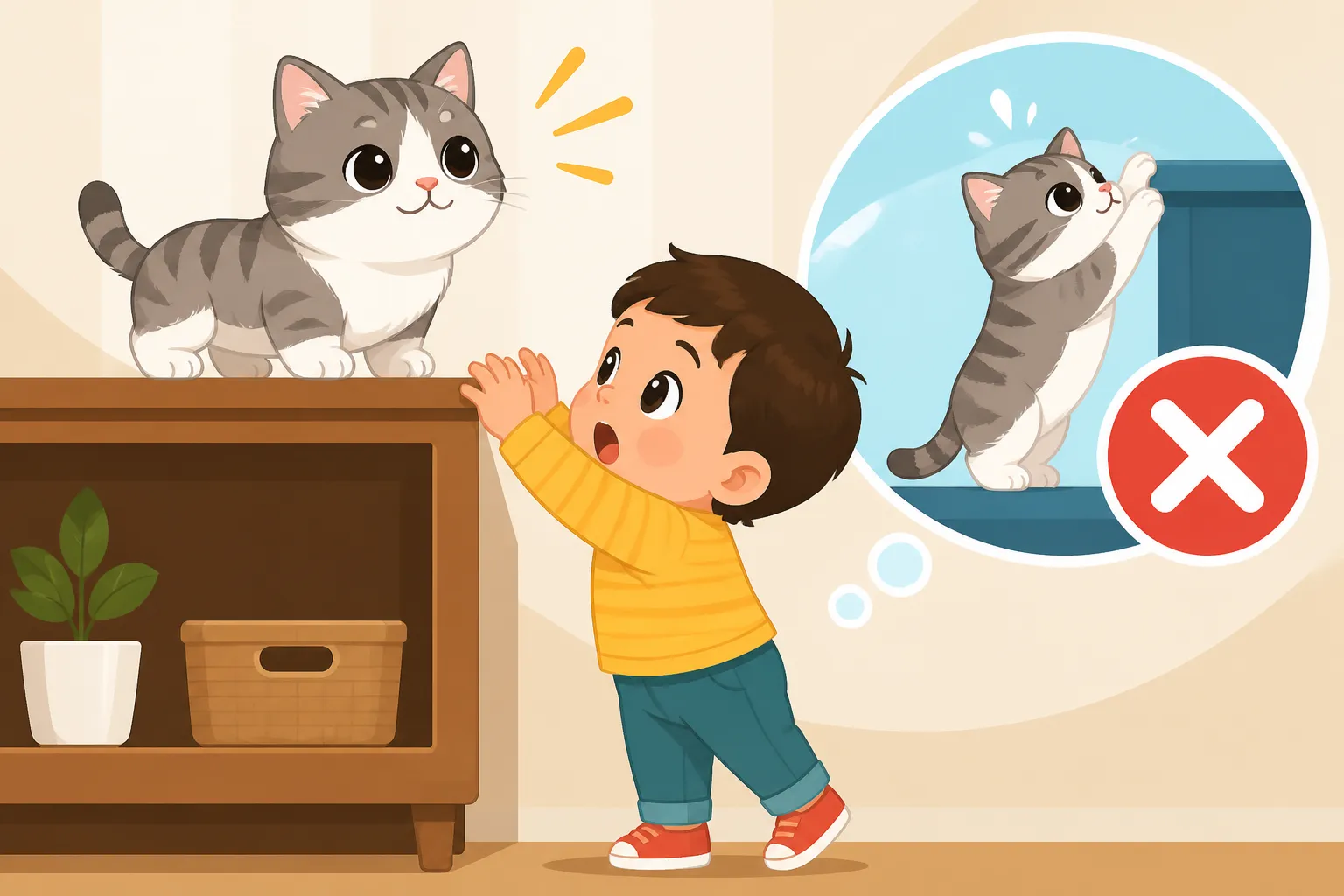
One of the most concerning challenges for families considering a Munchkin cat, especially those with young children, is the stark reality that these adorable short-legged felines simply cannot escape the grasp of an inquisitive toddler or an overenthusiastic child by simply jumping out of reach. Unlike their long-legged counterparts who can effortlessly scale a bookshelf or leap onto a countertop when feeling overwhelmed, Munchkins are physically limited, leaving them vulnerable in situations where a quick vertical retreat is impossible. This guide will delve deep into the unique behavioral and physical aspects of Munchkin cats that make this a critical concern, and offer practical solutions for creating a harmonious and safe home for both your pint-sized feline friend and your little ones.
The Munchkin's Physical Limitations for Escape
It's easy to look at a Munchkin cat and see just another playful, curious feline, but their defining characteristic – those charmingly short legs – comes with a very specific set of physical limitations that dramatically impact their ability to navigate their world, particularly when it comes to self-preservation from a perceived threat like a boisterous child. Understanding these limitations is the first step in ensuring their safety and well-being.
Understanding Short Legs and Jumping Ability
When we talk about a cat's ability to escape a situation, we often picture a swift, elegant leap to a higher perch. For a standard domestic cat, jumping is a primary defense mechanism and a way to survey their territory from a safe vantage point. They can spring several times their height with incredible agility. However, the Munchkin's unique genetics, which give them their distinctive appearance, fundamentally alter this capacity. Their legs, while strong, are simply not designed for the same kind of explosive vertical launch.
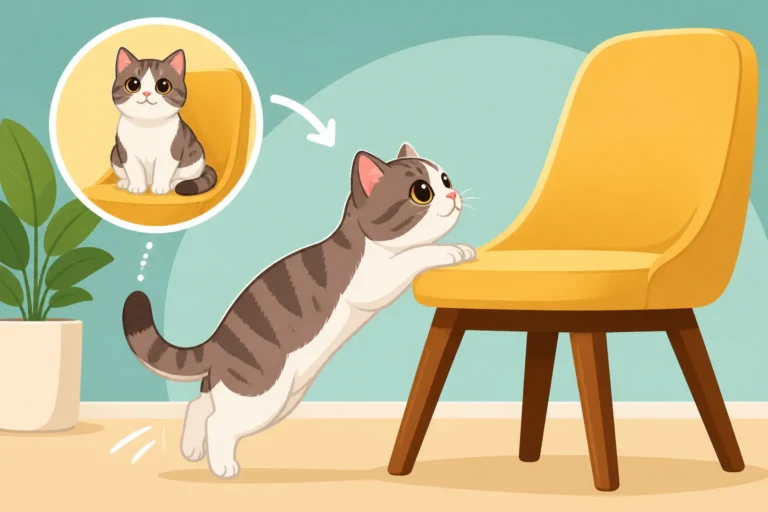
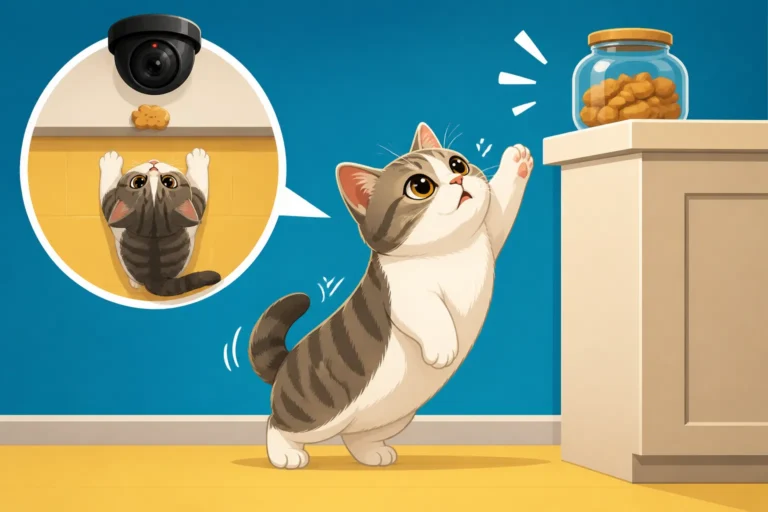
A Munchkin can jump, certainly, but their maximum vertical reach is significantly lower than that of a cat with normal leg length. They might manage to get onto a low chair or a footstool, but the kitchen counter, the top of a dresser, or even a taller armchair can be entirely out of bounds for them. This isn't a matter of training or effort; it's a structural limitation. Their short stature means they lack the leverage and leg length needed to propel themselves upwards to significant heights. When faced with a situation they want to escape, such as a child approaching too quickly or trying to pick them up, their natural instinct to jump to safety is severely hampered. They simply cannot access the vertical escape routes that other cats take for granted. This physical reality means owners must be proactive in managing their environment, as the cat itself cannot rely on jumping to remove itself from a stressful interaction. How High a Munchkin Can Actually Jump further elaborates on their capabilities.
The Lack of Vertical Escape Routes
Think about a typical cat's sanctuary: the top of the refrigerator, a high shelf, a tall cat tree, or even the back of a sofa. These are all places that offer a sense of security, a way to observe without being directly involved, and, most importantly, an escape route from anything on the floor level. For a Munchkin, many of these traditional cat havens are simply inaccessible. A cat tree designed for a typical feline often has platforms spaced too far apart for a Munchkin to comfortably or safely ascend.
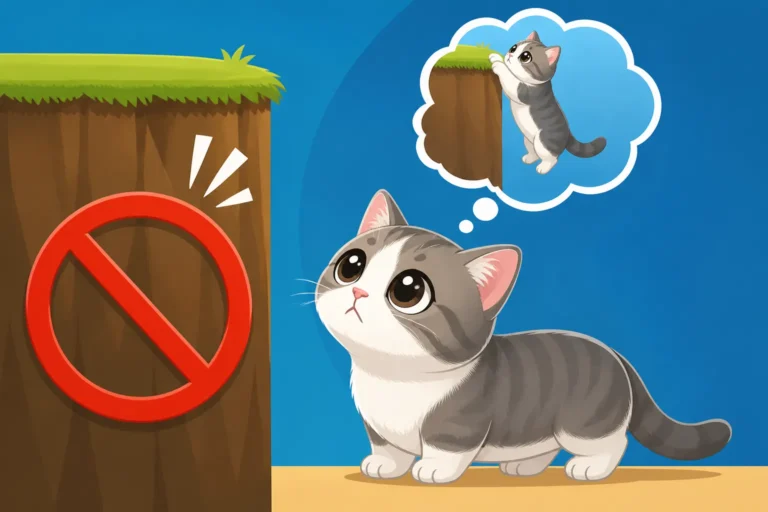
This means that a Munchkin's world is largely confined to the lower strata of your home. While they are incredibly resourceful and clever at finding alternative routes – using furniture as a kind of staircase, for instance – these routes are often slower and more circuitous. They might manage to get onto a sofa by scrambling up a nearby footstool first, but this isn't the swift, spontaneous escape a normal cat can make when startled. When a child approaches, a Munchkin might try to duck under furniture or squeeze into a tight spot, but the option of a quick, decisive vertical ascent is rarely available. This lack of vertical escape routes is a huge factor in their vulnerability, as it removes one of a cat's most fundamental self-preservation strategies. Without high places to retreat to, they are effectively trapped on the same plane as the potential source of stress, be it a child, a rambunctious dog, or even just a vacuum cleaner. Why a Munchkin Cannot Make the Kitchen Counter is a perfect illustration of this challenge.
Speed and Agility on the Flat vs. Climbing
It’s often surprising to new Munchkin owners just how fast and agile these little cats can be on flat ground. Don’t let their short legs fool you; they can dart across a room with impressive speed, often described as moving more like a ferret than a typical cat. Their low center of gravity actually gives them excellent stability and cornering ability. This horizontal agility is their primary mode of escape when they feel threatened or simply want to get away from something.
However, this impressive speed on the flat offers little solace when the threat comes from above or when their path is blocked. A Munchkin can certainly outrun a slow-moving toddler, or even evade a slightly older child by ducking under furniture. But what happens if they are cornered? What if the child moves to block their horizontal escape route? A normal cat could simply launch upwards onto a table or a tall cat tree. A Munchkin cannot. Their speed and agility are fantastic for navigating floor-level environments and engaging in playful chases, but they are severely limited when it comes to vertical ascension. This means that while they might be able to evade a child for a short while, they cannot truly remove themselves from the child's immediate environment if that environment lacks accessible vertical retreats. Their physical design prioritizes ground-level movement, making vertical escape a nearly impossible feat and leaving them reliant on human intervention or careful environmental design for true safety from children. Why a Munchkin Moves Like a Ferret sheds more light on their unique gait.
Why High Places Offer Safety for Normal Cats
To truly understand the predicament of a Munchkin cat around children, it’s important to appreciate why high places are so crucial for cats in general. It's not just about getting away; it's deeply ingrained in their evolutionary behavior and contributes significantly to their overall sense of security and well-being.
The Instinct to Seek High Ground
Cats, by nature, are both predator and prey. While domestic cats are formidable hunters of small creatures, in the wild, they could also be prey for larger animals. This dual role has hardwired an instinct to seek high ground. From an elevated position, a cat can survey its territory, spot potential threats from a distance, and plan its next move. It offers a psychological advantage – being above things makes them feel safer and more in control of their environment. Think about your own cat finding the highest point of a cat tree, or delicately balancing on the top of a door. They're not just being playful; they're fulfilling a primal need for security and oversight.
For a Munchkin, this instinct remains, but the ability to fulfill it is severely curtailed. They want to be high up, to have that vantage point, but their bodies simply won't allow it without significant assistance. This internal conflict can be a source of frustration and anxiety for them, especially in a bustling household with active children. They lack the natural "safe zones" that most cats instinctively seek out when feeling overwhelmed or simply needing a quiet moment away from the action. This makes them dependent on their human caregivers to provide these elevated opportunities, often through ramps, steps, or carefully placed furniture.
Observing and Assessing Threats from Above
From a strategic perspective, being elevated allows a cat to observe without being observed, or at least to observe from a position of perceived safety. A cat watching a child from a perch knows that they are out of immediate reach and can calmly assess the child's behavior. Are they running wildly? Are they approaching slowly with outstretched hands? This allows the cat to gauge the level of threat or intrusion and decide whether to remain hidden, descend cautiously, or simply continue to relax, knowing they have a clear escape route if needed.
For a Munchkin, this crucial observational phase is often compromised. If they are always at floor level, they are constantly in the thick of things. There's no "breathing room" to quietly assess the situation before reacting. A child playing on the floor might suddenly be very close, leading to a startled reaction from the Munchkin who couldn't see the approach from a distance. This constant state of being "in the action" can be taxing and prevent them from developing the confidence that comes with feeling secure in their environment. It highlights the absolute necessity of creating accessible, elevated spaces for your Munchkin, even if they aren't the traditional cat perches.
The Mental Comfort of an Elevated Vantage Point
Beyond practical safety, there's a profound psychological benefit for cats in being high up. It provides a sense of calm, control, and privacy. It's their personal space, a place where they can truly relax without worrying about being stepped on, picked up, or surprised. This mental comfort contributes significantly to a cat's overall happiness and reduces stress levels.
Imagine being in a busy, loud room with no way to step away or get above the fray. That's often the reality for a Munchkin in a home with young children if careful provisions aren't made. Without that elevated retreat, they can feel constantly exposed and vulnerable. This can lead to chronic stress, which can manifest in various behavioral issues, from aggression to excessive grooming or even inappropriate urination. The inability to retreat to a high, safe spot means they might not get the mental breaks they need, especially after an energetic play session or a loud outburst from a child. Providing them with easy, ramped access to a quiet, elevated bed or platform can make an enormous difference to their emotional well-being and their ability to cope with the hustle and bustle of family life.
The Unique Vulnerabilities of a Munchkin Around Children
The combination of a Munchkin's physical limitations and a child's natural curiosity creates a unique set of vulnerabilities that owners must actively manage. What might be a minor annoyance or a quickly resolved interaction for a long-legged cat can become a source of significant stress or even danger for a Munchkin.
Accidental Encounters and Lack of Quick Retreat
Children, especially toddlers, move unpredictably. They run, tumble, and often don't look where their feet are going. In a household with a normal-legged cat, if a child suddenly barrels into a room, the cat can usually dart out of the way or leap onto a piece of furniture. While a Munchkin is certainly fast on flat surfaces, their low profile and inability to quickly gain vertical distance put them at a much higher risk of accidental bumps, trips, or even being stepped on.
Consider a scenario where a child drops a toy near the Munchkin or falls over unexpectedly. A long-legged cat would likely have already moved away or jumped onto a sofa. A Munchkin, being at floor level, might find itself directly in the path of the falling object or child, with no immediate means of escape upwards. This isn't about malicious intent from the child; it's simply the unavoidable nature of young children's movements combined with the cat's physical constraints. This lack of a quick, vertical retreat means Munchkins are constantly relying on horizontal evasion, which isn't always enough in a chaotic environment. It means parents need to be extra vigilant, always aware of where the cat is in relation to the children, to prevent these accidental, potentially harmful encounters. Why a Toddler Cannot Be Left With a Munchkin emphasizes this point.
The Risk of Incorrect Handling or Play
Children, particularly young ones, often lack the fine motor skills and understanding of animal boundaries needed for appropriate interaction. They might grab a cat by the tail, squeeze too hard, or try to pick them up incorrectly. For a long-legged cat, if a child is being too rough, the cat can usually wriggle free and jump to a higher, inaccessible spot, or at least run away and climb somewhere safe.
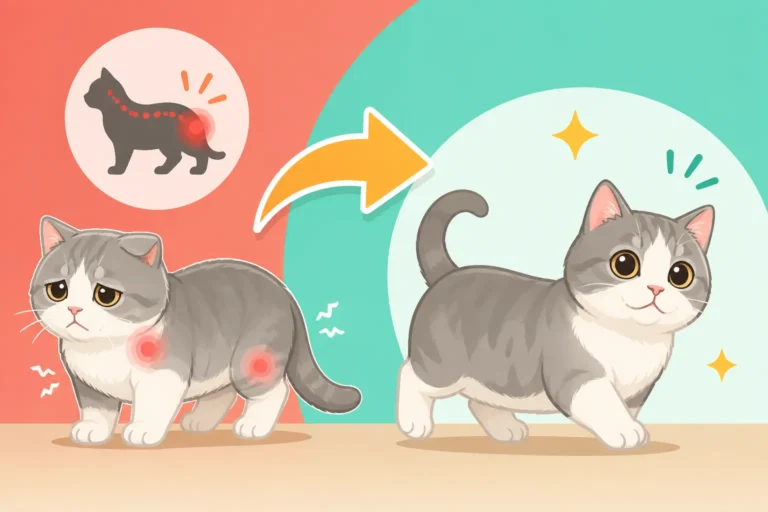
A Munchkin, however, is much more vulnerable to incorrect handling. Their short legs mean they might struggle to push off or gain leverage if picked up in an uncomfortable way. If a child tries to carry them around, the Munchkin cannot easily jump down or escape. This can lead to the cat feeling trapped, increasing its stress and potentially leading to defensive behaviors like scratching or biting, not because they are aggressive, but because they have no other means of communicating their discomfort or escaping the situation. Furthermore, children might try to engage in play that involves lifting or roughhousing, activities that can be particularly dangerous for a Munchkin's delicate spine and joints. It's not just about the child being mean; it's about their developing understanding of the world and their inability to perceive the cat's vulnerability. Teaching children gentle interaction is paramount, but so is providing the Munchkin with foolproof escape routes that do not rely on jumping.
Stress and Behavioral Changes Due to Inability to Escape
Constant exposure to perceived threats without the ability to escape takes a heavy toll on any animal. For a Munchkin cat, the inability to consistently get out of a child's reach can lead to chronic stress and a range of undesirable behavioral changes. Imagine living in a world where you always feel vulnerable, unable to find a private, safe retreat when you need one.
A stressed Munchkin might become withdrawn, spending much of its time hiding under beds or in closets, even during quiet periods. They might become more prone to fear-based aggression, lashing out at children or even adults who approach them, simply because they have learned that they cannot escape and must defend themselves. Other signs of stress can include over-grooming, changes in appetite, or even litter box avoidance as they seek control in other areas of their lives. This isn't a happy or healthy state for any pet. A Munchkin needs to feel secure and have readily available options for retreat. Without them, their natural playful and affectionate personality can be overshadowed by anxiety, making life difficult for both the cat and the family. Recognizing these subtle shifts in behavior is crucial for intervening and making necessary adjustments to their environment and interaction protocols.
Creating a Safe Environment for Both Child and Munchkin
The good news is that with thoughtful planning and consistent effort, you absolutely can create a safe and happy home for both your Munchkin and your children. It’s all about proactive management and understanding the unique needs of your short-legged companion.
Establishing Safe Zones and Elevated Access
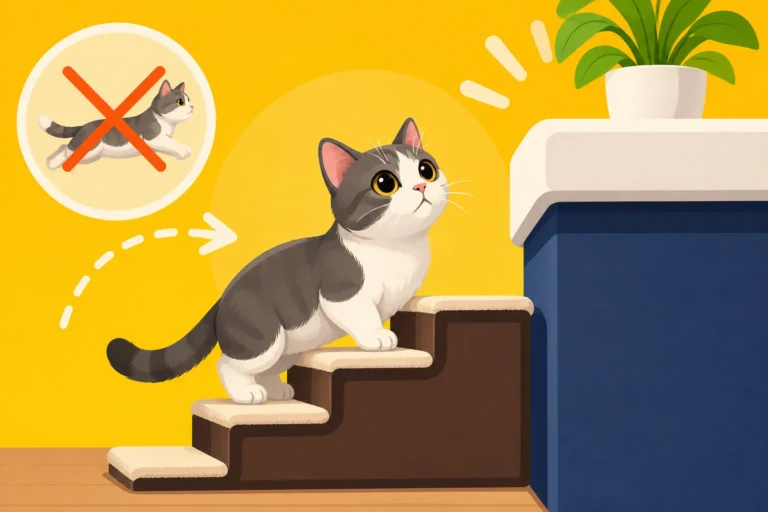
Since vertical escape is limited for Munchkins, it's our responsibility to create accessible vertical safe zones for them. This means looking at your home from their perspective and identifying areas where they can get up high, but easily. Ramps and pet steps are your best friends here. You can find many options on Amazon that are designed specifically for pets and come in various heights and materials.
Place these ramps and steps next to sofas, beds, windowsills, or even special cat shelves that are deliberately low enough for them to use. Ensure the ramps aren't too steep and have a non-slip surface to prevent accidents. Carpeted steps are often preferred as they offer good grip. Consider dedicated "cat rooms" or "cat corners" within your main living spaces, equipped with low-entry cat trees or multi-level shelving that a Munchkin can easily navigate. These areas become their sanctuary, a place where they know they can always retreat to observe or nap undisturbed. It’s about building a mini-world within your home that caters to their unique mobility, allowing them to fulfill their instinct to be elevated without the physical strain or risk of injury from jumping. How a Munchkin Gets Where It Wants Without Jumping provides more insights into their resourceful climbing.
Teaching Children How to Interact Respectfully
This is perhaps the most critical step in ensuring safety. Children, by nature, are curious and love animals, but they need to be taught boundaries and gentle interaction from a very young age. This responsibility falls squarely on the adults in the home.
Start by explaining that the Munchkin's legs are special, and they can't jump like other cats. Teach children to approach the cat calmly and quietly, avoiding sudden movements or loud noises. Emphasize gentle petting – focusing on areas like the head and back, rather than the sensitive belly or tail. Teach them to always let the cat come to them, rather than chasing or cornering the cat. Crucially, instruct them on how to lift a Munchkin correctly, if at all, by supporting their entire body, especially the back, and ensuring they are always held close to the floor to minimize fall distance. For very young children, supervised interaction is non-negotiable, and it's often better to teach them to interact while sitting on the floor, bringing them to the cat's level. Regular, positive reinforcement for gentle behavior will go a long way. This consistent education helps build mutual respect and understanding between your child and your short-legged friend. How to Teach a Child to Lift a Munchkin offers practical advice on this.
Providing Ground-Level Enrichment and Hiding Spots
While elevated retreats are vital, it's also important to acknowledge that Munchkins spend a lot of time on the ground. Therefore, enriching their ground-level environment and providing accessible hiding spots is equally important. This gives them options for retreat even when they can't go up.
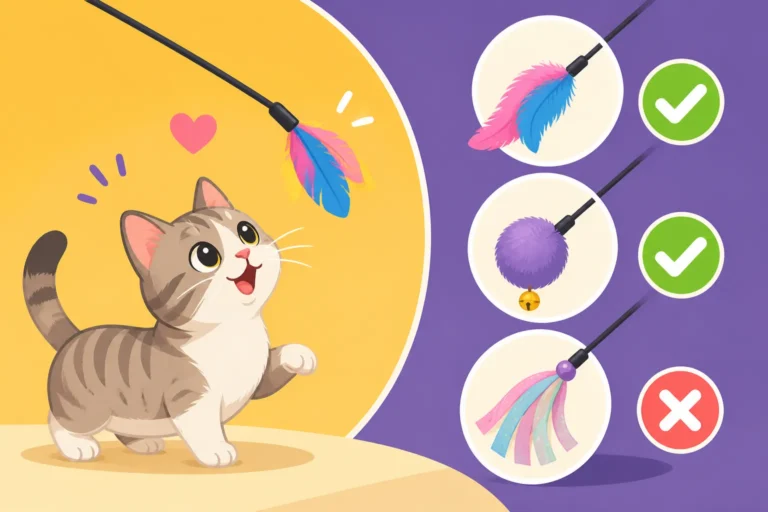
Think about low-profile tunnels, cozy cat beds placed under furniture, or even simple cardboard boxes turned on their side. These offer immediate, easy-access hiding places where a Munchkin can feel safe and out of sight. Ensure there are plenty of stimulating toys at their level – wand toys that can be dragged along the floor, rolling balls, or interactive puzzle feeders that they can easily reach. Many excellent floor-level toys are available on Amazon that cater to a Munchkin's play style. This helps channel their natural hunting instincts and provides mental stimulation, reducing boredom and potential stress. By making the ground level just as engaging and secure as the elevated areas, you create a balanced environment where your Munchkin feels empowered, not trapped, giving them multiple ways to manage their interactions with the household's younger members. Which Toys Work at a Munchkin's Height will give you some great ideas.
Recognizing Signs of Stress or Discomfort in Your Munchkin
Cats are masters of disguise, and Munchkins are no exception. They often try to hide pain or discomfort, so it's essential for owners, especially those with children, to be attuned to subtle behavioral and physical cues that might indicate stress or unhappiness. Early recognition allows for timely intervention, improving their quality of life and preventing more serious issues.
Behavioral Cues and What They Mean
A Munchkin under stress might exhibit a range of behavioral changes that can be easily missed if you're not looking carefully. One common sign is increased hiding. While all cats enjoy a good nap in a quiet spot, a Munchkin that consistently disappears for long periods, especially when children are active, is likely seeking an escape from perceived threats. They might become more withdrawn, less playful, and reluctant to engage in interactions they once enjoyed. Another cue is a change in vocalization – excessive meowing or purring can sometimes indicate anxiety, not happiness, as can hissing or growling when approached, especially by children.
Look for subtle body language signals too: flattened ears, a tail tucked between their legs, dilated pupils, or a crouched posture can all indicate fear or discomfort. Pay attention to their reaction when a child enters the room; do they tense up, attempt to flee, or show signs of unease? If your Munchkin, normally quite affectionate, starts to avoid physical contact or becomes irritable when touched, it’s a strong signal that something is amiss. These behavioral shifts are their way of communicating that their current environment, or interactions within it, are causing them distress. Ignoring these signals can lead to escalation and more ingrained anxiety.
Physical Manifestations of Anxiety
Stress doesn't just affect a cat's behavior; it can also manifest physically. Chronic stress can weaken a cat's immune system, making them more susceptible to illness. You might notice changes in their grooming habits; some stressed cats over-groom, leading to bald patches or skin irritation, while others may neglect their grooming altogether, resulting in a dull coat or matting, particularly in areas they struggle to reach due to their short legs, like their hindquarters.
Changes in appetite – either eating significantly more or less – can also be a sign of anxiety. Similarly, disruptions in their litter box habits, such as urinating or defecating outside the box, are frequently stress-related. While these could also indicate a medical issue (and a vet visit should always be the first step), if medical causes are ruled out, stress from their environment, particularly interactions with children, is a strong possibility. Excessive shedding or twitching of their skin can also be subtle physical signs of underlying anxiety. Remember that these are often quiet animals, and their suffering can be silent, making your keen observation skills even more vital. Regular vet check-ups can also help catch these issues early, as a vet can often spot physical indicators of chronic stress.
When to Intervene and Re-evaluate the Environment
Recognizing these signs is only half the battle; the crucial next step is intervention and a willingness to re-evaluate your home environment and family interactions. If you observe consistent signs of stress, it's time to take action. This might involve temporarily separating your Munchkin from children, particularly during chaotic times or when children are unsupervised. Create a "cat-only" room with a baby gate that the cat can easily slip under but children cannot enter, offering a true sanctuary.
Re-assess your home for more accessible ramps, steps, and hiding spots. Are there enough? Are they in convenient locations? Are they being used? You might need to adjust the height of certain platforms or the angle of ramps. It's also an opportunity to reinforce gentle interaction rules with your children. Consider consulting with a certified feline behaviorist who can offer tailored advice and help you implement strategies to reduce your Munchkin's stress and improve their comfort and confidence in your home. Remember, your Munchkin relies entirely on you to create a safe and nurturing environment; they cannot simply climb out of harm's way. Proactive and thoughtful care ensures a long, happy, and stress-free life for your unique short-legged friend. A Munchkin Is a Normal Cat That Cannot Reach summarizes the core challenge we're discussing.
Disclaimer
This article is for general informational purposes only and does not constitute professional advice. Laws, prices and regulations vary by location and change over time. Consult a qualified professional for guidance on your specific situation.