Whether a Munchkin Should Be Lifted Onto Furniture
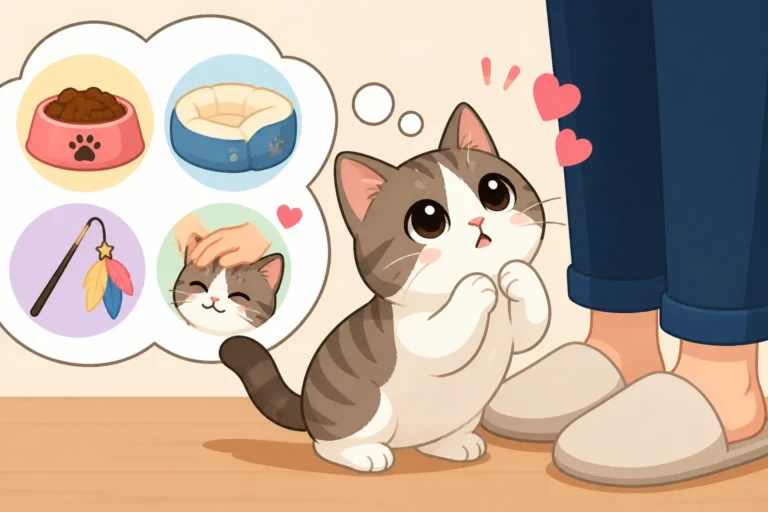
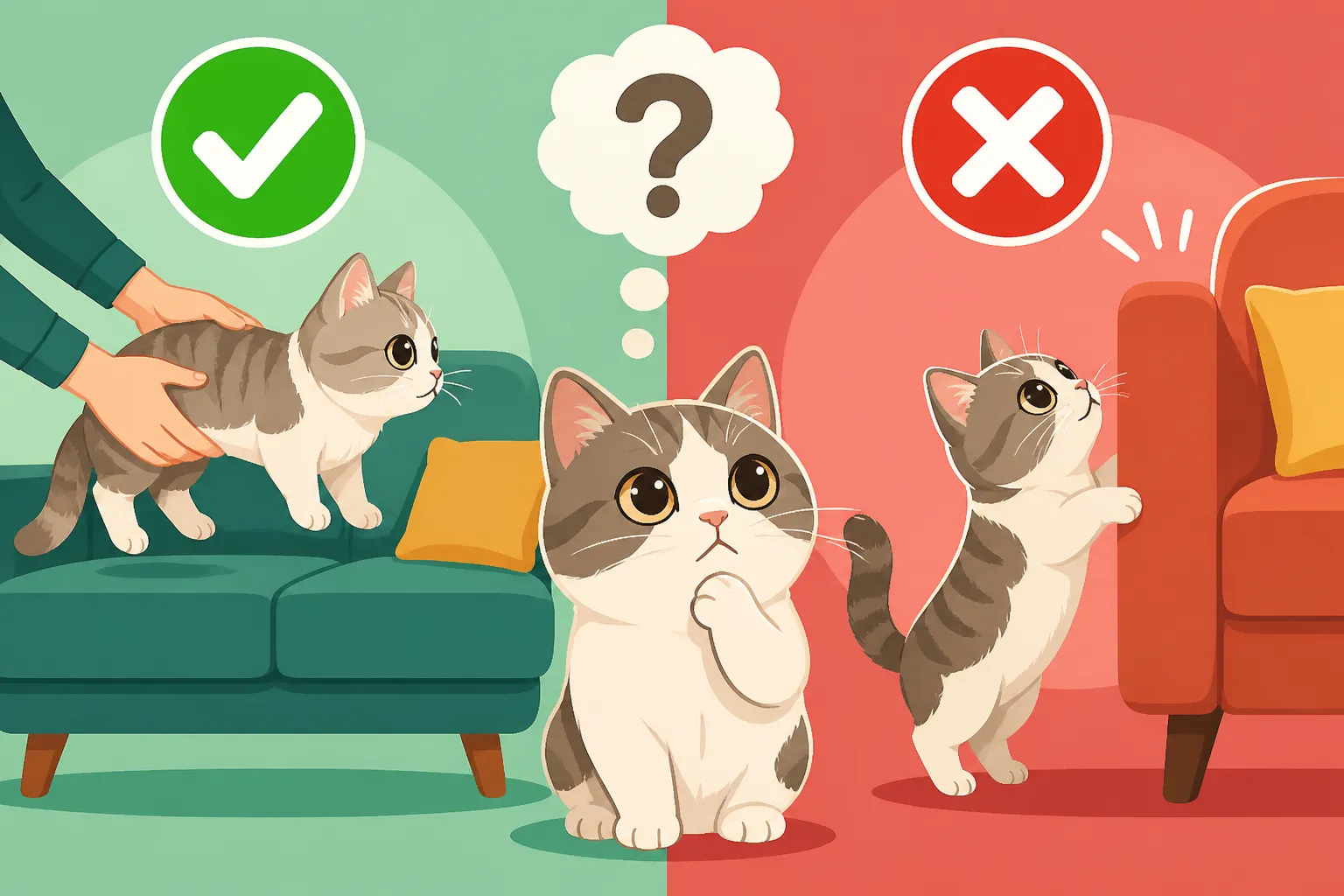
It’s a natural dilemma for many Munchkin cat owners: you see your sweet, short-legged companion looking longingly at the sofa or the bed, and your first instinct is to scoop them up and place them where they want to be. While this can feel like a loving gesture, it raises an important question about their long-term well-being and independence. This guide will explore whether constantly lifting your Munchkin onto furniture is the best approach, delving into the physical impacts and offering practical ways to support their natural desires safely.
Understanding a Munchkin's Drive to Be Elevated
Despite their distinctive short legs, Munchkins are, at their core, still cats. And what do cats love to do? Climb, perch, and observe their world from a higher vantage point! This isn't just about curiosity; it's an innate behavior rooted in their wild ancestors' need for safety, warmth, and a good hunting perspective. Your Munchkin experiences this same drive, even if their anatomy presents unique challenges.
The Cat's Innate Desire for Height
Cats feel most secure when they have a clear overview of their surroundings. Being up high allows them to monitor their territory, spot potential "prey" (like a stray dust bunny or a sibling cat), and retreat from anything they perceive as a threat – be it a curious toddler or an enthusiastic dog. This isn't just about escape; it’s about control and confidence. When your Munchkin gazes up at your armchair or the top of a dresser, they’re not just being playful; they're expressing a fundamental feline need to feel safe and dominant in their space. Denying this instinct, or making it consistently difficult to achieve, can lead to frustration or anxiety.
How Munchkins Adapt to Short Legs for Elevation
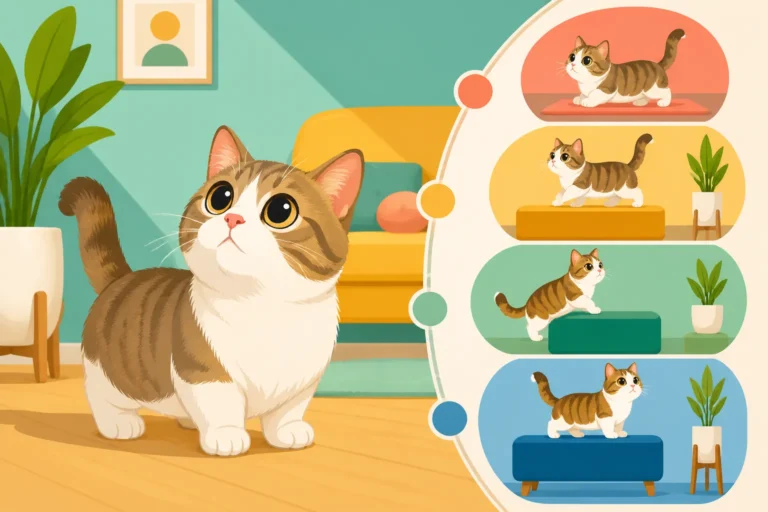
It's truly fascinating to watch how clever and determined Munchkins can be. They might not be able to leap onto your kitchen counter in a single bound like a long-legged cat, but they are masters of creative problem-solving. They'll often scope out potential routes, using smaller furniture items as intermediate steps. A chair becomes a launchpad to the sofa, a stack of books acts as a makeshift stair to the windowsill, or they might even perform their signature "prairie dog sit" to get a better view before attempting a climb. The Prairie Dog Sit Only a Munchkin Does is a perfect example of their unique adaptations. They might take two or even three smaller jumps where a normal-legged cat takes one, demonstrating incredible precision and agility. This resilience is a testament to their strong instinct to reach those coveted high spots.
The Problem with Constant Lifting
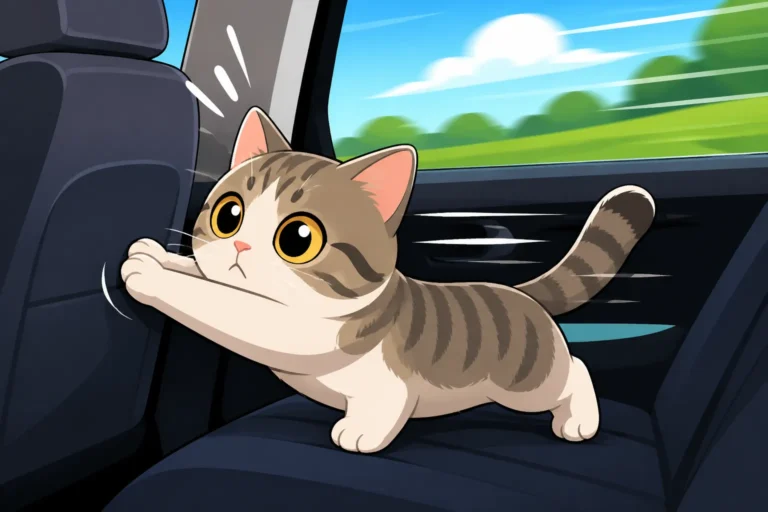
While it might seem kind to always lift your Munchkin, making it their only way to access elevated spaces can inadvertently hinder their physical and mental development. Firstly, it creates dependency. If they always expect you to lift them, they may stop trying to figure out accessible routes themselves, which can impact their cognitive skills and problem-solving abilities. Secondly, and more critically, it doesn't teach them how to safely get down. Most cats are more skilled at jumping up than landing down without impact. If you're always putting them up, but they have to jump down on their own, the repeated impact on their short limbs and spine can lead to long-term health issues. Why Coming Down Is Harder Than Going Up for a Munchkin is a crucial consideration here.
The Physical Impact of Jumping and Being Lifted
The unique anatomy of a Munchkin cat, particularly their shortened limbs, means that their bodies experience forces differently than those of a standard-legged cat. Understanding these differences is key to making informed decisions about their mobility and care.
The Strain on Joints and Spine from Repetitive Jumping
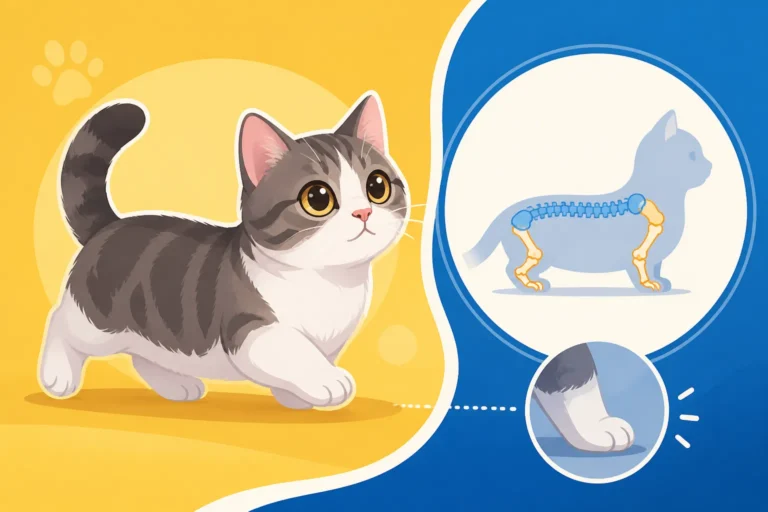
Munchkins have normal-length spines, but their short legs mean their bodies sit much closer to the ground. This changes the biomechanics of their movement. Every jump and, more importantly, every landing, places a disproportionate amount of stress on their joints, especially their shoulders, elbows, and wrists. Think about a regular cat absorbing a landing: their long legs act like shock absorbers, distributing the force. A Munchkin's shorter legs have less "give," meaning the impact travels more directly through their joints and up their spine. Over years, this repetitive stress can contribute to the early onset or exacerbation of conditions like osteoarthritis. Whether a Munchkin Gets Arthritis Earlier is a common concern among owners for precisely this reason. Their elbows, in particular, take a significant brunt of the landing force.
The Benefits and Risks of Lifting Your Munchkin
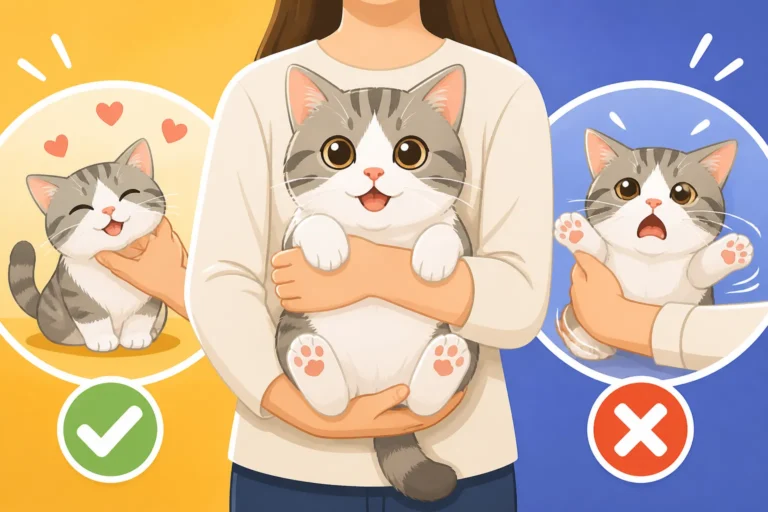
Lifting your Munchkin has its place, especially for bonding and ensuring they can reach a safe haven quickly. For instance, if you have a large dog or small children, a quick lift to a higher perch can prevent a stressful encounter. It also allows them access to you when you're on the sofa or bed, fostering closeness. However, there are risks. Improper lifting can cause injury if you don't support their full body, especially their spine. Never lift a Munchkin solely by their front legs or under their armpits; always support their hindquarters. Moreover, if your Munchkin consistently relies on you for elevation, they miss out on the physical exercise and muscle engagement that comes from climbing. This activity helps build strength and flexibility, which are vital for maintaining joint health. So, while occasional lifting is fine, it shouldn't be the default.
Recognizing Signs of Discomfort or Strain
It's absolutely essential to be vigilant about any signs of discomfort in your Munchkin. Cats are notoriously good at hiding pain, so you need to be a keen observer. Watch their gait – do they seem stiff after a nap? Are they hesitant before attempting a small jump they used to make easily? Are they suddenly avoiding their favorite elevated spots? Limping, reduced activity, changes in appetite, or increased vocalization (meowing, purring more or less than usual) can all be subtle indicators of pain or discomfort. If you notice your Munchkin developing a reluctance to use their ramps or steps, or if their 'prairie dog sit' seems labored, it's a good idea to consult your vet. Early detection of joint issues can make a huge difference in managing their comfort and quality of life. What an Old Munchkin Stops Being Able to Do often includes reduced mobility, highlighting the importance of preventative care from a young age.
Creating an Accessible and Stimulating Home Environment
The goal shouldn't be to prevent your Munchkin from reaching elevated places, but to provide safe and easy access. By adapting your home, you empower your cat to live a full and independent life, minimizing physical strain and maximizing their joy.
Essential Ramps and Pet Stairs
Ramps and pet stairs are not luxuries; they are fundamental equipment for a Munchkin household. Think of them as extensions of your furniture, seamlessly integrated to create a navigable landscape for your short-legged friend. The ideal ramp should have a gentle slope, not too steep, and a non-slip surface to give them confidence. Carpeted ramps or those with textured surfaces are often preferred over slick wood or plastic. For stairs, ensure the rise between steps is low and the depth is sufficient for them to comfortably place all four paws. You can find a wide variety of options on sites like Amazon, from carpeted steps to adjustable ramps. Placement is crucial: think about where your Munchkin spends the most time and wants to reach – the sofa, your bed, a sunny windowsill. Providing multiple access points helps them feel truly at home and removes the need for frequent lifting. Ramps and Steps Are Munchkin Equipment, Not Luxuries truly encapsulates this philosophy.
Arranging Furniture for Easy Climbing
Beyond dedicated ramps, you can make clever use of your existing furniture to create a "staircase" effect. This is all about thoughtful arrangement. Place a sturdy ottoman or a low bench next to your sofa, creating an intermediate step. Position a small bookshelf or a solid side table next to a higher piece of furniture, allowing your Munchkin to progress upwards in stages. Even a stack of sturdy, non-slip cushions can serve as a temporary step. The key is stability – make sure whatever you use won't tip or slide, which could scare your cat or cause an injury. These modifications not only help your Munchkin access their desired perches but also encourage natural climbing behavior and physical activity. How to Rearrange a Room So a Munchkin Can Climb offers more detailed ideas on this.
Encouraging Use of Accessible Pathways
Cats are creatures of habit, and sometimes they need a little encouragement to try new things, even if those things are ultimately for their benefit. Start by placing treats or their favorite toys on the first step or the lowest part of a new ramp. Gently guide them up, using positive reinforcement with praise and soft petting. Make it a fun, rewarding experience. If your Munchkin is hesitant, don't force them. Some cats prefer ramps, while others prefer steps, so observe their preference. Consider their natural pathways: where do they try to jump? Place an aid there. You can even use clicker training to teach them to use ramps. How to Teach a Munchkin to Use a Ramp and Whether a Munchkin Can Be Clicker Trained to Its Ramp are excellent resources for building this positive association. Remember, consistency and patience are key. Soon, they'll be confidently navigating their adapted environment.
| Feature | Constant Lifting | Encouraging Self-Climbing (with aids) |
|---|---|---|
| Physical Impact | Potential for improper handling injuries, reduced muscle use for climbing, unmitigated impact from jumping down | Builds strength and coordination, reduces impact on joints, promotes natural movement patterns |
| Independence | Fosters dependency, limits problem-solving skills | Promotes self-reliance and confidence, enhances natural instincts |
| Safety | Relies on owner's presence and correct lifting technique; downward jumps remain a risk | Provides safe, stable pathways for ascent and descent, reduces fall risk |
| Convenience | Always available when owner is present and able to lift | Requires initial setup but offers consistent, independent access |
| Cost | Free (but potential for vet bills later due to strain) | Initial investment in ramps/steps (e.g., from Amazon), but preventative long-term care |
| Emotional | Can be a bonding activity but may cause frustration if access is restricted | Empowers cat, reduces stress, promotes a sense of mastery over environment |
Fostering Independence and Well-being
Ultimately, our goal as Munchkin owners is to ensure our furry friends lead happy, healthy, and independent lives. This means supporting their natural instincts while mitigating the unique challenges their short legs present.
Balancing Assistance with Self-Sufficiency
The art of caring for a Munchkin lies in finding the right balance. There will certainly be times when lifting your Munchkin is appropriate and necessary – perhaps they're injured, very elderly, or in a new, unfamiliar environment. It's also a lovely way to share a snuggle on the sofa. However, these instances should be the exception, not the rule. Your primary focus should be on creating an environment where they can largely navigate their world on their own terms. When they can climb or descend using a ramp or steps, it gives them a sense of accomplishment and maintains their physical capabilities. This balance ensures they remain engaged, active, and physically conditioned, which is crucial for preventing mobility issues as they age.
The Importance of Safe Landing Spots
Even with ramps and steps, Munchkins might occasionally attempt a jump, especially if they are young and adventurous. It’s impossible to completely prevent jumping behavior, nor should you try to entirely suppress their natural playfulness. Therefore, it’s a good idea to think about providing safe landing spots. Place soft rugs or thick mats below frequently jumped-to surfaces like sofas or beds. This can help absorb some of the impact if they do decide to leap directly down. While it won't eliminate all risk, it can certainly reduce the strain on their joints compared to landing on a hard tile or wooden floor. This forward-thinking approach is a small but significant part of their overall well-being.
Long-Term Health and Quality of Life
The choices we make for our Munchkins early in their lives have a profound impact on their long-term health and quality of life. By proactively providing ramps and steps, ensuring safe landing zones, and encouraging self-sufficiency, you are investing in their future mobility and comfort. Preventing excessive strain on their joints and spine from a young age can delay the onset of age-related issues and allow them to remain active and playful well into their senior years. Regular vet check-ups, where you discuss their mobility and joint health, are also critical. A veterinarian can offer advice on joint supplements, diet, and any specific exercises that might benefit your individual cat. Remember, a Munchkin with an adapted home is a Munchkin empowered to live its best life, full of joyful exploration and comfortable relaxation, without constant reliance on human lifting.
Disclaimer
This article is for general informational purposes only and does not constitute professional advice. Laws, prices and regulations vary by location and change over time. Consult a qualified professional for guidance on your specific situation.