Why a Toddler Cannot Be Left With a Munchkin
It’s a scenario many loving pet parents find themselves in: you have a beloved Munchkin cat, with their adorable short legs and playful nature, and then a curious, energetic toddler enters the picture. While the image of a tiny cat and a tiny human playing together might seem heartwarming, the reality can be fraught with danger for both, particularly for your vulnerable feline friend. This guide will delve deep into why leaving a toddler unsupervised with a Munchkin cat is a risk you simply can't afford to take, and what you can do to ensure safety and harmony in your home.
The Unique Vulnerabilities of a Munchkin Cat
Munchkin cats, with their distinctive short legs, are incredibly endearing, but this very trait also makes them physically vulnerable in ways that normal-legged cats are not. Understanding these limitations is the first step in protecting them from accidental harm, especially from a small, well-meaning but unpredictable child.
Limited Escape Routes for Short Legs
One of the primary defenses for a cat feeling overwhelmed or threatened is to escape to a higher vantage point. A normal-legged cat can easily leap onto a countertop, a tall cat tree, or a bookshelf to get away from a perceived threat, whether it's an overzealous dog or a curious toddler. They can survey the scene from above, feeling safe and in control.
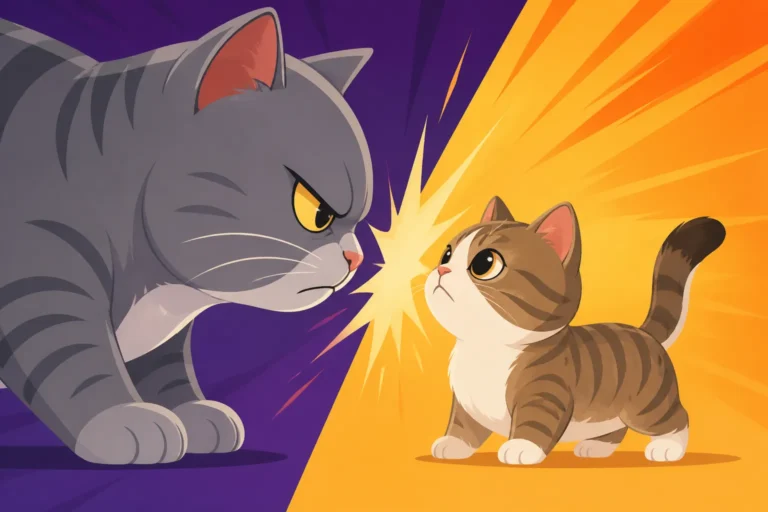
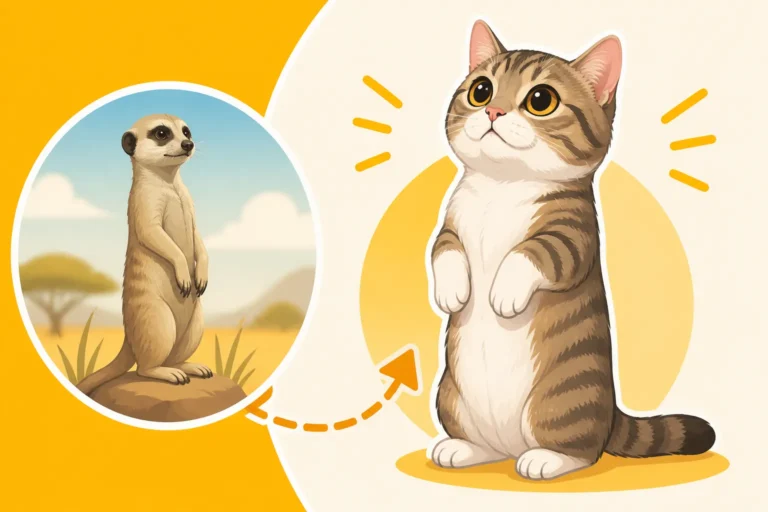
For a Munchkin, this isn't an option. Their short legs severely limit their vertical jump capabilities. They might be able to manage a low ottoman or a single chair, but a kitchen counter or even a standard cat tree's higher platforms are often completely out of reach. Imagine your Munchkin, suddenly cornered by a grabby toddler who sees them as a fascinating moving toy. With no high ground to retreat to, the cat's only options are to run on the floor, which can still be easily intercepted by a determined child, or to resort to defensive behaviors like hissing, swatting, or biting. This lack of a natural escape route puts immense stress on the cat and increases the risk of both your pet getting hurt or reacting defensively. Why a Munchkin Cannot Climb Out of a Child's Reach goes into more detail about these limitations.
The Delicate Nature of Their Spine and Joints
While Munchkin cats are generally quite robust, their unique skeletal structure does present specific vulnerabilities. The very nature of their dwarfism means their short legs bear weight differently, and their spines, while typically of normal length, are still subject to unusual stresses due to their low-slung bodies. Conditions like lordosis, a severe inward curvature of the spine, or pectus excavatum, a sunken chest, can occur in Munchkins, though responsible breeders screen for these. Even without these conditions, rough handling can place undue strain on their back and joints.
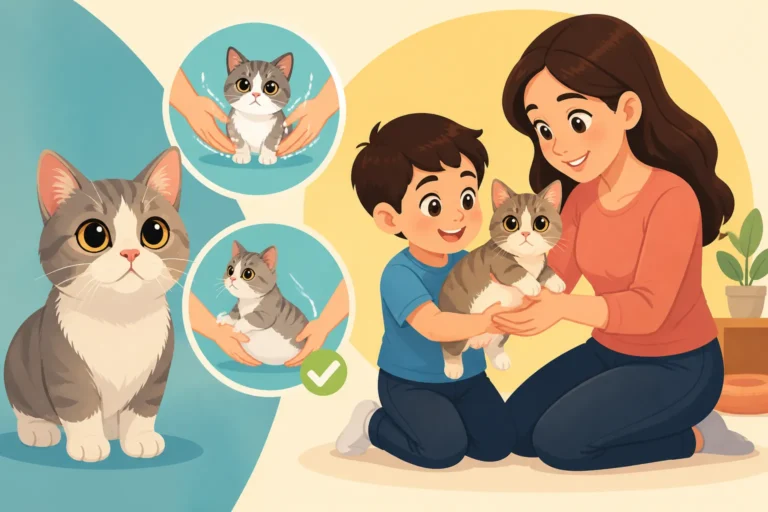
A toddler, still developing fine motor skills and an understanding of gentle touch, might pick up a cat incorrectly, squeezing too hard, dropping them, or even trying to lift them by their front legs – a move that could cause serious injury to any cat, but especially one with shorter, less robust limbs. Their legs simply aren't designed to withstand the kind of twisting or tugging that can happen accidentally during rough play. The consequences could range from painful sprains to more severe spinal trauma, requiring expensive veterinary care and causing lasting pain for your beloved pet. Why a Munchkin's Spine Carries a Load a Normal Cat's Does Not explains this further.
Why They Can't Always Stand Their Ground
A typical cat, when feeling threatened, often has a combination of speed, agility, and the ability to climb to diffuse a situation. They might swat once as a warning, then quickly dart away and scale a bookshelf, effectively ending the interaction. A Munchkin, however, lacks that full range of defensive maneuvers. While they can be surprisingly fast on the flat, their inability to quickly create vertical distance means they can be repeatedly approached and harassed by a persistent toddler.
This can lead to a feeling of being trapped and overwhelmed. A cat’s "fight or flight" response is heightened when they cannot flee. If your Munchkin is constantly being chased, grabbed, or poked without a reliable way to escape, their stress levels will skyrocket. This continuous stress can manifest as behavioral issues, from inappropriate urination to aggression, which is unfair to the cat and unsafe for the child. It's not that Munchkins are inherently aggressive; it's that they are sometimes put in situations where their natural escape mechanisms are compromised, forcing a more direct, potentially harmful, defensive reaction.
Understanding Toddler Behavior Around Pets
It’s easy to get frustrated with a toddler for being too rough with a pet, but it’s crucial to remember that their actions aren't malicious. They are simply operating within the developmental stage they are in, which means a lot of learning and very little understanding of consequences.
The Instinct to Explore Through Touch
Toddlers learn about the world through all their senses, and touch is a huge one. Everything new and interesting, especially if it moves and makes sounds, needs to be touched, poked, prodded, and sometimes even grabbed. A furry, purring creature like a cat is incredibly enticing! They don't yet have the nuanced understanding that a cat is a living being with feelings and fragile parts, rather than a stuffed animal or a toy car.
This instinct to explore means they might grab a tail, pull an ear, or squeeze a body part with the same force they'd use on a favorite teddy bear. To them, they are simply engaging with something new and exciting. They don't understand that their enthusiastic squeeze on the Munchkin's midsection could be painful or that a yank on the tail could cause injury. Their world is all about immediate gratification and sensory input, not empathy for another creature's comfort.
Lack of Understanding Boundaries and Consequences
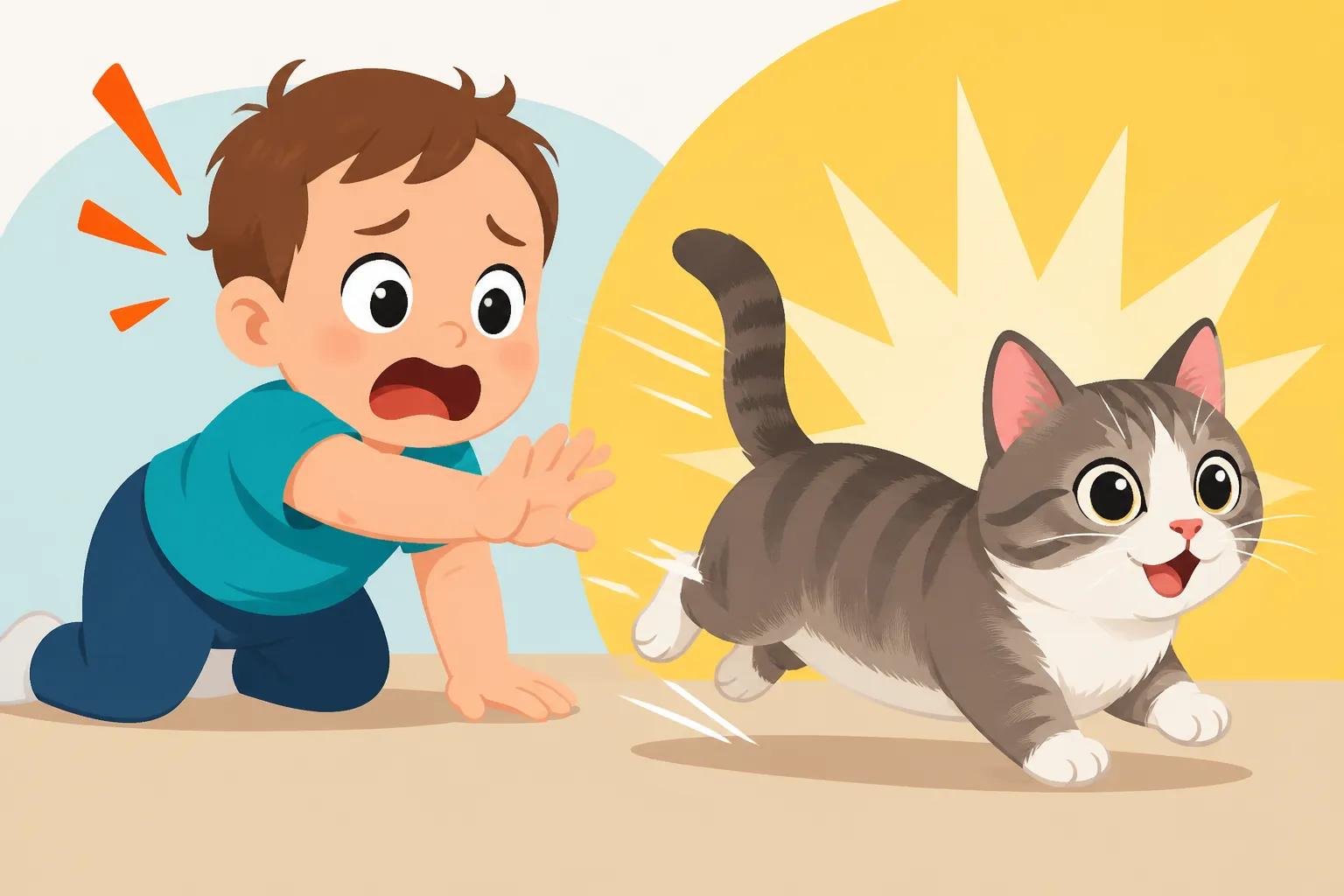
Empathy, cause-and-effect, and understanding personal space are complex concepts that toddlers are only just beginning to grasp. When a cat hisses or runs away, a toddler might interpret it as a fun game of chase, or simply a puzzling reaction, rather than a clear signal of distress or discomfort. They don't connect their action (pulling fur) with the cat's reaction (running away or swatting).
This lack of understanding means that verbal warnings like "gentle hands" or "no pulling" often have little lasting impact, or are quickly forgotten in the heat of an exciting interaction. You might say it ten times, and the eleventh time, the toddler still goes for the tail. It's not defiance; it's developmental. Their brains are wired for exploration and immediate experience, not for abstract reasoning about consequences. This makes constant supervision not just advisable, but absolutely essential. Why a Toddler Cannot Be Left With a Munchkin highlights this perfectly.
Treating Pets as Playthings, Not Living Beings
To a toddler, everything is an object to be manipulated and played with. Their worldview is very egocentric, meaning they see things in terms of how they can interact with them. A cat isn't a complex, sensitive animal; it's a moving, purring object that responds when poked. This can lead to actions that are genuinely distressing and dangerous for a pet.
They might try to "ride" the cat, pick it up by an appendage, or try to force it into a doll stroller. They are mimicking the way they interact with their toys, unaware that a living creature will be hurt or traumatized by such treatment. This is where the Munchkin's limited escape capabilities become especially problematic. A long-legged cat might be able to dart away and hide, but a Munchkin might find themselves repeatedly subjected to this "play," leading to chronic stress and fear. This isn't just about preventing physical injury; it's about safeguarding your Munchkin's psychological well-being.
Preventing Injuries: Risks to Both Munchkin and Child
The risks associated with unsupervised toddlers and Munchkin cats are not one-sided. Both your beloved pet and your child face potential harm, making prevention a top priority for any responsible pet owner.
Physical Harm to Your Munchkin Cat
The most immediate and concerning risk is direct physical harm to your Munchkin. As discussed, their short legs and unique spinal structure make them particularly vulnerable. Imagine a scenario where a toddler, in a fit of excitement, falls on your Munchkin. Even if they don't mean to, the weight and impact could easily cause a fracture, internal injury, or severe spinal trauma. Picking up a Munchkin by one leg, dropping them from a height, or aggressively trying to pull them out from under furniture can have devastating consequences.
A broken leg, a spinal injury, or even a deep scratch from a child's nail could lead to emergency vet visits, costly procedures, and a long recovery period for your cat. In the worst-case scenarios, such injuries could be life-altering or even fatal. It’s not about blaming the child; it's about acknowledging the physical mismatch and the limitations of both parties. The cost, both emotional and financial, of a preventable injury is something no pet parent wants to face.
Potential for Reactive Behavior from the Cat
When a cat feels threatened and cannot escape, its natural instinct is to defend itself. This often means hissing, growling, swatting with unsheathed claws, or biting. While your Munchkin is normally gentle, any cat pushed to its limit will react to protect itself. For a toddler, a cat's defensive strike can result in painful scratches, deep bites, or even facial injuries, potentially involving the eyes.
These injuries can be serious, requiring medical attention, and can also lead to lasting fear or trauma in the child, making them wary or even aggressive towards animals in the future. Moreover, a cat that has learned to defend itself aggressively against a child might start exhibiting fearful or aggressive behavior towards all children, or even adults, in similar situations. This creates a difficult situation where the cat might need to be rehomed if the behavior becomes unmanageable, which is heartbreaking for everyone involved. Why a Munchkin Cannot Escape a Confrontation further elaborates on this.
The Emotional Toll on Your Pet
Beyond physical injury, the constant stress and fear of unpredictable toddler interactions can take a significant emotional toll on your Munchkin. A cat that lives in a perpetual state of anxiety might become withdrawn, hide constantly, lose its appetite, or develop litter box issues. They might associate the presence of the child with fear and discomfort, leading to a strained relationship or even a complete breakdown of trust.
Imagine your normally playful and affectionate Munchkin, now timid and constantly on edge, darting away at the slightest sound or movement from your child. This isn't the quality of life we want for our pets. A happy cat is a cat that feels safe and secure in its environment. When that security is repeatedly compromised by a toddler who doesn't understand boundaries, the cat's overall well-being suffers immensely. It’s a sad reality that sometimes, despite all the love in the world, the environment isn't suited for both a toddler and a particularly vulnerable pet.
Strategies for Coexistence: Creating a Safe Home
Living with both a Munchkin cat and a toddler doesn't have to be a constant source of stress. With careful planning, consistent effort, and a realistic understanding of both your cat's needs and your child's developmental stage, you can create a home where everyone feels safe and loved.
The Non-Negotiable Rule of Constant Supervision
This is the golden rule, the absolute cornerstone of a safe household with toddlers and pets: never, ever leave a toddler unsupervised with your Munchkin cat. This means if you need to answer the door, step into another room, or even just turn your back for a moment, either the child or the cat needs to be separated. Use baby gates to section off rooms, put the cat in a designated safe room, or move the child to a playpen if necessary.
Constant supervision allows you to intervene immediately if an interaction becomes too rough, to gently redirect the toddler, or to pick up the cat and remove it from a stressful situation. It’s about being proactive, not reactive. Think of yourself as a referee, constantly managing the game to ensure fair play and prevent any fouls. This might sound exhausting, and honestly, it often is, but it’s the only way to genuinely protect both parties.
Establishing Safe Havens and Escape Routes for Your Cat
Since your Munchkin can't easily jump to safety, you need to create accessible vertical escapes and secure ground-level retreats for them. This means strategically placing low-level ramps, steps, or sturdy, easily climbable furniture that leads to higher, out-of-reach spots. Think of cat trees with closely spaced platforms, or pet stairs that lead up to a windowsill perch or the top of a sturdy bookcase. Amazon offers a wide range of suitable pet stairs and ramps that can make furniture accessible.
Ensure your Munchkin has a dedicated "safe room" or a quiet corner where they can retreat completely undisturbed. This space should be inaccessible to the toddler and contain their food, water, litter box, and a cozy bed. This allows your cat to decompress and feel secure, knowing they have a place where they are absolutely safe from curious little hands. Why a Munchkin Cattery Should Have Ramps in Every Pen offers insights into how dedicated spaces can be adapted.
Teaching Gentle Interactions from an Early Age
While toddlers struggle with abstract concepts, you can still start teaching them about gentle touch and respectful interaction with animals. This needs to be done consistently and with your direct involvement. When your toddler approaches the cat, guide their hand to stroke gently, saying "gentle hands" repeatedly. Reward gentle interactions with praise. If they get too rough, immediately remove their hand, say "no, gentle," and if necessary, separate them from the cat.
It's a long process, often involving many repetitions, but consistency is key. Lead by example in how you interact with your Munchkin. Show your child how to pet properly, how to talk in a soft voice, and how to respect the cat's space. Read books about pets and children. While full understanding won't come overnight, starting early and being consistent lays the groundwork for a respectful relationship as they grow.
Utilizing Physical Barriers for Peace of Mind
Baby gates are your best friend when you have a toddler and a Munchkin. Use them to block off rooms where the cat might need a break, or to create zones where the toddler can play safely without access to the cat. Ensure the gates are installed correctly and are tall enough that your toddler cannot climb over them. Some cat owners even use baby gates with a small cat flap, allowing the cat to pass through but keeping the child contained.
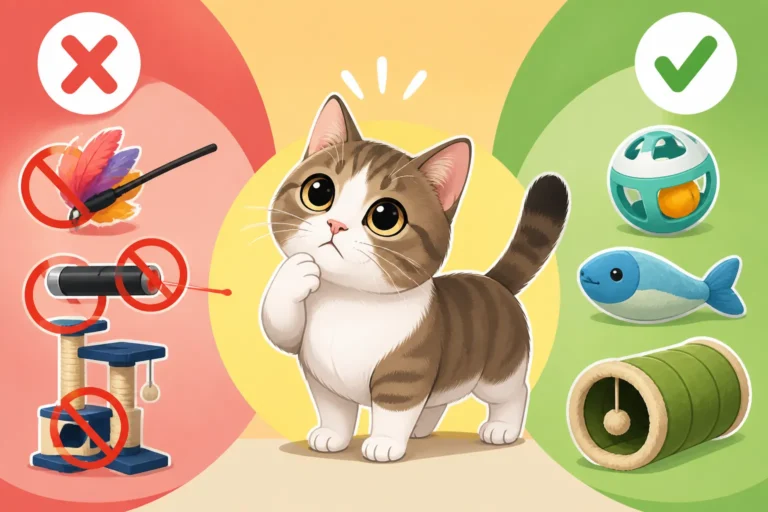
Another excellent strategy is providing cat furniture that is explicitly designed for a Munchkin's abilities. Look for cat trees with steps instead of large jumps, or those specifically marketed for senior cats or cats with mobility issues, as these often have more accessible layouts. You can also create vertical pathways using shelves, provided they are securely anchored to the wall and offer easy, staggered access points for your short-legged friend. What a Munchkin Sized Catio Needs provides ideas for contained and safe spaces. This isn't about caging your cat or confining your child, but about thoughtfully designing your living space to minimize risk and maximize comfort for all residents.
When blending the boundless energy of a toddler with the unique needs of a Munchkin cat, vigilance and preparation are paramount. It requires patience and dedication, but ensuring the safety and well-being of both your child and your cherished feline friend is undoubtedly worth the effort.
Disclaimer
This article is for general informational purposes only and does not constitute professional advice. Laws, prices and regulations vary by location and change over time. Consult a qualified professional for guidance on your specific situation.