Why a Munchkin Refuses a Steep Ramp
Munchkin cat joint stress and pseudoachondroplasia biomechanics explain why short legs avoid steep ramps, detailing safe incline adjustments.
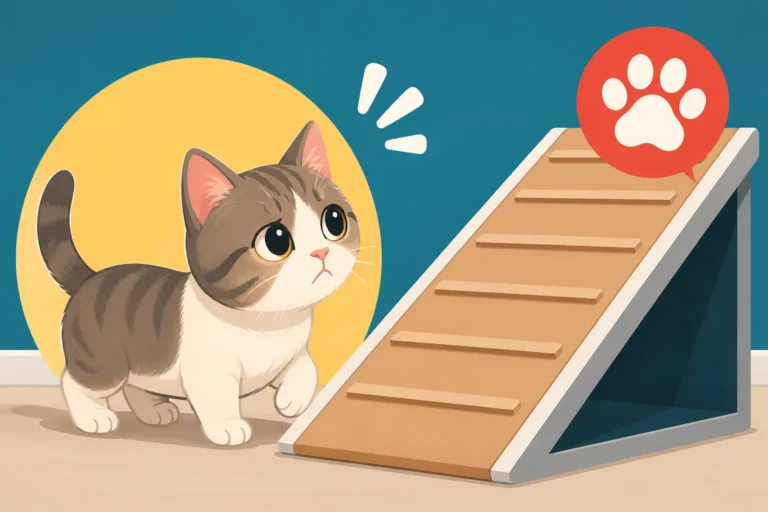
Munchkin cat joint stress and pseudoachondroplasia biomechanics explain why short legs avoid steep ramps, detailing safe incline adjustments.
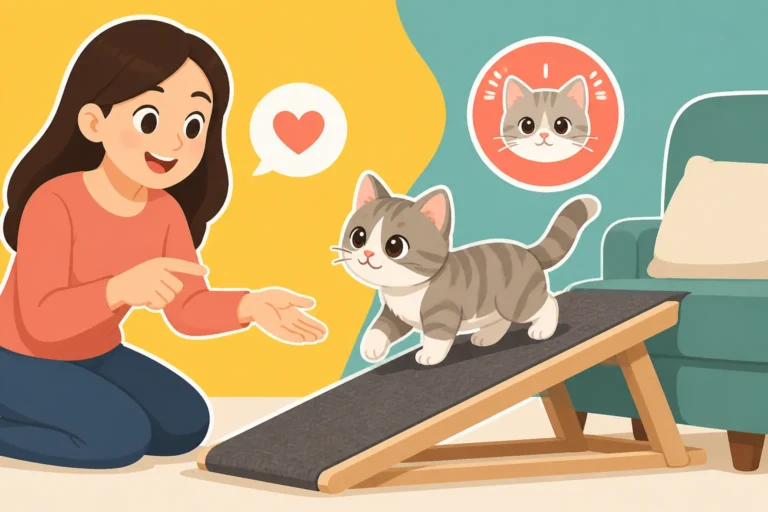
Teaching a Munchkin cat to use a ramp protects their short-legged joints from high impact injuries when accessing furniture.
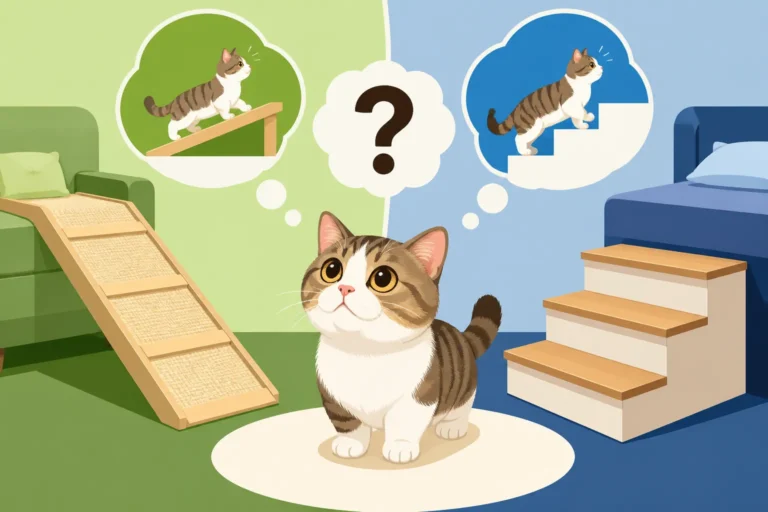
Munchkin cat owners learn whether ramps or steps better help short-legged felines safely reach furniture without joint strain.
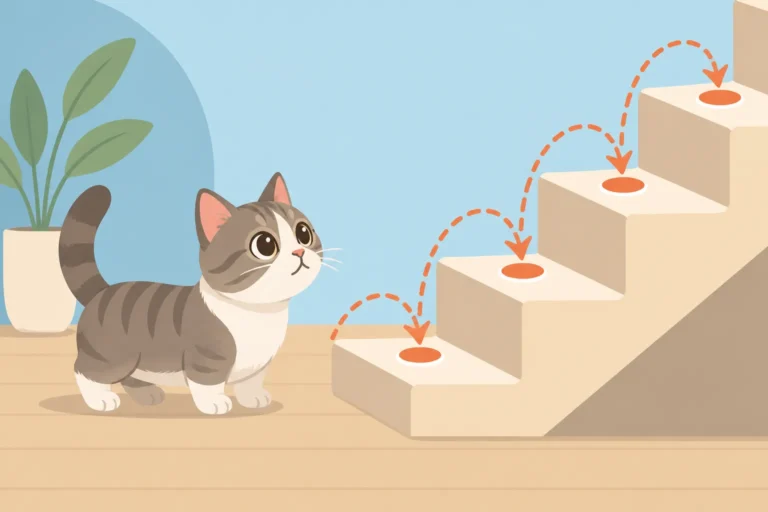
Correct step spacing for Munchkin cat steps and ramps protects short legs, normal length bodies, and prevents spinal joint strain.
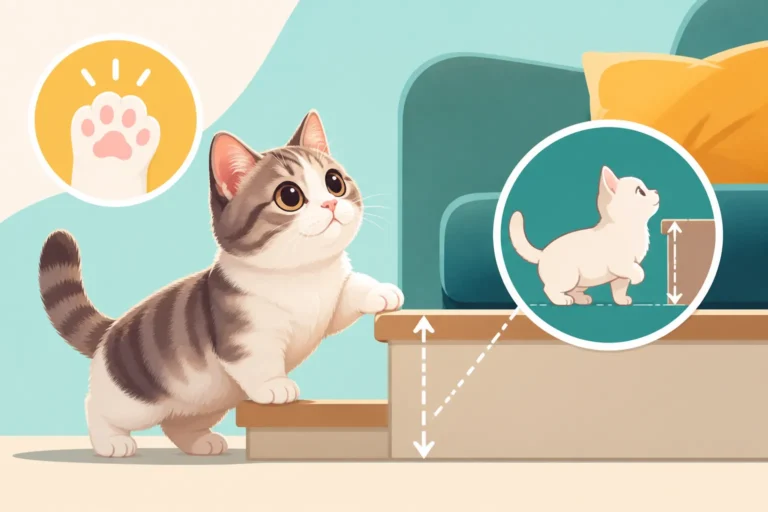
Determining the ideal first step height for Munchkin cats by measuring their reach and comfort zone prevents joint injury.
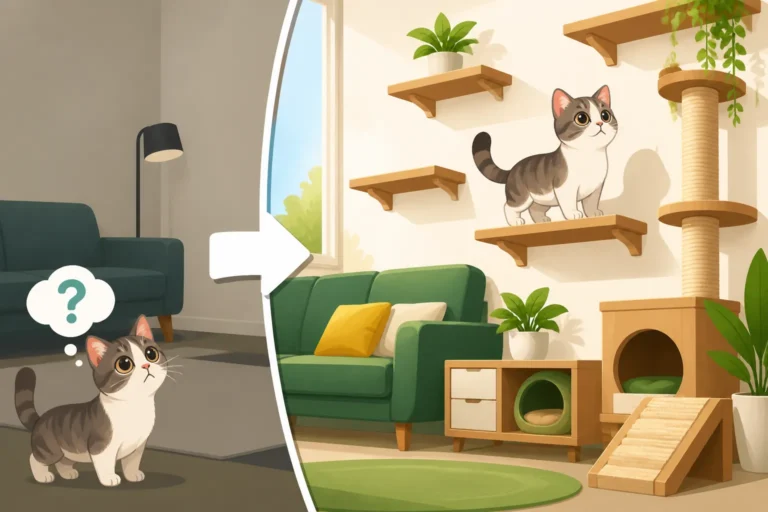
Room layout adjustments and pet steps allow short-legged cats to reach windowsills and sofas safely without joint strain.
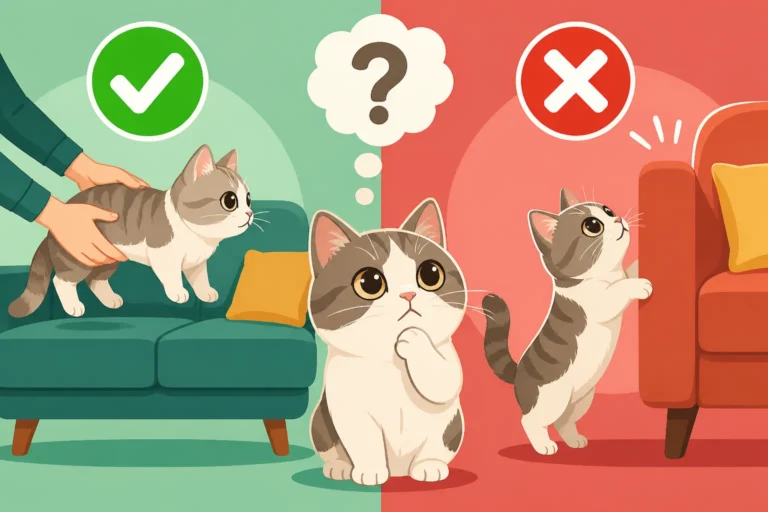
Constant lifting of short-legged Munchkin cats onto furniture creates dependency and impacts their physical development and problem-solving skills.
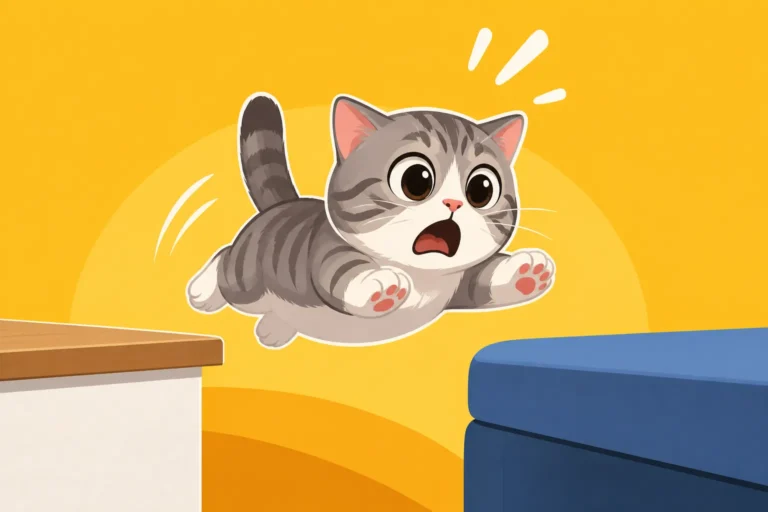
Munchkin cat jumping mechanics and physical limitations explain what happens when short legs cause missed leaps and awkward landings.
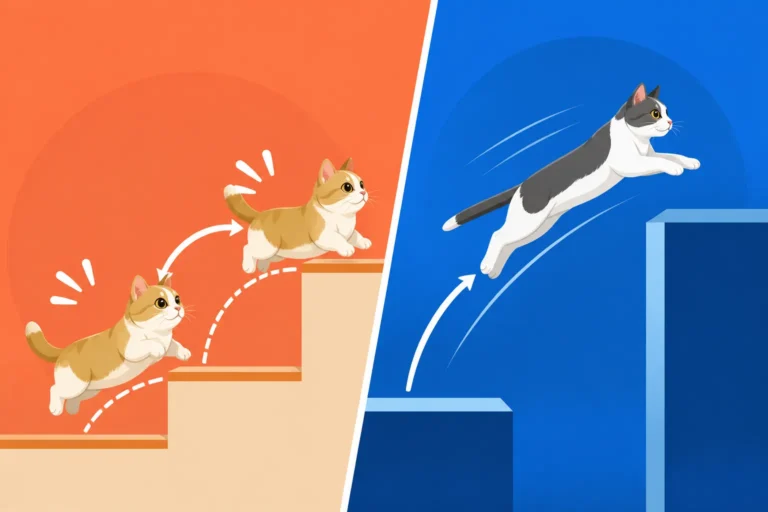
Munchkin cat jumping mechanics and pseudoachondroplasia explain why short leg bones require multiple leaps to reach furniture.
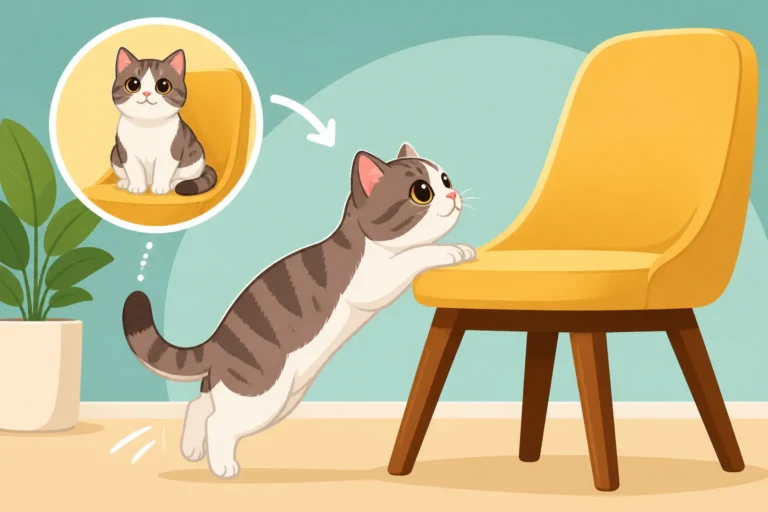
Munchkin cat short legs and dwarfism affect jumping and climbing behavior, requiring calculated movements to reach chairs and other elevated surfaces.