Why a Rescue Munchkin Should Have Its Spine Checked
Rescue Munchkin spinal checks identify lordosis and pectus excavatum since unknown medical histories hide congenital conditions.
The price tag is the smallest number.
Purchase and adoption costs, insurance, routine vet care, food and grooming budgets, and the emergencies that change the total.
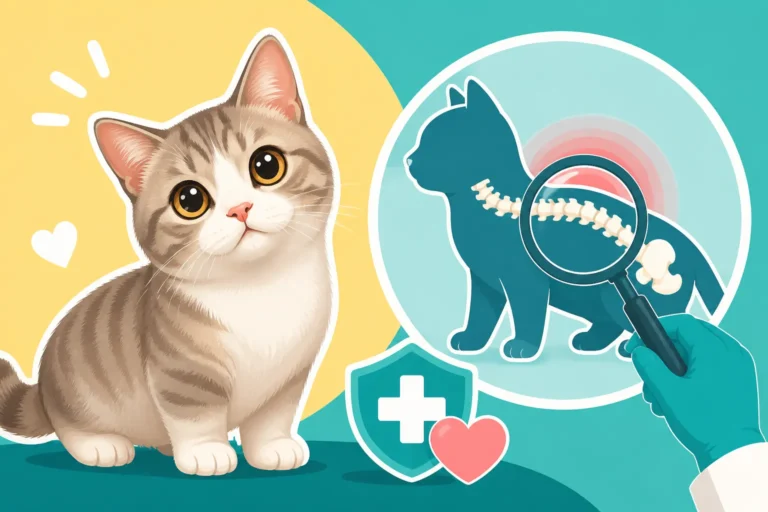
Rescue Munchkin spinal checks identify lordosis and pectus excavatum since unknown medical histories hide congenital conditions.
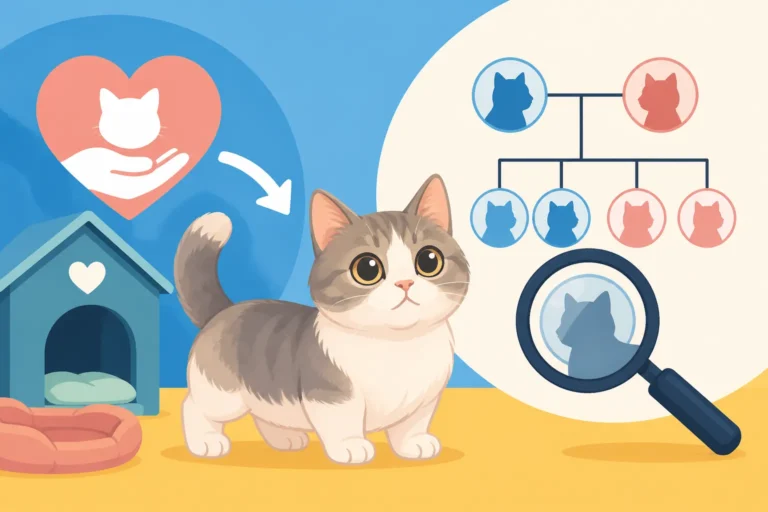
Tracing rescue Munchkin breeding is difficult because shelter cats usually lack paperwork, pedigrees, and registration documents.
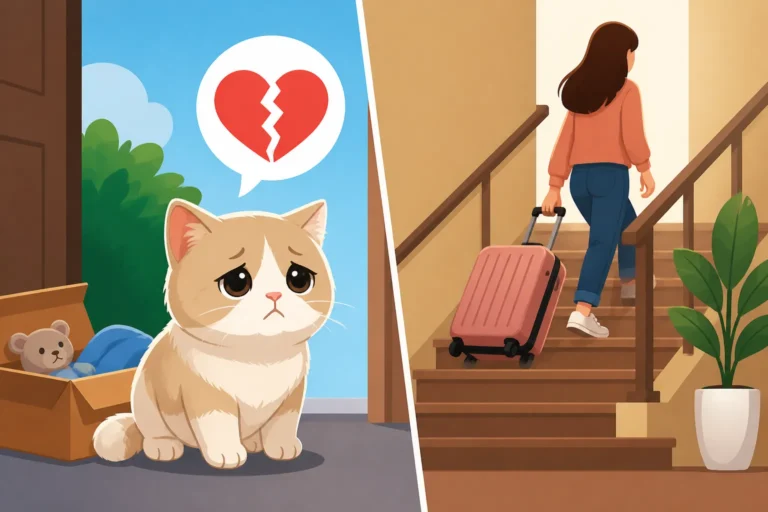
Munchkin cats struggle to climb stairs due to short legs, causing joint and shoulder strain that can lead owners to rehome them.
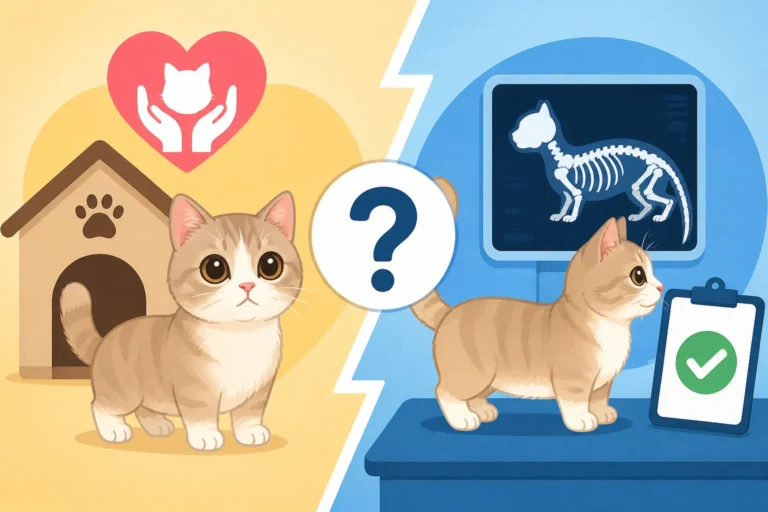
Munchkin cat rescue adoption fees cover basic veterinary care, vaccinations, and spaying, but rarely include specialized spinal checks.
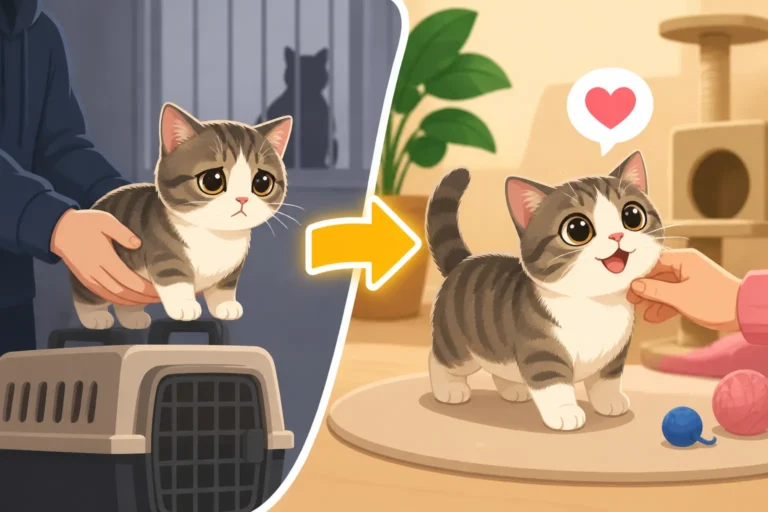
Surrendered Munchkin cats typically enter local animal shelters or breed-specific rescue organizations for specialized care and new homes.
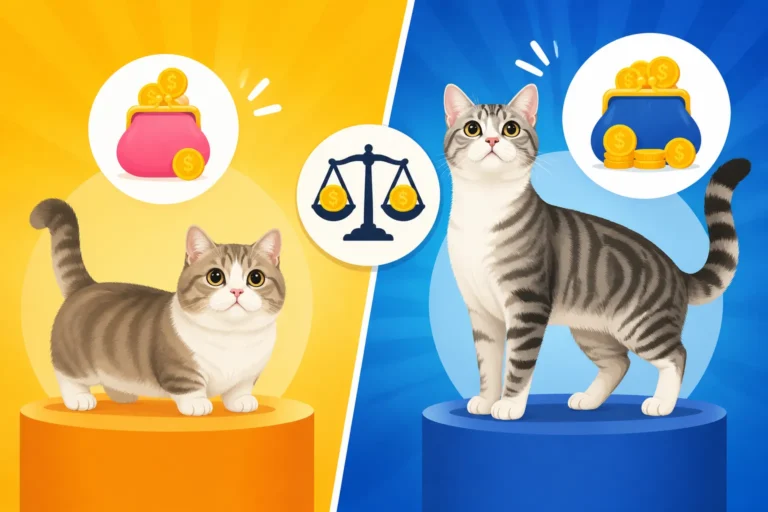
Munchkin cat ownership costs compared to normal-legged cats include higher purchase prices from breeders and specialized veterinary care.
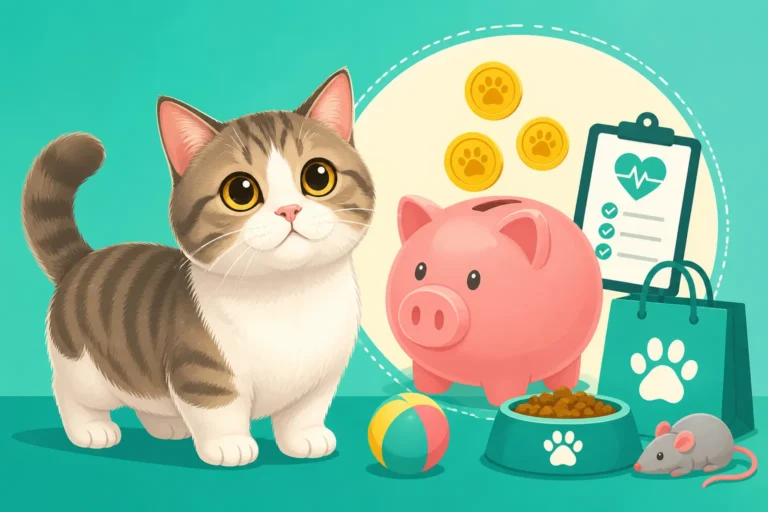
Munchkin cat ownership expenses over a thirteen year lifespan, including initial purchase prices and routine annual costs.
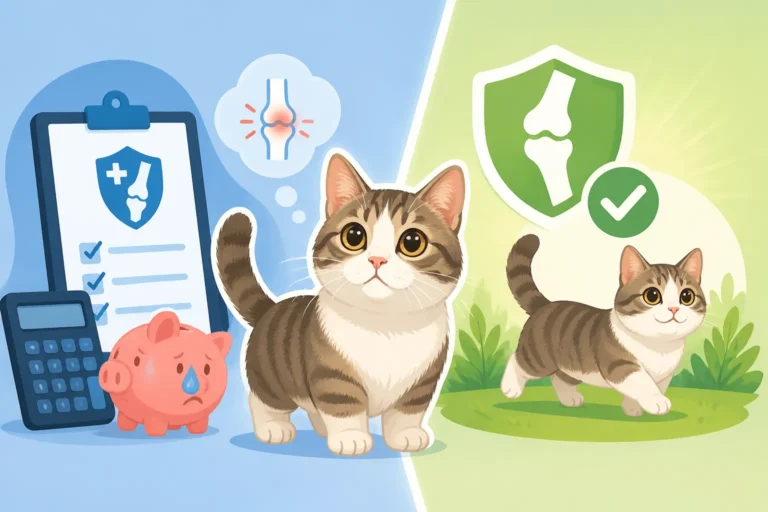
A joint care plan helps Munchkin owners weigh supplement costs, vet checkups, and insurance against long-term musculoskeletal expenses.
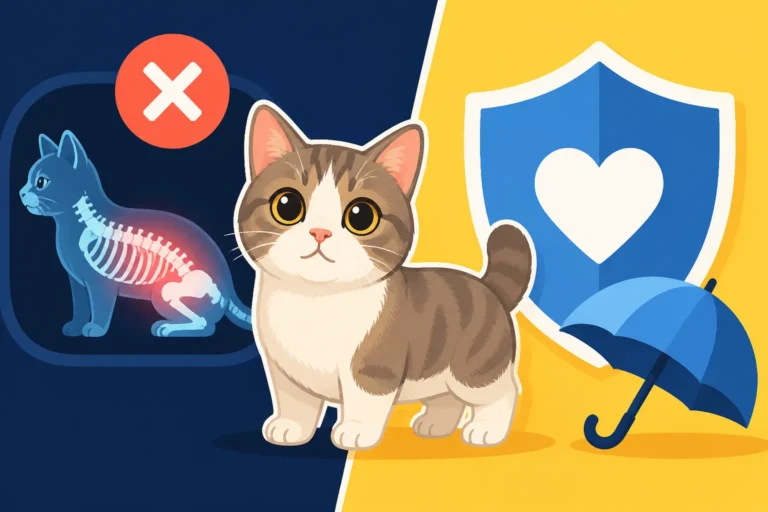
Pet insurance for Munchkin cats protects against pre-existing condition denials for spinal issues when secured before imaging exams.
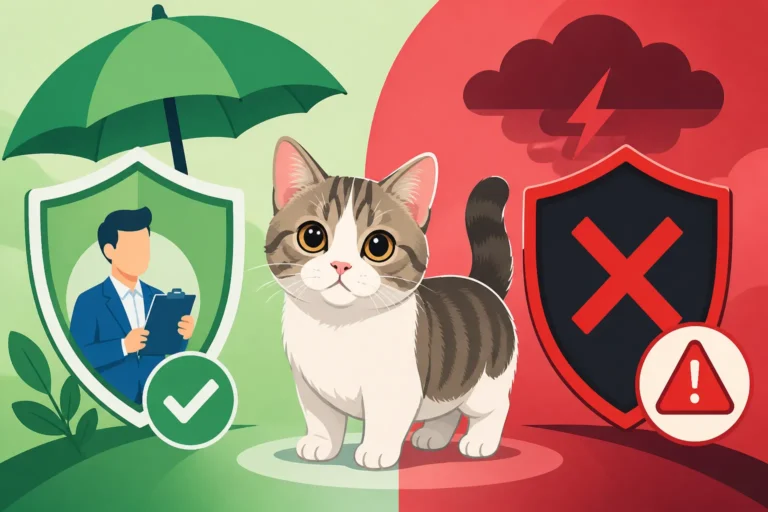
Munchkin cat insurance risk assessment explains genetic short legs, spinal structure, and lordosis health conditions that impact premiums.