Why a Rescue Munchkin Should Have Its Spine Checked
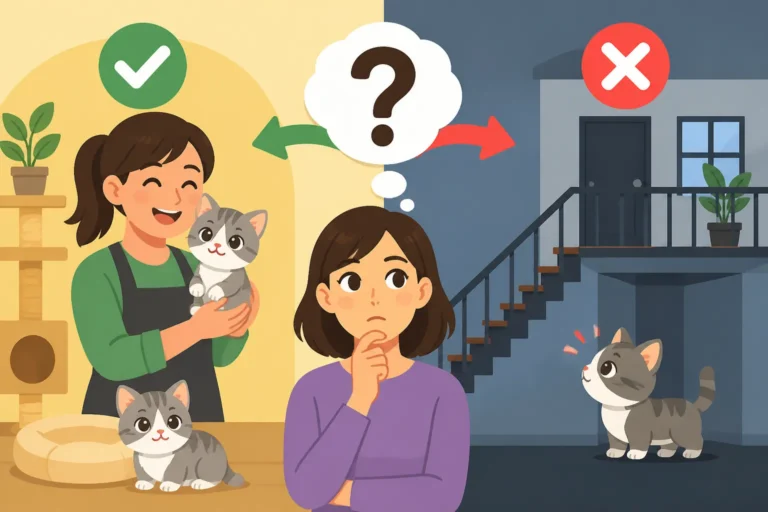
Bringing a rescue Munchkin into your home is an incredibly heartwarming experience, offering a loving new chapter to a cat who truly needs it. However, the joy of rescue often comes with the challenge of an unknown past. Unlike a kitten from a reputable breeder with documented health screenings, a rescue Munchkin's history, including any potential genetic predispositions or underlying health conditions, is usually a mystery. This makes a thorough veterinary check-up, with a particular focus on their unique spinal conformation, an absolute non-negotiable step to ensure you can provide the best possible care for your new furry family member.
The Unique Spinal Challenges of a Munchkin Cat
Munchkin cats are famous for their endearing short legs, which are the result of a naturally occurring genetic mutation causing a form of dwarfism known as pseudoachondroplasia. While these short legs are adorable, this genetic trait can sometimes be associated with specific spinal and skeletal conditions that warrant careful attention, especially in a rescue situation where no prior health information exists.
Understanding Lordosis and Pectus Excavatum
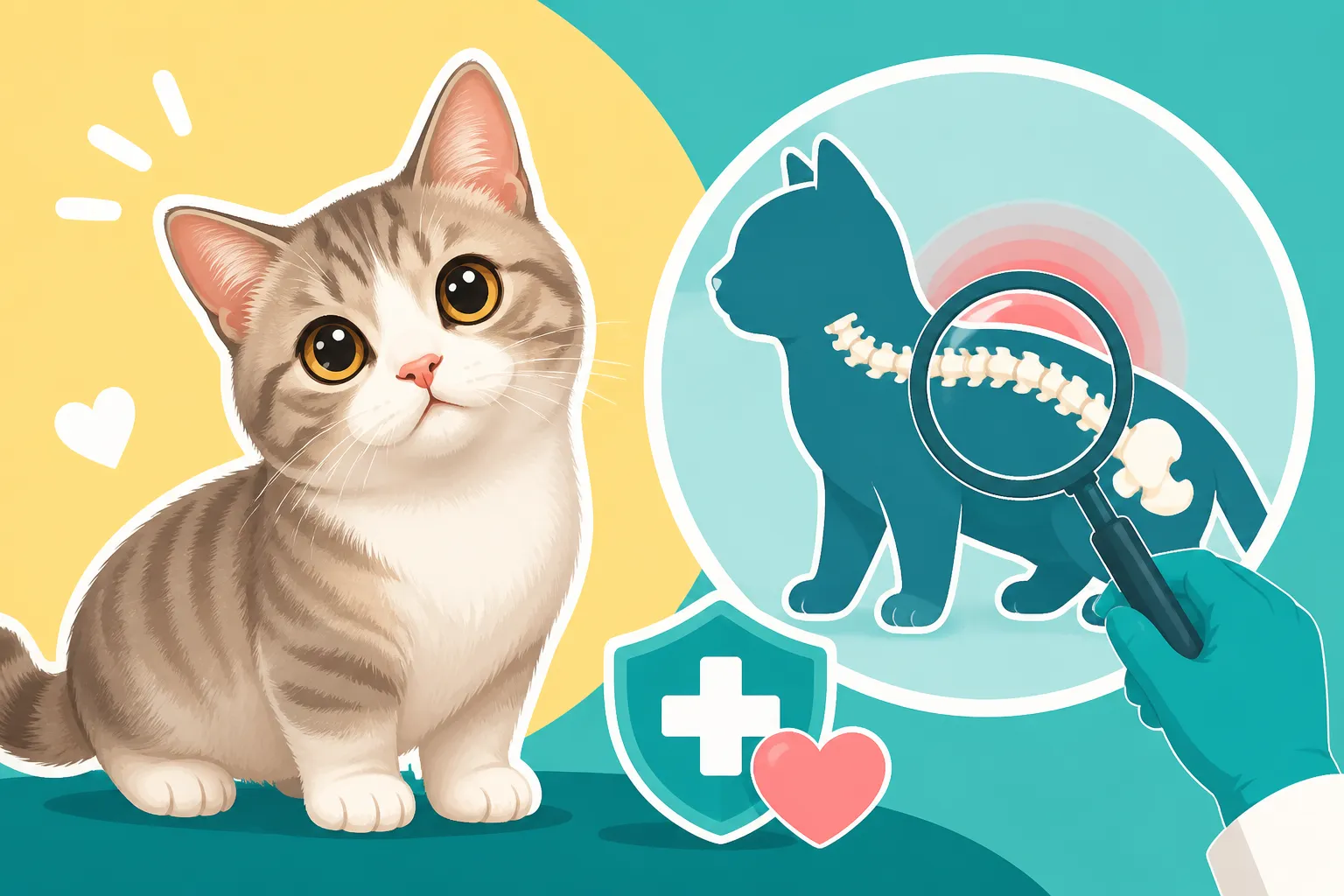
Two primary conditions often discussed in relation to Munchkin spinal health are lordosis and pectus excavatum. Lordosis refers to an excessive inward curvature of the spine, where the spine sags downwards, giving the appearance of a swayback. In severe cases, this curvature can put pressure on internal organs like the heart and lungs, impacting their function and potentially causing pain or discomfort. It's not always outwardly obvious, especially in milder forms, which makes a veterinary examination even more critical. Understanding Lordosis Is the Spinal Curve the Munchkin Argument Is About helps shed light on why this is such a frequent topic of discussion.
Pectus excavatum, often called "sunken chest," is a congenital deformity of the sternum (breastbone) and rib cage, where the sternum grows inward. This can compress the heart and lungs, leading to breathing difficulties, reduced exercise tolerance, and in severe cases, even heart murmurs. Like lordosis, it can range from mild to severe, with milder cases potentially going unnoticed without a vet's keen eye and diagnostic tools. Many owners are surprised to learn more about Pectus Excavatum and the Munchkin's Sunken Chest only after a diagnosis. Without a full health history, a rescue Munchkin could be living with either of these conditions, or both, without their previous owners ever realizing the extent of the issue.
Why a Rescue's History is Often Unknown
When you adopt a rescue Munchkin, the chances are incredibly high that you won't have access to detailed health records, lineage information, or even a basic understanding of their early life experiences. They might have been surrendered due to a change in owner circumstances, found as strays, or come from situations where their health was not a priority. This lack of a clear medical history means that any congenital conditions, like lordosis or pectus excavatum, might have gone undiagnosed, unmentioned, or simply misunderstood.
Previous owners might not have been aware of the specific health considerations associated with the breed, or they might not have had the resources for extensive veterinary diagnostics. Even if they had some information, it might not have been passed on during the rehoming process. This creates a "blank slate" scenario, where you essentially start from scratch in understanding your cat's health. For a Munchkin, whose breed carries known predispositions, this blank slate demands a proactive and thorough approach to rule out or identify potential problems early on. It's a challenging situation because Whether a Rescue Munchkin's Breeding Can Be Traced is often difficult, making early detection the best course of action.
The Importance of a Comprehensive Vet Examination
Every cat benefits from a thorough vet check-up, but for a rescue Munchkin, this visit takes on added significance due to their unique physical traits and often unknown past. It's not just about vaccinations and deworming; it's about meticulously assessing their musculoskeletal system to preemptively address potential issues.
What a Thorough Physical Exam Can Reveal (and Miss)
During a standard physical examination, a veterinarian will observe your Munchkin's gait, posture, and overall body condition. They will palpate (feel) along the spine and ribs, checking for any obvious abnormalities, tenderness, or discomfort. They'll listen to the heart and lungs, and assess general health indicators. They might notice a slight sway in the back, a reluctance to jump, or an unusual way your cat moves. These observations are crucial starting points. What a Munchkin Kitten's First Exam Should Cover is a good guideline, but for a rescue, you're essentially doing a comprehensive first exam on an adult with an unknown history.
However, a physical exam alone has its limitations, especially for conditions like mild lordosis or pectus excavatum. Subtle inward curvatures of the spine or a slightly sunken chest might not be overtly noticeable without specific imaging. A cat's natural stoicism can also mask pain or discomfort, making it difficult for a vet to detect issues solely by touch or observation. Furthermore, if a Munchkin has learned to compensate for a spinal issue by altering its movement patterns, it might appear perfectly normal during a brief examination, even if underlying problems exist. This is why diagnostics are so vital.
The Role of Spinal Imaging (X-rays, MRI)
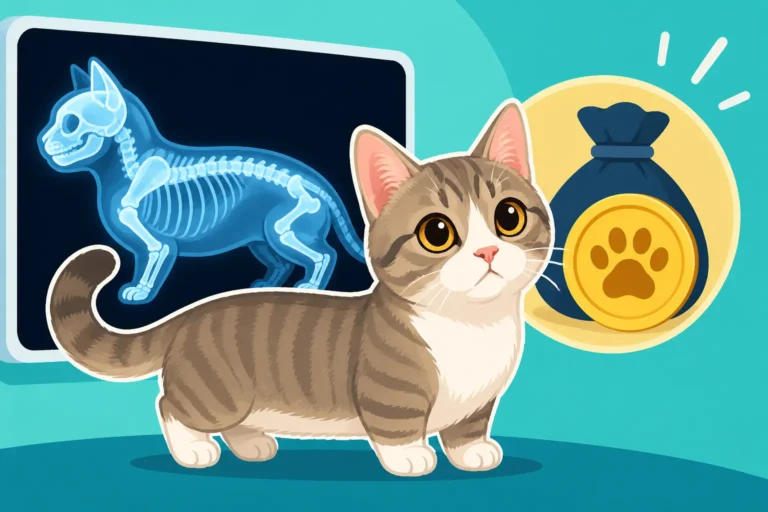
To truly understand the structural integrity of your rescue Munchkin's spine and chest, diagnostic imaging is often necessary. X-rays are the gold standard for visualizing the skeletal system. They allow your veterinarian to see the alignment of the vertebrae, identify any abnormal curvatures (like lordosis), and assess the shape of the rib cage and sternum (to diagnose pectus excavatum). X-rays can reveal:
- Vertebral anomalies: Any malformations in the individual bones of the spine.
- Degree of lordosis: How pronounced the inward spinal curve is.
- Severity of pectus excavatum: The extent to which the sternum is sunken, and how much it might be compressing internal organs.
- Signs of arthritis or joint degeneration: Although not directly spinal, these can be related to unusual weight distribution from spinal issues.
In some cases, if X-rays reveal concerns that suggest nerve compression or more complex soft tissue issues, your vet might recommend more advanced imaging like an MRI (Magnetic Resonance Imaging). An MRI provides detailed images of soft tissues, including the spinal cord, nerves, and surrounding muscles, which can be invaluable for understanding the full impact of any spinal deformity. This is not about being overly cautious; it's about being thoroughly informed. It's really about taking the steps to fully assess When a Munchkin Should Have Its Spine Imaged to ensure they aren't living with hidden pain.
Practical Steps for New Rescue Munchkin Owners
Once you've made the wonderful decision to bring a rescue Munchkin into your life, there are immediate and ongoing steps you can take to prioritize their spinal health and overall well-being. Being proactive is key to managing any potential challenges.
Choosing the Right Veterinarian
Finding a veterinarian who is either knowledgeable about Munchkin cats specifically or, at the very least, willing to educate themselves on the breed's unique anatomy and predispositions, is incredibly important. Not all vets will have extensive experience with dwarf breeds, and that's okay, as long as they are open to learning and collaborating with you. Don't be afraid to ask potential vets about their experience with Munchkins or similar dwarf breeds. A good vet will be honest about their experience and ready to consult with specialists or research the specific concerns you have.
You'll want a vet who understands the nuances of the breed's conformation and the potential for conditions like lordosis or pectus excavatum, not just general feline health. Some veterinarians hold strong opinions about the breed, and while it's important to respect their views, your focus should be on finding a professional who can provide objective, compassionate care for your individual cat. Remember, Why Vets Disagree About the Munchkin is a complex issue, but your priority is your cat's health.
Preparing for the Vet Visit and Follow-Up Care
Before your first vet visit with your rescue Munchkin, take some time to observe their behavior. Note down anything unusual, such as:
- Gait and movement: Do they walk differently? Do they seem to favor one side? Do they struggle with stairs or ramps?
- Jumping habits: Are they reluctant to jump even small distances? Do they land awkwardly?
- Grooming difficulties: Do they struggle to reach certain areas, particularly their back or hindquarters?
- Posture: Do you ever notice their back sagging or their chest appearing indented?
- Pain signals: Any vocalizations, aggression, or withdrawal when touched in certain areas?
Share all these observations with your vet. This information, combined with the physical exam and spinal imaging, will give the most complete picture of your cat's health.
If spinal issues are identified, be prepared for potential follow-up care. This could involve:
- Pain management: Medications to alleviate discomfort.
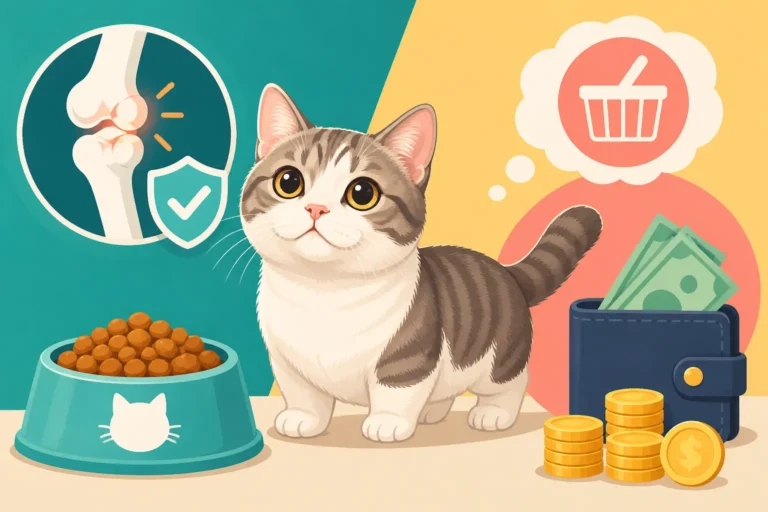
- Joint supplements: Nutritional support to promote joint health and reduce inflammation. Products available through retailers like Chewy often include a wide range of joint supplements designed for cats, from chews to powders to mix with food.
- Weight management: Keeping your Munchkin at an ideal weight is paramount to minimizing strain on their spine and joints. High-quality, balanced nutrition is key to managing weight effectively.
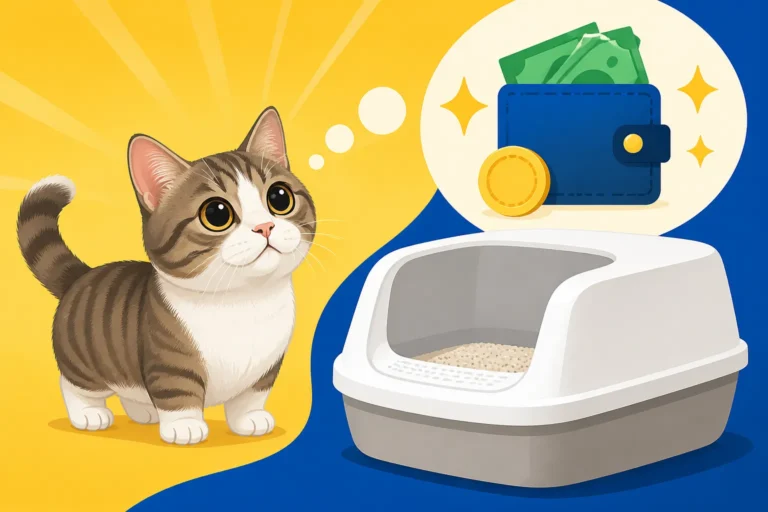
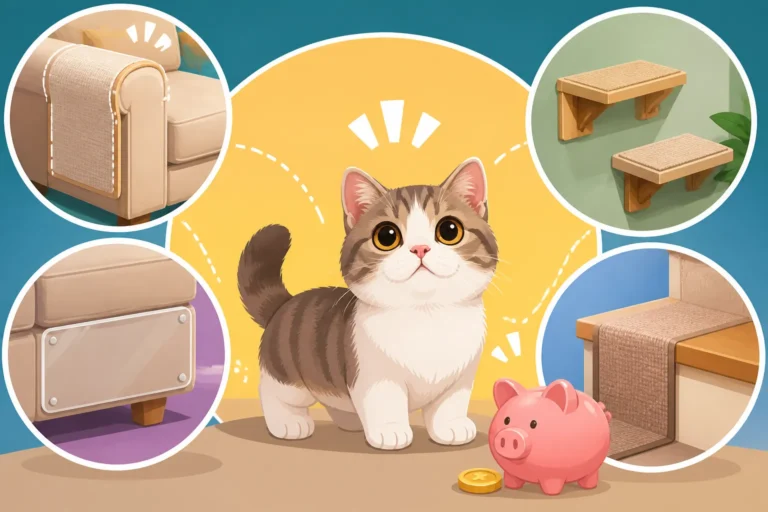
- Environmental adaptations: Ensuring your home is safe and accessible (ramps, low litter boxes, etc.).
Remember, managing a chronic condition is a marathon, not a sprint. What a Year of Joint Support Costs a Munchkin Owner is a factor to consider, as is What Pain Relief a Stiff Munchkin Can Take to ensure their comfort.
Considering Pet Insurance for Long-Term Care
One of the most valuable proactive steps you can take for a rescue Munchkin, especially before any potential diagnoses, is to enroll them in a comprehensive pet insurance plan. The moment a condition like lordosis or pectus excavatum is documented by a veterinarian, it's generally considered a pre-existing condition, and future treatment for it may not be covered by most insurance policies. This makes getting coverage before that initial comprehensive spinal check-up incredibly strategic.
Pet insurance can help mitigate the financial burden of diagnostic imaging, potential surgeries, ongoing medications, and specialized therapies that might be needed if spinal issues are discovered. Look for plans that offer good coverage for congenital and hereditary conditions, ideally with a short waiting period. Companies like Healthy Paws are often praised for their comprehensive coverage, though it's always wise to research and compare plans to find one that best fits your budget and your cat's potential needs. Understanding Why to Insure a Munchkin Before Its Spine Is Imaged is a critical piece of advice for any new Munchkin owner.
| Aspect | Standard Vet Check (General Cat) | Specialized Munchkin Spinal Check (Rescue) |
|---|---|---|
| Primary Goal | General wellness, vaccine updates, basic health screening. | Detailed assessment of unique breed-specific skeletal health risks. |
| Focus Area | Overall body systems, teeth, ears, coat. | Intensive focus on spine, ribs, and limb conformation. |
| Diagnostic Tools | Physical palpation, observation, basic blood work if needed. | Physical palpation, observation, mandatory X-rays of spine/chest, potentially MRI. |
| Information Needed | General history, lifestyle questions. | Any available history, plus detailed observations of movement, posture, pain. |
| Risk Assessment | General feline health risks. | Elevated risk of lordosis, pectus excavatum, joint issues due to dwarfism. |
| Cost Implications | Standard consultation fees. | Higher initial costs due to imaging, potentially ongoing treatment. |
| Long-Term Plan | Annual wellness checks. | Annual wellness checks, plus monitoring of spinal health, joint care, and weight management. |
Bringing a rescue Munchkin into your home is a commitment to a unique and wonderful companion. By prioritizing a thorough spinal check, you're not just identifying potential problems; you're equipping yourself with the knowledge and tools to provide the best possible quality of life for your short-legged friend. They deserve every chance at a comfortable, happy, and pain-free life, and a proactive approach to their health is the greatest gift you can give them.
Disclaimer
This article is for general informational purposes only and does not constitute professional advice. Laws, prices and regulations vary by location and change over time. Consult a qualified professional for guidance on your specific situation.