What a Munchkin Costs Over Thirteen Years
Munchkin cat ownership expenses over thirteen years span initial purchase prices, travel fees, and ongoing lifetime care costs.
The price tag is the smallest number.
Purchase and adoption costs, insurance, routine vet care, food and grooming budgets, and the emergencies that change the total.
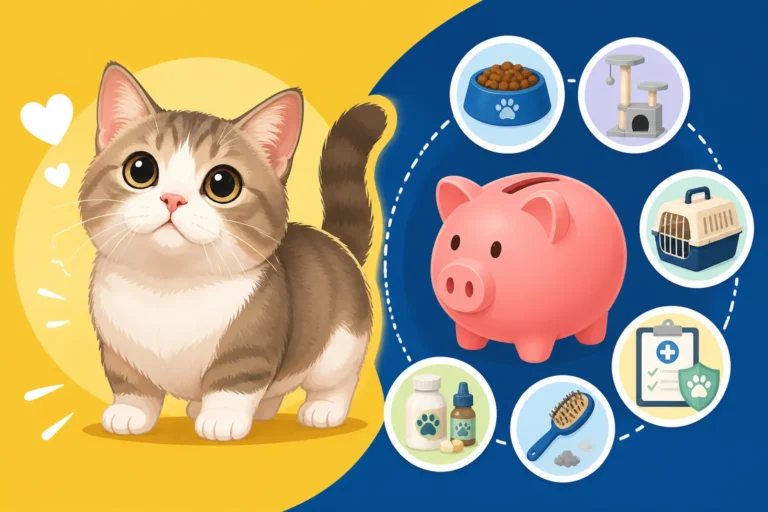
Munchkin cat ownership expenses over thirteen years span initial purchase prices, travel fees, and ongoing lifetime care costs.
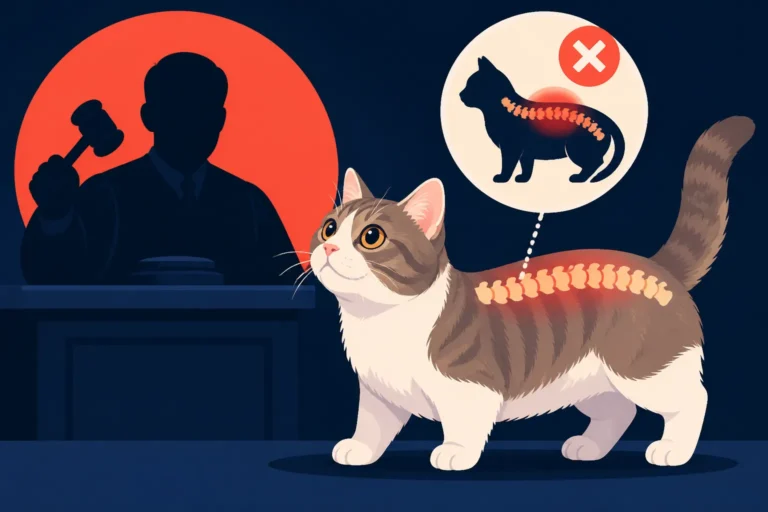
Munchkin cat spinal health is determined by genetics and unique skeletal biomechanics because short legs support a normal body length.

Ethical Munchkin cat breeders and red flags for identifying sellers offering kittens with dangerous genetic mutations.
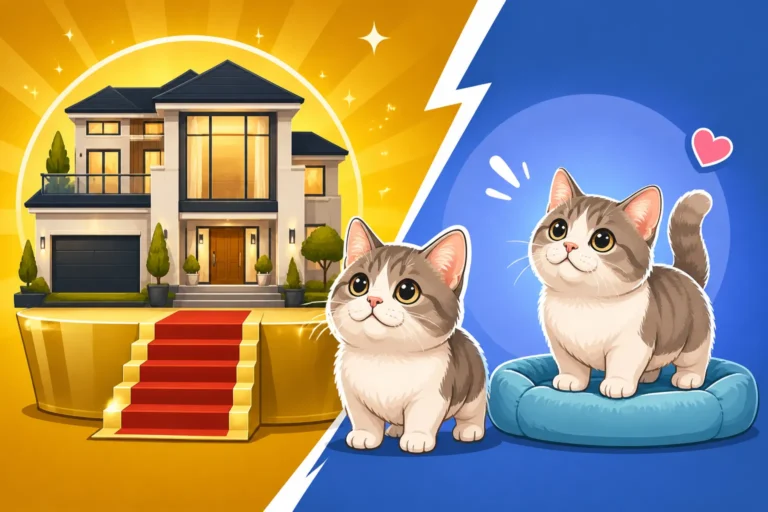
Adapting home living spaces with ramps and steps for a short-legged Munchkin cat costs significantly more than the initial purchase price.
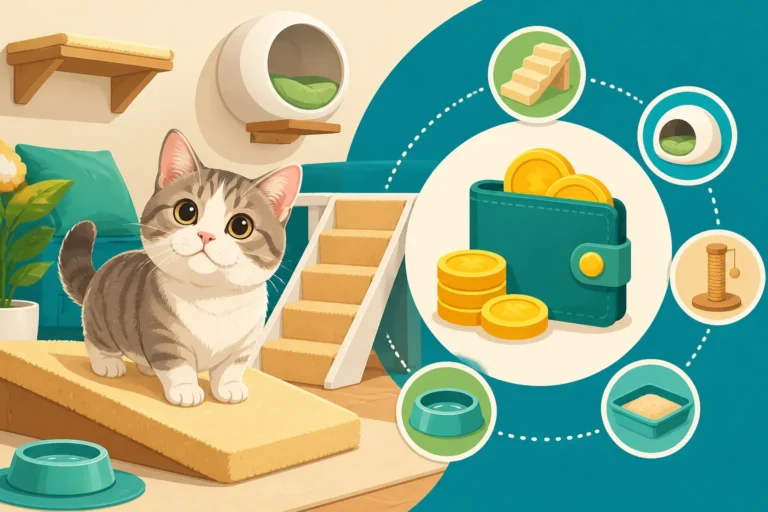
Annual maintenance costs for Munchkin cat ramps and specialized low-rise cat trees include replacing worn carpet and grip tape.
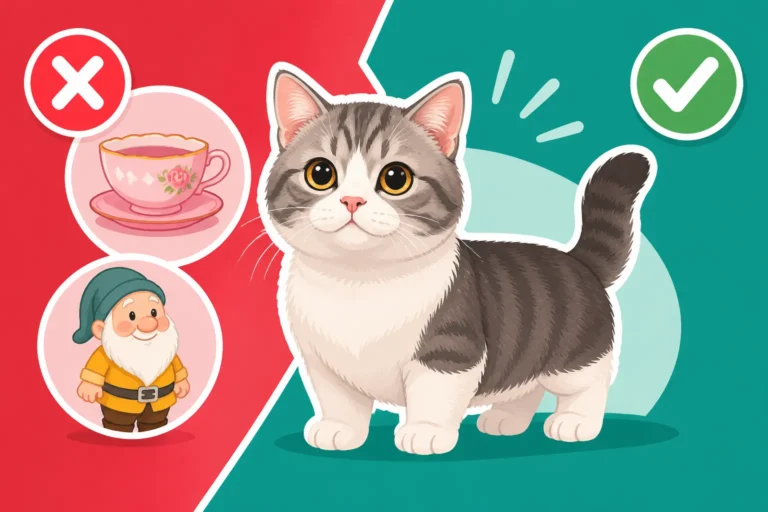
Teacup and dwarf cat labels are marketing terms, not official breed standards recognized by registries like TICA or CFA.
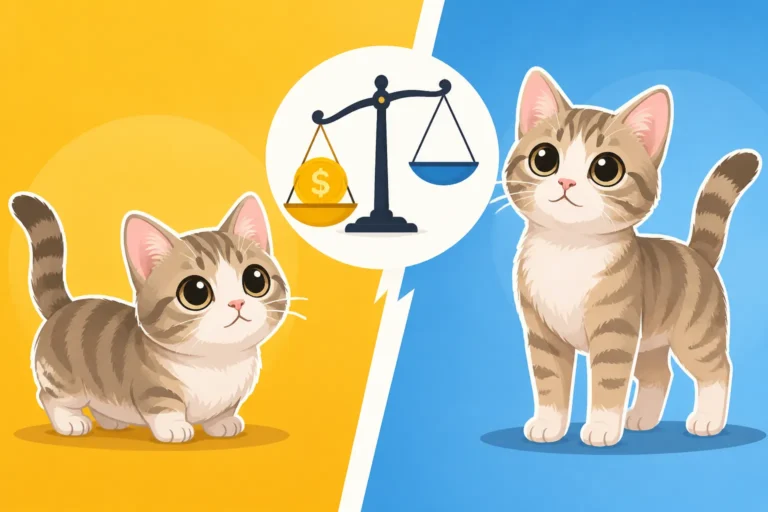
Munchkin kitten prices vary within litters because one autosomal dominant gene creates a fifty percent chance of short legs.
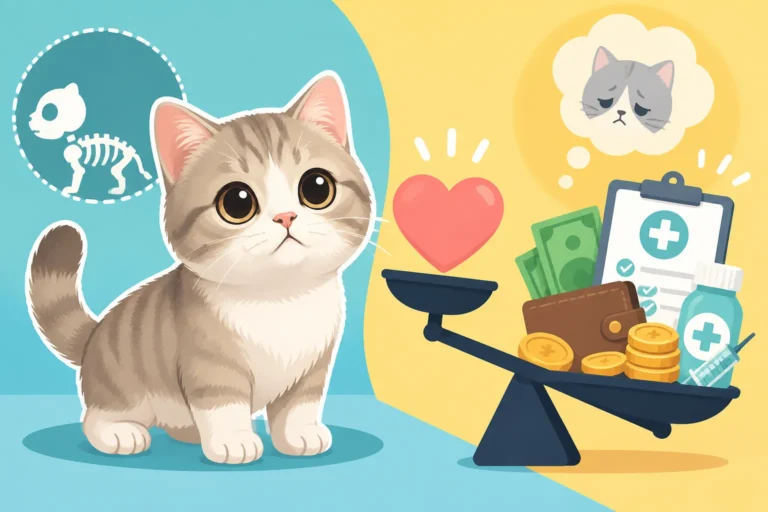
Munchkin kitten prices and lifetime expenses reflect complex breeding practices, genetic testing costs, and varying leg lengths.
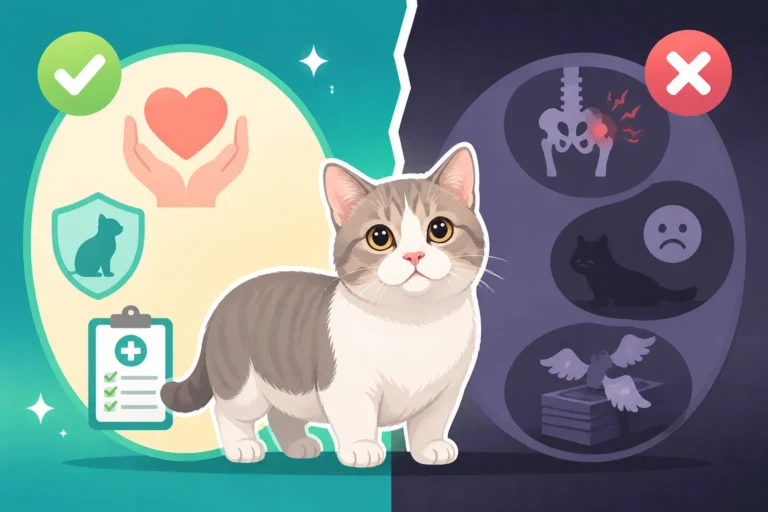
Cat breed recognition affects pedigree papers, pet insurance, and veterinary care for unrecognized cats like the Munchkin.
The International Cat Association recognizes the Munchkin cat breed, while the Cat Fanciers Association refuses registration.