At What Age a Munchkin Starts to Stiffen
Munchkin cat joint stiffness typically appears as cats age, showing signs like hesitation to jump and changes in grooming habits.
Know what to watch for.
Breed-specific conditions, screening and DNA tests, what surgery actually costs, and the daily habits that stretch a healthy lifespan.
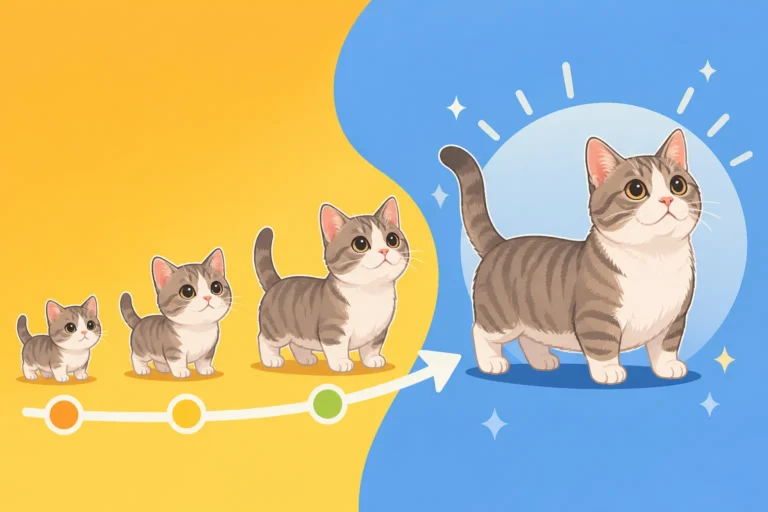
Munchkin cat joint stiffness typically appears as cats age, showing signs like hesitation to jump and changes in grooming habits.
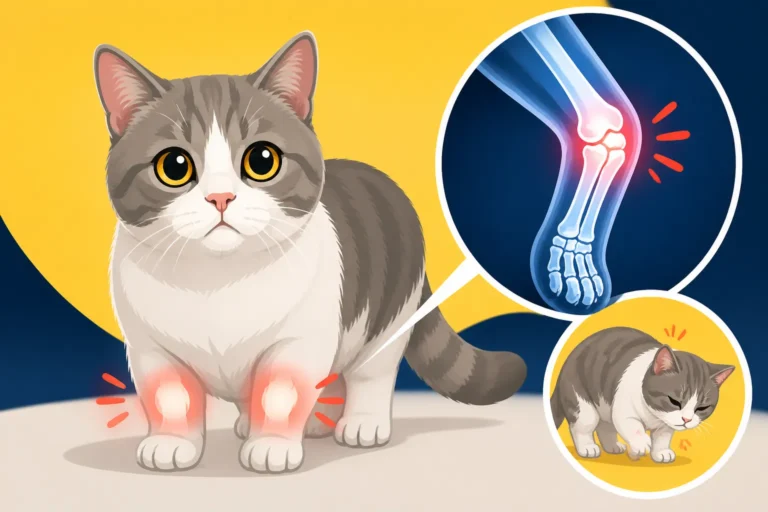
Arthritis in Munchkin cat front legs stems from genetic short limbs, altered biomechanics, and increased shoulder stress.
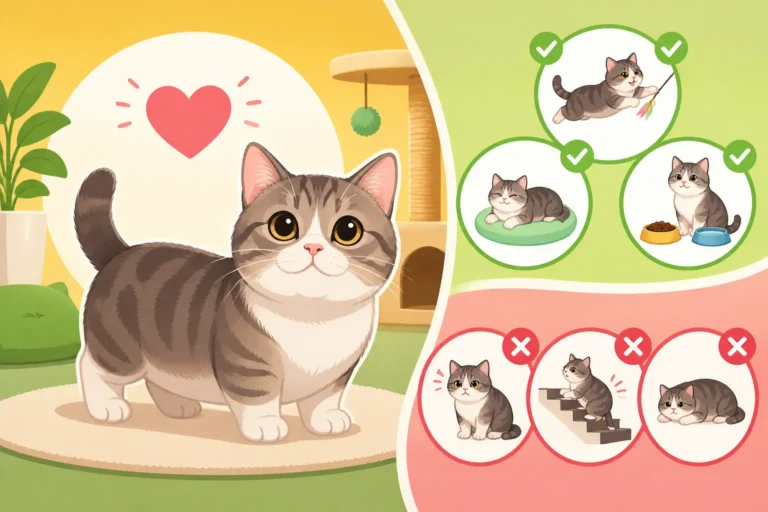
Munchkin cat quality of life depends on monitoring pseudoachondroplasia, short leg mobility, lordosis, and early arthritis risks.
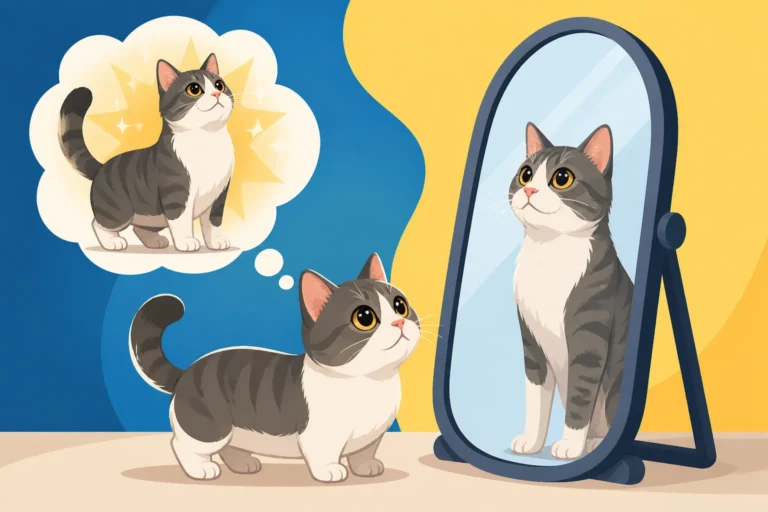
Munchkin cat self-awareness and how short legs affect feline behavior, physical movement, and daily environmental adaptation.
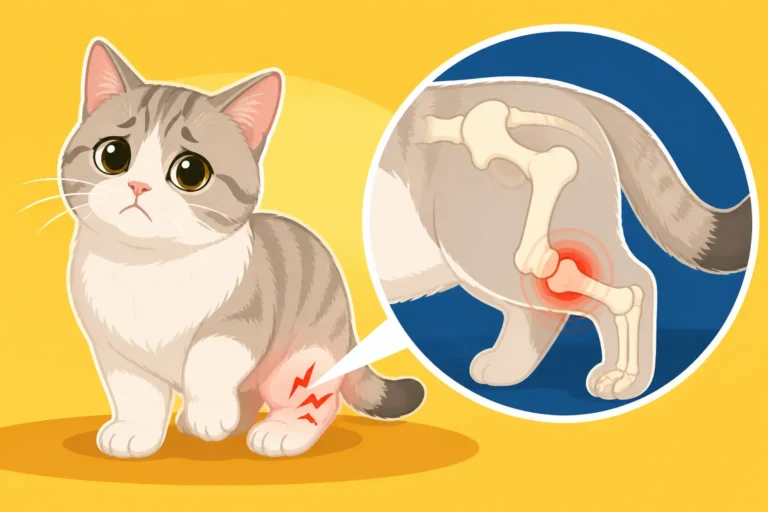
Munchkin cat leg pain analysis explains pseudoachondroplasia genetics, bone density, and normal spine length affecting short limbs.
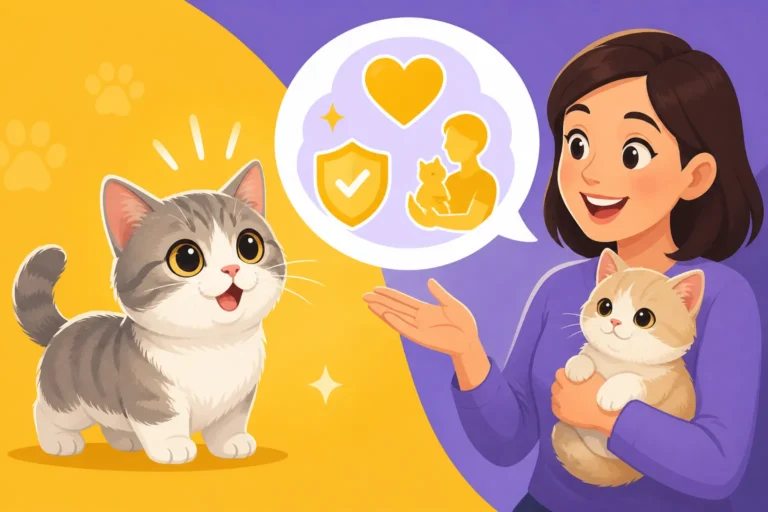
Munchkin cat breeders explain how they address welfare objections regarding short legs, spinal curves, and sunken chests.
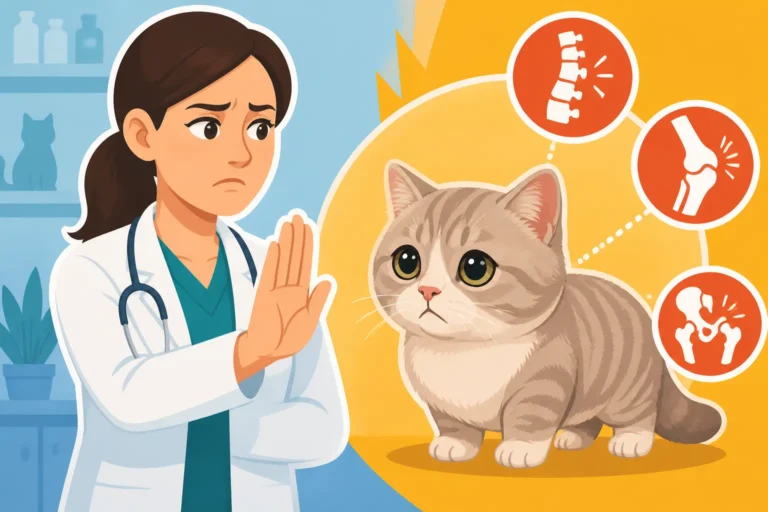
Munchkin cat genetics involve pseudoachondroplasia and a dominant dwarfism gene that causes severe health concerns for veterinarians.
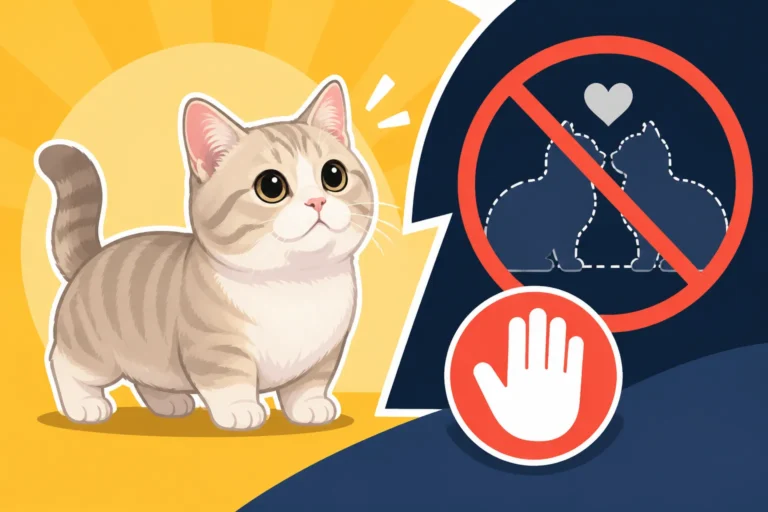
Munchkin cat breeding is banned or restricted in several European countries over health concerns like lordosis and pectus excavatum.
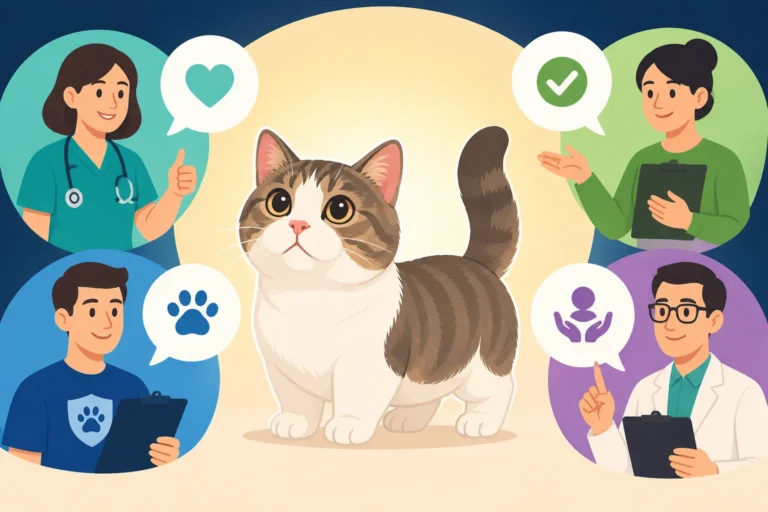
Animal welfare organizations oppose breeding Munchkin cats due to health risks from the genetic mutation causing dwarfism.
Scarcity of Munchkin cat health research stems from divisive breed recognition, lack of club funding, and high study costs.