How Deep a Munchkin’s Litter Should Be
One of the trickiest parts about caring for a Munchkin cat is adapting your home to their unique physical needs, and often, something as seemingly simple as the litter box can become a real head-scratcher. Many owners find themselves frustrated when their short-legged companions hesitate at the litter box, or worse, start going outside of it. This guide will walk you through understanding why litter depth matters so much for your Munchkin and how to find that "just right" amount to keep them happy and clean.
Understanding Your Munchkin's Unique Physiology and Its Impact on Litter Use
It’s easy to think "litter is litter," but for a Munchkin, whose entire body architecture is different from a standard cat, every detail matters. Their short legs and lower center of gravity mean they interact with their environment in ways a typical cat doesn't. This is especially true inside a confined space like a litter box.
The Low-Slung Belly and Litter Contact
Imagine walking through deep snow, but your chest is barely off the ground. That's a bit like what a Munchkin experiences in a litter box filled with too much litter. Their adorable, low-slung bellies, which are one of their defining characteristics, mean they sit much closer to the litter itself. This isn't just a minor inconvenience; it can lead to several problems.
Firstly, an excessive amount of litter means more direct contact with your cat's fur and skin, particularly around their underside and hindquarters. This can be deeply uncomfortable and unhygienic. Clumping litter, especially, can stick to damp fur, creating irritating clumps that are difficult for your cat to remove. If left unchecked, this can lead to skin irritation, soreness, or even infections in sensitive areas. It's a common frustration for owners to find tiny bits of litter stuck to their Munchkin's fur, clinging to their belly or dragging through the house. The low stature means more litter tracking out of the box, not just on their paws, but potentially clinging to their whole underside. This constant discomfort can make the litter box a very unappealing place to be.
Movement and Mobility Within the Box
For a cat with normal length legs, navigating a litter box, even one filled with several inches of litter, is usually no big deal. They can step in, dig, turn around, and step out with ease. For a Munchkin, however, deep litter can feel like trying to run through quicksand. Their short legs have to work much harder to push through the loose material, making simple acts like digging and covering waste a strenuous effort. This isn't just about physical exertion; it also puts undue strain on their joints and spine.
Think about how a Munchkin's body is designed: their legs are significantly shorter, but their spine is generally of a normal length for a cat. This means their back carries a load that a normal cat's spine does not, due to the different leverages created by their short limbs. Every jump, every landing, and yes, even every awkward scramble in a too-deep litter box can stress those areas. If the litter is too deep, your Munchkin might find it difficult to brace themselves, to turn comfortably, or even to find a stable footing to relieve themselves. This difficulty can lead to them rushing the process, not covering their waste adequately, or developing an aversion to the box altogether. You want their litter box experience to be as smooth and comfortable as possible, to encourage good habits and prevent unnecessary strain.
Psychological Comfort and Cleanliness
Cats are famously fastidious creatures. They have an innate desire to be clean and to keep their toilet areas pristine. When a Munchkin finds their litter box experience unpleasant or physically challenging, it can have a significant psychological impact. A litter box that feels like a chore or a source of discomfort can quickly become associated with negative feelings.
If your Munchkin feels messy after using the box because litter is clinging to their fur, or if they struggle to perform their natural digging and covering behaviors, it can lead to anxiety. This anxiety might manifest as them avoiding the box, seeking out alternative places to relieve themselves – perhaps a rug, a bath mat, or even a potted plant. This is an all-too-common scenario for Munchkin owners who haven't quite hit on the right litter depth. It's not about being "naughty"; it's about communicating that something isn't right with their environment. A comfortable and accessible litter box is key to their mental well-being and maintaining a clean home for everyone. Owners often worry about it going outside a box it cannot enter (Why a Munchkin Will Go Outside a Box It Cannot Enter), and litter depth can absolutely be a factor.
Finding the "Just Right" Litter Depth for Your Munchkin
So, what's the magic number? While every cat is an individual, there's a generally accepted range that works best for most Munchkins. The goal is to provide enough litter for digging and absorption without creating an obstacle course or a messy swamp for your short-legged friend.
The Ideal Range
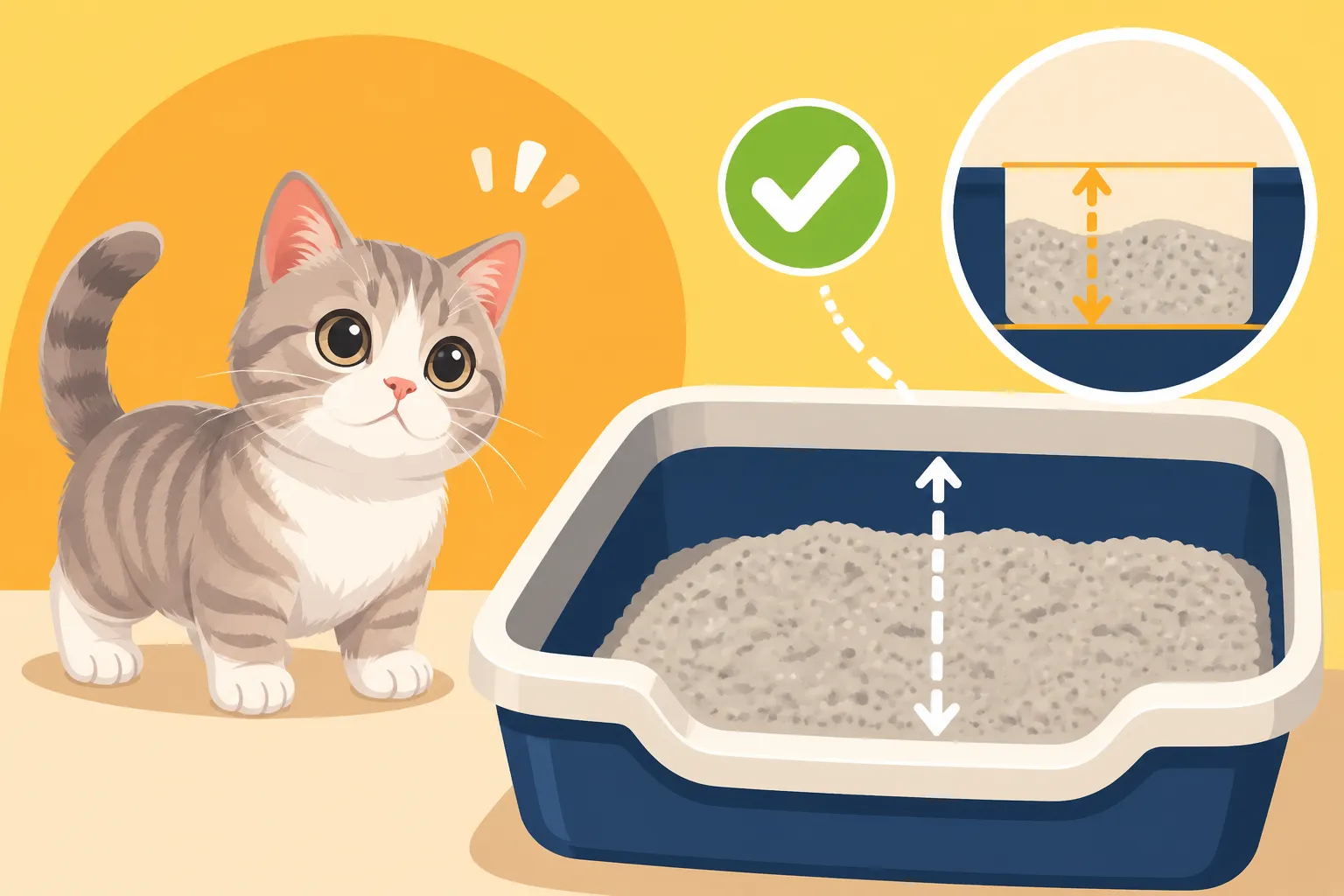
For most Munchkin cats, an ideal litter depth falls within the range of 1 to 2 inches (2.5 to 5 cm). This shallow depth strikes a crucial balance: it's enough to absorb urine and allow for proper waste covering, but not so deep that it becomes a challenge for your Munchkin to navigate.
- 1 inch: This might seem incredibly shallow to some, but for a "rug hugger" Munchkin or one who is particularly sensitive to litter contact, this could be the perfect starting point. It allows them to feel solid ground beneath their paws while still having enough loose material to scratch around in.
- 1.5 inches: Often considered the sweet spot. It offers good coverage and absorbency without being overly deep. Your Munchkin should be able to dig and move around comfortably without getting bogged down.
- 2 inches: This is generally the maximum recommended depth. Any deeper than this, and you risk reintroducing the problems of discomfort, increased tracking, and physical strain on their joints.
The key is experimentation. Start at the lower end of this range and observe your cat's behavior. Are they entering and exiting easily? Are they digging and covering their waste thoroughly? Are they clean when they leave the box? Their actions will tell you if you've hit the mark.
Factors Influencing Optimal Depth
While 1-2 inches is a great guideline, a few other elements can subtly influence the perfect depth for your specific Munchkin:
- Litter Type: The kind of litter you use makes a difference.
- Fine-grained clumping litters: These tend to pack down more densely and can feel more like quicksand if too deep. With these, you might lean towards the 1 to 1.5-inch mark. They are also notorious for sticking to fur, so a shallower depth minimizes contact. We've talked about Which Litter Sticks to a Munchkin's Belly before, and finer clay litters are often the culprits.
- Pelleted litters (wood, paper): These are larger and lighter. Because of their bulk, 2 inches of pellets might actually feel less obstructive than 2 inches of fine clay litter, as they offer more "air" and are easier to push aside. However, they don't always offer the same digging satisfaction for all cats.
- Crystal litters: These are also larger and can be quite abrasive. A shallower depth is often preferred here to avoid skin irritation on the paws and belly.
- Munchkin's Individual Preference: Just like people, cats have their quirks! Some Munchkins might be enthusiastic diggers who prefer a little more material to work with, while others are more delicate. Pay attention to how your cat interacts with the litter at different depths. Do they paw at it tentatively, or dig with gusto?
- Type of Litter Box: The design of the litter box itself plays a role. A box with an extremely low entry lip (which is ideal for Munchkins, as discussed in How Low a Munchkin Litter Box Entry Should Be) might feel more spacious even with a slightly deeper litter, compared to a box with higher sides that shrinks the perceived usable space. Also, a very large box might allow for slightly deeper litter in one area while still offering shallower spots.
Observing Your Munchkin's Preferences
Ultimately, your Munchkin is the expert on what feels right. The best way to determine the optimal litter depth is to become a keen observer of their litter box habits.
- Entry and Exit: Do they hesitate before entering? Do they struggle to climb over the edge, even if it's a low-entry box? Do they "hop" in or out rather than stepping smoothly? If so, the litter might still be too deep, or the box itself is a barrier.
- Digging Behavior: Do they dig vigorously, or do they barely scratch at the surface? Do they spend a lot of time trying to cover their waste, as if struggling to find enough loose material, or do they quickly abandon the effort? Too little litter, and they might feel they can't cover; too much, and they might feel they can't dig effectively.
- Body Posture: When they're inside the box, are they crouched uncomfortably, or do they seem relaxed? Are their hindquarters making contact with the litter itself? This is a strong indicator that the depth needs adjustment.
- Cleanliness After Use: Are they coming out of the box with litter clinging to their fur, especially on their belly or hind legs? This is a clear sign that the litter is too deep or the type of litter is unsuitable for their low stature. You'll definitely want to know How to Clean a Munchkin's Rear if this becomes a recurring issue.
- Accidents Outside the Box: This is the most obvious sign something is wrong. Before assuming a medical problem, always evaluate the litter box setup, including depth, type of litter, and box accessibility. Remember, Why a Munchkin Will Go Outside a Box It Cannot Enter can often be due to physical barriers, and deep litter acts as one.
Make small adjustments, one variable at a time (e.g., reduce depth by half an inch), and give your Munchkin a few days to adapt before making another change. Patience and careful observation are your best tools here.
Practical Tips for Maintaining the Perfect Litter Depth
Once you've found that sweet spot for litter depth, maintaining it consistently is crucial for your Munchkin's comfort and continued good litter box habits. It's not a set-it-and-forget-it situation, especially with daily use.
Choosing the Right Litter Box
The right litter box is foundational to making shallow litter work. For a Munchkin, accessibility is paramount. You absolutely need a box with a very low entry point. This minimizes the effort and strain required for them to get in and out, making the entire experience less daunting. What a Low Entry Munchkin Litter Box Costs might be a consideration, but it's an essential investment in their comfort.
Even with shallow litter, a box with a high front lip that they have to scramble over can deter them. Many owners find senior cat litter boxes or even large storage containers with a section cut out of the front work wonderfully. You can often find a good selection of these accessible boxes on sites like Chewy or Amazon. While the entry needs to be low, the sides can still be high to contain any enthusiastic digging and reduce scattering, as we discussed in Why a High Sided Box Still Suits a Munchkin. This combination ensures easy access while keeping your home cleaner.
Regular Scooping and Replenishment
With shallow litter, daily (or even twice-daily) scooping becomes even more critical. When there's less litter, each urination and defecation uses up a larger proportion of the available clean litter. If not scooped promptly, the remaining clean litter quickly becomes soiled, leading to:
- Odor issues: Shallow, dirty litter will smell faster.
- Hygiene problems: Your Munchkin is more likely to step in or lay on soiled areas.
- Litter box aversion: A dirty box, even with the right depth, is still a dirty box, and your fastidious cat will avoid it.
After scooping, assess the remaining depth. You’ll need to top up the litter regularly to maintain that ideal 1-2 inch level. Don't just dump a fresh layer on top once a week. Instead, add small amounts daily or every other day, as needed, to keep the depth consistent. This proactive approach ensures your Munchkin always has a clean, comfortable depth to work with. Remember, the goal is constant optimal conditions, not periodic overhauls.
Dealing with Litter Tracking on Low Bellies
Let's be real: litter tracking is an inevitable part of cat ownership, but for Munchkins, it's often more pronounced due to their low stature. Their bellies and undercarriage are closer to the litter, meaning more opportunities for particles to cling to their fur. This is where Which Litter Sticks to a Munchkin's Belly becomes particularly relevant. Fine clay litters are often the worst culprits for sticking and spreading.
Here are a few strategies to minimize the mess and discomfort:
- Litter Matting: Place large, textured litter mats directly outside the box. These mats are designed to catch litter particles from paws and fur as your cat exits. Look for deep-grooved or mesh-style mats on Amazon or Chewy that can trap a lot of litter.
- Litter Type Choice: Experiment with different litter types.
- Larger granule litters: Pelleted litters (wood, paper, tofu) or larger crystal litters often track less because they don't cling as easily to fur. However, ensure your Munchkin is comfortable with the texture.
- Lower dust litters: While not directly related to sticking, low-dust formulas can improve overall air quality and prevent respiratory irritation for your cat, which is always a bonus.
- Regular Grooming and Inspection: For long-haired Munchkins, or any Munchkin prone to matting, regular brushing, particularly around their hindquarters and belly, is crucial. This not only removes trapped litter but also prevents matting, which can become a significant health problem. Consider a sanitary clip around their rear end to keep the fur short and reduce adherence of litter and waste. This might sound like a lot, but keeping your Munchkin clean is a vital part of their care.
| Litter Depth | Pros for Munchkins | Cons for Munchkins | Best For |
|---|---|---|---|
| 0.5 inch | Minimal belly contact, easy entry/exit, less tracking | Poor odor absorption, waste might not be fully covered, 'bottoming out' | Very sensitive cats, or those who barely dig; requires very frequent scooping |
| 1-1.5 inches | Balanced comfort & function, good absorption | Requires diligent scooping, might still track a little | Most Munchkins, good starting point for experimentation |
| 2 inches | More material for digging, better odor absorption | Can cause slight belly contact, harder to navigate for some | Energetic diggers, larger Munchkins; absolute maximum depth |
| > 2 inches | Significant belly contact, difficult movement, increased tracking, joint strain | Not recommended for Munchkins; can lead to box aversion |
Common Mistakes and Troubleshooting Litter Depth Issues
Even with the best intentions, it's easy to fall into certain traps when it comes to litter boxes. Understanding these common pitfalls and how to troubleshoot them can save you and your Munchkin a lot of stress.
Too Much Litter Syndrome
This is arguably the most common mistake made by owners of short-legged cats. We often default to filling the litter box generously, thinking "more is better" for absorption and odor control. However, for a Munchkin, too much litter (anything significantly over 2 inches) creates a host of problems:
- Physical Discomfort and Strain: As discussed, deep litter makes entry, exit, and maneuvering inside the box difficult and potentially painful. Their short legs have to exert much more effort to push through it. This can exacerbate any underlying joint sensitivities and contribute to early stiffness.
- Increased Tracking: The more litter your cat's body comes into contact with, the more of it will cling to their fur and get tracked out of the box. This means more cleaning for you and a messier environment for your cat.
- Litter Box Aversion: If using the litter box becomes an unpleasant or physically challenging experience, your Munchkin might start looking for alternatives. This often leads to "accidents" outside the box, which are frustrating for owners but are often a clear cry for help from your cat.
- Wasted Litter: You're simply using more litter than necessary, which means more frequent purchases and more environmental impact. A reputable brand, whether purchased from Chewy or your local pet store, will still perform well with appropriate depth.
If you suspect you've been using too much litter, the solution is simple: gradually reduce the depth. Start by scooping out some of the excess, aiming for that 1.5-inch sweet spot. Observe your cat's reaction over a few days. You'll likely see an immediate improvement in their willingness to use the box and their general comfort.
Too Little Litter Woes
On the flip side, going too shallow can also create problems. While minimizing depth is important, taking it to an extreme (e.g., less than 1 inch consistently) can also be detrimental:
- Inadequate Absorption and Odor Control: With insufficient litter, urine can quickly saturate the thin layer and soak directly into the bottom of the litter box. This creates persistent odors that are hard to eliminate and makes the box unhygienic.
- Bottoming Out: Your Munchkin might dig down to the hard plastic bottom of the box before they can effectively cover their waste. This can be unpleasant for them, as they prefer to bury their waste. It also makes cleaning more difficult, as soiled material can stick stubbornly to the box.
- Lack of Digging Satisfaction: Cats have a natural instinct to dig and cover. If there isn't enough litter to satisfy this urge, they might feel frustrated, leading to them not burying their waste or feeling unsatisfied with the cleanliness of their potty area.
If you've been keeping your litter too shallow, the solution is to slowly increase the depth. Add small amounts, a quarter-inch at a time, until you reach that 1 to 1.5-inch ideal. Again, watch your Munchkin for signs of comfort and proper usage. Finding the balance is key.
When Your Munchkin Refuses the Box
The absolute worst outcome of an inappropriate litter box setup, including incorrect depth, is when your Munchkin starts eliminating outside the box. This can be incredibly upsetting for owners, but it’s crucial to understand that it's rarely malicious. It's often a clear signal that something about their designated toilet area is unacceptable to them.
Before panicking or punishing your cat (which is never effective and only creates more anxiety), systematically troubleshoot the litter box situation:
- Litter Depth: Re-evaluate the depth using the guidelines above. Is it too deep, making it hard to move? Is it too shallow, leading to bottoming out?
- Litter Type: Is the litter itself uncomfortable? Is it too coarse, too dusty, or does it stick to their fur too much? Consider switching to a different brand or type, perhaps a large-granule litter you can find on Amazon or Chewy.
- Litter Box Accessibility: Can your Munchkin get in and out easily? Is the entry lip too high? Why a Munchkin Will Go Outside a Box It Cannot Enter often boils down to this fundamental issue.
- Cleanliness: Is the box scooped frequently enough? Is the entire litter changed and the box washed regularly? Cats are very sensitive to dirty boxes.
- Location: Is the box in a private, quiet area? Is it near loud appliances or high-traffic zones?
- Number of Boxes: Do you have enough litter boxes? The general rule is one box per cat, plus one extra, spread throughout the house.
If you've addressed all these environmental factors and your Munchkin is still having accidents, it's time to consult your veterinarian. Medical issues, such as urinary tract infections, kidney problems, or even arthritis (which could make accessing the box painful), can also cause inappropriate elimination. Your vet can rule out any underlying health concerns, and often, solving the litter depth issue, alongside other considerations, can make a world of difference in preventing these frustrating situations.
This article is for general informational purposes only and does not constitute professional advice. Laws, prices and regulations vary by location and change over time. Consult a qualified professional for guidance on your specific situation.