Why a Munchkin Sleeps Wherever It Can Get To
It's a familiar sight for any Munchkin cat owner: your little companion curled up in the most unexpected, often low-to-the-ground, spot you can imagine. We've all seen our short-legged pals snooze under a coffee table, tucked into a laundry basket, or even stretched out on a bathmat. This isn't just a quirky habit; it's a direct reflection of their unique physiology and their intrinsic need for safety and comfort in a world built for taller feline acrobatics. This guide will delve into why your Munchkin chooses these specific spots for slumber and how you can make your home a truly safe and cozy haven for them.
The Physical Realities Influencing a Munchkin's Sleep Choices
Let's be real, a Munchkin's short legs, while utterly adorable, fundamentally change how they interact with their environment, especially when it comes to finding a place to rest. They're not just short; their bone structure means they often can't jump or climb with the same ease as a standard-legged cat. This isn't a disability, but it absolutely dictates their behavior, particularly when they're seeking a safe and comfortable spot for a nap.
The Limits of Vertical Access
Unlike their long-legged cousins who might effortlessly spring onto a tall bookshelf or a high cat tree, a Munchkin's jumping prowess is significantly curtailed. When you look at How High a Munchkin Can Actually Jump, you'll quickly realize that many seemingly accessible surfaces are simply out of reach. That plush cat bed on top of the dresser? Forget about it. The cozy window perch designed for a cat to survey its domain from above? Unless there's a ramp or a carefully placed series of steps, it's often a no-go. This means their instinct to find high ground for security—a common feline trait—is often thwarted by their physical design.
Because they can't easily reach elevated spots, Munchkins naturally gravitate towards accessible, ground-level areas. These can include under beds, behind sofas, or inside open cabinets. They seek out enclosed, secure spaces that offer a sense of protection without requiring a heroic leap. It's not that they don't want to be up high; it's that the effort required, and the potential risk of a clumsy landing, often outweighs the benefit. You might notice them attempting a jump multiple times, only to give up and settle for a lower spot. This repeated effort can also be hard on their joints, and Why a Munchkin Should Not Be Jumping Down Repeatedly highlights the importance of minimizing strain.
Prioritizing Warmth and Enclosure
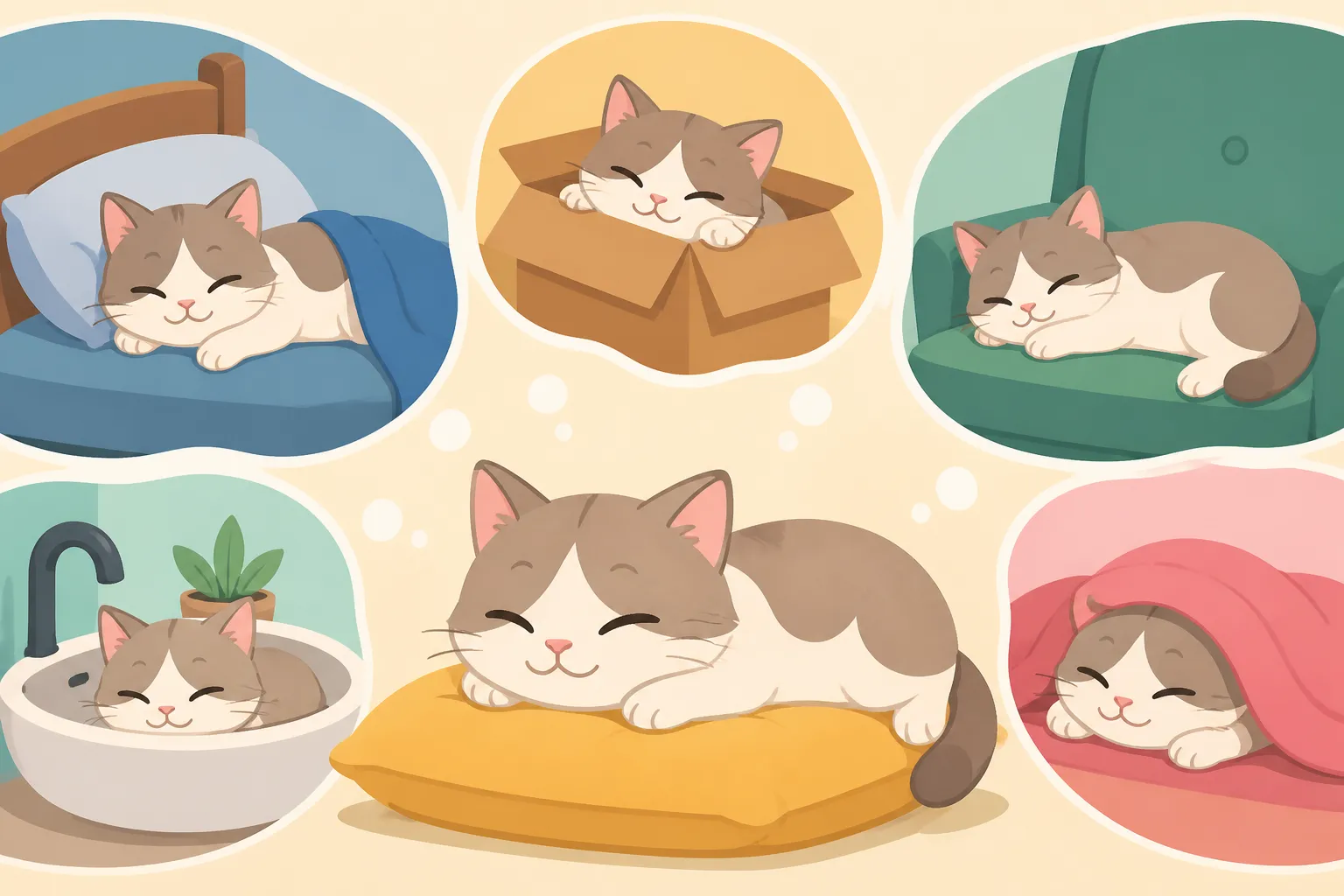
Cats, by nature, are connoisseurs of comfort, and Munchkins are no exception. Given their proximity to the floor, they are more susceptible to drafts and cooler ambient temperatures, especially on hard surfaces. This often leads them to seek out spots that offer natural insulation or a sense of enclosure. Think about those times you've found your Munchkin tucked into a pile of clean laundry, burrowed under a blanket, or squeezed into a tight box. These aren't just cute photo opportunities; they're strategic choices for warmth and security.
A spot under a low piece of furniture, like a coffee table with a blanket draped over it, or inside a pet carrier left open, provides a cave-like environment. This enclosure taps into their primal instincts for a den, a safe retreat where they can feel protected from all sides. It also helps to trap their body heat, creating a warmer microclimate for napping. This preference for confined, warm spaces is amplified by their low stature, making them experts at finding and exploiting these hidden nooks.
Seeking Security in a Low-Lying World
A Munchkin's inability to easily scale heights means their strategies for safety and retreat are different from most cats. Where a long-legged cat might bolt to the top of a fridge to escape perceived danger or simply to observe from a vantage point, a Munchkin must find security in other ways. This influences where they feel safe enough to truly relax and fall asleep.
The Need for a Secure Hideaway
Every cat needs a place where they feel completely safe and undisturbed, especially when sleeping. For a Munchkin, this often translates to finding a hideaway that offers cover from above and on the sides. They might not be able to get above potential threats, but they can certainly hide within a secure, enclosed space. This means exploring dens, tunnels, and low-entry cat houses. You might find them inside a wardrobe with the door ajar, under the covers of your bed if they can manage to hop up, or in a deep, plush pet bed with high sides that creates a cocoon.
The key here is the sense of invulnerability. If they can’t escape vertically, they’ll seek horizontal protection. This instinct is particularly strong if there are other pets or small children in the house. A safe sleeping spot is one where they won't be easily ambushed or disturbed. If they feel exposed, they might opt for more frequent short naps in less ideal spots, rather than settling in for a deep, restful sleep. Creating these safe zones is paramount for their well-being.
Adapting to the Home Environment
Munchkins are incredibly adaptable creatures, but their owners play a huge role in how comfortable and safe their home feels. If your home isn't thoughtfully arranged with their short legs in mind, they will improvise, leading them to sleep in spots that might not always be ideal for their health. For instance, a hard, cold floor, while accessible, isn't great for their joints long-term, especially as they age.
Consider the layout of your furniture and the surfaces they navigate. A slippery laminate floor might be easy to get across, but it offers no comfort for sleeping, and Why a Munchkin Slips on Laminate can also lead to issues during play or movement. Plush rugs, soft blankets, and low, sturdy pet beds become essential elements of a Munchkin-friendly home. These items provide both cushioning and warmth, encouraging them to choose comfortable, accessible spots for sleep rather than simply "wherever they can get to" out of necessity.
A Munchkin might choose to sleep on a soft rug in a sunbeam, or on a pile of cushions on the lowest step of a cat tree that has been modified for their use. How to Arrange a Munchkin's Room in One Plane is all about minimizing frustration and maximizing accessible comfort for your feline friend.
The Consequences of an Unadapted House
It's easy to overlook how much our homes are designed for two-legged and standard-four-legged occupants. For a Munchkin, an unadapted house can turn into a landscape of inaccessible peaks and frustrating barriers, directly impacting their quality of rest and overall well-being. When a Munchkin can't easily reach the comfortable, safe spots, they settle for what's available.
Compromised Comfort and Safety
Imagine wanting to curl up in a warm, soft bed, but the only options are a cold, hard floor or a precarious leap you know you can't quite make. That's often the reality for a Munchkin in a home not designed with them in mind. They might end up sleeping in exposed areas, such as the middle of a doorway, or on less-than-ideal surfaces like tiles or bare wood floors, simply because those are the most convenient and reachable spots. This isn't just about comfort; it's about prolonged exposure to drafts and lack of proper support for their spine and joints, which can exacerbate potential health issues down the line.
Furthermore, if their only accessible "safe" spots are under furniture that is frequently moved, or in high-traffic areas, their sleep will be constantly interrupted. A cat needs deep, uninterrupted sleep to stay healthy and happy. If they are always on alert, ready to move at a moment's notice because their chosen spot isn't truly secure, it can lead to stress and anxiety. This is especially true if there are other animals or boisterous children in the house; a Munchkin needs a place where they know they can truly switch off and not be bothered. What an Old Munchkin Stops Being Able to Do illustrates how crucial easy access becomes over time, making an adapted home even more vital.
Increased Risk of Injury
When a Munchkin repeatedly attempts to jump onto furniture that is too high, or jumps down from places without proper steps or ramps, they put undue stress on their short legs and spine. While they are agile, these repetitive actions can contribute to joint problems and back pain over time. Even a short fall from a sofa or a chair can cause injury if they land awkwardly. If the most comfortable spot happens to be an elevated one that they can barely reach, they might take the risk, leading to unnecessary strain.
This is where thoughtful home modifications become less of a luxury and more of a necessity. Without easy, safe access to sleeping areas, Munchkins may force themselves to use spots that are within reach but potentially harmful. This could be a wobbly stack of boxes, a slick armrest, or even just the hard floor with a draft. Owners might find themselves wondering why their beloved cat seems stiff or reluctant to move, and often, it traces back to the everyday strain of navigating an unadapted home. Providing ramps and steps isn't just about getting them to the prime napping spot; it's about protecting their long-term health.
Creating the Ideal Munchkin Sleep Haven
So, how do we ensure our little low-riders have access to the most comfortable, safe, and health-promoting sleep spots? It's all about intentional design and understanding their unique needs. Turning your home into a Munchkin paradise means thinking from their perspective.
Strategic Placement of Beds and Lounging Spots
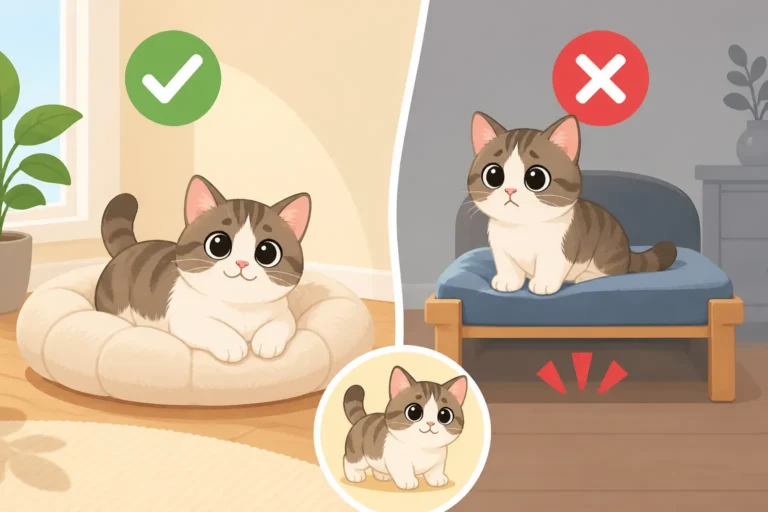
The first step is to place beds, blankets, and other soft lounging spots at floor level or very easily accessible heights. Think about the places your Munchkin naturally gravitates towards – sunbeams on the floor, cozy corners, under existing furniture. Now, enhance those spots. Place a soft, cushioned pet bed directly on the floor in a quiet corner. Consider a low-profile cat igloo or cave bed that offers that sought-after enclosure. For areas that are slightly elevated, like a sofa, introduce ramps or steps.
You can find excellent options for low-entry beds or ramps on sites like Chewy or Amazon. Look for pet steps or ramps designed for small dogs or cats that are not too steep and have a non-slip surface. How to Set Up Ramps Around a Munchkin's House can guide you in placing these strategically. Remember that a Munchkin might prefer a bed that's on the floor, rather than on a platform, if it feels more secure. Whether a Munchkin's Bed Should Be Raised at All is a question that often comes down to individual preference and careful consideration of accessibility.
| Feature | Ideal for Munchkin | Less Ideal for Munchkin |
|---|---|---|
| Location | Floor level, under low furniture, quiet corners | High shelves, tall cat trees, exposed areas |
| Accessibility | Ramps, steps, low-entry beds, soft cushions | High jumps, steep climbs, slippery surfaces |
| Comfort | Soft, plush, enclosed beds, thick blankets, rugs | Hard floors, bare surfaces, drafty spots |
| Security | Covered beds, hideaway caves, under secure furniture | Open, exposed areas, high traffic spots |
| Warmth | Insulated beds, cozy blankets, sunbeams | Cold floors, near windows with drafts |
Ramps and Steps: Essential Home Modifications
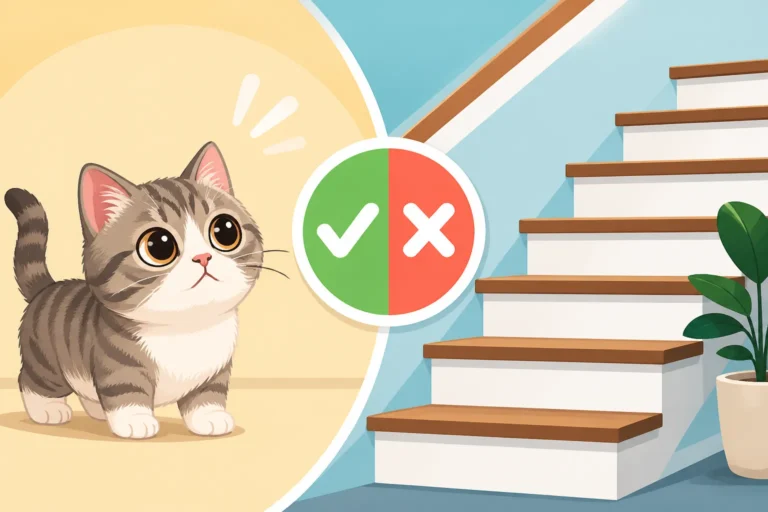
Ramps and steps are not just convenient; they are crucial for a Munchkin's long-term joint health and ability to access preferred sleeping and lounging spots. You'll want to place them wherever your Munchkin might want to get onto furniture, like a sofa, an armchair, or even a low bed. Look for pet ramps that aren't too steep and have a good grip. Many pet product brands available through retailers like Chewy or Amazon offer excellent, sturdy options.
When setting up ramps or steps, consider the most direct and safest route. If your Munchkin loves to nap on your bed, a set of pet stairs with wide, shallow steps or a ramp with a gentle incline can make all the difference. This allows them to get up and down independently, reducing strain and increasing their sense of autonomy. It's about empowering them to choose their favorite spots without physical struggle. Also, ensure the ramp or steps are stable and don't wobble, as a negative experience could make them reluctant to use it again.
Considerations for Overall Home Environment
Beyond specific sleeping spots, think about your home as a whole from a Munchkin's perspective. Are there plenty of rugs or carpeted areas on hard floors to provide traction and a soft landing? Are there tunnels or low-level climbing structures that encourage play and safe exploration without high jumps? Providing a stimulating yet safe environment helps to distribute their activity and rest, preventing them from over-relying on a few precarious spots.
Ensure that any window sills they might want to reach have a sturdy, low-level platform or steps leading up to them, allowing them to enjoy a sunbath without strain. Keep in mind that their low stature also makes them vulnerable to larger pets or small children, so providing designated "safe zones" on the floor where they can retreat and sleep undisturbed is vital. A little thoughtful planning goes a long way in ensuring your Munchkin can sleep soundly, wherever they choose to lay their short legs.
Disclaimer
This article is for general informational purposes only and does not constitute professional advice. Laws, prices and regulations vary by location and change over time. Consult a qualified professional for guidance on your specific situation.