Which Parts of Itself a Munchkin Can Still Reach
One of the biggest misconceptions about Munchkin cats is that they're just "normal" cats on shorter legs. While it's true they have all the same parts, the drastically shortened limbs that define the breed mean their ability to reach and maintain those parts is fundamentally altered. If you've ever watched your Munchkin struggle with a particularly stubborn itch or a bit of litter clinging to its fur, you know the frustration is real. This guide is here to shed light on precisely which areas of their bodies Munchkins can and cannot reach for self-care, and more importantly, how you, as their dedicated human, can step in to ensure they stay clean, comfortable, and healthy.
The Anatomy of a Munchkin's Reach: What's Different?
Understanding what a Munchkin can and cannot reach starts with understanding their unique physical structure. It's not just about aesthetics; their shortened limbs have profound implications for mobility and self-grooming.
The Shortened Limbs and Spinal Load
Munchkin cats possess a genetic mutation that results in chondrodysplasia, a form of dwarfism characterized by shortened long bones in the legs. Their spine, however, typically remains a normal length. This creates a distinct challenge: a cat with a standard-sized body attempting to maneuver with significantly reduced leverage and reach from its legs. Imagine trying to scratch your lower back with arms that are only half their usual length – it's a similar predicament for a Munchkin.
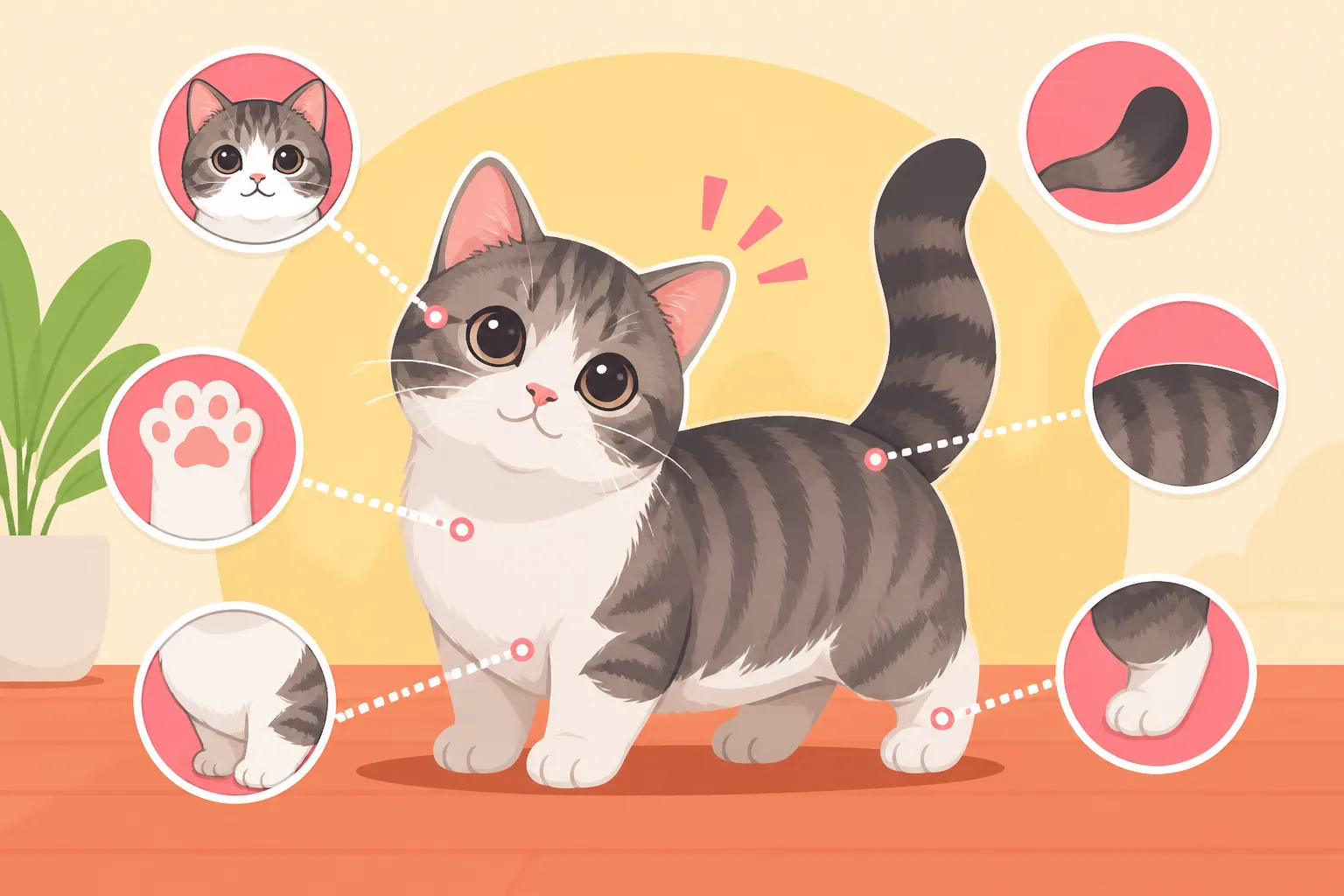
This anatomical reality means that while a Munchkin can certainly groom its face, ears, and upper chest with relative ease, reaching further back on its body becomes a complex, often impossible, task. The flexibility required for a standard cat to twist and contort to groom its hindquarters or the middle of its back is simply beyond the physical capabilities of a short-legged cat. Their entire locomotion and interaction with the world are impacted by this, and it means Why a Munchkin's Spine Carries a Load a Normal Cat's Does Not differently than a cat with standard leg length. Every stretch, every twist, is a different mechanical challenge.
The "Prairie Dog" Sit for Observation, Not Grooming
Many Munchkin owners adore their cat's signature "prairie dog" sit, where they stand upright on their hind legs, paws dangling, surveying their surroundings. It's an undeniably charming and unique trait, often observed when they're curious or trying to get a better view of something just out of their normal low-to-the-ground line of sight. It gives them a temporary boost in height and is a testament to their clever adaptations to navigate a world built for taller cats.
However, as adorable as The Prairie Dog Sit Only a Munchkin Does is, it offers no practical advantage for self-grooming. While in this upright posture, a Munchkin's front paws are busy balancing, not reaching. Their back legs are bearing their weight, making it impossible to maneuver them to scratch an itch on their rear. It's a posture for observation and curiosity, a brief moment of verticality, but it doesn't solve the fundamental problem of limited reach for essential cleaning and grooming of their own bodies.
Where the Grooming Gaps Appear: The Unreachable Spots
Because of their unique build, certain areas of a Munchkin's body become veritable "no-fly zones" for self-grooming. These are the spots where, without human intervention, problems can quickly arise.
The Hindquarters and Tail Base
Without a doubt, the hindquarters and the base of the tail are the most problematic areas for a Munchkin to keep clean. A standard cat can easily twist around, using its tongue and teeth to remove any debris, loose fur, or fecal matter that might cling to these areas. For a Munchkin, the combination of short legs and a normal-length body means a significantly reduced range of motion. They simply cannot bend or reach far enough back to thoroughly clean themselves.
This limitation is particularly evident when it comes to litter box hygiene. Bits of litter, and unfortunately, sometimes even small pieces of dried feces, can get stuck in the fur around their anus and under their tail. If not addressed promptly, these can lead to "dingleberries" or fecal matting, which are not only unhygienic but can also cause skin irritation, discomfort, and even infection. Long-haired Munchkins are especially prone to this issue, as their longer fur offers more surface area for debris to cling to. It's one of the reasons Why a Munchkin's Hindquarters Get Matted is such a common concern for owners. You might find yourself having to regularly check this area after every litter box visit to ensure cleanliness and prevent buildup.
The Middle and Lower Back
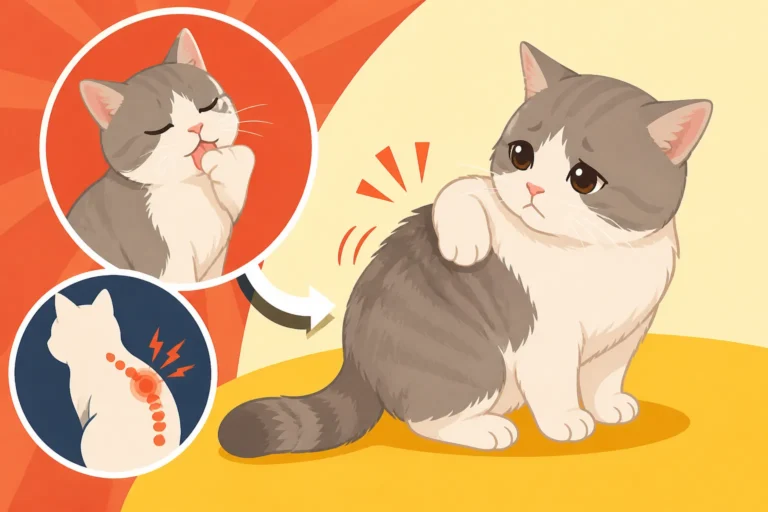
While a Munchkin can often manage to groom the very top of its shoulders and the upper part of its back by twisting its neck, the middle and lower sections of the back are largely out of reach. This is especially true as you move towards the rump. A standard cat will often arch its back and twist to get a good lick in these areas, but a Munchkin's shorter limbs restrict this maneuverability.
Over time, this can lead to several issues. For one, loose fur can accumulate in these neglected spots, creating tangles and mats, particularly in cats with denser or longer coats. These mats can pull on the skin, causing pain and discomfort. Secondly, skin conditions, dandruff, or even external parasites might go unnoticed in these inaccessible areas because the cat cannot effectively scratch or groom them. Owners often report finding unexpected mats or skin flakes in these zones, prompting them to realize just how limited their cat's self-grooming capabilities truly are.
The Belly and Inner Thighs
Another frequently overlooked area that Munchkins struggle to keep clean is their belly and inner thighs. Because their bodies sit much closer to the ground, their belly fur can easily brush against surfaces, including the floor, carpets, and, significantly, the litter in their box. This constant contact means the belly can pick up dirt, dust, and litter granules.
Trying to reach these areas for cleaning is incredibly difficult for a Munchkin. It requires a level of flexibility and leg extension that their anatomy simply doesn't allow for. As a result, the fur on their belly and inner thighs can become matted, greasy, or stained, especially if they've had any accidents outside the litter box or if their urine stream tends to hit their own fur. You might find yourself routinely needing to clean the underside of your Munchkin because Why a Munchkin's Belly Nearly Touches the Floor means it's constantly interacting with whatever surface they are walking or lying on. This can create a breeding ground for bacteria or cause skin irritation if left unaddressed.
Practical Solutions for the Unreachable: Owner Intervention is Key
Recognizing these grooming gaps is the first step; taking proactive measures is the next. As a Munchkin owner, you become an essential part of their grooming routine, ensuring their comfort and health.
Regular Brushing and Combing
Regular brushing and combing are paramount for all cats, but for Munchkins, it's non-negotiable, especially for those with longer fur. Aim for daily brushing, or at least several times a week, to prevent mats and tangles from forming in those hard-to-reach areas. You'll want a variety of tools: a slicker brush for detangling, a metal comb for fine work, and perhaps a rubber curry brush for shedding. Many owners find a dedicated grooming area, perhaps on a low table or even the floor, makes the process easier for both cat and human.
Focus your efforts on their hindquarters, tail base, and along their back. Gently lift their tail to access the perianal area and use a fine-toothed comb to remove any debris. For the back, work in small sections, always brushing in the direction of hair growth. Brands like Chewy and Amazon offer a wide array of grooming tools suitable for various coat types, making it easy to find what you need. Remember, patience is key. Make brushing a positive experience with treats and praise. Starting early as a kitten will help them acclimate to this necessary routine. This is how you really learn How to Groom a Munchkin's Hindquarters effectively.
Hygiene Trims and Baths
Sometimes, brushing alone isn't enough, particularly for long-haired Munchkins or those prone to severe matting or fecal adherence. This is where hygiene trims, often called "sanitary clips," become crucial. A sanitary clip involves carefully trimming the fur around the anus and inner thighs to create a shorter, cleaner area that is less likely to trap waste. This can be done by a professional groomer or, with proper instruction and safe tools, at home. However, extreme caution is needed when trimming near delicate skin.
For soiled areas, targeted bathing is often necessary. You don't always need a full bath; sometimes a quick “spot bath” of the hindquarters or belly is sufficient. Use a gentle, cat-specific shampoo, lukewarm water, and focus on the affected areas. A low-sided tub or even a large basin can work well. Ensure you rinse thoroughly to prevent skin irritation and dry them completely, especially in cooler weather. For more detailed guidance, consider How to Bathe a Munchkin Without Straining Its Back to ensure you're supporting their spine correctly throughout the process.
Vet Checks and Proactive Care
Regular veterinary check-ups are always important, but for Munchkins, they offer an invaluable opportunity to assess their grooming needs and overall skin health. Your vet can spot early signs of skin irritation, infections, or matting in areas you might miss. Don't hesitate to point out any concerns you have about your Munchkin's self-grooming habits or any difficulty you're experiencing with home grooming.
During these visits, your vet can examine areas like Why a Munchkin's Belly Fur Needs Checking and the base of their tail for any issues. They can also offer advice on specific grooming tools, techniques, or even recommend professional grooming services if your cat's needs are beyond what you can comfortably manage at home. Proactive care, combined with your vigilant home grooming, forms the best defense against the unique challenges Munchkins face due to their limited reach.
The Ripple Effect: Health and Comfort Considerations
Neglecting the grooming gaps in a Munchkin's self-care can lead to a cascade of health and comfort issues. Understanding these potential problems underscores the importance of your role in their daily well-being.
Preventing Skin Irritations and Infections
When a Munchkin cannot adequately groom its hindquarters, belly, or lower back, a host of problems can arise. Accumulations of dirt, litter, or fecal matter can lead to painful skin irritations, known as dermatitis. The constant presence of moisture or irritants creates an ideal environment for bacterial or fungal infections to take hold, resulting in hot spots, redness, itching, and discomfort. These conditions can be incredibly itchy and painful for your cat, leading to excessive scratching or licking in a desperate attempt to relieve the irritation, often making the problem worse.
Left untreated, these skin issues can escalate, requiring veterinary intervention with medications, special shampoos, or even antibiotics. The simple act of regular owner-assisted grooming is a powerful preventative measure against these frustrating and uncomfortable conditions. It's a key part of ensuring their quality of life.
Maintaining a Healthy Coat and Skin
Beyond preventing infections, consistent grooming by you helps maintain your Munchkin's overall coat and skin health. Regular brushing removes dead hair, distributing natural skin oils that keep their fur shiny and healthy. It also stimulates blood flow to the skin, promoting a healthy epidermis. For long-haired Munchkins, preventing mats is crucial, as severe mats can restrict movement, pull on the skin, and even cause circulatory issues or hide underlying skin problems.
A clean, well-maintained coat is not just about aesthetics; it's a barometer of your cat's health and comfort. When a Munchkin's coat is free of mats and debris, they are less likely to feel itchy or restricted, contributing to their overall happiness and well-being. By filling in the gaps of their self-grooming capabilities, you're not just cleaning them; you're actively contributing to their physical comfort and long-term health, allowing them to enjoy their playful, curious lives to the fullest.
| Body Part | Munchkin's Reach | Owner Grooming Needed | Potential Issues (If Neglected) |
|---|---|---|---|
| Face/Head | Good | Minimal (unless soiled) | Eye/ear discharge buildup |
| Upper Chest/Neck | Good | Occasional | Minor matting |
| Upper Back | Fair | Regular brushing | Mats, dry skin |
| Middle/Lower Back | Poor | Frequent brushing/combing | Severe mats, skin irritation, parasites |
| Hindquarters/Tail Base | Very Poor | Daily brushing, sanitary clips, spot cleaning | Fecal matting, dingleberries, infections |
| Belly/Inner Thighs | Very Poor | Frequent wiping, brushing, spot cleaning | Litter adhesion, urine staining, dermatitis |
| Paws/Legs | Fair | Nail trims, occasional wiping | Litter in paw pads |
Disclaimer
This article is for general informational purposes only and does not constitute professional advice. Laws, prices and regulations vary by location and change over time. Consult a qualified professional for guidance on your specific situation.