Pectus Excavatum and the Munchkin’s Sunken Chest
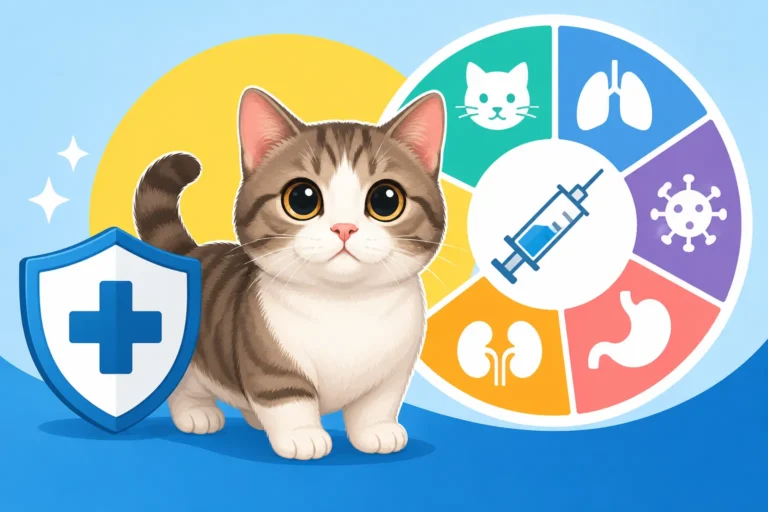
Finding out your beloved Munchkin might have a chest anomaly like pectus excavatum can be incredibly worrying, often bringing with it a flood of questions about their health, comfort, and future. It's a condition that can range from barely noticeable to quite severe, and navigating the complexities of diagnosis and care can feel overwhelming. This comprehensive guide is here to walk you through everything you need to know about pectus excavatum in Munchkin cats, from understanding what it is to exploring treatment options and how to best support your furry family member.
Understanding Pectus Excavatum in Munchkin Cats
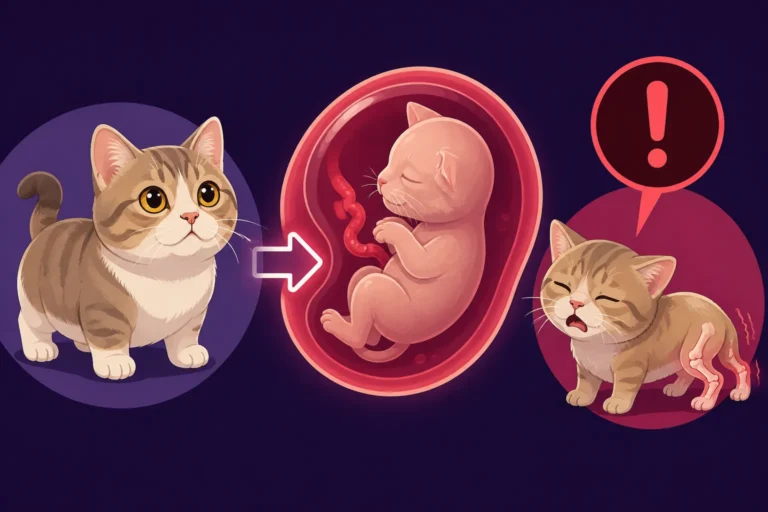
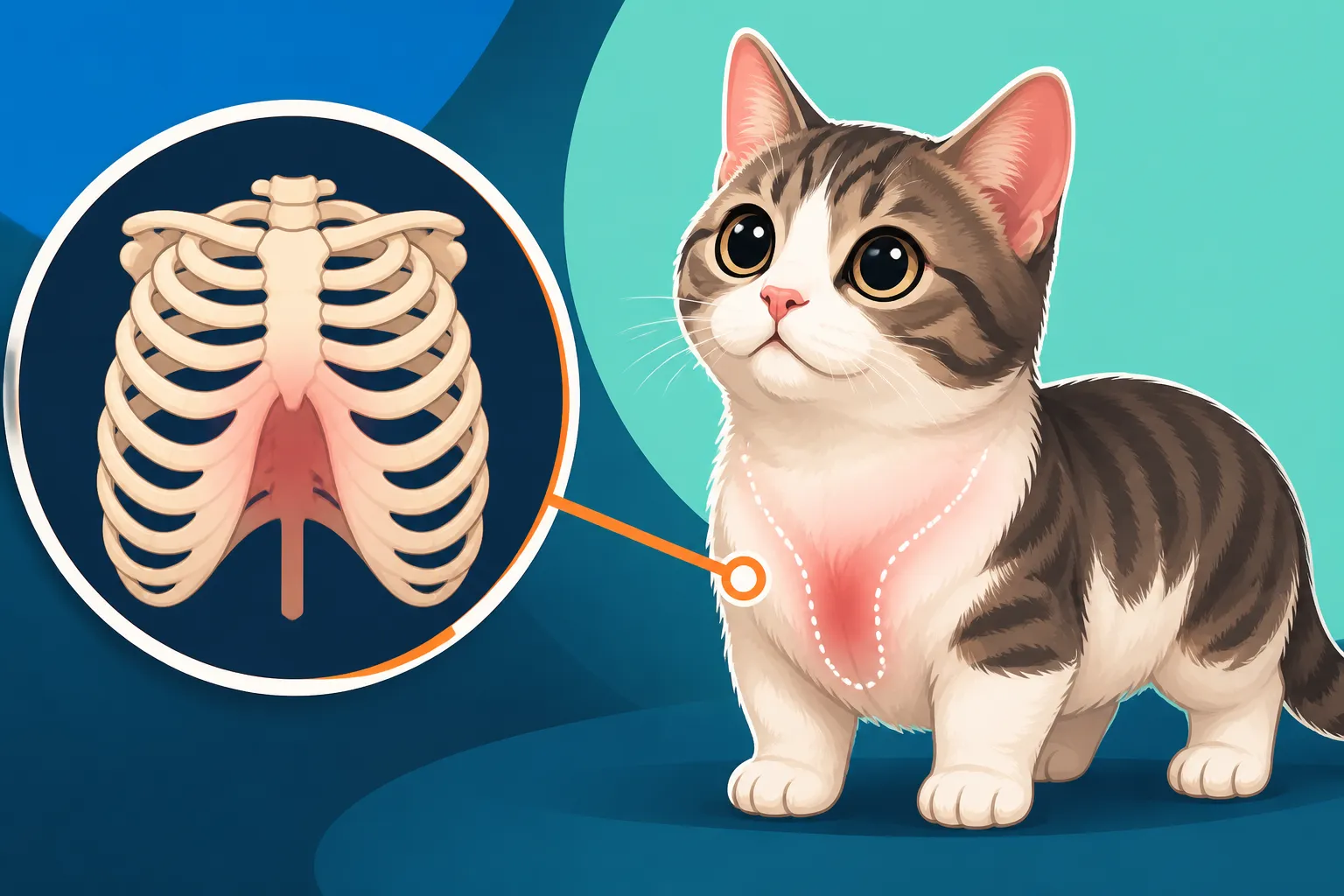
Pectus excavatum, often referred to as a "sunken chest," is a congenital deformity that can affect various breeds, but it's particularly discussed in the context of Munchkin cats due to their unique skeletal structure. It’s essentially a malformation of the sternum and costal cartilages, the bones and cartilage that form the front of the chest, leading to an inward depression of the chest wall.
What is Pectus Excavatum?
Imagine the front of a cat's chest, which should be relatively flat or slightly convex, protecting the vital organs within. With pectus excavatum, this chest wall, instead of protruding outwards or staying flat, indents inwards towards the spine. This depression can be mild, appearing as a slight dip, or it can be quite severe, creating a noticeable "hole" or furrow in the chest. The severity isn't just cosmetic; a significant indentation can compress the heart and lungs, impacting their function and, consequently, your cat's overall health and quality of life. It’s a condition that is present from birth, though its noticeable effects might develop or worsen as the kitten grows. While it's not exclusive to Munchkins, their distinct conformation often brings conditions affecting the skeletal system under closer scrutiny.
The impact of this inward deviation can vary wildly. Some cats with a very mild form might never show any symptoms or require intervention. Others, however, might face chronic respiratory issues, cardiac problems, or even sudden collapse due to organ compression. The specific manifestation depends on the degree of the deformity, the age of the cat, and how much it affects the internal thoracic cavity. It's a condition that requires careful monitoring and a clear understanding of its potential progression.
Why the Munchkin's Anatomy Makes It Different
The Munchkin cat's defining characteristic is its short legs, a result of an autosomal dominant genetic mutation affecting bone growth. While pectus excavatum is not directly caused by the Munchkin gene itself, the breed's general skeletal structure and the increased focus on bone development and health in these cats mean that conditions like pectus excavatum are often a significant concern for breeders and owners. The unique leg conformation, which results in a low-slung body, means that any thoracic cavity abnormalities might be perceived or experienced differently.
For a Munchkin, whose spine already carries a unique load due to their short legs, any additional stress on the body from conditions like pectus excavatum can be particularly problematic. While the Munchkin gene specifically affects the long bones of the legs, not the sternum, the very act of breeding for specific skeletal traits brings a heightened awareness to all aspects of a cat's bone structure. Reputable breeders meticulously screen for such conditions, understanding that the overall health of their lines is paramount. They recognize that while the short legs are a charming trait, they must not come at the cost of other critical health factors. It’s why understanding the nuances of conditions like pectus excavatum is so crucial for anyone involved with these wonderful cats.
Recognizing the Signs and Symptoms of a Sunken Chest
Identifying pectus excavatum early on can make a significant difference in a Munchkin cat's prognosis and management. Sometimes, the signs are subtle, while other times they can be quite alarming. Knowing what to look for, both visually and behaviorally, is key to timely veterinary intervention.
Visual Cues and Physical Examination
The most obvious sign of pectus excavatum is a visible indentation or flattened area on your Munchkin's chest, particularly along the sternum. This can be more easily felt than seen, especially in very young kittens or longhaired Munchkins where fur might obscure the view. When gently running your hand along your cat's sternum, you might feel a definite concavity rather than the normal smooth, slightly convex curve. This is a crucial part of a physical examination, both by you at home and by your veterinarian.
Beyond the actual indentation, you might observe other physical changes. For instance, some cats might have a "barrel-chested" appearance, where the ribs bulge out on the sides to compensate for the inward-growing sternum. The cat might also appear less flexible in the chest area, or seem reluctant to stretch and twist as freely as a healthy kitten. In severe cases, the entire chest might appear flattened or narrowed, giving the cat a somewhat compressed look. Observing these nuances, especially in a growing kitten, can provide valuable clues that something isn't quite right.
Behavioral Changes to Watch For
Beyond the physical signs, a Munchkin with pectus excavatum might exhibit a range of behavioral changes, particularly if the condition is impacting their internal organs. Difficulty breathing is a primary concern, which could manifest as rapid, shallow breaths, open-mouthed breathing, or exaggerated chest movements even when at rest. You might notice your cat tiring easily after minimal activity, showing less interest in play, or appearing lethargic. Since a Munchkin is a normal cat that cannot reach, they are usually quite active on the floor, so a sudden decrease in floor-level play could be a red flag.
Another key behavioral indicator is a reluctance to be handled or picked up, especially around the chest area. Cats are masters at hiding pain, but if cuddling or gentle pressure on their chest causes discomfort, they might shy away. Eating difficulties or a reduced appetite could also occur if the compressed organs interfere with digestion or simply make eating uncomfortable. Observing how your Munchkin moves and interacts with their environment, coupled with noticing any changes in their usual playful demeanor, can offer critical insights into their well-being.
What a Sunken Chest Feels Like on a Munchkin Kitten
When examining a Munchkin kitten for pectus excavatum, the feel of their chest can be more telling than what you see, especially if they have a fluffy coat. Gently palpating the sternum, which runs down the center of the chest, allows you to detect any abnormalities. On a healthy kitten, the sternum should feel like a relatively flat or slightly rounded bone. However, with pectus excavatum, you will feel an inward curve or a definite dip. It can sometimes feel like a furrow or even a "canyon" running down the center of their chest.
The depth and extent of this depression vary. In mild cases, it might be a subtle concavity. In more severe instances, your fingers might sink noticeably into the chest, almost reaching the backbone in extreme situations. It's crucial to be gentle, as excessive pressure can be uncomfortable for the kitten. Breeders often check for this during their routine health evaluations, knowing that what a sunken chest feels like on a Munchkin kitten is a vital early indicator. They're looking for any deviation from the norm, understanding that early detection is paramount for the kitten's future health. A knowledgeable breeder should be able to tell you how early lordosis shows in a Munchkin kitten and similarly how early pectus excavatum can be detected.
The Impact of Pectus Excavatum on a Munchkin's Health
The inward collapse of the chest wall in pectus excavatum isn't just an external anomaly; it has profound implications for the vital organs housed within the thoracic cavity. The degree of impact depends heavily on the severity of the depression, but in moderate to severe cases, it can significantly compromise a Munchkin's respiratory, cardiac, and even digestive systems.
Respiratory System Compromise
One of the most immediate and noticeable effects of pectus excavatum is on the respiratory system. The lungs need ample space to expand fully with each breath. When the sternum and rib cage are compressed inwards, this space is reduced, making it harder for the lungs to inflate properly. This can lead to a condition called restrictive lung disease, where the lungs cannot hold as much air as they should, resulting in decreased oxygen intake.
Cats with respiratory compromise might exhibit symptoms such as rapid breathing (tachypnea), panting even when not exerted, or audible wheezing. They may also suffer from frequent respiratory infections due to poor lung ventilation. In severe cases, the constant effort required to breathe can be exhausting, leading to lethargy and a diminished quality of life. The cat’s ability to engage in normal activities, even the active floor-level play common to Munchkins, can be severely hampered. The cat may show signs of struggling after even minimal exertion, becoming short of breath much faster than a healthy cat.
Cardiac System Implications
Beyond the lungs, the heart is also directly impacted by a sunken chest. The heart sits nestled within the thoracic cavity, and a significantly depressed sternum can exert pressure directly on it, limiting its ability to pump blood efficiently. This physical compression can distort the shape of the heart chambers and great vessels, interfering with blood flow and potentially leading to a range of cardiac issues.
Cats with severe pectus excavatum may develop heart murmurs, arrhythmias (irregular heartbeats), or even congestive heart failure over time. The heart has to work harder to circulate blood throughout the body, putting it under constant strain. Symptoms might include weakness, fainting spells, or a bluish tint to the gums (cyanosis) due to poor oxygenation. While a Munchkin's heart should be as robust as any other cat's, the added pressure from pectus excavatum can be a silent and serious threat. It is one of the reasons why a Munchkin's chest should be rechecked at six months, to monitor for any changes as they grow.
Digestive and Organ Pressure
While the respiratory and cardiac systems are most directly affected, severe pectus excavatum can also indirectly impact other abdominal organs. The diaphragm, the muscle separating the chest and abdominal cavities, might be displaced, which can put unusual pressure on organs like the stomach, liver, and intestines. This isn't as common as respiratory or cardiac issues but can contribute to discomfort and other health problems.
In some extreme cases, the overall body shape might be so altered that it affects the cat's ability to eat comfortably or digest food efficiently. This is rare, but it highlights the systemic nature of severe skeletal deformities. The body is an interconnected system, and a significant deviation in one area can cascade to others. This is why a comprehensive approach to diagnosis and treatment is crucial, addressing not just the visible deformity but its far-reaching consequences on your Munchkin's entire well-being.
Diagnosing Pectus Excavatum: What to Expect at the Vet
If you suspect your Munchkin cat has pectus excavatum, a visit to the veterinarian is the essential next step. Diagnosis involves a combination of physical examination and advanced imaging to fully understand the extent and impact of the condition. Don't hesitate to seek a second opinion if you feel it's necessary; finding a vet experienced with congenital conditions in cats, especially those who understand the nuances of breeds like the Munchkin, can be invaluable.
Initial Veterinary Assessment and Imaging
When you bring your Munchkin to the vet with concerns about a sunken chest, the vet will start with a thorough physical examination. This will include careful palpation of the chest, listening to the heart and lungs with a stethoscope, and observing your cat's breathing patterns. They’ll assess your cat’s overall demeanor, energy levels, and any behavioral changes you’ve noted. This initial assessment helps the vet gauge the severity of any symptoms and decide on the next diagnostic steps.
The definitive diagnosis of pectus excavatum usually requires imaging. X-rays are the most common first step, providing a clear visual of the sternum and rib cage. Multiple views (side and front) are taken to determine the degree of sternal deviation and how much it impinges on the heart and lungs. In more complex cases, or if surgery is being considered, your vet might recommend advanced imaging techniques such as a CT scan. A CT scan provides highly detailed, three-dimensional images of the chest, allowing for precise measurement of the deformity and its exact relationship to the internal organs. This level of detail is critical for surgical planning. Your vet will also perform blood tests to check overall health and rule out any concurrent conditions.
How a Vet Grades a Munchkin's Sunken Chest
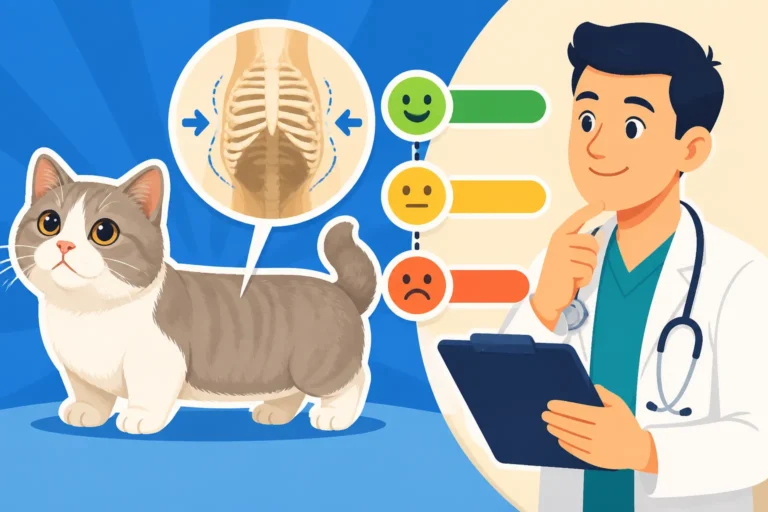
To standardize diagnosis and treatment planning, veterinarians often grade the severity of pectus excavatum. While there isn't one universal grading system accepted by every clinic, the general principles involve assessing the degree of sternal deviation and its effect on the internal organs. A common method involves calculating an "index" from chest X-rays, such as the vertebral index or the pectus index, which compares the depth of the chest deformity to the overall chest width.
A mild case might show a slight indentation with no discernible impact on heart or lung function. A moderate case would have a more pronounced depression, potentially causing some respiratory or cardiac symptoms that are managed conservatively. A severe grade indicates a significant collapse that dramatically compresses the heart and lungs, often leading to pronounced symptoms and potentially requiring surgical intervention. The grading helps your vet determine the best course of action and predict potential long-term complications. They will also assess the cat's quality of life and if a Munchkin with Lordosis can live normally, similarly, how severe pectus excavatum can get and what impact that has.
Differentiating from Other Conditions
It's important for your vet to rule out other conditions that might present with similar symptoms or chest abnormalities, especially in a breed with unique skeletal considerations. Sometimes, a general malformation or asymmetry of the rib cage could be mistaken for pectus excavatum, or vice versa. Congenital diaphragmatic hernia, where abdominal organs enter the chest cavity, can also cause respiratory distress and would need to be differentiated.
While less common, some other congenital chest wall deformities exist, though pectus excavatum is the most prevalent. Your vet will consider your Munchkin's full medical history, conduct a thorough physical exam, and utilize imaging to get a precise diagnosis. It's also vital to ensure that any respiratory symptoms are not solely due to common feline issues like asthma or upper respiratory infections, which might coexist with a mild form of pectus excavatum. The goal is to isolate the specific issue so that the most effective and targeted treatment plan can be developed for your beloved feline companion.
Treatment Options and Management Strategies
Once pectus excavatum is diagnosed in your Munchkin, your veterinarian will discuss the available treatment options. The approach will depend heavily on the severity of the condition, your cat's age, and their overall health. Some cats may thrive with conservative management, while others may require surgical intervention.
Conservative Management for Mild Cases
For Munchkin cats with mild pectus excavatum, where the chest indentation is not significantly compressing internal organs and the cat shows no, or very mild, clinical signs, conservative management is often the first approach. This primarily involves close monitoring of your cat’s breathing, activity levels, and overall comfort. Your vet might recommend regular check-ups, potentially including follow-up X-rays, to track the progression of the deformity as your cat grows.
Lifestyle adjustments can also play a role. Maintaining a healthy weight is paramount for a Munchkin, as any extra weight puts additional strain on their already unique skeletal structure and respiratory system. Providing a low-stress environment and ensuring they have easy access to all their necessities without jumping or straining can help reduce physical exertion. Sometimes, passive physical therapy, like gentle chest massage, may be suggested to help maintain chest wall flexibility, although this should only be done under veterinary guidance. The aim here is to support your cat's natural development and ensure their comfort without invasive procedures.
Surgical Correction: When It's Necessary
For moderate to severe cases of pectus excavatum, especially if the condition is causing significant respiratory distress, cardiac issues, or compromising the cat's quality of life, surgical correction becomes necessary. The goal of surgery is to relieve the pressure on the heart and lungs by reshaping the chest wall. The most common surgical technique involves using sutures and sometimes an external splint or internal surgical plates to pull the sternum forward and hold it in a more normal position. This allows the chest cavity to expand, giving the vital organs more room.
Surgery is typically performed when the cat is young, ideally between 8 to 16 weeks of age, as the bones and cartilage are more pliable and responsive to reshaping. However, it can be performed on older cats if necessary, though the prognosis might be slightly more guarded. The procedure is complex and requires a skilled veterinary surgeon, often with specialized experience in soft tissue and orthopedic surgery. Recovery involves intensive post-operative care, including pain management, restricted activity, and careful monitoring for complications. While it's a significant undertaking, successful surgery can dramatically improve a Munchkin's breathing, heart function, and overall lifespan, offering a chance at a much healthier life.
Post-Operative Care and Recovery
If your Munchkin undergoes surgical correction for pectus excavatum, the post-operative period is crucial for a successful recovery. Your cat will likely need to stay at the veterinary hospital for a few days for intensive care, including pain management, intravenous fluids, and close monitoring of their breathing and heart rate. They will have external bandages and possibly an external splint to keep the sternum in its new position. This splint or surgical repair may need to remain in place for several weeks, sometimes even months, to allow the bone and cartilage to heal properly.
Once your Munchkin comes home, strict activity restriction is vital. This means no jumping, running, or rough play. A confined, quiet space where they can recover without temptation to overexert themselves is ideal. You’ll be responsible for administering oral medications, keeping the incision site clean and dry, and watching for any signs of infection or complications. Regular follow-up visits with your vet will be necessary to monitor healing and adjust care as needed. This can be a challenging time for both you and your cat, but with dedication and proper care, many Munchkins make a full recovery and go on to live normal, happy lives. Considering pet insurance like Healthy Paws can be incredibly helpful for managing the significant costs associated with such complex surgical procedures and extended post-operative care.
Living with a Munchkin Cat with Pectus Excavatum
Bringing a Munchkin with pectus excavatum into your home, or discovering the condition in your existing cat, means making some thoughtful adjustments. The goal is always to maximize their comfort and quality of life, whether they've had surgery or are being managed conservatively.
Adapting Your Home Environment
Creating a safe and accommodating environment is paramount for a Munchkin cat with pectus excavatum. For cats with respiratory or cardiac compromise, minimizing exertion is key. This means ensuring everything they need is easily accessible at floor level. Think low-entry litter boxes – perhaps even a senior cat litter box – that they can walk into without straining their chest or back. Food and water bowls should also be at floor level or slightly raised to prevent neck strain, but not so high they have to stretch.
If your Munchkin has had surgery, or if they are prone to breathing difficulties, you'll want to eliminate any need for jumping or climbing. This might mean investing in ramps and steps for sofas, beds, or low windowsills. While a Munchkin cannot make the kitchen counter, they often try to reach other furniture. Ensure there are safe, accessible routes to all their favorite spots. A well-placed cat tree with close-set platforms can offer vertical enrichment without strenuous jumps. Furthermore, keeping the indoor air quality high by minimizing dust and allergens can support their respiratory health. Remember, with a Munchkin, the house changes, not the cat.
Monitoring and Long-Term Care
Living with a Munchkin with pectus excavatum requires a commitment to ongoing monitoring and long-term care. Regular veterinary check-ups are essential, even after surgery, to ensure there are no late-onset complications or issues. Your vet might recommend periodic X-rays or even echocardiograms to monitor heart and lung function. Being vigilant about your cat's breathing patterns, activity levels, appetite, and any signs of discomfort is crucial.
You should also be prepared for potential lifelong management, which might include specific dietary recommendations to maintain ideal weight, or even supplements to support joint health, as any skeletal abnormality can have ripple effects. While a Munchkin breeder should be able to show you detailed health records, ongoing health is a partnership between you and your vet. It's about being proactive and responsive to your cat's changing needs, ensuring they receive the best possible care throughout their life.
Supporting Your Cat's Quality of Life
Ultimately, the goal is to provide your Munchkin with pectus excavatum the best possible quality of life. This means more than just managing the physical condition; it involves enriching their environment and nurturing their emotional well-being. Engage in floor-level play with wand toys or laser pointers, allowing them to expend energy without vertical strain. Provide plenty of snuggly beds and hiding spots where they feel secure and comfortable.
Emotional support is also vital. These cats are resilient, but they also rely on their humans for comfort and security. Offer gentle petting, quiet companionship, and reassurance. If your cat has undergone surgery, understand that recovery can be a process, and their temperament might fluctuate. Patience and consistent, loving care are key. By adapting your home, diligently monitoring their health, and showering them with love, you can ensure your Munchkin with pectus excavatum lives a full, happy, and comfortable life, despite their unique challenges.
Breeding Considerations and Ethical Questions
The presence of a congenital condition like pectus excavatum in any breed naturally raises important questions for breeders. Ethical breeding practices are paramount to ensure the health and welfare of future generations.
Is Pectus Excavatum Heritable in Munchkins?
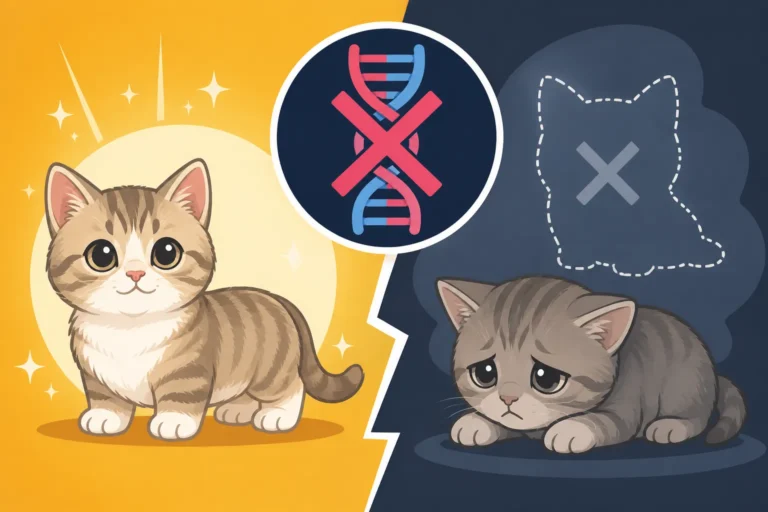
The question of whether pectus excavatum is heritable in Munchkin cats, or any cat breed for that matter, is a complex one, and research on feline pectus excavatum heritability is still somewhat limited compared to other species. However, it is widely believed in the veterinary community that there is a genetic component to the condition, meaning it can be passed down from parents to offspring. While a specific gene responsible for pectus excavatum hasn't been definitively identified in cats, its occurrence in certain breeds and bloodlines suggests a genetic predisposition.
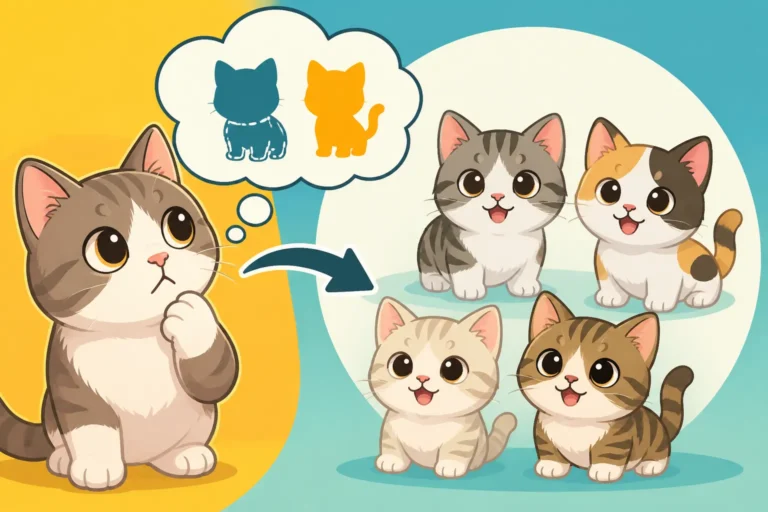
For Munchkin breeders, this means exercising extreme caution. Even if the Munchkin gene itself doesn't cause pectus excavatum, if the condition appears in a breeding line, it's a strong indicator that those cats should not be bred. This is because every Munchkin litter is a carrier cross, meaning half the kittens will have short legs, and half will have normal legs, but the genetic lineage still carries the potential for other inherited traits, both desirable and undesirable. Responsible breeders understand this risk and strive to eliminate any genetic predispositions to health issues from their breeding programs.
What a Munchkin Breeder Does With an Affected Kitten
When a Munchkin breeder discovers that a kitten in their litter has pectus excavatum, it presents a difficult but clear ethical decision. Reputable breeders will not sell a kitten affected by a moderate to severe form of pectus excavatum into a breeding program, regardless of its leg length. The primary concern is the kitten's health and the ethical responsibility not to perpetuate a potentially inherited condition.
For kittens with a mild form, where the condition might resolve or not cause any clinical signs, they would typically be sold as pet-only, often with a spay/neuter contract and a full disclosure of their condition to the prospective owner. For kittens with moderate to severe pectus excavatum, the breeder often bears the responsibility of arranging and covering the cost of necessary veterinary care, including potential surgery. These kittens, even after successful correction, would always be placed in pet-only homes. In severe cases where a good quality of life cannot be achieved even with intervention, difficult decisions may need to be made in consultation with a veterinarian. A responsible breeder’s priority is always the well-being of their cats, and they will go to great lengths to ensure affected kittens receive appropriate care and are placed in suitable, loving homes, even if it means considerable personal expense and emotional difficulty. They also know why some Munchkin kittens are not sold, explicitly because of such health issues.
Financial Realities and Pet Insurance
Caring for a Munchkin cat with pectus excavatum, particularly if surgical intervention is required, comes with significant financial implications. Understanding these costs and planning for them, perhaps through pet insurance, is a critical part of responsible pet ownership.
The Cost of Diagnosis and Treatment
The journey of diagnosing and treating pectus excavatum can be expensive. Initial veterinary visits, consultations, and diagnostic imaging like X-rays can quickly add up. If a CT scan is recommended for detailed surgical planning, these costs will be even higher. Depending on your location and the veterinary clinic, these diagnostic steps alone could range from several hundred to well over a thousand dollars.
Should surgical correction be deemed necessary, the costs escalate significantly. Feline pectus excavatum surgery is a specialized procedure. The surgical fees, anesthesia, hospital stay, medications, and post-operative care can easily run into several thousands of dollars, often ranging from $3,000 to $8,000 or more, depending on the complexity, the surgeon's expertise, and the duration of hospitalization. And that's just the surgery; long-term follow-up visits, medication for pain management, and potential physical therapy can add further costs over the recovery period. It's a substantial financial commitment that prospective owners need to be aware of.
Navigating Pet Insurance for Congenital Conditions
This is where pet insurance can be a literal lifesaver for owners facing a diagnosis of pectus excavatum. However, it's crucial to understand how pet insurance companies handle congenital conditions. Most pet insurance policies, including those from providers like Healthy Paws, will cover congenital conditions if the condition is not considered pre-existing before the policy began or during the waiting period.
This means if you enroll your Munchkin kitten in a policy before any signs or diagnosis of pectus excavatum, and the condition is subsequently diagnosed after the waiting period, the treatment costs, including surgery, are likely to be covered. However, if your cat already shows symptoms or has been diagnosed with pectus excavatum before you purchase a policy, it will almost certainly be excluded as a pre-existing condition. Therefore, it's incredibly important to enroll your Munchkin in a comprehensive pet insurance plan, such as one from Healthy Paws, as early as possible – ideally when they are a kitten – to ensure coverage for unexpected congenital issues like pectus excavatum. Always read the policy details carefully and ask the insurer directly about their coverage for congenital and hereditary conditions to avoid any surprises.
Disclaimer
This article is intended for informational purposes only and does not constitute veterinary advice. Always consult with a qualified veterinarian regarding your Munchkin cat's health concerns and treatment options. The information provided here should not be used as a substitute for professional veterinary care.