How to Hold a Munchkin for a Nail Trim
It's a common struggle for many cat parents: the dreaded nail trim. But if you're a Munchkin cat owner, you know this routine task comes with its own unique set of considerations and challenges. Their adorable short legs, while giving them their distinctive look, also mean that standard holding positions or assumptions about a cat's flexibility simply don't apply. You're not just trying to trim nails; you're trying to do it without causing discomfort or strain to their delicate spines and joints, which can feel like a high-wire act. This guide is here to walk you through the most empathetic and effective ways to hold your Munchkin for a nail trim, ensuring both your cat's comfort and your peace of mind.
Understanding the Unique Challenges of Trimming a Munchkin's Nails
Before we even get to the clippers, it's vital to understand why trimming a Munchkin's nails requires a bit more thought and care than with a long-legged feline friend. It's not just about their short stature; it's about the biomechanics of their unique body.
The Impact of Short Legs on Handling
Munchkin cats possess a genetic mutation that results in significantly shortened long bones in their legs, a form of dwarfism known as pseudoachondroplasia. While their body length and spine are typically normal, their short legs mean their center of gravity is much lower to the ground. This gives them a distinct waddle or 'ferret-like' gait and affects how they move, jump, and, crucially, how they need to be handled. Trying to hold a Munchkin in a way that forces their short legs into an unnatural position can be incredibly uncomfortable, or even painful, especially if they are already prone to joint stiffness or arthritis. Imagine trying to stretch out your arms fully while someone held your body tightly; it’s not pleasant. We need to be mindful of this inherent physical difference and adjust our approach accordingly. Why a Munchkin's Legs Are Short but Its Body Is Not is an excellent resource for understanding this unique anatomy.
Spinal Health and Vulnerability
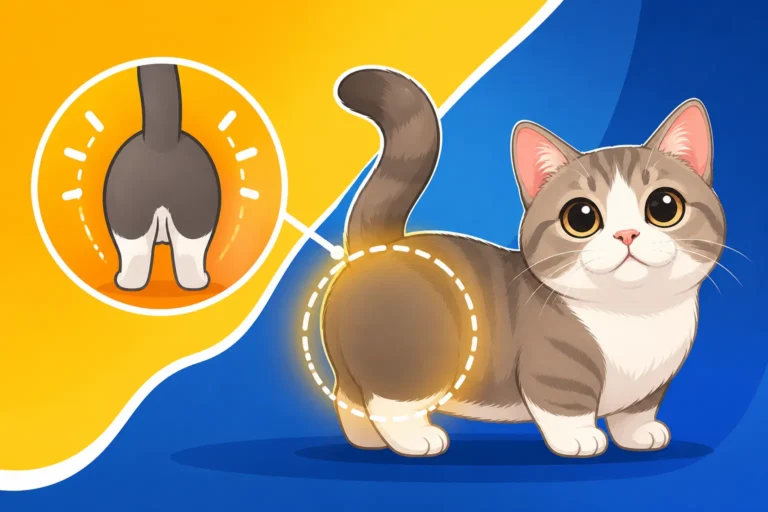
Another significant factor is the Munchkin's spine. While their spine is generally of normal length, the way their short legs impact their movement and posture can put different kinds of stress on it. Repeated jarring movements, awkward landings, or improper handling can exacerbate any underlying spinal sensitivities. Conditions like lordosis, where the spine curves downwards, or pectus excavatum, a sunken chest, can make a Munchkin even more vulnerable to discomfort if not handled gently and correctly. Why a Munchkin's Spine Carries a Load a Normal Cat's Does Not delves into this in more detail. When you're trying to isolate a paw for a nail trim, you need to ensure the rest of their body, particularly their back, is well-supported and not twisted or compressed. This focus on spinal integrity is paramount for their long-term well-being and willingness to cooperate with future grooming sessions.
Preparing for a Stress-Free Nail Trim Session
Successful nail trims aren't just about the technique; they start long before you even pick up the clippers. Preparing both yourself and your Munchkin sets the stage for a calm, efficient, and positive experience.
Choosing the Right Tools and Environment
First things first, make sure you have the right equipment. Good quality, sharp clippers designed for cats are essential. There are various types, from scissor-style to guillotine-style, and finding one that feels comfortable in your hand is just as important as it being right for your cat. Many cat owners find ergonomic clippers from brands available on Chewy or Amazon to be a good starting point. Which Clippers Suit a Munchkin's Short Forelegs offers more specific advice on selecting the best clippers for their unique leg structure. You'll also want styptic powder on hand, just in case you accidentally nick the quick (it happens to the best of us!). Plenty of high-value treats are also crucial – think freeze-dried chicken or a lickable salmon treat. Finally, choose a quiet, well-lit space where you won't be interrupted. A familiar room, perhaps where your Munchkin likes to relax, can help reduce anxiety.
Desensitization and Positive Reinforcement
Building a positive association with nail trims takes time, especially for a Munchkin who might be sensitive to handling. Start by simply touching their paws gently, perhaps while they're napping or cuddling. Don't try to clip anything. Just touch, then offer a treat. Gradually increase the intensity: hold a paw for a few seconds, gently extend a claw (without clipping), then treat. Do this daily for a week or two. Let them sniff the clippers, reward them. The goal is to make these interactions feel normal and even pleasant, not a source of fear. This desensitization process is key to preventing struggles down the line. Remember, How to Get a Munchkin Used to Being Handled is a great resource for building this foundation of trust and comfort.
Timing is Everything
Cats are creatures of habit and mood. Don't attempt a nail trim when your Munchkin is feeling feisty, overly energetic, or stressed. The best time is usually when they are relaxed, perhaps after a meal or a good play session, when they're winding down for a nap. For kittens, start early and make it a regular part of their routine, even if it's just a quick trim of one or two nails at a time. For adult Munchkins, observe their natural rhythms. If you rush them or try to force it, you'll only reinforce negative associations, making future trims even harder. A calm, unhurried approach will always yield better results.
Step-by-Step Guide to Holding and Trimming Your Munchkin's Nails
Now, let's get into the nitty-gritty of the actual process. The goal is always to keep your Munchkin secure, comfortable, and feeling supported, minimizing stress for both of you.
Finding the Ideal Position
For Munchkins, you want a position that provides maximum support for their spine and minimum strain on their short legs. Here are a few options:
- The "Burrito" Method (Gentle Swaddle): This is often fantastic for nervous or squirmy Munchkins. Lay a soft towel or blanket flat. Place your Munchkin on it, with their head near one corner. Wrap one side of the towel snugly around their body, tucking it under their chin and body, leaving only one paw exposed. Then wrap the other side. This creates a secure, comforting "burrito" that prevents them from squirming away or using their back legs to push off. You can then gently expose one paw at a time to trim. This method provides excellent spinal support and containment.
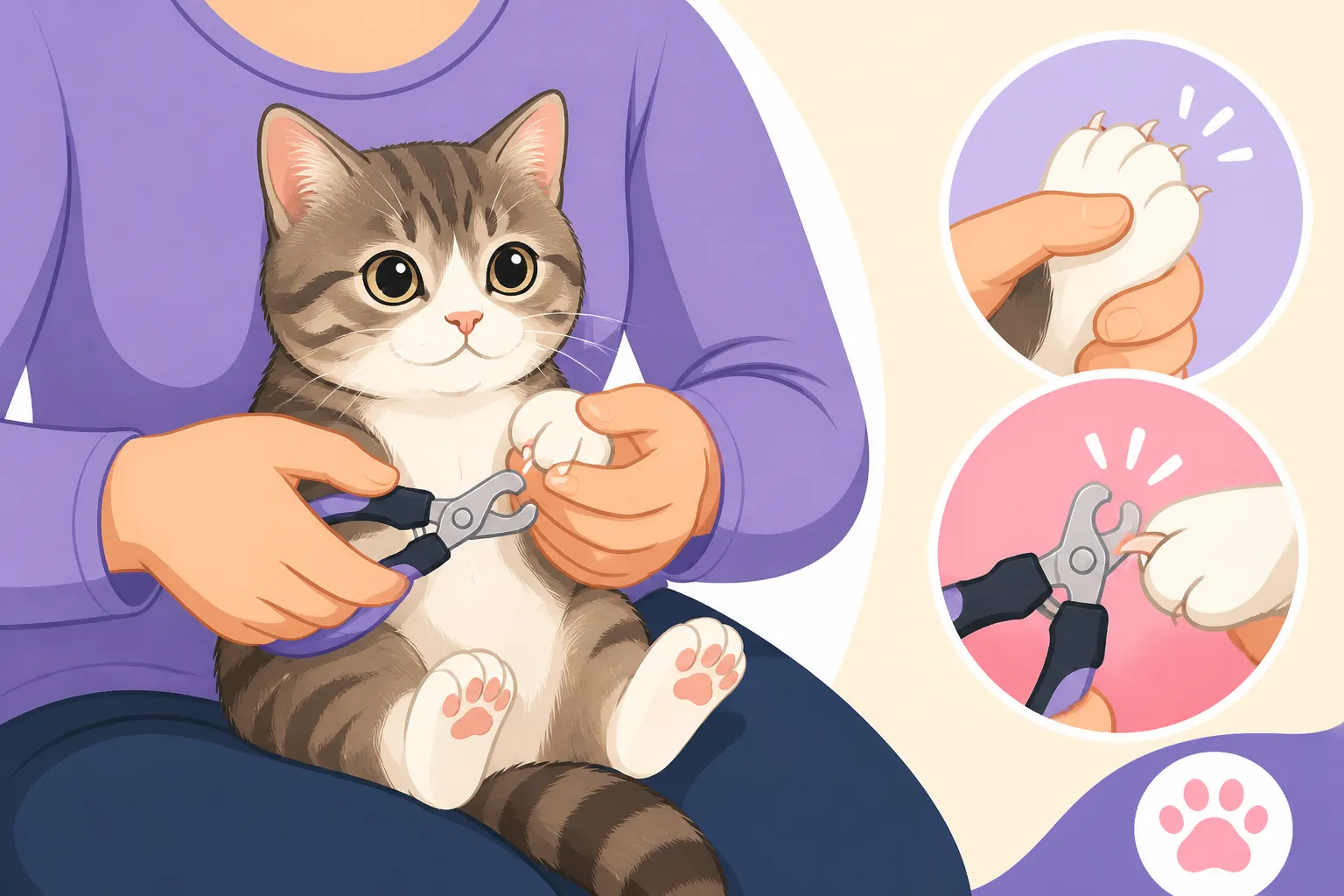
- Lap Cuddle with Chest Support: Sit comfortably on the floor or a low chair. Place your Munchkin on your lap, facing away from you, with their chest resting against your stomach or chest. Use one arm to gently support their body and spine, almost like a hug, while holding their front paws. This position keeps their body stable and prevents them from twisting. You can then use your free hand to trim. For the back paws, you might need to gently rotate them slightly or switch to holding them facing you, still keeping their back supported against your body.
- Tabletop with Assistant: If your Munchkin is particularly challenging or you're new to this, a second person can be a huge help. One person can gently hold and soothe the Munchkin on a non-slip surface (like a mat on a low table), providing continuous body support and petting, while the other person focuses solely on trimming. The key here is to ensure the Munchkin is not left unsupported, particularly their back, to prevent them from slipping or falling, which could cause injury or significant fear. Remember, How to Lift a Munchkin Correctly emphasizes the importance of full body support whenever you handle them.
Gentle Handling Techniques for Each Paw
Once you have your Munchkin in a secure position, the actual paw handling is critical. Their short legs mean you shouldn't try to extend their legs like a long-legged cat.
- Front Paws: With your Munchkin securely held, gently take one front paw between your thumb and forefinger. Instead of pulling the leg straight out, aim to keep it relatively close to their body, just extending the paw itself. Your thumb can go on top of the paw, and your forefinger underneath, gently pressing on the pad to extend the claw. Focus on being gentle and deliberate.
- Hind Paws: These can be trickier. If using the "burrito" method, you can simply unwrap enough to expose one hind paw at a time. If holding them on your lap, you might need to carefully rotate your Munchkin so their hindquarters are accessible, ensuring their spine is still fully supported. Again, avoid stretching the leg out far from their body. Gently isolate a paw, press the toe pad, and extend the claw. The goal is always to work with their natural, compact posture. When thinking about their mobility, it's worth noting Why a Munchkin Should Not Be Jumping Down Repeatedly, as impacts can affect their joints, making gentle handling even more important.
The Art of the Clip: Avoiding the Quick
With the claw extended, identify the quick. On light-colored nails, it's the pink part. On dark nails, it's harder to see, so err on the side of caution and only snip the very tip, where the nail starts to curve. It's always better to clip too little than too much.
- Isolate One Claw: Gently hold the paw and press the toe pad to extend a single claw.
- Identify the Quick: Locate the quick. If you can't see it clearly, imagine where it would be.
- Position Clippers: Place the clippers just past the quick, at a slight angle that mimics the natural curve of the nail.
- Clip Swiftly: Make a quick, confident snip. A dull clip will crush the nail, which is painful.
- Reward Immediately: After each successful clip, or even after a few, offer a small, high-value treat. Positive reinforcement is your best friend here. Even if you only manage one paw, celebrate that success! You can always do another paw later.
- Repeat (if possible): Continue with the remaining claws, always prioritizing your Munchkin's comfort and patience. If they get agitated, stop and try again later.
Consistency and patience are far more effective than trying to do all nails at once. Even just getting a few done at a time is a win, and will make the next session easier.
Troubleshooting Common Issues and Maintaining Nail Health
Even with the best preparation, things don't always go perfectly. Knowing how to troubleshoot common problems and maintaining overall nail health will make the whole process smoother.
When Your Munchkin Fights Back
It’s completely normal for cats, including Munchkins, to resist nail trims. If your Munchkin is squirming, vocalizing, or trying to bite, here’s what to do:
- Stop and Reassess: If they’re truly agitated, stop the session. Pushing through will only worsen their fear.
- Re-evaluate Your Technique: Is your hold too tight? Are you inadvertently twisting their spine or legs? Refer back to the gentle holding positions.
- Increase Desensitization: If they're very resistant, go back to basic desensitization exercises: just touching paws and giving treats, without the clippers.
- Consider a Vet Visit: Sometimes, a professional grooming session or a vet visit for a trim can help break the cycle of resistance. Vets and professional groomers have techniques and tools (like gentle sedatives in extreme cases, though usually not needed) that can make the process less stressful, giving you a fresh start. They can also check for any underlying pain that might be making your Munchkin reluctant to have their paws handled. If you notice signs of discomfort, especially in an older Munchkin, it could be Whether a Munchkin Gets Arthritis Earlier, which would require a gentler approach.
- Use Calming Aids: For some cats, pheromone sprays or diffusers (like Feliway) can help create a calmer atmosphere. Always consult your vet before trying any supplements or stronger calming agents.
Dealing with an Accidental Quick Cut
It’s a fear every cat owner has, and it does happen. If you accidentally cut the quick:
- Don't Panic: Your panic will transfer to your cat.
- Apply Styptic Powder: Immediately apply styptic powder to the bleeding nail. Firm but gentle pressure for a minute or two will usually stop the bleeding. If you don't have styptic powder, cornstarch can work in a pinch.
- Offer Reassurance: Once the bleeding stops, give your Munchkin some extra cuddles and a high-value treat. Let them associate the end of the (unpleasant) experience with comfort and reward.
- Monitor: Keep an eye on the paw for the next day to ensure there's no infection or continued bleeding. If you're concerned, contact your vet.
Regular Maintenance for Optimal Nail Health
Regular nail trims are crucial, not just for preventing damage to your furniture, but for your Munchkin's overall health and comfort. Overgrown nails can curve into the paw pads, causing pain and infection. They can also interfere with their gait, putting extra strain on their already unique leg structure and potentially contributing to joint issues.
- Frequency: Aim for a trim every 2-4 weeks. This frequency prevents nails from getting too long and makes each session quicker and less stressful.
- Scratching Posts: Provide a variety of scratching surfaces. Horizontal scratchers, cardboard scratchers, and low-rise scratching posts are often better suited for Munchkins who can't reach tall vertical posts. While they can't always stretch as high, these alternatives help them naturally wear down the outer sheaths of their claws. Consider options available from
ChewyorAmazon. - Joint Health Considerations: As your Munchkin ages, they might become less flexible or develop arthritis, making nail trims even more delicate. How to Keep an Old Munchkin Moving Safely and What Pain Relief a Stiff Munchkin Can Take provide valuable insights into supporting their joint health, which directly impacts their comfort during grooming. Ensure your grooming routine adapts to their changing needs, with even more emphasis on gentle support and minimal movement.
By understanding your Munchkin's unique physical needs, preparing thoroughly, and using gentle, supportive techniques, you can transform nail trims from a dreaded chore into a manageable part of your loving care routine.
Disclaimer
This article is for general informational purposes only and does not constitute professional advice. Laws, prices and regulations vary by location and change over time. Consult a qualified professional for guidance on your specific situation.