Whether a Horizontal Scratcher Suits a Munchkin
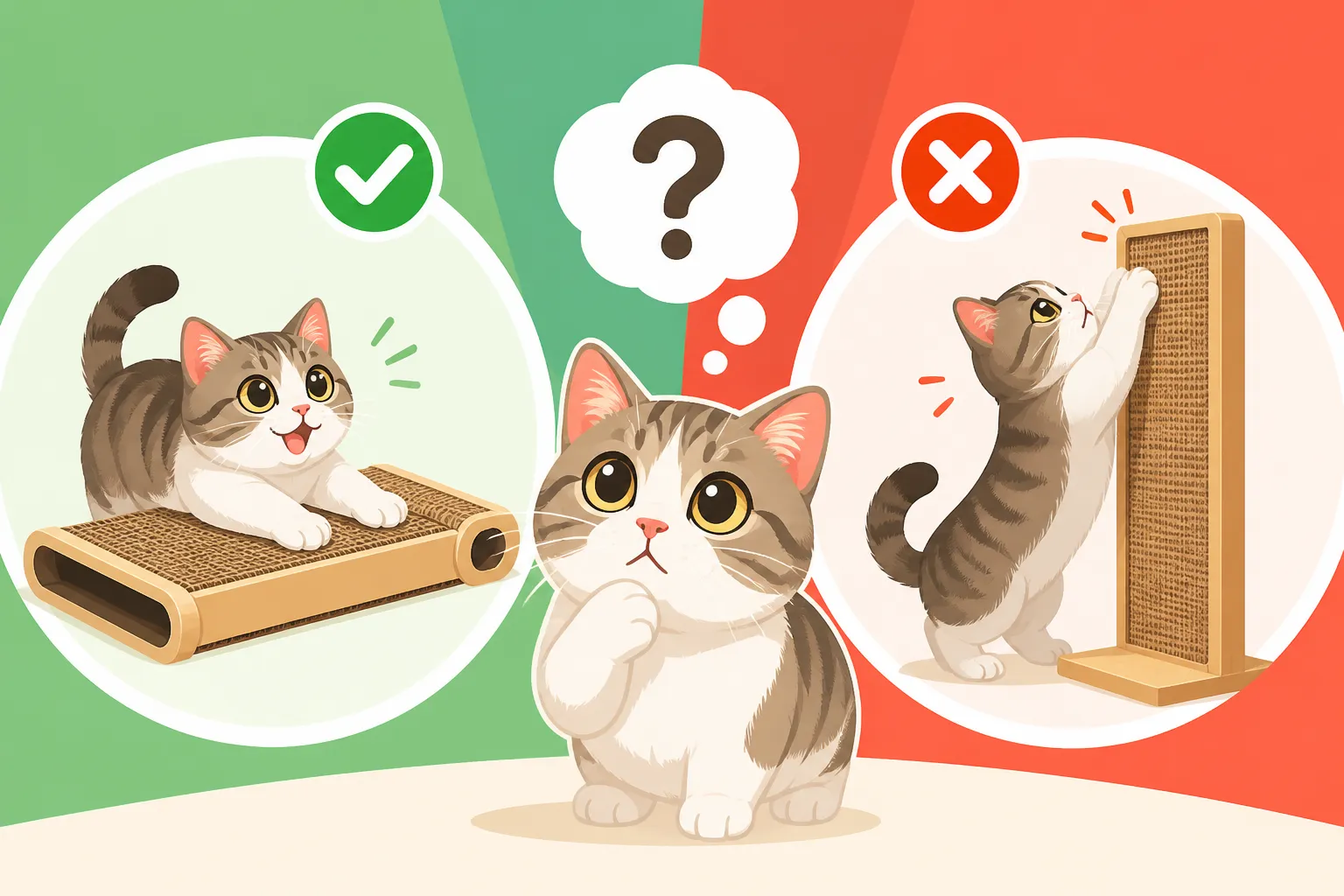
It's a familiar sight for many cat parents: you bring home a beautiful, tall scratching post, envisioning your feline friend stretching luxuriously, only to watch your adorable Munchkin stare up at it with a mix of confusion and resignation. Their short legs, a hallmark of the breed, often mean that traditional vertical scratchers just aren't an option for a proper, satisfying scratch. This guide is here to help you navigate the world of scratching solutions, focusing on why horizontal scratchers are often the purr-fect fit for your short-legged companion, ensuring they can fulfill their natural instincts comfortably and safely.
Understanding Why Traditional Scratching Posts Don't Work for Munchkins
When we think of a cat scratching, we often picture them reaching high, stretching their entire body, digging their claws into a tall post. This instinctual behavior is not just about sharpening claws; it’s a full-body workout, a territorial marker, and a way to relieve stress. However, for a Munchkin, this idealized image often clashes with their physical reality.
The Physical Limitations of Short Legs
Imagine trying to do a pull-up when your arms can barely reach the bar. That's a bit like what a tall scratching post feels like to a Munchkin. Their defining characteristic – those adorably short legs – means they simply cannot achieve the vertical reach necessary to get a full, satisfying stretch on a standard-height post. While a long-legged cat might effortlessly extend its front paws to the top of a five-foot sisal tower, a Munchkin might only be able to reach the very bottom, if that. This isn't just an inconvenience; it can be genuinely frustrating for a cat that instinctively wants to scratch and mark its territory but finds its efforts thwarted by its own anatomy. They might try to compensate, but these awkward attempts can lead to strain rather than satisfaction.
Moreover, the angle of a vertical scratcher requires a cat to exert significant upward force and leverage. A Munchkin, with its lower center of gravity and shorter limb bones (a condition known as pseudoachondroplasia), isn't built for this kind of leverage. They lack the long levers in their legs that allow other cats to push off powerfully and maintain stability while stretching upwards. This often results in them either ignoring the post entirely or attempting a half-hearted, less effective scratch that doesn't properly condition their claws or stretch their muscles. It becomes a piece of furniture in the house rather than an enriching tool for them.
The Risk of Straining Joints and Spine
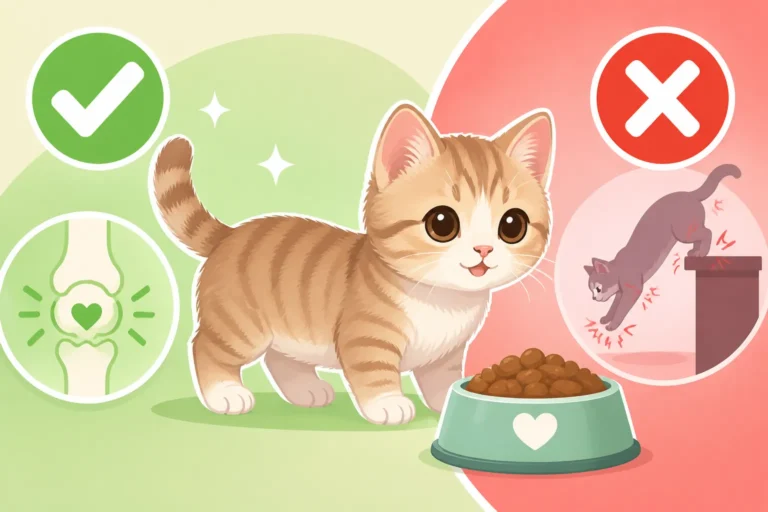
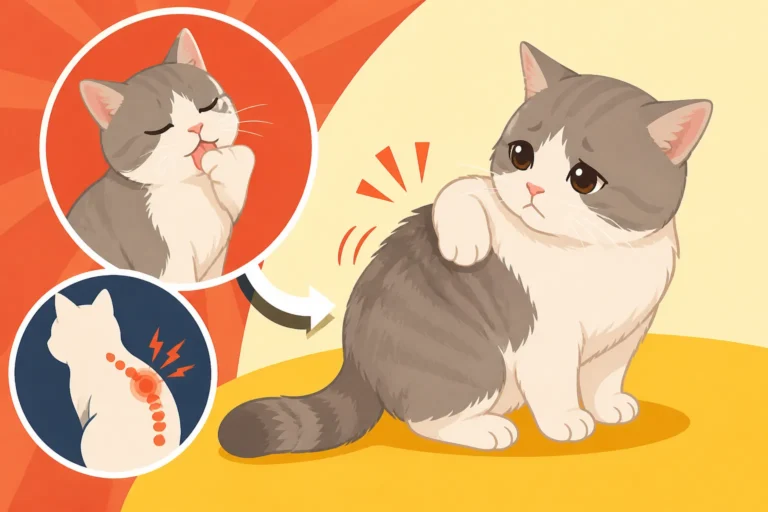
Beyond the sheer inability to reach, there's a more serious concern when a Munchkin tries to adapt to a vertical scratcher: the potential for injury. The breed's unique skeletal structure means that their spine and joints, particularly in the shoulders and elbows, can be more susceptible to strain if subjected to unnatural movements or excessive force. When a Munchkin attempts to stretch upwards on a tall post, they often compensate by arching their back or twisting their body in ways that can put undue pressure on their vertebral column. This is especially pertinent when considering Why a Munchkin's Spine Carries a Load a Normal Cat's Does Not. Their spine, though normal in length, is supporting a body with disproportionately short levers for legs, meaning any movement that puts torque on the back needs careful consideration.
Repeatedly trying to reach and scratch on a vertical surface can exacerbate existing conditions or contribute to the early onset of joint problems like osteoarthritis. While many Munchkins lead active, happy lives, their unique conformation means we, as their guardians, need to be extra mindful of activities that could stress their bodies. Imagine the impact of repeated jumping down from heights or stretching awkwardly on delicate shoulder and elbow joints over many years. A conventional scratcher demands a posture that isn't ideal for their body, making it a poor choice for their long-term health and comfort. We want our cats to be able to enjoy their natural behaviors without causing themselves harm, and for a Munchkin, this often means rethinking traditional cat accessories.
The Benefits of Horizontal Scratchers for Munchkin Cats
Once you understand the limitations of traditional scratchers, the advantages of horizontal options for Munchkins become strikingly clear. These thoughtful designs cater directly to their unique needs, transforming a potentially frustrating experience into one of comfort and natural expression.
Ergonomic Design for Short-Legged Felines
Horizontal scratchers are, simply put, made for cats who operate closer to the ground. For a Munchkin, this means they can approach the scratching surface directly, without needing to stretch or reach upwards. They can engage their claws, pull, and shred with their front paws while maintaining a comfortable, stable stance with their hindquarters firmly on the floor. This posture is far more ergonomic for their short legs and unique spinal alignment, allowing them to fully extend their claws and work their shoulder and back muscles in a way that feels natural and safe.
Think of it this way: a horizontal scratcher allows a Munchkin to maintain their inherent "ferret-like" movement pattern, engaging their body without putting stress on their spine or front leg joints. They can lie on their side and scratch, or stand over it and lean in. This accessibility means your Munchkin is far more likely to actually use the scratcher you provide, redirecting their instinct away from your furniture. Whether it’s a simple cardboard lounge, a sisal mat, or even a scratcher with a gentle incline, the key is that it’s all happening at their level. You can find a huge variety of these types of scratchers on platforms like Amazon or Chewy, offering different textures and shapes to appeal to your individual cat's preference. This is a vital part of How to Arrange a Munchkin's Room in One Plane, ensuring everything they need is within easy reach.
Promoting Natural Scratching Behavior Safely
Scratching is not merely about claw maintenance; it's a fundamental feline behavior. It helps them shed the outer layer of their claws, mark territory with scent glands in their paws, and stretch out their muscles. When a Munchkin can't engage in this behavior properly, they might become frustrated, leading to unwanted scratching on inappropriate surfaces, or they might simply suppress the behavior, missing out on important physical and mental enrichment.
A well-chosen horizontal scratcher empowers your Munchkin to fully express this natural instinct. They can dig in, pull, and stretch their paws vigorously, getting that satisfying sensation without putting their body at risk. This safe outlet allows them to keep their claws healthy, relieve stress, and feel more content in their environment. It’s about providing them with a tool that works with their body, not against it. By offering horizontal options, you're not just giving them a place to scratch; you're facilitating a core aspect of their feline identity in a way that respects their unique physical needs. This focus on floor-level enrichment is key to a happy and healthy Munchkin life.
Protecting Your Furniture from Unwanted Damage
Let's be honest, one of the biggest motivators for buying a scratcher is to protect our beloved sofas, chairs, and rugs from becoming impromptu scratching posts. If your Munchkin can't properly use the vertical scratcher you bought, they're going to find something else that satisfies that urge, and more often than not, it's something you own. This can lead to frustration for both you and your cat.
By investing in appropriate horizontal scratchers, you're giving your Munchkin a clear, accessible, and desirable alternative. When they have a comfortable, satisfying place to scratch at their own level, they are much less likely to turn their attention to your upholstery. Placing these scratchers strategically near their favorite resting spots, or areas where they might try to scratch the furniture, can be incredibly effective. Positive reinforcement, like praise or a favorite treat, when they use the designated scratcher, will further cement this good habit. Ultimately, a horizontal scratcher isn't just a benefit for your Munchkin; it's a peace-of-mind investment for your home and furniture, making it a win-win for everyone involved.
Choosing the Right Horizontal Scratcher for Your Munchkin
The market is awash with different types of scratchers, and while the "horizontal" designation narrows it down, there's still a wonderful variety to explore. Making the right choice means considering materials, size, stability, and placement to ensure your Munchkin loves their new scratching zone.
Material Matters: Cardboard, Sisal, and More
Cats have preferences, and scratching material is definitely one of them! The three most common materials for horizontal scratchers are corrugated cardboard, sisal, and carpet.
- Corrugated Cardboard: These are perhaps the most popular horizontal scratchers. They come in various shapes – flat pads, angled lounges, and even multi-level designs. Cats often adore the satisfying shredding sensation they get from digging into cardboard. They're also relatively inexpensive, making them easy to replace when worn out. The downside is that they can create a bit of a mess with cardboard bits, but for many owners, the benefits outweigh this minor inconvenience. You'll find a massive selection of cardboard scratchers, often in fun shapes like fish or waves, on sites like Chewy and Amazon.
- Sisal: Sisal is a natural fiber that offers a very durable and satisfying scratching surface. It can be found in mat form, often backed with non-slip material, or as part of a more elaborate scratching platform. Sisal is excellent for long-term use and mimics the feel of tree bark, which many cats naturally gravitate towards. It's less messy than cardboard but can be a bit more expensive upfront.
- Carpet: While some horizontal scratchers are carpeted, this can be a double-edged sword. If your cat enjoys scratching carpeted scratchers, they might also see your home's carpet as fair game! It's often better to choose materials that are distinctly different from your home's flooring to avoid confusion.
When choosing, observe your Munchkin's current scratching habits. Do they tear at the rug? They might like sisal. Do they love to shred paper? Cardboard might be their jam. Offering a couple of different materials might be the best way to find their favorite.
Size, Stability, and Placement Considerations
Just like humans need the right size bed, cats need a scratcher that's appropriate for their size and activity level. For a Munchkin, this isn't about height, but rather the overall surface area.
- Size: The scratcher should be long enough for your Munchkin to stretch out comfortably if they choose to scratch while lying down or lounging. It should also be wide enough that they don't feel precarious when standing over it. A generous surface area allows for full body engagement, even if that engagement is horizontal.
- Stability: This is crucial. A lightweight, flimsy scratcher that slides around or tips over will quickly be abandoned. Look for scratchers with a non-slip backing, rubber feet, or a heavy, broad base. This ensures your Munchkin feels secure when digging their claws in, allowing them to apply maximum force without fear of the scratcher moving. A stable scratcher is an invitation; an unstable one is a deterrent.
- Placement: This is perhaps as important as the scratcher itself. Cats scratch for a reason: to mark territory, stretch after a nap, or just to work off some energy. Place scratchers in strategic locations:
- Near where your Munchkin sleeps: Cats love to stretch and scratch right after waking up.
- Next to furniture they have been scratching: This provides an acceptable alternative right where they want it.
- In high-traffic areas: Cats are social creatures and like to leave their mark where activity happens.
- Don't hide them away in a corner; make them easily accessible and inviting. For a Munchkin, this means ensuring they don't have to climb or jump to get to it, reinforcing How to Set Up Floor Level Enrichment for a Munchkin.
Introducing the Scratcher and Encouraging Use
You've picked out the perfect horizontal scratcher, brought it home, and placed it strategically. Now, how do you get your Munchkin to actually use it? Here are some gentle encouragement techniques:
- Catnip Magic: For many cats, catnip is an irresistible lure. Sprinkle some fresh catnip on the new scratcher. The enticing aroma often piques their curiosity and encourages them to investigate, which can lead to a spontaneous scratch.
- Interactive Play: Use a wand toy or feather duster to gently play with your Munchkin around the scratcher, guiding their paws onto the surface. When their claws naturally engage with the material, they'll start to associate the scratcher with fun and positive experiences. Remember, the goal is not to force them, but to make it appealing.
- Positive Reinforcement: When your Munchkin does use the scratcher, even for a brief moment, offer verbal praise ("Good scratcher!") or a small, delicious treat. This positive association reinforces the desired behavior.
- No Punishment: Never punish your cat for scratching inappropriate items. Punishment only teaches them to be fearful of you and doesn't solve the underlying need to scratch. Instead, consistently redirect their attention to the appropriate scratcher.
- Placement is Key (Again!): If they're still scratching the sofa arm, try placing the horizontal scratcher directly in front of that spot. Make it more attractive than the furniture.
- Patience is a Virtue: Some cats take to new scratchers immediately, while others need time to adjust. Be patient and keep making the scratcher an inviting option. If after some time they're still not interested, try a different material or design. Sometimes, it's about finding the perfect texture they can't resist.
Beyond Horizontal Scratchers: Other Scratcher Options
While horizontal scratchers are often the primary recommendation for Munchkins, it's worth noting that not all "vertical" options are completely off-limits if they are designed with low-stature cats in mind. It's all about angle and accessibility.
Incline Scratchers: A Happy Medium
Incline scratchers offer a fantastic compromise for Munchkins. These scratchers are essentially flat panels that are propped up at a gentle angle. This design allows a cat to scratch from a standing or even lying position, engaging their claws on a sloped surface without requiring significant vertical reach or leverage.
The key here is the gentle angle. A steep incline might still pose a challenge for a Munchkin, but a low, gradual slope offers enough verticality to feel like a "stretch" without putting strain on their short legs or spine. They can choose to scratch at the bottom, practically horizontally, or move slightly up the incline for a bit more stretch. Many cardboard scratchers come in this angled design, providing both a comfortable resting spot and an effective scratching surface. This style allows them to get some of that satisfying upward motion that other cats enjoy, but in a way that respects their unique physical structure.
Wall-Mounted Scratchers at Low Heights
Traditional tall scratching posts are definitely out, but what about wall-mounted scratchers? These can be a viable option, provided they are installed at an appropriate height. The goal is to mount them low enough that your Munchkin can comfortably stand on all four paws and scratch without having to stretch upward or jump.
Imagine a sisal mat securely fastened to the wall, with the bottom edge resting just a few inches from the floor. This allows your Munchkin to stand naturally and rake their claws downwards or outwards, satisfying their scratching urge without lifting their entire body or putting stress on their joints. This is a brilliant way to integrate scratching opportunities into your home without taking up floor space, while still being perfectly accessible. However, it's critical to measure and observe your specific cat to ensure the placement is truly ergonomic for them. A few inches too high, and it becomes another unusable surface. Think about how Which Scratching Post a Munchkin Can Use focuses on ensuring accessibility.
Here’s a quick comparison of different scratcher types and their suitability for Munchkin cats:
| Scratcher Type | Suitability for Munchkins | Key Benefits | Considerations |
|---|---|---|---|
| Horizontal Pad | Excellent | Most accessible, natural posture, wide variety of materials. | Can be messy (cardboard), needs stability. |
| Incline Scratcher | Very Good | Offers a slight 'stretch' feel, still highly accessible, often doubles as lounge. | Angle must be gentle, check stability. |
| Wall-Mounted (Low) | Good | Space-saving, customizable height, durable materials. | Must be mounted very low, requires secure installation. |
| Vertical Post | Poor | Too tall, requires significant vertical reach and strain. | Can cause frustration or injury, generally not recommended. |
| Cat Tree with Post | Poor (for scratching) | Posts are too high; platforms may be too far apart for climbing. | Climbing features need to be adapted, posts remain unusable. |
Remember, the ultimate goal is to provide your Munchkin with engaging, safe, and accessible ways to express their natural behaviors. By opting for horizontal, inclined, or low-mounted scratchers, you're not just buying an accessory; you're investing in their comfort, health, and happiness. Your Munchkin will thank you for providing a space where they can truly be themselves, claws and all!
Disclaimer
This article is for general informational purposes only and does not constitute professional advice. Laws, prices and regulations vary by location and change over time. Consult a qualified professional for guidance on your specific situation.