What a Munchkin Breeder Does With an Affected Kitten
It’s a deeply unsettling moment for any Munchkin breeder: discovering that one of their precious kittens isn't thriving as expected, or shows signs of a health issue that goes beyond the breed's characteristic short legs. This situation presents a complex ethical and emotional challenge, requiring careful veterinary consultation, transparent communication, and sometimes, heartbreaking decisions. This guide aims to shed light on the responsible practices Munchkin breeders follow when faced with an affected kitten, from early detection to long-term care or difficult choices.
Identifying Health Concerns in Munchkin Kittens
A responsible Munchkin breeder starts monitoring their kittens for potential health issues from day one, even before the characteristic short legs become undeniably apparent. While Munchkin dwarfism itself is a genetic mutation that causes shortened long bones, it can sometimes be associated with other conditions that need careful attention.
Early Observations and Vet Checks
From the moment they're born, diligent breeders are keenly observing their kittens. They're looking for signs of vigorous nursing, proper weight gain, and normal movement within the litter. However, the unique conformation of Munchkins means breeders must also look for specific markers of potential problems. For instance, while a Munchkin's body is typically normal length, they are prone to certain skeletal issues.
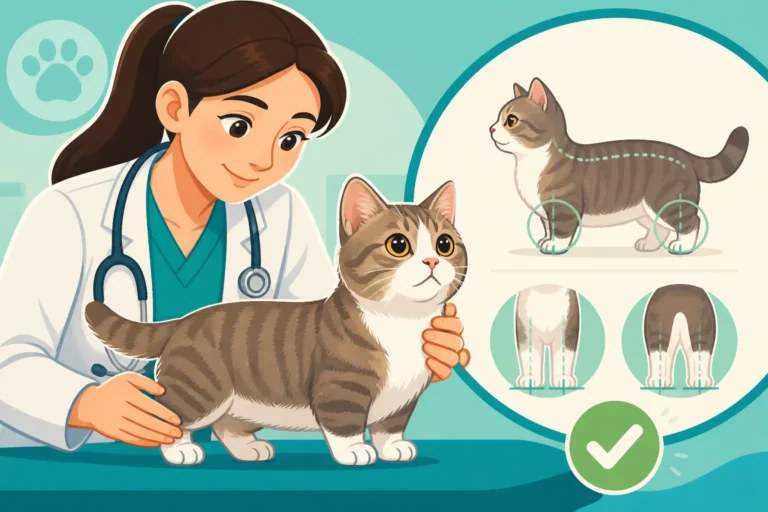
One of the most critical early checks happens during the kitten's first veterinary visit, usually around 8-12 weeks of age, coinciding with their first vaccinations. This isn't just a quick peek; it's a thorough examination where the vet will palpate the spine, check the chest for any abnormalities, and assess the overall conformation and gait. It's during this crucial window that conditions like lordosis or pectus excavatum might first be suspected. A breeder should always be prepared to show you what a Munchkin breeder should be able to show you regarding the health of their lines and individual kittens.
Breeders pay close attention to how a kitten moves. Do they struggle to keep up with their littermates in play? Is their gait uneven? While Munchkins adapt remarkably well to their short stature, any signs of pain or extreme difficulty in mobility warrant further investigation. They also observe their posture, looking for any unusual arching or sinking of the spine, or unusual difficulty in rising from a lying position.
Specific Conditions to Watch For
When we talk about "affected kittens," we're usually referring to those exhibiting health issues beyond the expected short legs. The most commonly cited skeletal conditions associated with the Munchkin breed are lordosis and pectus excavatum.
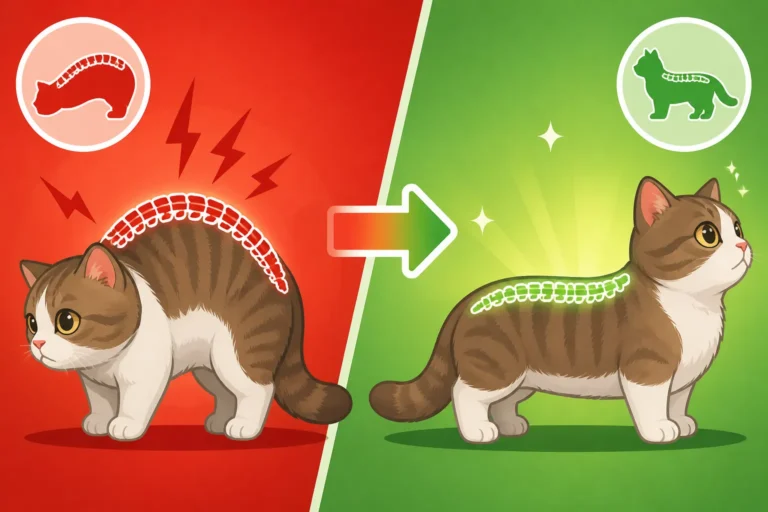
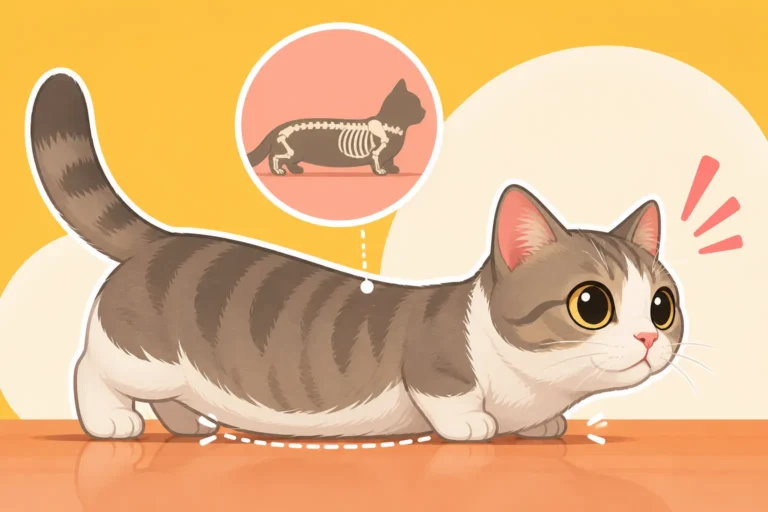
Lordosis is a spinal condition where the spine curves inward, often in the lower back, creating a swayback appearance. In severe cases, this curvature can become so pronounced that it compresses internal organs, which can be life-threatening. Breeders are vigilant for signs of this condition, as it can be quite serious. You might wonder, how early lordosis shows in a Munchkin kitten. It can often be detected in kittens as young as 6-8 weeks, though sometimes it becomes more apparent as they grow. Early detection is key for prognosis and management. The physical manifestation of lordosis can vary greatly; sometimes it's a subtle dip in the back, while other times it's much more obvious, leading to a visible arch or even a "caving in" of the back.
Pectus excavatum, often referred to as a "funnel chest" or "sunken chest," is a congenital deformity of the sternum and rib cage where the breastbone grows inward, pressing on the heart and lungs. This can range from mild to severe, impacting a kitten's breathing and cardiac function. A breeder will regularly check the chest of their kittens by gently feeling along the sternum. You can often feel what a sunken chest feels like on a Munchkin kitten during these early checks. In more severe cases, it can visibly indent the chest wall. Both these conditions can compromise a kitten's quality of life significantly, and it's imperative for breeders to act quickly and responsibly if they are suspected.
Beyond these well-known skeletal issues, breeders are also on the lookout for any other congenital defects or general poor health that might affect any kitten, regardless of breed. This includes things like heart murmurs, cleft palates, or persistent infections. While these are not specifically tied to the Munchkin gene, a responsible breeder ensures the overall health of their entire litter.
The Breeder's Assessment and Ethical Responsibilities
Once a health concern is identified in a Munchkin kitten, the breeder's role shifts dramatically. It’s no longer just about raising healthy kittens; it’s about making informed, ethical decisions that prioritize the kitten's well-being above all else. This process involves thorough veterinary diagnostics and transparent communication with potential buyers, or even other breeders if the kitten was part of a breeding program.
Veterinary Diagnosis and Prognosis
When a breeder suspects an issue like lordosis or pectus excavatum, the very next step is a comprehensive veterinary examination. This typically involves more than just a physical check. The vet will likely recommend diagnostic imaging, such as X-rays, to accurately assess the severity of the condition. For lordosis, X-rays can clearly show the spinal curvature and potential compression of internal organs. Understanding what lordosis does to a Munchkin is vital, as it can cause significant discomfort and impact organ function. In cases of pectus excavatum, X-rays or even a CT scan can reveal how much the sternum is pressing on the heart and lungs, and how a vet grades a Munchkin's sunken chest will determine the course of action.
Based on these diagnostics, the veterinarian will provide a prognosis, which is an educated prediction of the kitten’s future health and quality of life. This prognosis is crucial for the breeder in deciding the kitten's future. For mild cases of lordosis or pectus excavatum, the vet might suggest conservative management, dietary adjustments, or even specific exercises. In some instances, surgical correction might be an option, particularly for severe pectus excavatum, though this is a significant and costly undertaking for a young kitten.
The vet will also advise whether a Munchkin with lordosis can live normally. Often, mild cases can lead a relatively normal life with careful management and a supportive environment. However, for severe cases where why severe lordosis compresses a Munchkin's organs, the prognosis can be very poor, and the kitten might face chronic pain or respiratory distress. This comprehensive assessment forms the bedrock of the breeder's subsequent decisions.
Transparency and Communication
A truly ethical breeder understands that honesty is paramount, especially when dealing with an affected kitten. They will immediately inform any potential buyers who had expressed interest in that specific kitten, providing full disclosure of the diagnosis, prognosis, and recommended care. This transparency extends to sharing all veterinary reports, X-rays, and the veterinarian’s professional opinion.
This level of communication is not just about ethics; it's about setting realistic expectations. A buyer needs to fully understand the challenges and potential costs involved in caring for a kitten with special needs. This transparency ensures that if the kitten is placed in a new home, its new family is fully prepared and committed to providing the necessary lifelong care.
Ethical breeders will also maintain communication with their mentor breeders or breed clubs, sharing information about any health issues that arise in their lines. This contributes to the collective knowledge of the breed and helps identify potential genetic predispositions, even if the Munchkin gene has not been identified for testing. Such an open approach fosters responsible breeding practices across the community, aiming to minimize the occurrence of these issues in future generations.
Decisions for Affected Munchkin Kittens
Faced with an affected kitten, a breeder essentially has two primary paths, both of which are carefully considered and often emotionally taxing. The decision hinges on the severity of the condition and the projected quality of life for the kitten.
Placement as Pet-Only Kittens
For kittens with mild to moderate conditions, where the prognosis for a good quality of life is favorable with proper care, breeders will typically place them as "pet-only" kittens. This means they are sold with a strict spay/neuter contract, ensuring they will not be used for breeding. This is a critical step because responsible breeders never want to pass on a genetic predisposition to conditions like lordosis or pectus excavatum.
When placing such a kitten, the breeder goes above and beyond to educate the prospective owner. They discuss in detail what the condition entails, how to manage it, and the potential long-term care requirements. For example, a kitten with mild lordosis might need ramps to access furniture, a special diet to maintain a healthy weight, and regular veterinary check-ups to monitor its spinal health. This aligns with why a Munchkin budget needs a mobility line from day one. They ensure the new owners understand that commitment means providing an adapted home environment, potentially more frequent vet visits, and possibly specialized care throughout the cat's life.
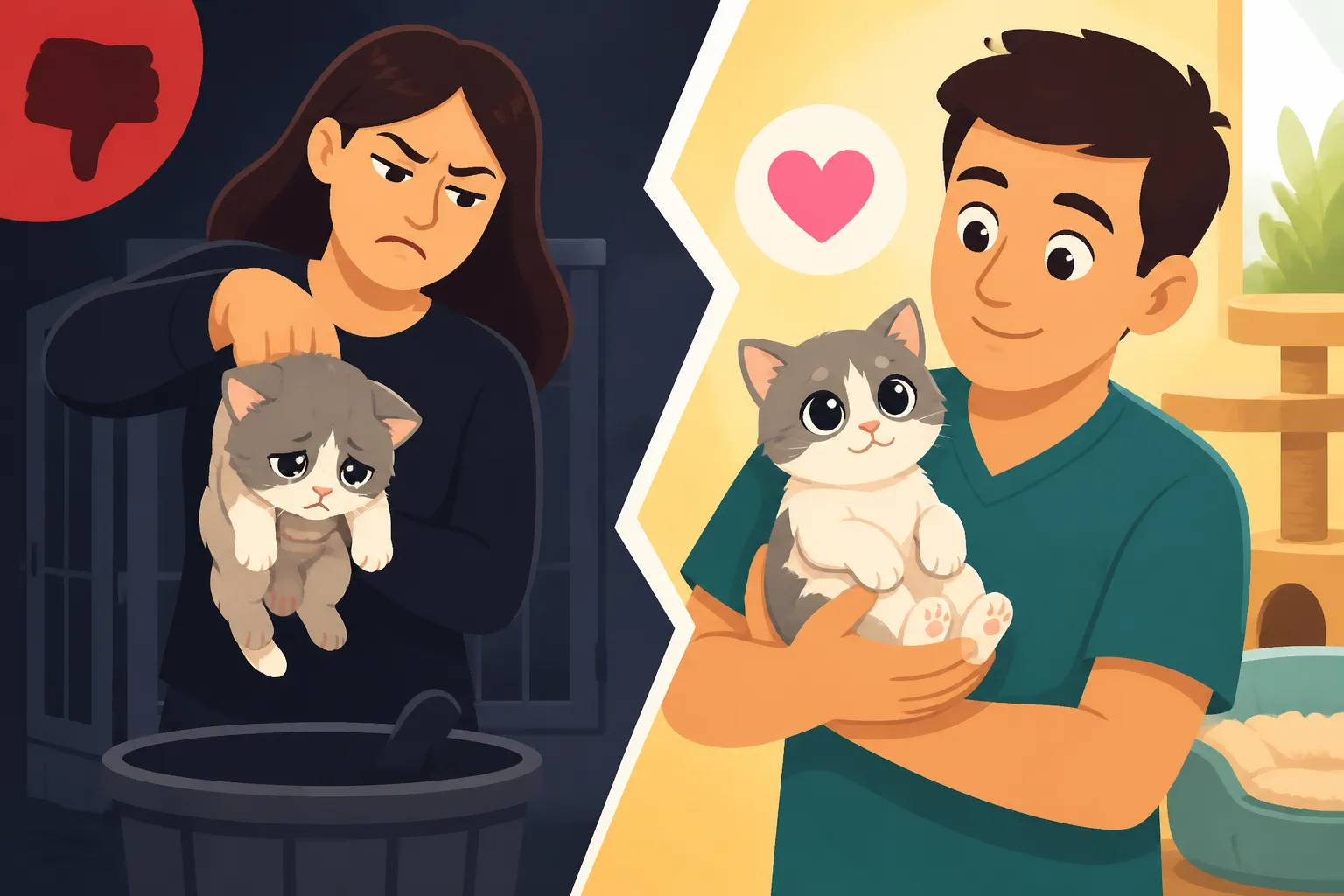
These kittens are usually sold at a significantly reduced price, or sometimes even given to a loving home that demonstrates the capacity and willingness to provide exceptional care. The focus shifts entirely from profit to ensuring the kitten finds the best possible home where its unique needs will be met. Breeders often look for individuals or families with previous experience with special needs pets, or those who can demonstrate a strong commitment to the animal’s welfare. They might also suggest looking into pet insurance providers like Healthy Paws, to help manage potential future veterinary costs, especially since you need to know whether pet insurance covers a Munchkin's spine.
There's a reason why some Munchkin kittens are not sold at full price or marketed like their unaffected siblings; it's a testament to the breeder's integrity in prioritizing the kitten's future. The process of finding the right home can be extensive, as the breeder wants to ensure a perfect match for a kitten that may require extra attention and resources.
When Euthanasia Becomes the Kindest Option
This is, without a doubt, the most agonizing decision a responsible breeder might have to make. For kittens suffering from severe conditions where the prognosis is grim – meaning a life filled with chronic pain, severe disability, or little to no quality of life – euthanasia is sometimes the most compassionate choice.
This difficult decision is never made lightly or in isolation. It is always made in close consultation with an experienced veterinarian who agrees that the kitten's suffering cannot be adequately managed or that its quality of life will be severely compromised. Conditions like very severe lordosis that drastically compress internal organs, or profound pectus excavatum that severely impairs breathing and heart function, can fall into this category. The vet's assessment is key in determining if the kitten is facing an existence of distress.
The ethical framework here is about preventing prolonged suffering. While it's natural for a breeder to feel attachment to every life they bring into the world, the welfare of the kitten must always take precedence over human emotion or financial considerations. A responsible breeder understands that allowing a kitten to live a life of constant pain, even with the best intentions, is not fair to the animal.
This is a testament to the fact that breeding, particularly breeds with unique genetic traits, carries immense responsibility. It requires breeders to face the potential downsides and make incredibly tough choices, always guided by what is best for the individual animal, even if it means profound personal heartbreak.
Supporting the Well-being of Special Needs Munchkins
Caring for a Munchkin with special health considerations is a long-term commitment that goes beyond the initial diagnosis. It requires ongoing adjustments to their environment and a proactive approach to their health management.
Adapting the Home Environment
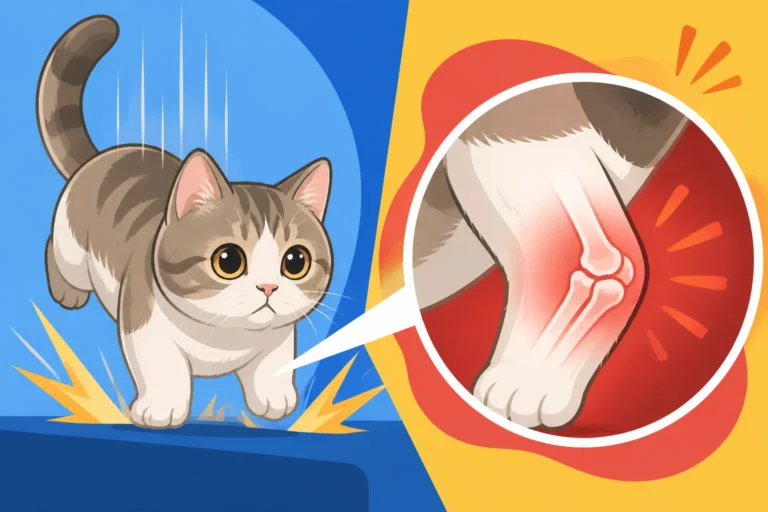
For Munchkins with spinal issues like lordosis or mobility challenges, making their living space safe and accessible is paramount. This means thinking from their perspective, which is very close to the ground. Ramps and steps become essential tools, not luxuries. Instead of letting them try to jump onto furniture, which can put undue stress on their spine and joints, provide carpeted ramps or sturdy pet steps leading to their favorite perches, sofas, and beds. This isn't just about comfort; it's about preventing further injury. You might consider building Munchkin steps yourself costs, which can save money and allow for customisation.
Food and water bowls should be elevated to a comfortable height, so the kitten doesn't have to strain its neck or back to eat or drink. Low-entry litter boxes are also a must, especially if the kitten has any difficulty lifting its legs or has a sensitive back. A senior cat litter box often suits a Munchkin perfectly, offering easy access without awkward maneuvers.
Consider the flooring in your home. Slippery surfaces like hardwood or tile can be challenging and even dangerous for a Munchkin with mobility issues, increasing the risk of slips and falls that could exacerbate spinal problems. Placing rugs or carpet runners in high-traffic areas can provide better traction and a softer landing spot. Enrichment should also be floor-level; invest in puzzle feeders and toys that don't require high jumps or extensive climbing. Even something as simple as a window perch needs to be reachable via a ramp or a series of gradual steps.
Long-Term Health Management and Support
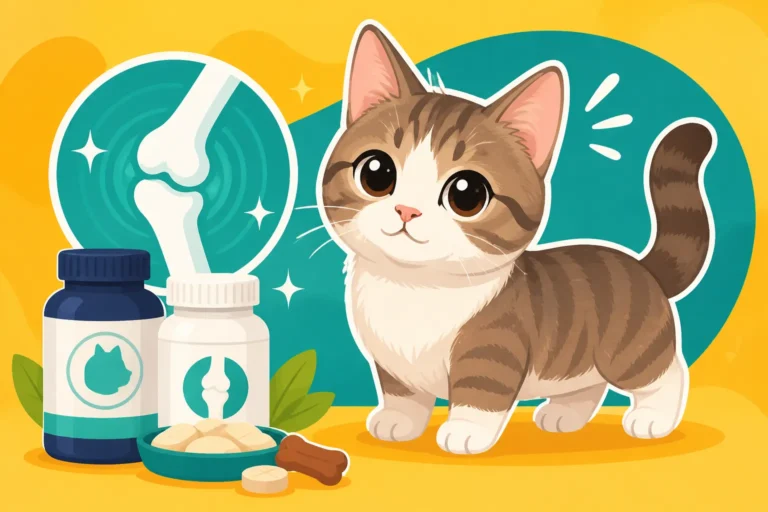
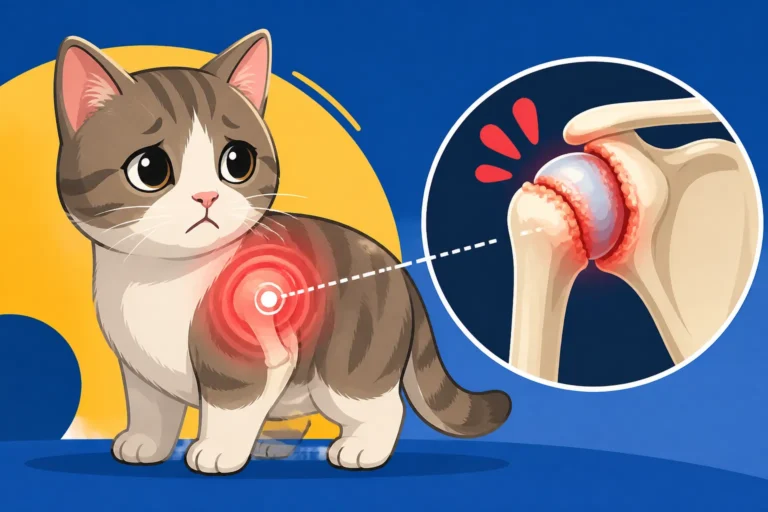
Ongoing veterinary care is non-negotiable for a special needs Munchkin. Regular check-ups, potentially including periodic X-rays to monitor the progression of conditions like lordosis or pectus excavatum, are crucial. For a kitten with a history of a sunken chest, why a Munchkin's chest should be rechecked at six months is a vital consideration to ensure its development is proceeding without further complications. The vet can also recommend specific joint supplements or pain management strategies if arthritis or discomfort arises as the cat ages.
Weight control is another critical aspect of their care. Every extra pound places additional strain on a Munchkin's spine and joints, which are already susceptible due to their unique conformation. A precisely measured diet and regular monitoring of their body condition score are essential. If you want to know how much weight a Munchkin can safely carry, your vet can help you establish an ideal weight range and a feeding plan.
Grooming might also require extra attention. Munchkins, especially those with spinal issues, can struggle to groom their hindquarters effectively. This means owners must be prepared to assist with regular brushing and even sanitary clips to prevent matting and skin infections. Early intervention, understanding why a Munchkin cannot reach to groom, is key to preventing discomfort.
Finally, emotional support for the owner is just as important. Caring for a special needs pet can be demanding, both financially and emotionally. Reputable breeders often provide ongoing support and advice to the families of affected kittens, and connecting with online communities of special needs pet owners can offer valuable shared experiences and resources. Companies like Healthy Paws can provide peace of mind for owners by helping to cover the costs of ongoing treatments, surgeries, and medication, ensuring that financial concerns don't impede necessary care. This long-term commitment is a true reflection of the love and dedication these special Munchkins deserve.
Disclaimer
This article is intended for informational purposes only and does not constitute veterinary advice. Always consult with a qualified veterinarian for any health concerns regarding your Munchkin cat. Decisions regarding the care and well-being of any animal should be made in consultation with a professional, taking into account the specific circumstances of the individual animal.