Whether Any Country Has Banned Munchkin Breeding
It’s a truly tough spot when you’re looking into a specific cat breed, like the Munchkin, and find yourself drowning in conflicting information about their welfare, their recognition, and even their legality. Many prospective owners feel a real pull towards these charming, short-legged felines but are understandably concerned about the ethical implications and whether bringing one home is even allowed where they live. This guide aims to clear up that confusion by diving deep into which countries and major feline organizations have banned or restricted Munchkin breeding, helping you make an informed decision without feeling like you’re sifting through a stack of legal documents.
The Current Legal Status of Munchkin Breeding Across Countries
When you start researching the Munchkin cat, one of the most pressing questions that often comes up is whether breeding them is actually allowed everywhere. It's not a simple yes or no answer, unfortunately, because different countries and even different cat registries have taken wildly varied stances. This creates a real patchwork of regulations and ethical guidelines that can be incredibly confusing for anyone hoping to welcome a Munchkin into their family.
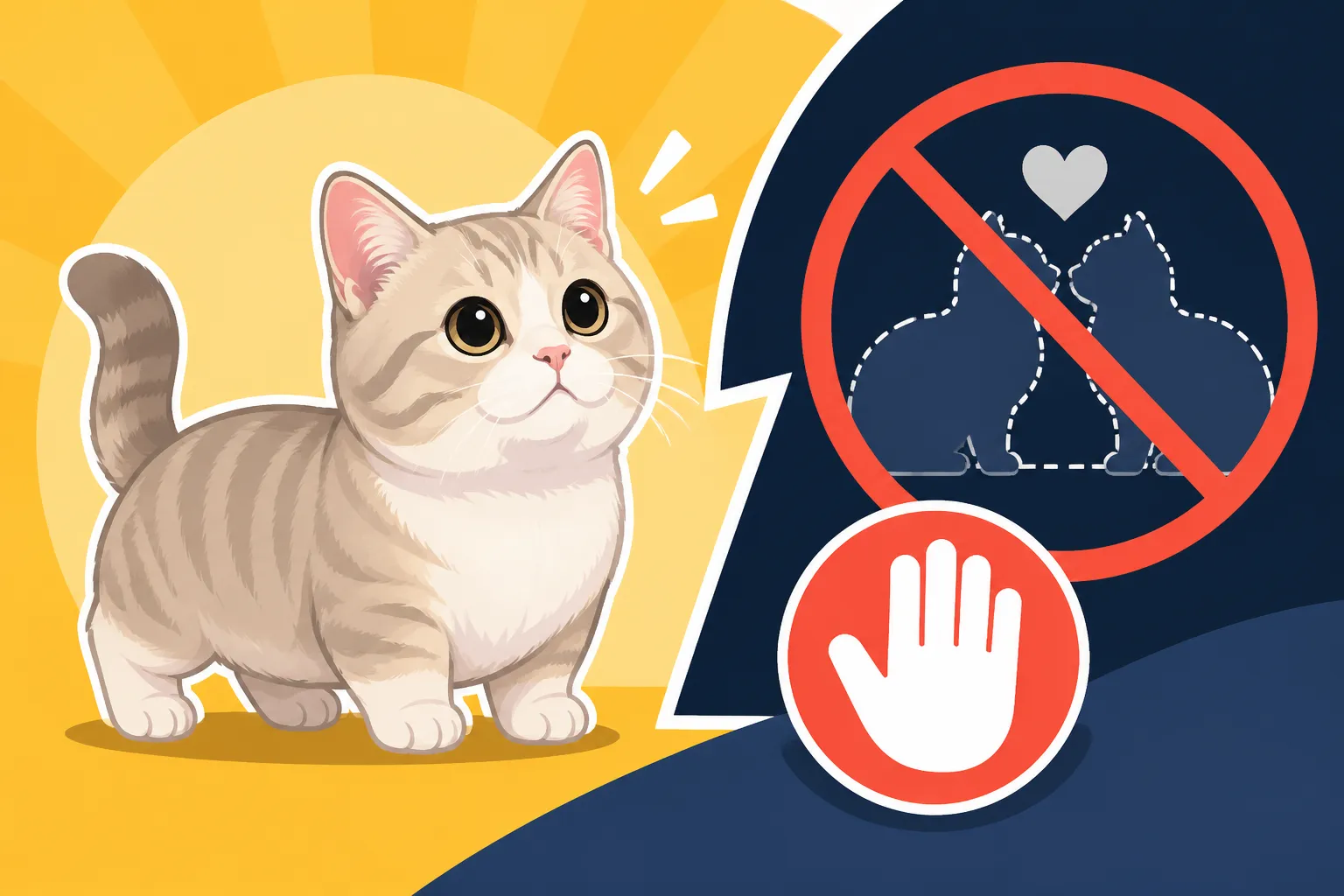
Globally, while the Munchkin breed is recognized and shown in some major cat associations, particularly The International Cat Association (TICA) in North America, its breeding is outright banned or heavily restricted in several European countries. These bans are typically driven by concerns over the health and welfare of the cats, specifically focusing on the genetic mutation responsible for their characteristic short legs. The core of the issue lies in whether the intentional breeding of animals with a genetic condition that could predispose them to health problems is considered ethical. For many animal welfare organizations and governments, the answer is a resounding no.
For instance, countries like the Netherlands have outright banned the breeding of cats with genetic conditions deemed harmful, and this includes Munchkins. Germany also has strong animal welfare laws that often interpret the breeding of cats with a chondrodystrophy (the type of dwarfism seen in Munchkins) as "torture breeding" or "peinigungzucht," effectively making it illegal. Similar restrictions exist or are being actively discussed in other European nations like Belgium and Norway, where animal welfare acts often prohibit breeding animals that will predictably suffer from their inherited traits. It's a testament to the increasing scrutiny on selective breeding practices and a clear signal that the welfare implications of genetic conditions are being taken very seriously by legislators and the public alike.
Why Breeding Bans Are Implemented for Munchkin Cats
The decision to ban or restrict the breeding of any animal breed is never taken lightly, and for Munchkin cats, these bans are rooted deeply in specific concerns regarding their health and long-term welfare. The primary driver behind these legislative actions is the understanding of what pseudoachondroplasia does to a Munchkin's legs. The gene responsible for their short stature, which is technically a form of dwarfism, is not just about aesthetics; it affects bone and cartilage development throughout the cat's body.
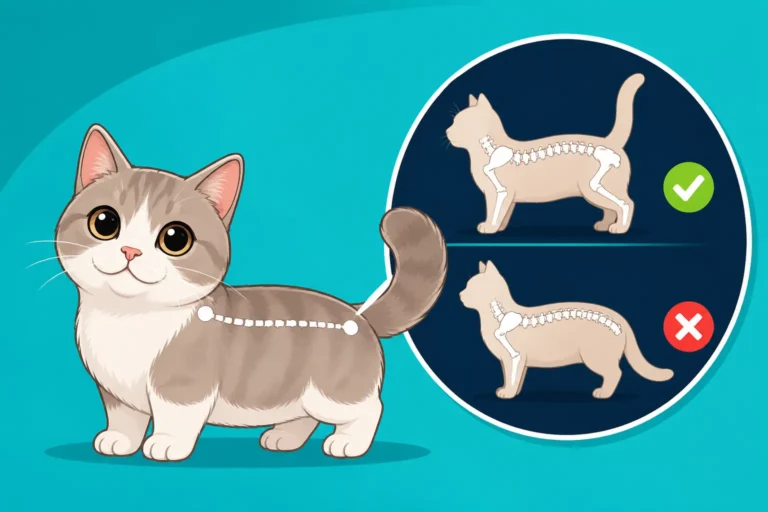
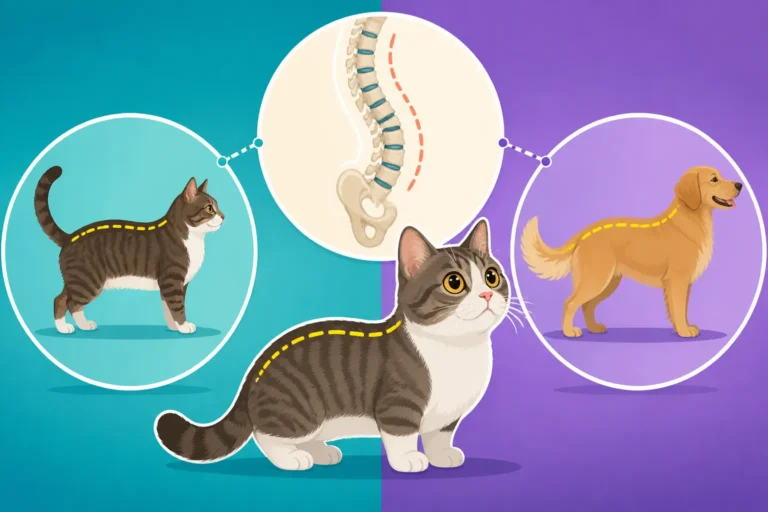
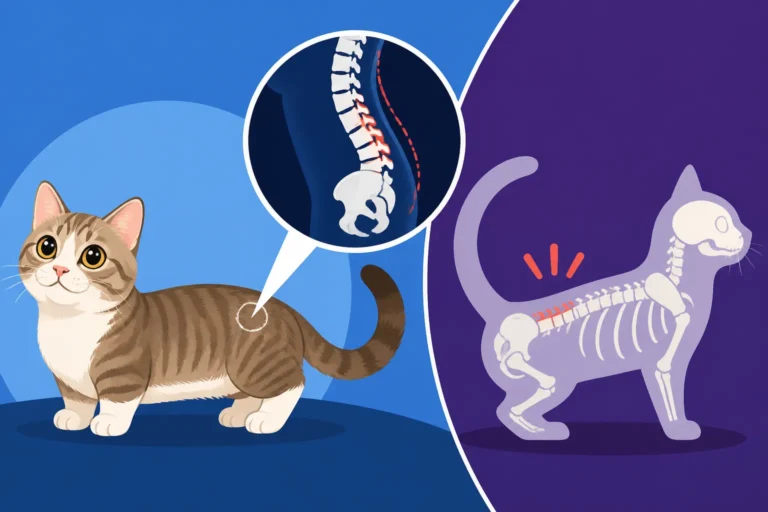
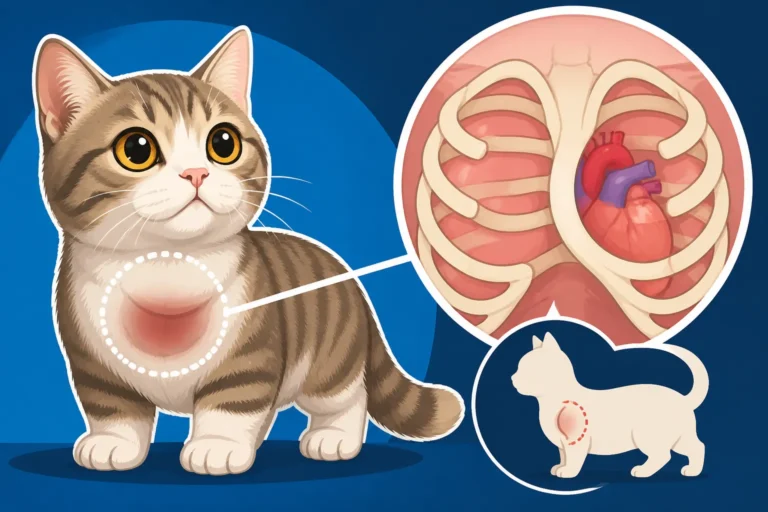
Veterinary professionals and animal welfare organizations raise significant flags because this genetic mutation is associated with a higher risk of certain musculoskeletal problems. Two of the most commonly cited conditions are lordosis and pectus excavatum. Lordosis is a severe inward curvature of the spine, which can compress internal organs like the heart and lungs, potentially leading to pain, breathing difficulties, and a reduced lifespan. When we talk about how severe Munchkin lordosis can get, we're not just discussing a slight postural quirk; we're talking about a condition that can severely impact a cat's quality of life. Similarly, pectus excavatum, or "sunken chest," is a deformity where the breastbone grows abnormally inwards, also impinging on heart and lung function. While these conditions can occur in any cat breed, the concern with Munchkins is the perceived increased prevalence and the direct link to the very trait that defines the breed.
These health predispositions are why many welfare bodies say about the Munchkin that intentional breeding for such traits is unethical. They argue that knowingly perpetuating a gene that carries a risk of significant suffering runs counter to responsible animal husbandry. This stance is often supported by veterinarians who observe these conditions in their practices. It’s a complex issue, with breeders often asserting that well-bred Munchkins from reputable lines are healthy and don't necessarily suffer from these issues. However, the legislative bodies in countries with bans err on the side of caution, prioritizing the potential for suffering over breed aesthetics. They see it as a preventative measure to avoid an increase in genetic health problems within the pet population. When considering pet insurance, a provider like Healthy Paws might also factor in known breed predispositions, which highlights the perceived risks associated with certain inherited traits.
Countries Where Recognition Affects Breeding Practices
Beyond outright bans, many countries and major cat registries around the world have chosen not to recognize the Munchkin cat breed. While this isn't a direct ban on breeding, it effectively curtails organized breeding programs, showing opportunities, and the general acceptance of the breed within the mainstream cat fancy. Without recognition, breeders cannot register their cats with these organizations, making it impossible to obtain official pedigrees or participate in championship shows. This lack of formal acknowledgment can significantly impact the breed's development and public perception.
A prime example is the Cat Fanciers' Association (CFA), one of the largest cat registries globally, which explicitly states why CFA will not register a Munchkin. Their stance, along with others like the Governing Council of the Cat Fancy (GCCF) in the UK, which also explains why GCCF refuses the Munchkin, typically centers on welfare concerns. These organizations believe that the intentional breeding of cats with a genetic mutation that causes dwarfism could lead to health problems and therefore goes against their ethical guidelines for promoting healthy, robust breeds. This also extends to many national cat federations across Europe, Asia, and Australia. For instance, the Fédération Internationale Féline (FIFe), a large international cat federation active in 40 countries, does not recognize the Munchkin or any derivative breeds, effectively limiting their presence in large parts of Europe.
This lack of recognition means that while individuals might still breed Munchkins privately, they operate outside the established ethical and health screening frameworks that recognized registries provide. This makes it harder to track pedigrees, ensure responsible breeding practices (like outcrossing to maintain genetic diversity and avoid perpetuating health issues), and verify health clearances. For a new owner, this can be a huge hurdle. It means you have to be even more diligent when searching for a breeder, as the usual assurances of "registered pedigree" might not hold the same weight or ethical backing that they would for a recognized breed. The best breeders, regardless of breed, will always be transparent about their cats' health and any potential genetic predispositions, but without official oversight, it becomes an even greater buyer-beware situation.
The Broader Ethical Debate and Future Outlook for the Breed
The debate surrounding Munchkin cats and their breeding is one of the most contentious topics in the cat fancy, sparking passionate arguments from all sides. On one hand, many breeders and owners vehemently defend the breed, stating that Munchkin cats are healthy, active, and lead perfectly normal lives. They often point out that the cats are incredibly playful, curious, and affectionate, adapting well to their environment. Breeders emphasize their commitment to rigorous health screening, responsible breeding practices—such as never breeding two short-legged Munchkins together because Munchkin dwarfism is dominant and lethal in two copies—and providing extensive support to new owners. They might argue that many breeds have genetic predispositions and that the focus should be on responsible breeding and care rather than outright bans. What Munchkin breeders say in reply to critics often highlights the care and attention they give to their breeding programs and the well-being of their cats.
On the other side, animal welfare advocates and many veterinarians express deep ethical concerns. They argue that intentionally breeding for a genetic mutation that causes dwarfism, even if mild, places an inherent risk on the animal. Their concern isn't just about severe cases of lordosis or pectus excavatum, but also about the general impact of the short legs on a cat's mobility and quality of life. They question whether a Munchkin is in pain from its legs, particularly as it ages and conditions like arthritis might set in. Even if a Munchkin appears to adapt well, some argue that its movement is restricted compared to a normal-legged cat, potentially impacting natural behaviors like jumping, climbing, and escaping perceived threats. This is a central part of how to judge a Munchkin's quality of life.
The future outlook for Munchkin breeding is likely to see continued polarization. As awareness of animal welfare grows and scientific understanding of genetic conditions advances, more countries and organizations may lean towards stricter regulations or outright bans, especially in regions with strong animal protection laws. The trend is clearly moving towards a critical examination of breeds with extreme physical traits. However, in countries where the breed remains popular and legally unrestricted, such as the United States and Japan, breeding will likely continue under the TICA Judges the Munchkin and CFA Will Not Register It framework. For potential owners, this means that the responsibility to research and understand the breed's health issues, ethical considerations, and local regulations becomes paramount. Choosing a breeder who prioritizes health, offers comprehensive genetic screening, and can provide detailed veterinary records for their breeding cats is crucial, and it’s always wise to discuss potential future health costs with a pet insurance provider like Healthy Paws. Ultimately, the decision of whether to support Munchkin breeding often comes down to individual ethical perspectives on animal welfare and selective breeding.
International Stance on Munchkin Breeding
Here's a quick overview of how different regions and major organizations generally view or regulate Munchkin breeding:
| Region/Organization | General Stance on Munchkin Breeding | Impact on Breeders/Owners |
|---|---|---|
| Netherlands | Banned. Breeding animals with harmful genetic defects is illegal under animal welfare legislation. | No legal breeding, selling, or importing of Munchkin cats. Owners might face legal issues if found to have bred them. |
| Germany | Effectively Banned. Considered "torture breeding" (Qualzucht) under animal welfare law. |
Breeding and sale are illegal. Similar to the Netherlands, strict penalties for violations. |
| Belgium | Strong Restrictions/De Facto Ban. Laws often prohibit breeding if it causes suffering. | Breeding is heavily discouraged and often not legally viable. Public showing and advertising are restricted. |
| Norway | Strong Restrictions/De Facto Ban. Welfare laws interpreted to prevent breeding of animals with inherent health issues. | Similar to Belgium, challenging to breed legally or ethically. |
| United Kingdom (GCCF) | Not Recognized. The Governing Council of the Cat Fancy (GCCF) does not register Munchkin cats due to welfare concerns. | Cannot be registered, shown, or bred within GCCF guidelines. Private breeding still occurs but lacks official oversight. |
| United States (TICA) | Recognized. The International Cat Association (TICA) recognizes the Munchkin breed for championship status. | Breeders can register their cats, participate in shows, and breed according to TICA's standards. This is the primary avenue for recognized Munchkin breeding globally. |
| United States (CFA) | Not Recognized. The Cat Fanciers' Association (CFA) does not recognize the Munchkin. | Cannot be registered, shown, or bred under CFA. |
| Australia/New Zealand | Generally Not Recognized/Discouraged. Most major cat councils do not recognize the breed due to welfare concerns. | Breeding is often discouraged by official bodies, and registration is unavailable. Private breeding may exist but without formal endorsement. |
| Fédération Internationale Féline (FIFe) | Not Recognized. This international federation (covering many European countries) does not recognize the Munchkin or any derivative breeds. | Members of FIFe cannot breed, register, or show Munchkins under FIFe rules, effectively a ban for organized breeding in member countries. |
| Japan | Generally Permitted/Popular. No widespread breeding bans, and the breed is quite popular. | Breeding is common, and the breed enjoys significant popularity. However, individual breeders should still adhere to ethical practices. |
This table highlights that while some regions have outright legal bans, many others enforce restrictions through non-recognition by major breed organizations, which effectively makes organized and ethically supported breeding impossible.
Disclaimer
This article is for general informational purposes only and does not constitute professional advice. Laws, prices and regulations vary by location and change over time. Consult a qualified professional for guidance on your specific situation.