What Two Skeletal Mutations Do to One Munchkin
It’s an exciting thought, isn’t it? Bringing home a cat with a truly unique look, perhaps even something you’ve only seen in pictures. But sometimes, in the pursuit of those striking features, breeders can inadvertently (or sometimes, knowingly) combine genetic traits that lead to a lifetime of pain and struggle for an innocent animal. This guide is all about understanding the serious health implications when a Munchkin cat, already carrying one skeletal mutation, is bred with another breed that also carries a skeletal mutation.
Understanding the Munchkin's Unique Skeleton
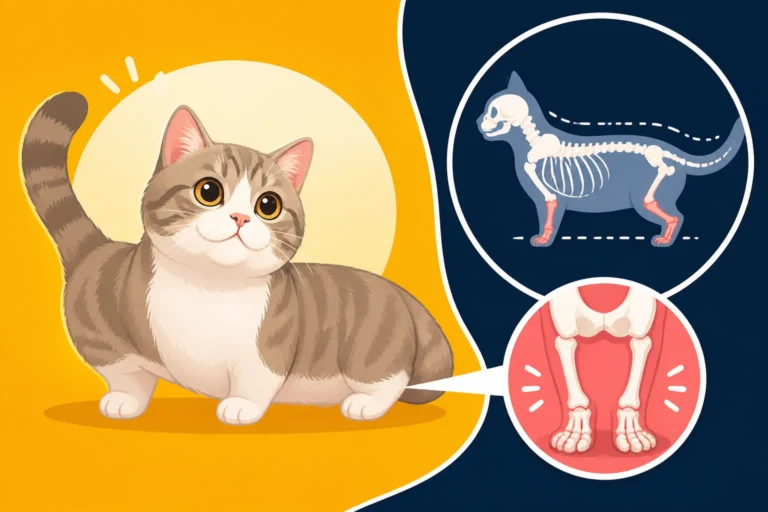
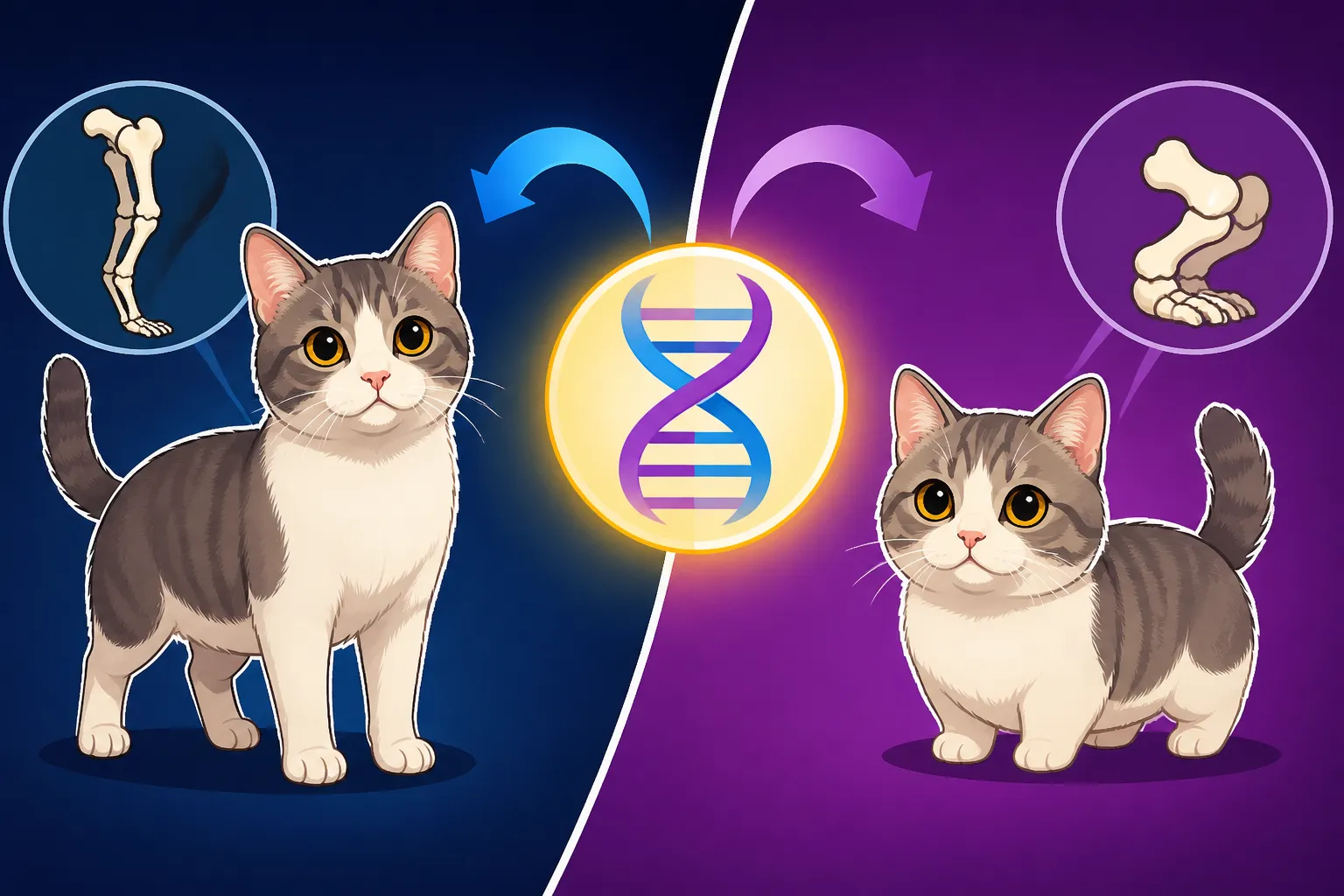
First, let’s get clear on what makes a Munchkin a Munchkin. Their defining characteristic, those adorable short legs, comes from a genetic mutation called chondrodysplasia. Essentially, it means the long bones in their legs don’t grow to a normal length, while the rest of their body (like their spine) develops as a typical cat's would. This is what gives them that distinctive low-slung appearance.
This specific form of dwarfism is inherited in an autosomal dominant pattern. This means a kitten only needs one copy of the gene from a parent to have short legs. However, if a kitten inherits two copies of the Munchkin gene, it's lethal, meaning those embryos don't survive. This is why a Munchkin is always bred to a normal-legged cat, and about half the litter will have normal legs, even though they come from a Munchkin parent.
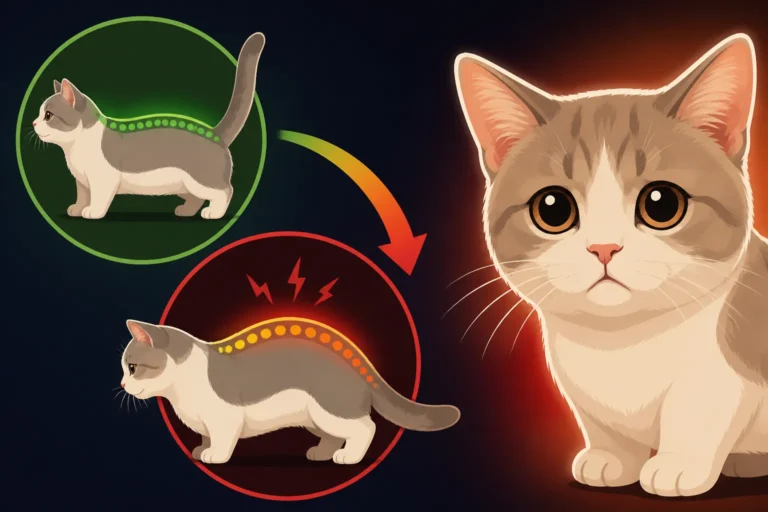
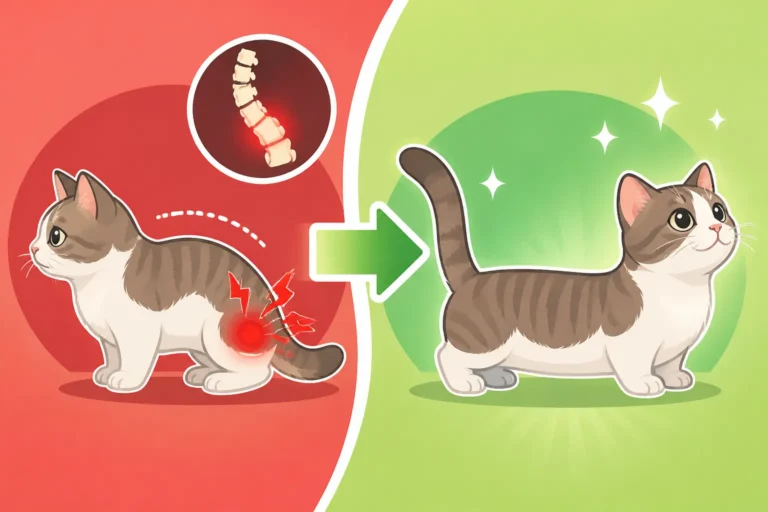
It's crucial to grasp that while a well-bred Munchkin, with careful management and an adapted home, can often lead a full life, their short legs do put different stresses on their body. For instance, Why a Munchkin's Spine Carries a Load a Normal Cat's Does Not is a significant consideration. Their proportionally longer spine, supported by shorter limbs, means that gravity and movement can impact their vertebral column differently than in a long-legged cat. While a healthy Munchkin is often playful and agile on flat surfaces, repeated jumping down from heights, which a long-legged cat takes in stride, can put excessive strain on their joints and spine over time. They might not jump as high, but they still attempt to access elevated spaces, which can wear on their delicate structure.
The Peril of Stacking Skeletal Mutations
This is where things get really concerning. When you take a Munchkin, a cat already genetically predisposed to specific skeletal challenges, and combine it with another breed that carries a different skeletal mutation, you're essentially stacking genetic risks. This isn't just about combining two cute features; it's about potentially creating a cat with compounded, severe, and painful health problems.
The issue isn't simply that the cat has two "quirky" traits; it's that two different mutations, both affecting the skeletal system, can interact in unpredictable and often devastating ways. Imagine a building with a weak foundation and then trying to add a second, entirely different structural flaw. The integrity of the whole structure is severely compromised. In a cat, this can mean a drastically reduced quality of life, chronic pain, and a need for extensive, lifelong veterinary care. Insurers like Healthy Paws might even categorize these combination breeds as high-risk, leading to higher premiums or exclusions for pre-existing or breed-specific conditions. The ethical implications of breeding cats with such known risks are a major point of contention within the veterinary community and among responsible breeders worldwide.
The common understanding among animal welfare advocates and many veterinary professionals is that Why Munchkin Hybrids Stack Two Mutations is unethical because it prioritizes a 'designer' look over the cat's well-being. The very real risk of combining these traits means that these cats often suffer from exacerbated forms of the conditions associated with each individual mutation. Instead of simply having shorter legs or curled ears, they can experience a far more widespread and debilitating impact on their entire skeletal system and overall mobility.
Exploring Hybrid Breeds and Their Compounded Risks
While the Munchkin itself is recognized by some registries, like The International Cat Association (TICA), many hybrid breeds involving Munchkins are not widely accepted, and some are actively discouraged or even banned in certain countries due to welfare concerns.
Let's look at some examples where combining the Munchkin gene with another mutation leads to significant problems:
The Scottish Fold Munchkin: A Critical Welfare Concern
Perhaps the most notorious example of stacking skeletal mutations is the Scottish Fold Munchkin, sometimes referred to by other designer names. The Scottish Fold breed itself carries a dominant genetic mutation that causes osteochondrodysplasia, a condition affecting cartilage and bone development throughout the entire body. While it's most visibly evident in their famously folded ears, this condition doesn't stop there. It causes progressive arthritis, painful fused vertebrae, bone lesions, and deformed limbs in all Scottish Folds, to varying degrees.
When you combine the Scottish Fold's osteochondrodysplasia with the Munchkin's chondrodysplasia, you are creating a cat with two distinct genetic conditions, both impacting the skeletal system. This combination often results in a dramatically more severe expression of skeletal abnormalities. These cats are at an incredibly high risk of developing debilitating arthritis at a very young age, experiencing severe spinal problems, and facing chronic, intractable pain. Whether a Scottish Fold Munchkin Should Be Bred is a question that responsible breeders and veterinary associations overwhelmingly answer with a resounding "no." The welfare implications are profound, leading to severe mobility issues, difficulty moving around, and a significantly diminished quality of life. The painful stiffness and discomfort these cats can experience often require extensive veterinary intervention, including pain management, physiotherapy, and sometimes even surgery, which can be a huge financial and emotional burden for owners.
The Bambino Cat: Munchkin and Sphynx Traits
Another hybrid, the Bambino, is a cross between a Munchkin and a Sphynx. The Sphynx breed is known for its hairlessness, which is a different genetic mutation from the Munchkin's short legs. While the Sphynx itself isn't characterized by a skeletal dwarfism mutation, combining it with the Munchkin still presents its own set of challenges, though perhaps not as acutely skeletal in nature as the Scottish Fold cross.
Sphynx cats, due to their lack of fur, have different thermoregulation needs and can be prone to certain skin conditions. When you add the Munchkin's short legs, the cat can struggle with mobility, especially in colder environments or on certain surfaces. The care requirements for a Bambino can be complex, needing attention to both skin health and joint support. While the Sphynx component doesn't introduce a second dwarfism gene, the combination of a hairless, delicate breed with the physical limitations of the Munchkin still means a potentially more fragile cat requiring specialized care. Owners need to consider how the unique care needs of a Sphynx (skin protection, regular bathing) intersect with the mobility challenges of a Munchkin. For example, What a Munchkin Cannot Reach to Groom becomes even more pertinent when you consider the intricate cleaning a Sphynx might need. This means owners must be even more hands-on with hygiene and be vigilant about potential skin issues that could arise in hard-to-reach areas.
The Minuet (Napoleon) Cat: Munchkin and Persian Influence
The Minuet, formerly known as the Napoleon, is a hybrid breed developed by crossing Munchkins with Persians and Himalayans. While Persians themselves aren't characterized by a separate dwarfism gene, they do bring their own set of potential genetic predispositions and physical traits that can interact with the Munchkin gene. Persians are known for their brachycephalic (flat-faced) features, which can lead to breathing difficulties, tear duct issues, and dental problems.
When combined with the Munchkin's short legs, the Minuet cat may inherit the short legs and also the potential for brachycephalic-related health issues. This means an owner might be dealing with the joint and mobility considerations of the Munchkin, alongside the respiratory or ocular challenges common in flat-faced breeds. While not a "double dwarfism" in the same sense as the Scottish Fold Munchkin, it's still a combination of specific breed traits that require careful consideration. The goal of breeding should always be to improve health and welfare, not just to create a novel appearance. A Minuet from a reputable breeder should still come with clear health screenings for potential Persian-related issues, such as Polycystic Kidney Disease (PKD), which is prevalent in Persian lines. The overall health picture of a Minuet can therefore be more complex than a purebred Munchkin, requiring attentive and proactive care to manage potential issues from both sides of its lineage.
Ethical Breeding and Responsible Ownership
Choosing a cat should always prioritize health, temperament, and welfare above aesthetic novelty. When it comes to breeds with genetic mutations, like the Munchkin, it becomes even more critical to ensure you're making an ethical choice.
Here's a table summarizing some of the common Munchkin crosses and their primary concerns:
| Hybrid Breed | Munchkin Trait | Other Breed Trait | Primary Skeletal Concern | Overall Welfare Concern |
|---|---|---|---|---|
| Scottish Fold Munchkin | Chondrodysplasia | Osteochondrodysplasia | Severe, compounded arthritis, spinal fusion, chronic pain. | Debilitating pain, severely limited mobility, greatly reduced quality of life. |
| Bambino (Munchkin x Sphynx) | Chondrodysplasia | Hairlessness | Munchkin's joint/spine issues. | Skin care needs combined with mobility issues; delicate health. |
| Minuet (Munchkin x Persian) | Chondrodysplasia | Brachycephaly (flat face) | Munchkin's joint/spine issues. | Breathing difficulties, eye issues, combined with mobility limits. |
| Kinkalow (Munchkin x American Curl) | Chondrodysplasia | Ear cartilage curvature | Munchkin's joint/spine issues. | Potential for ear issues combined with mobility limits. |
What to Look for in a Breeder
If you are considering a Munchkin or a Munchkin hybrid, it is absolutely paramount to find a reputable, ethical breeder. A good breeder will:
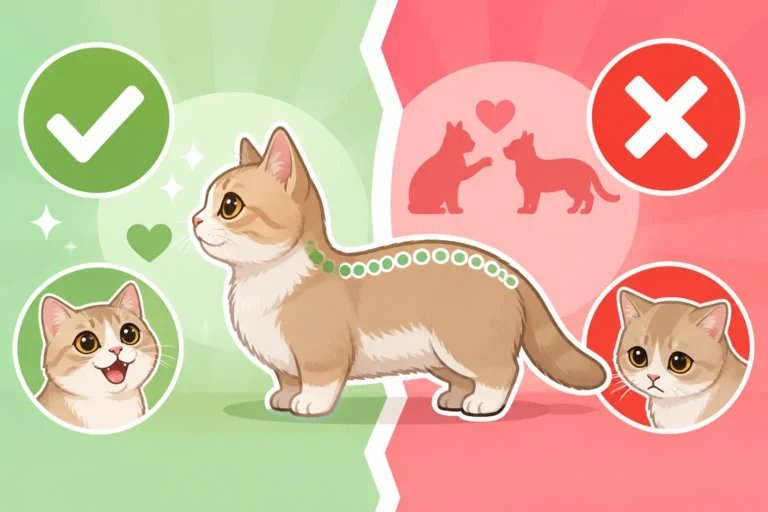
- Be Transparent About Health: They should openly discuss the health issues associated with the breed and any crosses. They should provide documentation of health screenings for both parents, including genetic tests relevant to their specific breeds (e.g., PKD for Persian lines, cardiac screenings). For a Munchkin, they should be able to discuss What a Munchkin Breeder Should Be Able to Show You regarding spinal health and leg conformation.
- Avoid Stacking Deleterious Genes: A truly ethical breeder will never breed a Munchkin with a Scottish Fold or any other breed known to carry a skeletal mutation that would exacerbate the Munchkin's challenges. They understand that such combinations are detrimental to the cat's welfare.
- Prioritize Temperament and Health: Their focus will be on producing healthy, well-socialized kittens, not on creating "designer" cats for profit by combining mutations.
- Offer a Health Guarantee: A solid health guarantee should cover genetic conditions and specific breed-related issues. Be wary of guarantees that are overly vague or exclude known issues.
- Educate Potential Owners: They will ask you many questions about your living situation and ability to care for a Munchkin or hybrid, ensuring you understand the special needs, such as providing ramps and low-entry litter boxes. They should also inform you about potential long-term care costs, including potential vet visits and specialized diets for joint health. Some breeders may even advise you on pet insurance options, and a provider like Healthy Paws could be an important consideration for long-term health coverage.
- Provide a Contract: A robust contract will outline responsibilities, spay/neuter agreements, and restrictions on breeding if you are purchasing a pet-quality kitten.
- Allow Visits: They should allow you to visit their cattery (with appropriate biosecurity measures) to see the kittens and their parents in a clean, enriching environment. This is an opportunity to observe the parents' gait and overall health. Why to Ask to See a Munchkin's Parents Move is crucial for assessing potential hereditary issues.
Responsible Ownership for These Unique Cats
Bringing any cat into your home is a big commitment, but for a Munchkin or a Munchkin hybrid, the commitment can be even greater due to their specific needs.
- Environmental Adaptation: Your home will need adjustments. This means providing ramps or steps to allow them safe access to furniture like sofas and beds. Low-entry litter boxes are a must. Consider What Keeping a Munchkin's House Adapted Costs Yearly.
- Weight Management: Keeping a Munchkin at an ideal weight is paramount. Extra weight puts significant strain on their short legs and spine. Your vet can help you determine How to Score a Munchkin's Body Condition. Feeding a high-quality diet and controlling portions are crucial.
- Regular Veterinary Care: Beyond routine check-ups, be prepared for potential monitoring of joints and spine as they age. Early detection of issues like arthritis, which can appear earlier in Munchkins, is key. Investing in comprehensive pet insurance like Healthy Paws can help manage these costs, providing peace of mind for specialized diagnostics or long-term treatments.
- Grooming: Depending on the coat length and hybrid combination, you might need to assist with grooming, especially around their hindquarters, as their short legs can make self-grooming difficult in those areas.
- Understanding Their Limits: While often playful, remember that their physical limitations mean they shouldn't be encouraged to jump from high places repeatedly. Provide enrichment at their level.
In conclusion, while the allure of a uniquely patterned or featured cat is strong, the responsible path involves a deep understanding of genetics and a commitment to the animal's welfare above all else. When it comes to Munchkins, combining their short legs with other skeletal mutations often leads to a lifetime of suffering, which no loving cat owner would wish upon their beloved companion.
Disclaimer
The information provided in this article is for educational and informational purposes only and does not constitute veterinary advice. Always consult with a qualified veterinarian for any health concerns or before making any decisions about your pet's care or breeding.