Which Munchkin Crosses Vets Object To Most
It's disheartening, isn't it? You fall in love with the unique charm of a Munchkin cat, perhaps you've seen their playful videos online, and then as you start looking into getting one, you stumble across all sorts of exotic-sounding "hybrid" breeds. Suddenly, you're faced with terms like "Bambino" or "Skookum," and a whole new layer of ethical and health questions emerges. It can feel overwhelming trying to discern what's genuinely okay for a cat and what might lead to a lifetime of suffering. This guide will help you understand which Munchkin crosses raise the most significant concerns among veterinarians and animal welfare advocates, so you can make an informed, compassionate decision.
Understanding the Foundation: The Munchkin's Unique Genetics
Before diving into the more contentious crosses, it’s crucial to understand the fundamental genetic makeup of the Munchkin itself. This breed is defined by a naturally occurring genetic mutation that results in their characteristic short legs. Without this understanding, it's impossible to grasp why stacking additional mutations can be so problematic.
The Dominant Gene and Its Implications
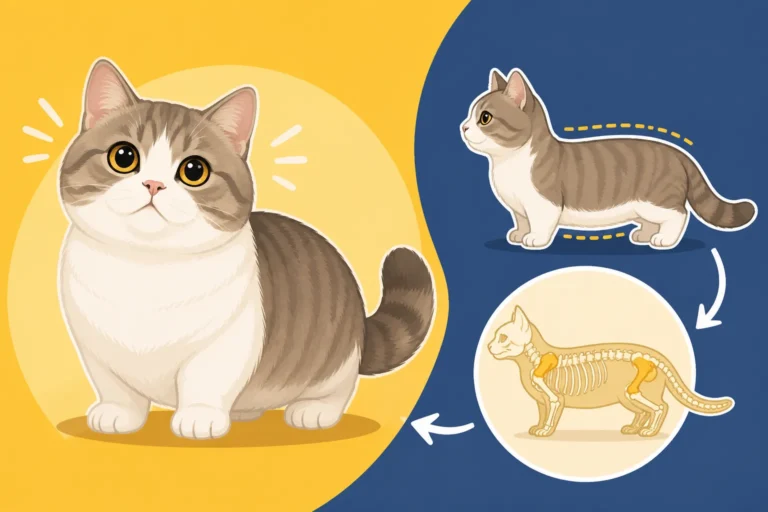
The Munchkin's short legs are caused by an autosomal dominant gene. This means a cat only needs one copy of the gene to exhibit the short-legged trait. While this sounds straightforward, it has profound implications for breeding. Here's the critical part: a cat that inherits two copies of this gene (one from each parent) will not survive. This is why you will never see a Munchkin cat bred to another Munchkin cat with short legs. In fact, if a kitten inherits two copies of the Munchkin gene, the embryo is not viable and is reabsorbed in the womb, often leading to smaller litter sizes. This phenomenon is why Munchkin dwarfism is dominant and lethal in two copies. Breeders must always outcross a short-legged Munchkin to a normal-legged domestic cat, ensuring that all short-legged kittens only ever receive one copy of the gene. This careful breeding strategy is designed to prevent the formation of homozygous (two-copy) embryos and to maintain a broad gene pool, which is essential for overall breed health. This strict requirement to breed to normal-legged cats is why a Munchkin is always bred to a normal legged cat, helping to avoid genetic bottlenecks common in many purebred lines.
Why the Munchkin Itself Can Be Controversial
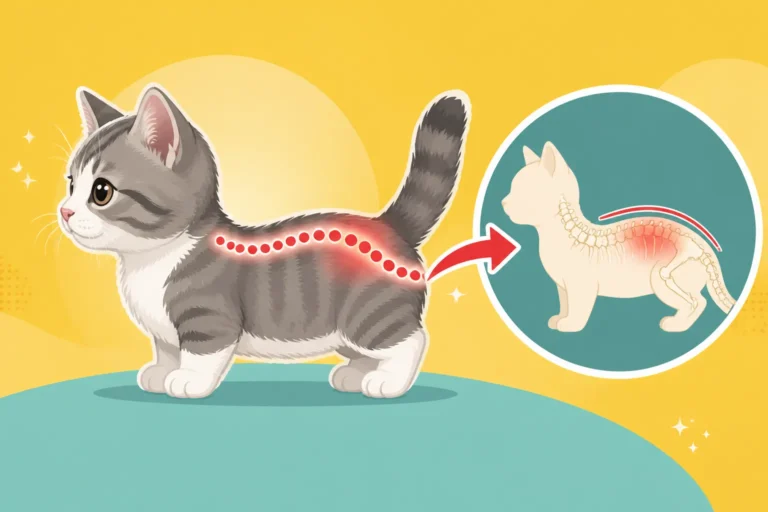
Even without discussing crosses, the Munchkin breed often sparks considerable debate within the veterinary community and among animal welfare organizations. Many vets disagree about the Munchkin because the shortened limbs, while not typically causing pain or limiting mobility in the same way as other forms of dwarfism, do place unusual stresses on a cat's skeletal structure. The concern isn't just about movement; it's about potential long-term issues like early-onset arthritis or spinal problems that might arise from carrying a normal-length spine on disproportionately short legs. While proponents argue that Munchkins are agile and lead normal, active lives, critics point to the inherent risks and the ethical question of breeding for a physical trait that deviates from natural feline physiology. This underlying controversy forms the backdrop against which the further genetic alterations of Munchkin crosses are viewed.
The Most Objected-To Munchkin Crosses and Their Health Risks
When breeders introduce other genetic mutations into the Munchkin line, the ethical and health concerns multiply. These are the crosses that draw the most severe objections from veterinary professionals.
The Scottish Fold Munchkin: A Double Burden of Skeletal Deformity
Hands down, the Scottish Fold Munchkin cross — sometimes referred to as a "Scottish Kilt" or, less commonly, a "Skookum" if it also includes the LaPerm's curly coat gene — is the most universally condemned by veterinarians and animal welfare organizations. The core problem here is the stacking of two serious skeletal mutations. The Munchkin brings its inherited chondrodysplasia (dwarfism causing short legs), and the Scottish Fold contributes its genetic predisposition to osteochondrodysplasia (OCD).
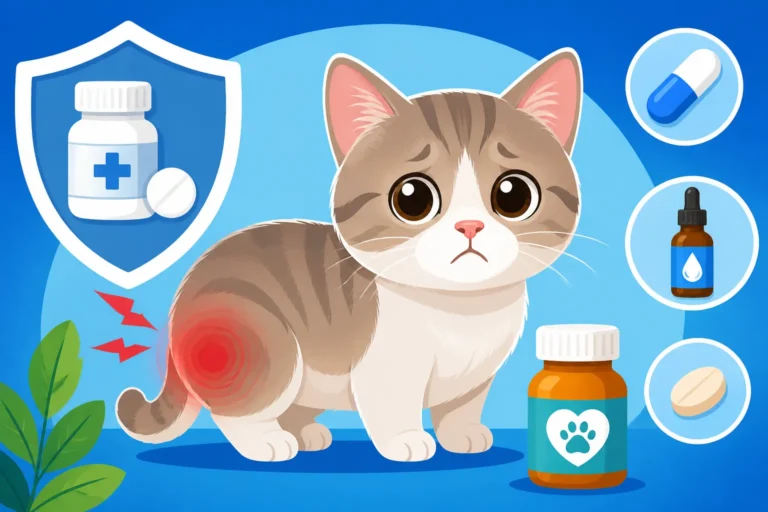
Osteochondrodysplasia in Scottish Folds is a debilitating genetic condition affecting cartilage and bone development throughout the entire body, not just the ears. It leads to progressive, painful arthritis, stiff joints, fused vertebrae, and deformities in the paws, tail, and spine. Cats with OCD often suffer from chronic pain, lameness, and reduced mobility, sometimes requiring lifelong medication, joint supplements, or even surgery. Combining this with the Munchkin's shortened limbs means you are creating a cat with an exceptionally high probability of severe, compounding skeletal issues. This isn't just a matter of aesthetics; it's a direct route to chronic suffering. Vets vehemently object to this cross because it intentionally creates an animal likely to experience significant pain and a diminished quality of life. This is a clear example of what two skeletal mutations do to one Munchkin, where the sum of the problems is far greater than its parts. For owners of such a cat, managing these complex health needs can be incredibly costly, making comprehensive pet insurance a must. Providers like Healthy Paws offer coverage that can help mitigate some of these financial burdens, but it's important to understand policy limitations, especially regarding pre-existing conditions.
Hairless Munchkin Crosses: Increased Vulnerability and Care Needs
Hairless Munchkin crosses, such as the Bambino (Munchkin x Sphynx) or Minskin (Munchkin x Sphynx x Devon Rex), introduce a different set of challenges, though generally less severe than the Scottish Fold cross. The concern here isn't another skeletal mutation, but rather the combination of the Munchkin's low-slung body with the Sphynx's lack of protective fur.
Sphynx cats, by virtue of their hairlessness, require specific care to protect their skin from sunburn, scratches, and extreme temperatures. They also need regular bathing to remove body oils that would normally be absorbed by fur. When you combine this with the Munchkin's short legs, which bring its belly and lower body much closer to the ground, these vulnerabilities are significantly heightened. Hairless Munchkins are much more prone to skin irritation, scrapes, rashes, and even burns from friction or hot surfaces. Their low stature means their delicate skin is constantly in contact with floors, litter, and other environmental elements. They are also more susceptible to chills and require carefully controlled indoor temperatures. While a hairless cat is not inherently "unhealthy," pairing this trait with the Munchkin's physical limitations exacerbates daily care demands and potential health problems. Vets often express concern about the increased risk of skin infections, injury, and the significant commitment required from owners for diligent skin care and environmental management. These cats truly need a home environment completely adapted for their unique needs.
Curly-Coated Munchkin Crosses: Magnified Grooming Challenges
Crosses involving curly-coated breeds, like the Skookum (Munchkin x LaPerm) or some "Lambkins" (Munchkin x LaPerm x Selkirk Rex), present another set of welfare considerations, primarily related to grooming and skin health. While the curly coat gene itself is not a skeletal mutation, it creates unique challenges when combined with the Munchkin's physical structure.
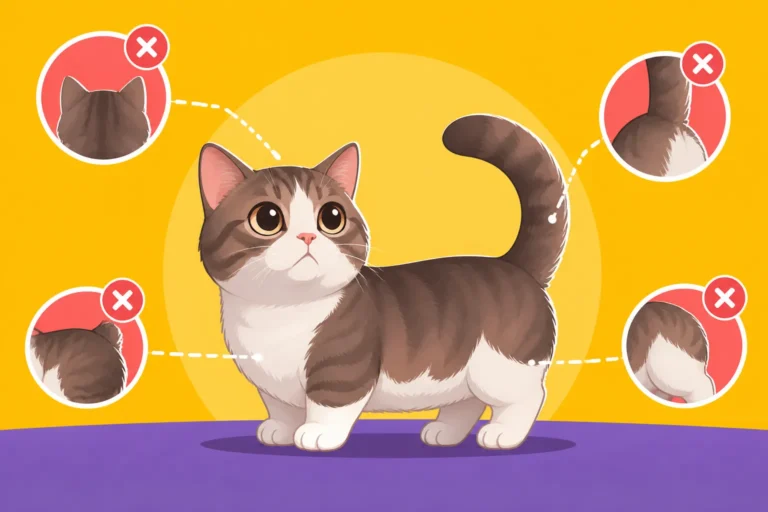
Munchkin cats already have difficulty reaching and grooming certain parts of their body, particularly their hindquarters and back. This is a known issue where a Munchkin cannot reach to groom itself properly. When you add a curly coat, especially a longer one, the propensity for matting, tangles, and accumulation of debris skyrockets. These mats can be incredibly painful, pulling on the skin, and leading to skin infections, hot spots, and parasitic infestations if not addressed promptly and meticulously. For a cat that struggles to reach these areas itself, the responsibility falls entirely on the owner. Vets often highlight the potential for neglect-related welfare issues if owners are not fully prepared for the intensive, regular grooming required. This isn't just about aesthetics; it's about preventing chronic discomfort and serious skin conditions that can arise from a matted coat, especially in a cat that physically cannot maintain its own hygiene in these areas.
Why These Combinations Are Particularly Risky
The veterinary community's objections to these specific Munchkin crosses aren't arbitrary. They stem from a deep understanding of feline anatomy, genetics, and welfare science. The risks involved are not simply additive; they are often exponential.
Compounding Genetic Mutations
The fundamental reason for concern is the practice of "stacking mutations." This refers to intentionally combining two or more distinct genetic traits, each of which might carry its own health challenges or modify a cat's normal physiology. With Munchkin crosses, breeders are often trying to create a cat with multiple "novel" physical characteristics – short legs and folded ears, or short legs and hairlessness.
The problem is that these genetic traits rarely interact benignly. Instead, they often compound existing issues or create new, unforeseen complications. As seen with the Scottish Fold Munchkin, combining two distinct skeletal deformities (the Munchkin's chondrodysplasia and the Scottish Fold's osteochondrodysplasia) creates an animal with a dramatically higher likelihood of severe pain, crippling arthritis, and a significantly reduced quality of life. This is a primary reason why Munchkin hybrids stack two mutations and are viewed with such ethical apprehension. It moves beyond simply breeding for a unique look and into a realm where the welfare of the animal is demonstrably compromised by deliberate genetic combinations.
Exacerbated Care Challenges
Beyond the direct health implications, these crosses significantly exacerbate the daily care challenges for owners. A standard Munchkin already requires some adaptations in the home and extra attention to grooming its hard-to-reach areas. Add hairlessness, severe skeletal pain, or a mat-prone curly coat, and the level of required care elevates dramatically.
For example, a hairless Munchkin needs constant vigilance against skin injury and temperature fluctuations. A Scottish Fold Munchkin might require daily pain medication, frequent vet visits, and potentially expensive surgeries to manage its progressive arthritis. A long-haired, curly-coated Munchkin could need professional grooming appointments to prevent matting that leads to painful skin infections. These aren't minor inconveniences; they are substantial commitments of time, effort, and financial resources. An owner must be prepared for potentially higher vet bills, even with a robust pet insurance plan. Companies like Healthy Paws can be a lifesaver for unexpected illnesses or accidents, but routine specialized care and management of chronic conditions can still add up. This intensification of care needs means that an otherwise loving owner might struggle to provide the necessary support, leading to welfare issues.
Ethical and Welfare Concerns
The ethical dimension is perhaps the most critical point of veterinary objection. Major cat registries, such as the Cat Fanciers' Association (CFA) and the Governing Council of the Cat Fancy (GCCF) in the UK, refuse to register the Munchkin breed itself, let alone its crosses. This is largely due to concerns over deliberately breeding for a genetic mutation that could compromise health and welfare. Why CFA will not register a Munchkin comes down to their ethical stance against promoting breeds with known genetic defects.
When these concerns are already present for the Munchkin, they are magnified exponentially for crosses that combine multiple potentially harmful traits. The consensus among many animal welfare bodies is that breeding these extreme hybrid cats prioritizes human aesthetic preferences or novelty over the inherent right of the animal to a life free from preventable pain and suffering. They argue that intentionally creating animals with a high probability of chronic health issues is unethical. What welfare bodies say about the Munchkin and its crosses is often a clear statement against these practices, urging prospective owners to consider the long-term well-being of the cat above all else.
What Prospective Owners Should Consider
If you're still considering a Munchkin or any of its crosses, it's absolutely vital to proceed with extreme caution and a clear understanding of the commitment you're making. This isn't a decision to be taken lightly.
Thorough Research and Ethical Breeder Selection
The first, and arguably most important, step is exhaustive research. Don't just look at cute pictures or videos online. Delve deeply into the specific health implications of each breed involved in the cross you're considering. Understand the genetic diseases prevalent in Scottish Folds, Sphynx cats, LaPerms, or whatever other breed is being crossed with the Munchkin.
When choosing a breeder, transparency is paramount. An ethical breeder will be open about their breeding practices, provide verifiable health clearances for the parent cats, and be willing to discuss potential health issues in their lines. They should also provide documentation and show you where your kitten comes from. What a Munchkin breeder should be able to show you includes detailed pedigrees and health screening results for both parents. Be wary of breeders who use vague terms like "teacup" or "dwarf" to market their cats, as these are often marketing words, not Munchkin words, and can sometimes be used to obscure underlying health issues or justify inflated prices. Always prioritize health and ethical practices over novelty or a lower price point, as a cheap Munchkin is often a warning sign.
Preparing for a Lifetime of Specialized Care
Bringing one of these Munchkin crosses into your home means preparing for a lifetime of specialized care that goes far beyond what a typical domestic cat might require. This isn't just about occasional vet visits; it's about integrating their unique needs into every aspect of your daily life.
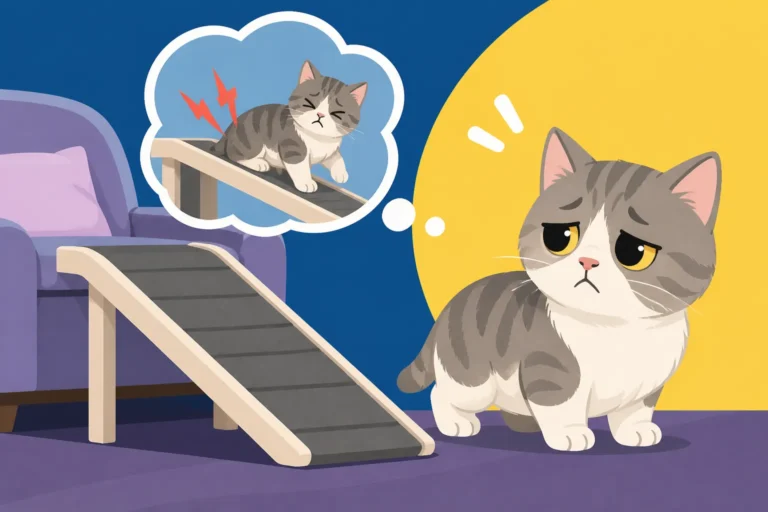
Consider the potential for frequent veterinary appointments, specialized grooming routines, and possibly lifelong medication for pain management, especially if you're looking at a Scottish Fold cross. You will need to adapt your home environment to ensure the cat can access everything it needs without excessive jumping or straining. This might include ramps, low-entry litter boxes, and accessible feeding stations. Think about the financial implications – the cost of these cats can be substantial upfront, but the ongoing veterinary care can quickly outweigh the initial purchase price. For example, joint supplements and pain relief can become a regular expense, and whether a Munchkin gets arthritis earlier is a very real concern for these breeds. While pet insurance can help, be sure to thoroughly research what a policy like Healthy Paws covers, specifically regarding breed-specific conditions or hereditary issues, and ensure you enroll your cat early before any health issues manifest. Looking at what a Munchkin costs over thirteen years will give you a realistic picture of the long-term financial commitment. A Munchkin, and particularly its crosses, requires a dedicated owner willing to go the extra mile to ensure their quality of life.
Summary of Concerning Munchkin Crosses
Here's a quick overview of the most concerning Munchkin crosses and the primary reasons for veterinary objections:
| Munchkin Cross Breed (Examples) | Other Breed's Key Trait | Primary Genetic Issue | Main Veterinary Objections |
|---|---|---|---|
| Scottish Fold Munchkin (Scottish Kilt, Skookum – when folded) | Folded Ears | Osteochondrodysplasia (OCD) | Stacking two skeletal mutations leading to severe, progressive, painful arthritis, fused vertebrae, and joint deformities. Compromises overall welfare and quality of life. |
| Hairless Munchkin (Bambino, Minskin) | Hairlessness | Lack of protective fur | Increased risk of skin irritation, scrapes, infections, sunburn, and temperature regulation issues due to low body height combined with delicate skin. Higher daily care demands. |
| Curly-Coated Munchkin (Skookum – when curly, Lambkin – curly variant) | Curly Coat | Coat texture/grooming | Exacerbates existing grooming challenges for Munchkins (inability to reach hindquarters), leading to increased matting, skin infections, and discomfort if not meticulously managed. |
Disclaimer
The information provided in this guide is for general informational purposes only and does not constitute veterinary advice. Always consult with a qualified veterinarian for any health concerns or before making any decisions about your pet's care.