How to Verify a Munchkin Is Registered at All
It can be really confusing and honestly, a little alarming, when you're trying to figure out if your beloved Munchkin cat, or one you're considering bringing home, is genuinely registered. Unlike some other breeds where registration is almost a given, the Munchkin's unique history and ongoing debates within the cat fancy mean that navigating their official status can feel like a labyrinth. This guide will walk you through exactly what registration means for a Munchkin, how to verify it, and what red flags to watch out for, so you can be confident in your cat's background.
Understanding Munchkin Cat Registration
Let's cut right to the chase: when we talk about Munchkin cat registration, we are almost exclusively talking about The International Cat Association (TICA). This is a critical distinction because many people assume all major cat registries operate similarly, but that's simply not the case for Munchkins. Other prominent organizations, like the Cat Fanciers' Association (CFA) or the Governing Council of the Cat Fancy (GCCF) in the UK, do not recognize the Munchkin as a legitimate breed. This stance is often due to concerns over the ethical implications of breeding cats with an inherited physical anomaly.
For prospective owners, this means your definition of "registered" needs to narrow considerably. If a breeder claims their Munchkins are registered with anything other than TICA, or perhaps a very small, niche registry that isn't widely recognized, that should immediately raise an eyebrow. TICA embraced the Munchkin breed in 1994, granting it full Championship status in 2003, which allows Munchkins to be shown and compete. This acceptance by TICA made it possible for breeders to formally track lineage, set breed standards, and operate within an established framework.
Why TICA is the Primary Registry for Munchkins
TICA's decision to recognize the Munchkin was a significant one, and it differentiates them from many other cat registries globally. They developed a comprehensive breed standard that outlines the desired physical characteristics, temperament, and acceptable outcrosses. This standard provides a blueprint for responsible breeding, aiming to maintain the breed's health and integrity. However, it's important to remember that even within TICA, the Munchkin's status has been a point of contention, leading to some judges and cat fanciers voicing strong opposition. TICA Judges the Munchkin and CFA Will Not Register It perfectly explains this divide.
For you as an owner, TICA registration provides a paper trail. It means your cat's parents, grandparents, and so forth, are recorded, allowing you to trace their ancestry. This isn't just for bragging rights or show potential; it's vital for understanding potential genetic health predispositions. A well-documented pedigree, facilitated by TICA registration, allows breeders to avoid problematic pairings and provides owners with a clearer picture of their cat's background. Without this, you're essentially buying a cat with an unknown history, which can lead to heartbreaking surprises down the line.
The Nuances of "Registered" vs. "Registerable"
Here's where it can get a bit tricky. A breeder might tell you a kitten is "registerable," but that's not quite the same as "registered." "Registerable" means the kitten comes from TICA-registered parents and theoretically meets the requirements for registration. However, the breeder may or may not complete the actual paperwork to register the individual kitten. Often, kittens sold as pets, rather than for breeding or showing, are sold without individual registration papers. The breeder usually holds onto these papers or provides a limited registration that prevents future breeding.
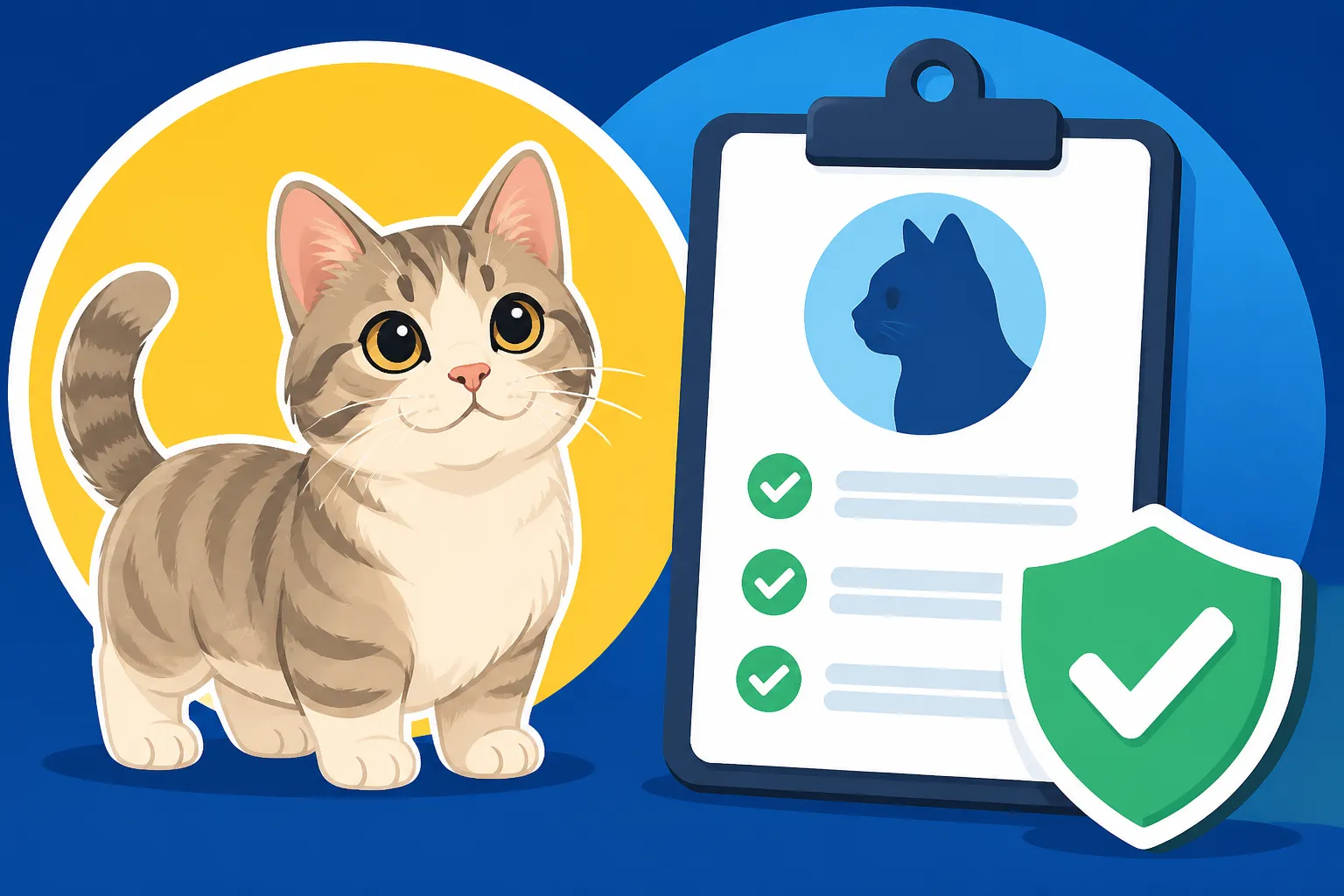
When a breeder says a cat is "registered," you should expect to receive actual TICA registration papers, either at the time of purchase or shortly thereafter. These papers will typically include the cat's full registered name, its date of birth, its TICA registration number, and the names of its sire and dam. If you're interested in showing your Munchkin or potentially breeding in the future (though this is highly discouraged unless you are an experienced, ethical breeder committed to the welfare of the breed), then full registration with breeding rights is a must. For a companion pet, proof that the parents are registered and the litter was registered is usually sufficient to assure you of a responsible breeding background.
How to Verify a Munchkin's Registration Status
Verifying a Munchkin's registration isn't as hard as it might seem, but it requires you to be diligent and ask the right questions. Remember, a reputable breeder will be transparent and happy to provide all necessary documentation. If you encounter resistance or vague answers, consider that a major red flag.
Asking the Right Questions to Your Breeder
When you're speaking with a potential breeder, don't be shy. Your goal is to gather as much information as possible to ensure you're getting a healthy, well-socialized kitten from an ethical source. Start by asking directly: "Are your Munchkin cats and kittens registered with TICA?" This is the fundamental question. If they say no, or mention a different registry, you need to understand why. Sometimes smaller, local clubs exist, but they don't carry the same weight as TICA.
Beyond that initial question, dive deeper:
- Can I see the TICA registration papers for the parents (dam and sire) of the litter? A legitimate breeder will have these readily available. These papers will confirm the pedigree of the breeding cats, showing their TICA registration numbers and lineage. Don't be afraid to scrutinize them.
- Will the kitten I'm purchasing come with individual TICA registration papers? As mentioned, for pet-only kittens, you might get a "Limited Registration" or simply confirmation that the litter was registered. Understand what you're receiving. What a Munchkin Breeder Should Be Able to Show You delves into other crucial documents and proofs a good breeder provides.
- Can you provide the TICA registration number for the litter? Even if individual kittens aren't registered to you, the breeder should have registered the litter. This number allows you to confirm that the litter originated from registered parents.
- What are the full registered names of the sire and dam? Knowing these names will allow you to do some independent research later, if necessary.
Checking TICA Records Directly
Once you have some information from the breeder, you can take steps to verify it with TICA directly. TICA has a comprehensive online database that allows you to look up registered cats, litters, and catteries. This is your most reliable tool for verification.
Here’s a general approach:
- Visit the TICA Website: Navigate to their official website. Look for a section related to "Registrations," "Databases," or "Online Pedigrees."
- Use Search Functions: TICA typically offers search functions where you can input a cat's registration number, a litter number, or even a cattery name. If the breeder gave you specific numbers, input those.
- Cross-Reference Information: Compare the information you find on the TICA database with what the breeder has told you or shown you on physical papers. Do the names match? Are the dates consistent? Is the cattery registered under the breeder's name?
- Contact TICA (if necessary): If you have any doubts or can't find the information you need, don't hesitate to contact TICA directly. They have staff who can assist with registration inquiries and verify information. While they won't disclose private breeder information, they can often confirm if certain cats or catteries are indeed registered.
This step is crucial for peace of mind. While most breeders are honest, unfortunately, there are always a few who might misrepresent their cats' origins. Taking the time to perform this due diligence protects both you and the cat.
The Value of Registration, Even for a Pet-Only Munchkin
You might be thinking, "I just want a pet, why does registration matter so much?" It's a valid question, but the answer goes beyond just official papers. Registration with a reputable body like TICA signifies a commitment to ethical breeding practices and transparency.
Assured Pedigree and Health Information
When a Munchkin is TICA-registered, it means its lineage is recorded. This pedigree isn't just a fancy family tree; it's a vital tool for understanding potential inherited health issues. Responsible breeders use registration to track genetic lines, avoid inbreeding, and screen for known health problems that might affect the breed or the outcrosses used. For example, some outcross breeds may have specific genetic tests required, and good breeders will perform these tests, documenting the results.
While What Pseudoachondroplasia Does to a Munchkin's Legs explains the fundamental genetic trait of Munchkins, a registered pedigree allows you to see if any known issues have cropped up in a cat's ancestry. This transparency is invaluable. If a breeder can't provide any registration information, it means you have no way to verify the cat's background, including whether its parents were ethically bred or if any hereditary conditions are present in the line. This lack of information can lead to higher vet bills and heartache down the road. Pet insurance providers like Healthy Paws might offer coverage for unexpected illnesses, but understanding your cat's genetic predispositions can help you be proactive in their care.
Supporting Responsible Breeding
By choosing a TICA-registered Munchkin from a reputable breeder, you are indirectly supporting responsible breeding practices. These breeders typically invest significant time, effort, and resources into ensuring the health and welfare of their cats. This includes proper veterinary care for breeding adults, genetic testing, providing excellent nutrition, and ensuring kittens are well-socialized before going to their new homes.
In contrast, buying an unregistered Munchkin, especially one advertised as significantly cheaper, often means you're supporting backyard breeders or kitten mills. These operations frequently prioritize profit over the health and well-being of the animals. They might cut corners on veterinary care, genetics, nutrition, and socialization, leading to cats with hidden health problems or behavioral issues. Why a Cheap Munchkin Is a Warning provides a deeper dive into the dangers of choosing price over pedigree.
Implications for Breeding and Showing
If you ever decide you want to show your Munchkin or, in very rare and specific circumstances, responsibly breed them, TICA registration is non-negotiable. Without it, your cat cannot participate in TICA-sanctioned shows, nor can its offspring be registered. This is where the distinction between "limited" and "full" registration for your individual cat becomes important. Most pet-only kittens are sold with limited registration, meaning they cannot be used for breeding. This helps maintain the integrity of the breed and prevents backyard breeding.
For those interested in the intricacies of breeding Munchkins, understanding the genetics is paramount. For instance, Why Two Short Legged Munchkins Are Never Bred Together highlights a critical genetic factor that responsible breeders must adhere to, a practice that's tracked and enforced through registration.
| Feature | TICA Registered Munchkin (from reputable breeder) | Unregistered Munchkin (unknown origin) |
|---|---|---|
| Pedigree Traceability | Full lineage recorded, accessible via TICA database | Unknown or unverified lineage, no official records |
| Health Guarantee | Often comes with health guarantees; parents screened | Unlikely to have a meaningful health guarantee; parents' health unknown |
| Breeder Accountability | Breeder is accountable to TICA standards; verifiable | No external accountability; difficult to verify claims |
| Show Eligibility | Eligible for TICA shows (with full registration) | Not eligible for TICA or any major cat shows |
| Breeding Potential | Eligible for breeding (with full breeding rights) | Not suitable for ethical breeding; offspring cannot be registered |
| Price | Generally higher, reflecting breeding costs | Often lower, but with potential hidden costs (vet bills) |
| Peace of Mind | Higher confidence in health and ethical background | Significant uncertainty regarding health, temperament, and origin |
Red Flags and What to Do If Unsure
Navigating the world of purebred cats, especially one as debated as the Munchkin, can present challenges. Knowing what signs to look for can protect you from making a decision you might regret later.
Common Red Flags to Watch For
When you're communicating with a breeder or looking at advertisements, keep an eye out for these warning signs:
- No Mention of TICA: If a breeder never mentions TICA, or dismisses its importance, that's a huge red flag. As discussed, TICA is the main registry for Munchkins.
- "Rare" or "Teacup" Munchkins: These terms are marketing gimmicks designed to fetch higher prices. There's no official "teacup" Munchkin. The breed standard dictates a certain size, and any breeder using these terms is likely prioritizing profit over accurate information. Why a Teacup Munchkin Listing Is a Scam explains this in detail.
- Refusal to Show Papers or Cattery Details: Any hesitation or outright refusal to share TICA registration papers for the parents, litter, or their cattery registration number is a serious warning. A reputable breeder has nothing to hide.
- Excessively Low Price: While Munchkins can be expensive, an unusually low price for a "purebred" Munchkin is almost always a sign of a backyard breeder or a scam. These breeders often cut corners on health, nutrition, and socialization. Remember, What Short Legs Cost on a Munchkin Kitten in 2026 details the financial investment ethical breeding demands.
- No Vet Records or Health Guarantees: Beyond registration, a good breeder will provide comprehensive vet records for the kitten, including vaccination history, deworming, and a health certificate. They should also offer a health guarantee, often covering genetic issues for a certain period.
- Unsanitary Conditions or Unhealthy Kittens: If you visit a breeder's home (which you absolutely should do if possible), observe the living conditions. Are they clean? Do the cats appear healthy, active, and well-socialized? Runny eyes, sneezing, lethargy, or shyness can indicate problems.
- Early Separation from Mother: Kittens should stay with their mother and littermates until at least 12 weeks of age. This period is crucial for their social and emotional development. If a breeder is pushing to let kittens go earlier, walk away.
What to Do If You're Unsure About a Cat's Registration
If you've encountered any red flags or simply feel uneasy, trust your gut. It's always better to err on the side of caution.
- Don't Rush into a Purchase: Never feel pressured to buy a kitten immediately. A responsible breeder will understand your need to do due diligence.
- Seek a Second Opinion: If you have a trusted veterinarian, share your concerns with them. They might be able to offer advice or even help you review documents. You can also consult experienced cat fanciers or breed club members (even if they don't breed Munchkins, they understand reputable breeding practices).
- Report Suspicious Activity: If you strongly suspect a scam or unethical breeding practices, consider reporting it to TICA, your local humane society, or animal welfare organizations. While they may not always take direct action, your report can help them track patterns and prevent future issues. What Welfare Bodies Say About the Munchkin outlines the general stance of these organizations.
- Consider Reputable Alternatives: If finding a registered Munchkin proves too difficult or expensive, consider adopting a cat from a shelter or rescue group. There are many wonderful cats in need of homes, including sometimes Munchkin-type cats who need rehoming. Where Surrendered Munchkins Actually Go can offer some perspective here.
Ultimately, your goal is to bring home a healthy, happy cat from an ethical background. While registration isn't the only factor, for a Munchkin, it's a very strong indicator of a breeder's commitment to the breed standard and the well-being of their animals. Taking the time to verify this information is an investment in your future together.
Disclaimer
This article is for general informational purposes only and does not constitute professional advice. Laws, prices and regulations vary by location and change over time. Consult a qualified professional for guidance on your specific situation.